Kale Quesadilla! with finely shredded kale, red bell peppers, red onions, cumin, and cheddar cheese
PREP TIME5 mins
COOK TIME15 mins
TOTAL TIME20 mins
SERVINGS2 kalesadillas
Corn would also be a good addition to this quesadilla. If you have some corn in your freezer, just toss a few kernels in with the pepper and onion sauté.
Ingredients
1 tablespoon extra virgin olive oil
1/3 cup finely chopped red bell pepper
1/3 cup finely chopped red onion
Pinch of ground cumin
1 1/2 cups thinly sliced kale (remove center rib from kale before slicing)
1/4 teaspoon butter
3/4 cup of grated mild cheddar
2 flour tortillas (use corn tortillas for gluten-free version)
Method
Sauté bell pepper, onion, add cumin, kale:Heat olive oil in a medium sauté pan on medium high heat. Add the chopped bell pepper and red onion, cook until softened, about 3 minutes.Sprinkle with ground cumin. Add the thinly sliced kale and toss to combine. Cook a minute more on medium high, then lower the heat to low and cover the pan. Cook for a couple more minutes until kales is cooked through and softened, remove from heat.
Heat the tortilla:
2. Heat a large cast iron pan on medium high to high heat. Spread a little butter over the bottom of the pan. Place a flour tortilla in the pan and heat until you see bubbles of air pockets starting to form. Then flip the tortilla over and lower the heat to medium.
Add cheese and kale filling to tortilla:
3. Sprinkle with half of the cheese. Place a couple scoops of the kale pepper onion mixture on one side of the tortilla.
Fold the other side of the tortilla over the side with the kale. Press down with a spatula. When the cheese on one side has melted, flip the tortilla over to the other side.
When the cheese on that side has melted, remove to a cutting board and repeat with the other tortilla and the remaining cheese and filling.
4. Cut the “kale”sadilla into thirds and serve.
Fettuccine with Creamy Tomato Italian Sausage Sauce
Fettuccine pasta with a rich and creamy, tomato and Italian sausage sauce. Absolute crowd pleaser.
PREP TIME6 mins
COOK TIME45 mins
TOTAL TIME51 mins
SERVINGS6 servings
Ingredients
2 tablespoons extra virgin olive oil
3 shallots, chopped
2 large garlic cloves, chopped
1/2 pound sweet Italian sausage, casings removed
1/2 pound spicy or hot Italian sausage, casings removed
1 cup whipping cream
2 14.5-ounce cans diced tomatoes in juice
1 tablespoon dried sage
3/4 pound fettuccine
1/2 cup grated Parmesan cheese
Method
Heat water for pasta:Put a large pot of salted water on to boil (1 Tbsp salt for every 2 quarts of water). While the pasta water is heating, prepare the sauce in the next step.
Cook shallots and garlic:Heat olive oil in a large sauté pan on medium heat. Add the shallots and garlic and cook, stirring frequently, until beginning to soften, about 3 minutes.
Add Italian sausage:Break up the sweet and spicy Italian sausages as you add them to the pan. Toss with the shallots, increase the heat to medium high, and cook until no longer pink, about 5 minutes.
Stir in the cream:and simmer for 5 minutes.
Stir in the tomatoes, their juices, and the sage:Simmer for about 15 minutes, stirring occasionally, until the sauce thickens.
Cook the pasta:The pasta water should be boiling by now. After the sauce has simmered for about 5 minutes, add the pasta to boiling salted water and cook, uncovered at a rolling boil, until the pasta is al dente, cooked through but still a little firm to the bite.Reserve 1/2 cup of the pasta water and drain the pasta.
Toss the pasta with the sauce:and add a little of the reserved pasta water if dish seems dry.Season with salt and pepper and sprinkle with cheese to serve.
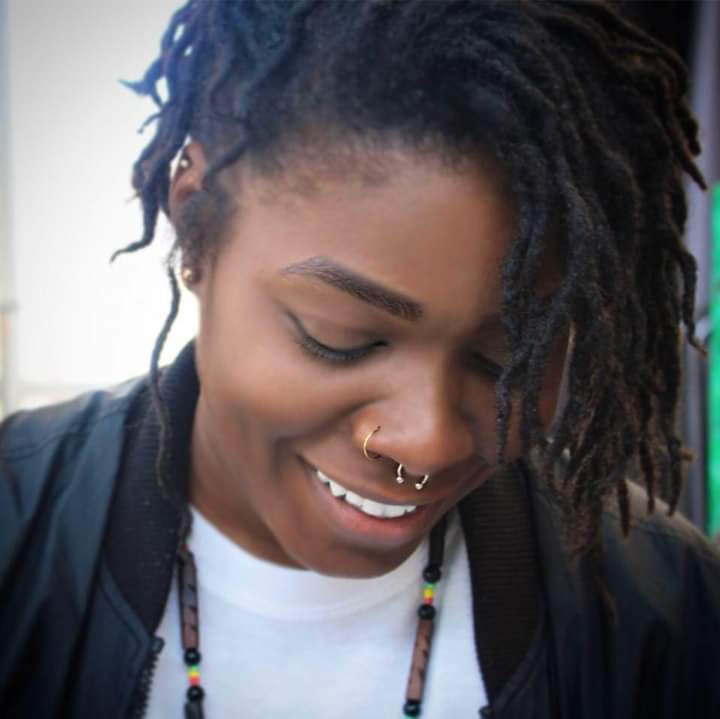
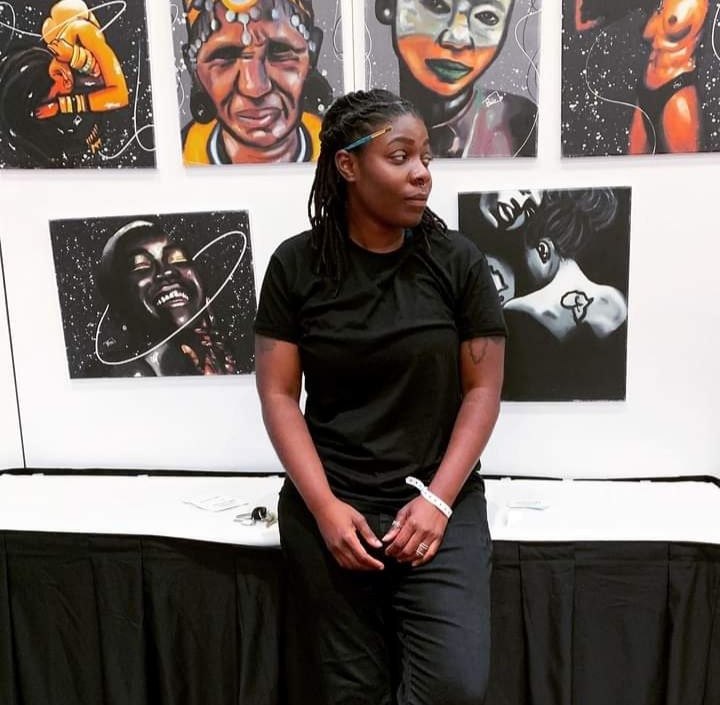
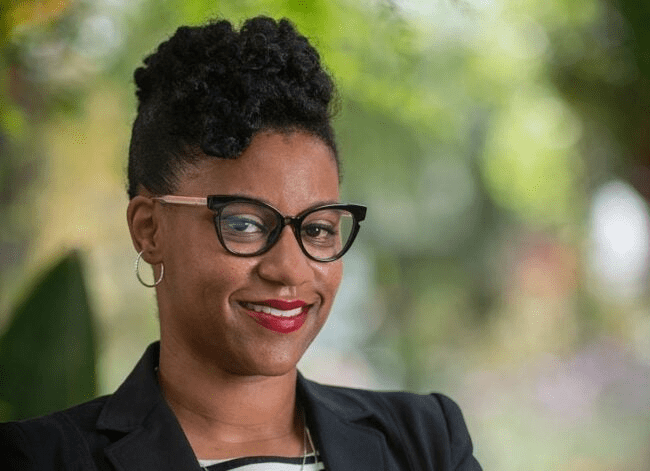
Keeping up with this artist was a fun challenge as she shows the world living out your dreams is possible & people are loving it.
What inspired you to start working on your craft?
Art was always embedded in me as a child, my grandmother would sit me in her room and have me draw and color her pictures that she’d taped to the wall, and they would stay up literally until they tore down, and she’d replace them with new drawings. My parents also always bought me the classic Lisa Frank art kits, and I just naturally gravitated to drawing. I remember watching BET’s Rap City: The Basement and they had a segment of the show where people would send in their art, and I’d be so inspired by the art and would practice drawing Musiq Soulchild to send in my drawing, I was a peculiar child. I never got the chance to send it in, but a 10 year old me had perfected the photo of Musiq with his headphones leaning against a speaker.
From those younger years on, I was always an artist in different facets from art and drawing, spoken word & poetry, to music. When I got to college, I actually started focusing more on music and it was years before I merged back into visual art. When I graduated my creative endeavours were paused and I focused more on a corporate image, and stopped creating completely. I did start back writing more during that time, I suppose I’ve always needed a creative outlet in some sense. After a few transitions, I was ultimately laid off twice over the course of two years and decided I never wanted to be in that place again to have these corporate companies have so much power that it shifts you and determines the level of security you can provide for myself.
What was your first thoughts when you saw your first piece showcased?
If my memory serves me correctly one of the first exhibits I showcased a body of work in was the Indiana Black Expo in the Cultural Arts Pavilion. I remember attending Expo for the first time in 2017 and was amazed by the beautiful Black art, and I thought to myself I want to do this, I want my work here. The very next year it happened for me, and I exceeded my expectations, and was soon coordinating and curating the entire space. It was less thoughts in my head seeing my work being featured and being recognized, just a very good feeling.
I also recently just had my first major museum exhibit this year at the Museum of Science and Industry in Chicago for the Black Creativity 2022 Exhibit. That was a full circle moment for me because I used to attend that museum as a child, and to see my work there was just so rewarding. It makes me feel aligned and on the right path.
What is your favorite piece?
I have a few, but definitely “The Carters” from my unpopular Opinion Collection celebrating Black Wealth and breaking those societal glass ceilings.
Who surprised you by liking your work?
The biggest surprise was definitely Erykah Badu going through my Instagram and liking several pictures. I thought it was fake until she inboxed me and called me “suga.”
What’s something people would be surprised to know about you?
Most people know me as a visual artist, but would be very surprised to know that I’m a writer, poet, and mc/lyricist. I honestly probably love music and performing the most, but it’s taken a while to reintegrate myself, but it’s something I’m currently working on.
How would you describe your art?
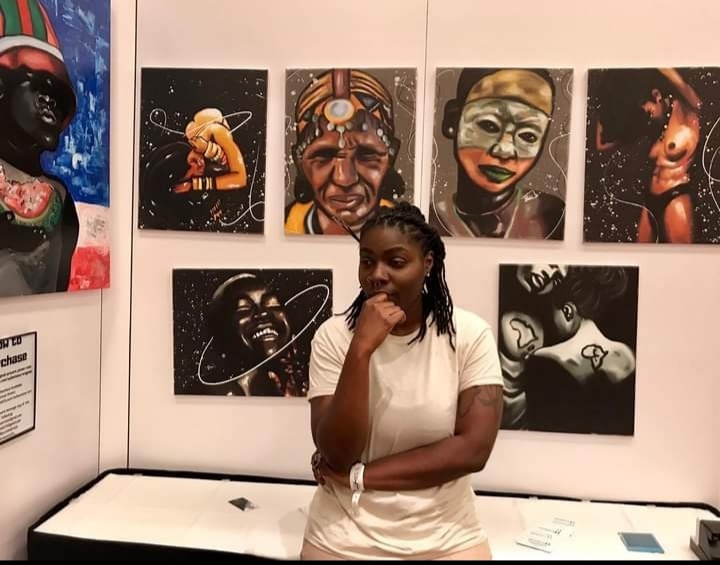
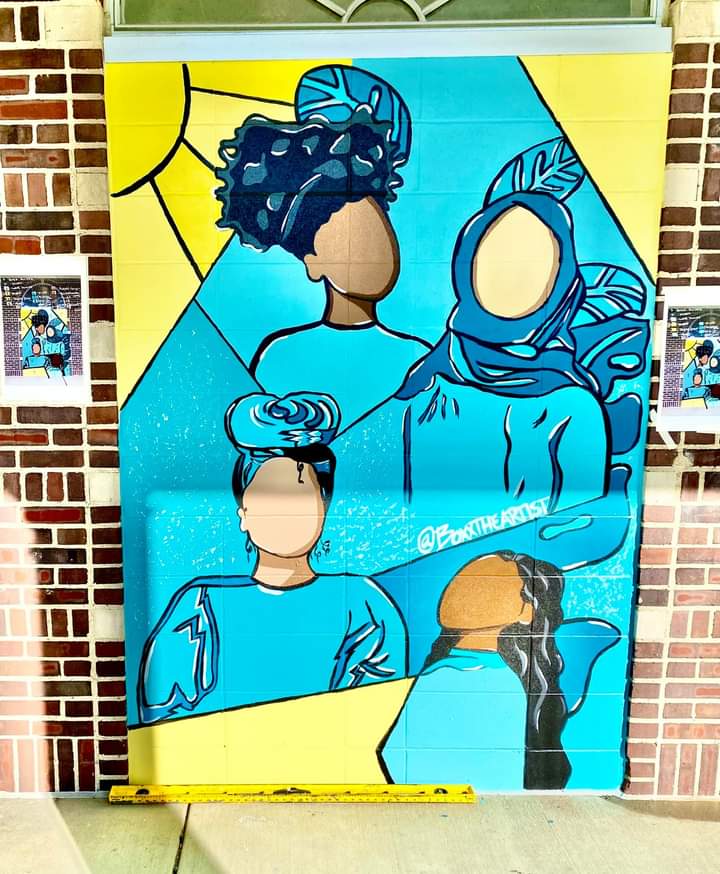
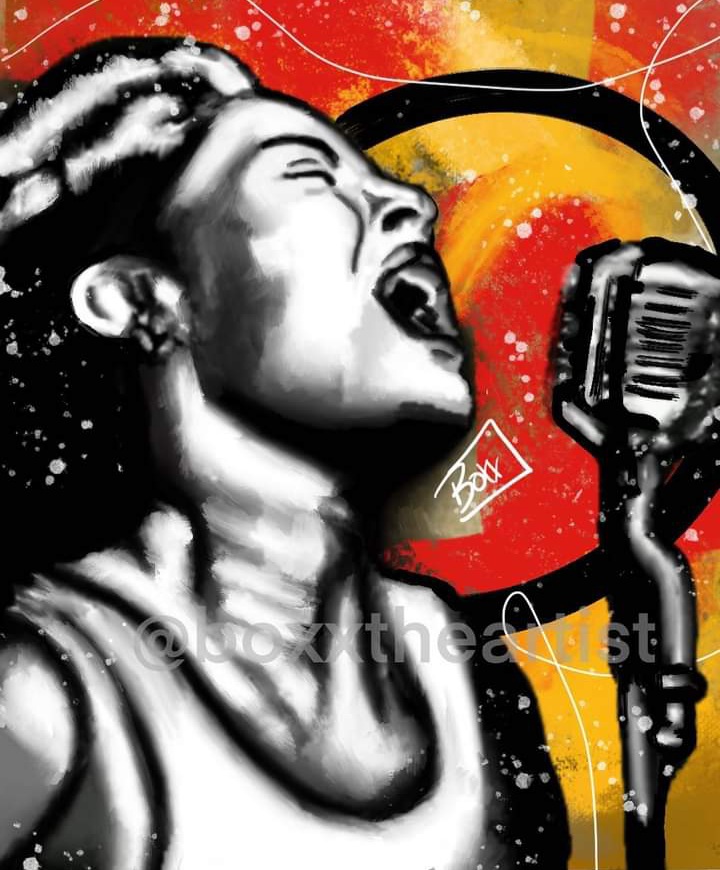
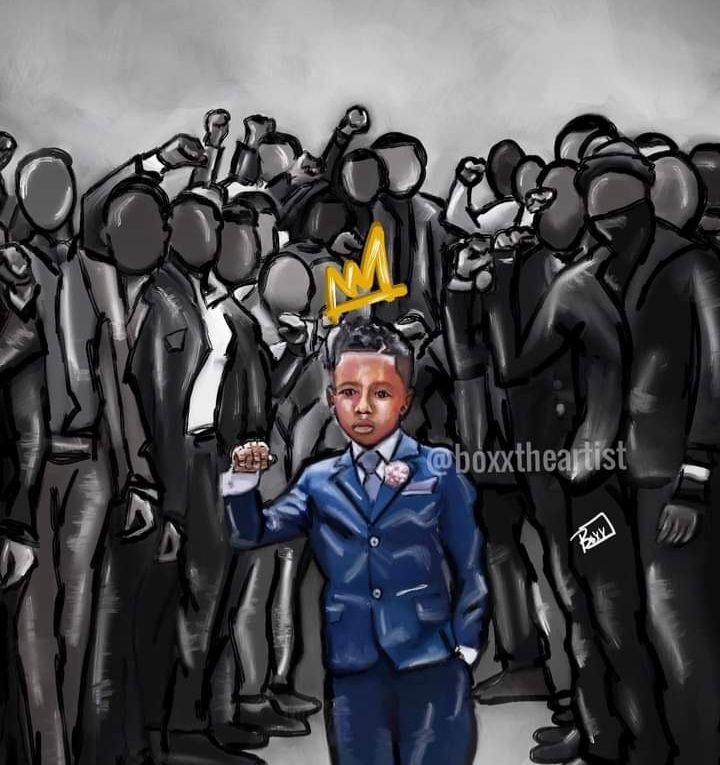
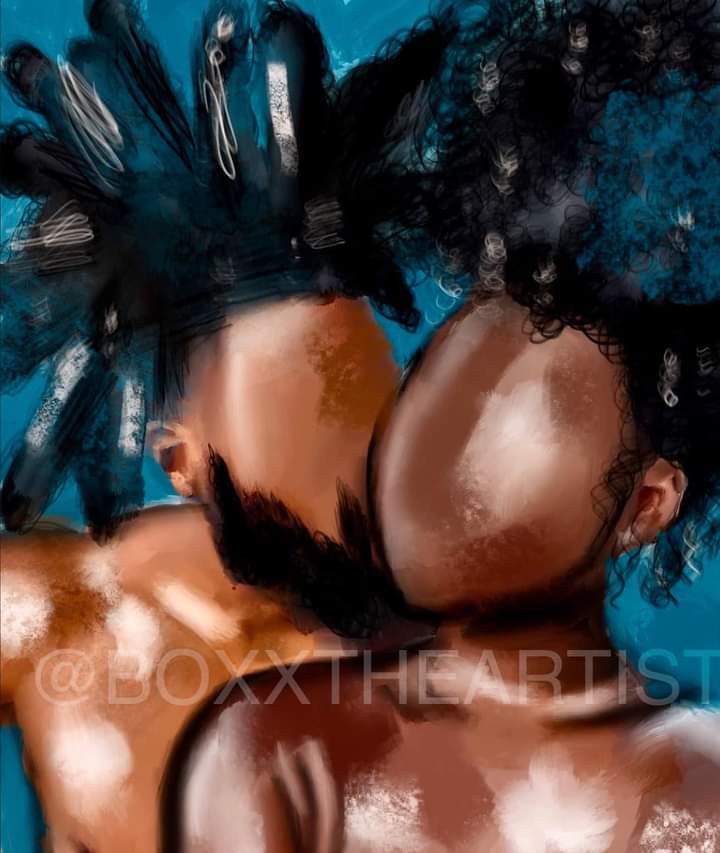
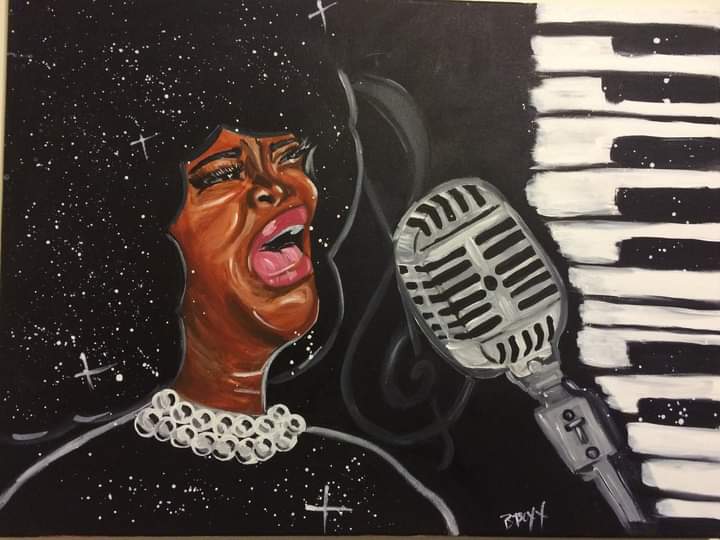
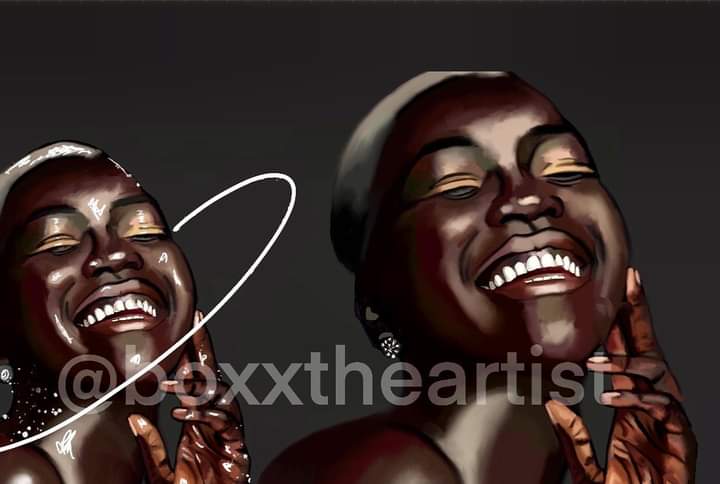
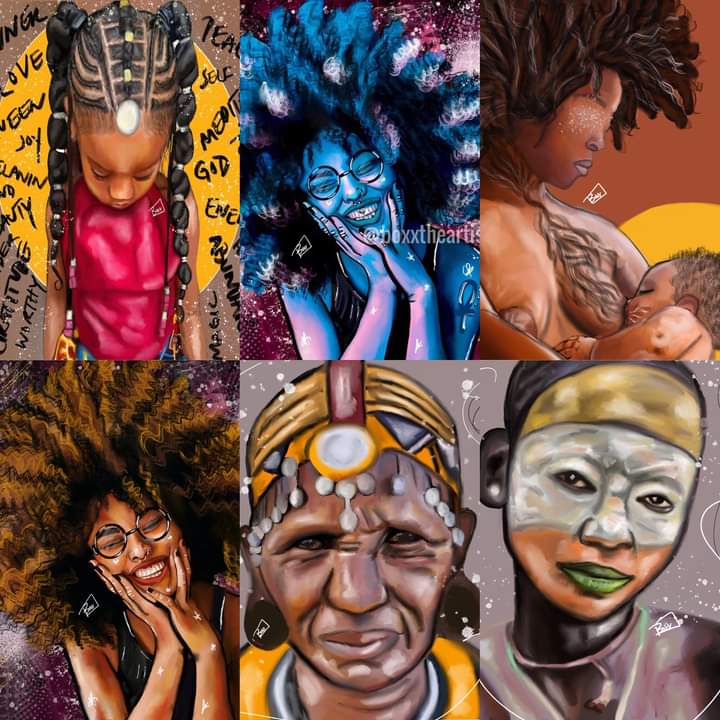
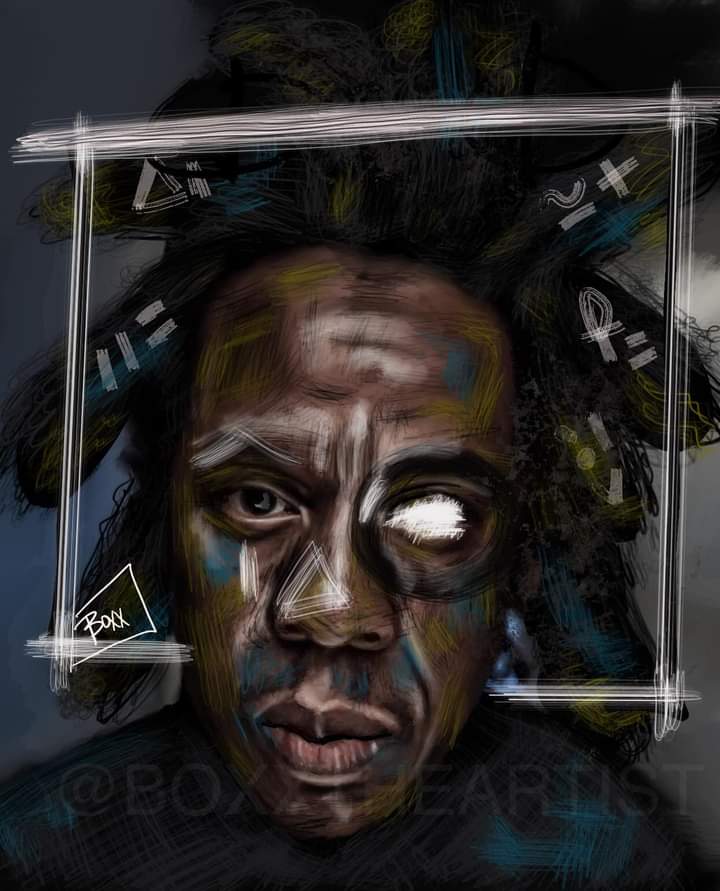
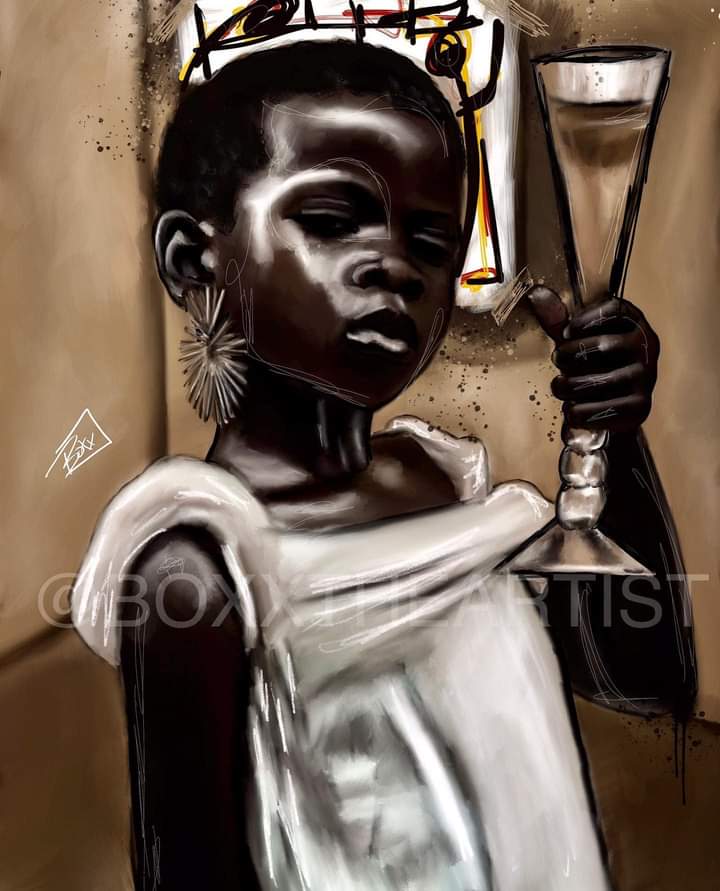
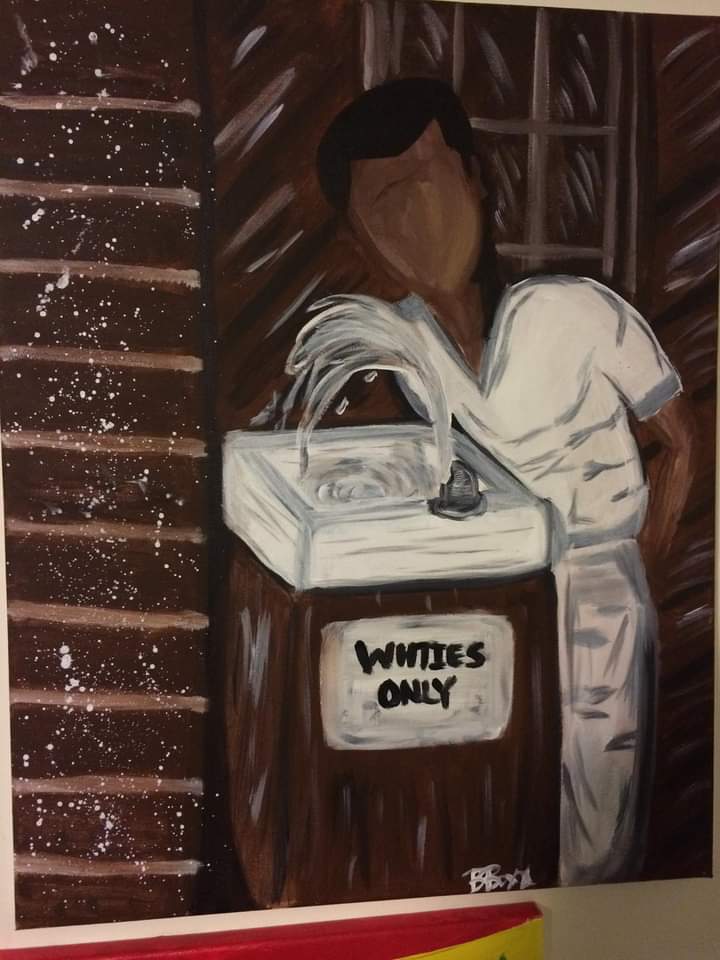
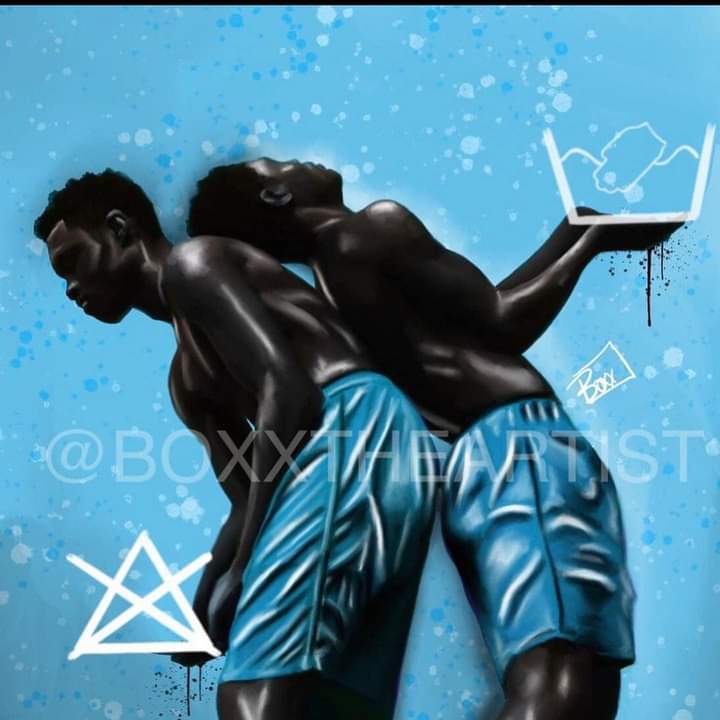
I am a visual artist that synthesizes interactive art through acrylic paintings, digital art, and installations that examine the African Diaspora. As an acrylic painter, digital artist, and muralist, my work provides cultural images that honor a marginalized community through art, while providing representation of BlPOC, LGBTQ, and underrepresented women along an intersected spectrum. My artwork style can be defined as expressionistic portraiture, where I create portraits that reflect an image of reality that is expressive of my perception, feelings, and ideas.
What’s the funniest memory you have dealing with your craft?
Probably this weekend, I ran into an old friend as she was telling her friends about my work, and she happened to mention that I body paint. There was an older gentleman who asked if I could body paint a few abs. It’s always funny having conversations about that aspect of the job.
How do you keep the passion in your art while making it your job?
Great question. I have to separate the business from the pleasure, and I no longer paint for money. I know that my sound weird if you wonder how I would support myself doing that, but there are certain things I can do creatively that I can generate an income off, and I allow those things like digital art, illustration, mural work, body painting, curating, events, etc to generate the cash flow, but when it comes to creating heart work, I have to do that when my mind, body, and spirit allows it, and I can choose to sell it or not because my art isn’t the sole basis of my income. My other creative outlets can support me, allow me to be creative, can be managed, and I can preserve that passion and not get emotionally burnt out.
How do you use your craft to educate younger generations and your community?
I connect through the youth with painting workshops and volunteering my time whenever I’m asked to and my schedule allows it. I’ve returned home to Gary, IN and hosted workshops at schools allowing students to meet a full-time artist, ask questions, share what I do, and always bring out the canvas and easels so they can create. I recently collaborated with a former high school classmate who happens to be a teacher, and spent some time with K-6 graders for career day. We did a full day where I was allowed to share my art and connect with students in each grade level for one-on-ones and dive into my career and what led me here. Any opportunity I can connect with youth and the community I take it. I often bring out canvases to community events and allow people to create with me on what I call a “Community Canvas.” I was actually able to fabricate a community canvas structure in the Martindale-Brightwood neighborhood in Indianapolis on 25th & Sherman where the community can leave their creations, favorite quotes, or inspiring messages on a community chalkboard canvas.
Who influenced you growing up?
I don’t think I knew it at the time, but I realize now I was always inspired and influenced by the women in my life. My mom was/is an entrepreneur that led me towards entrepreneurship and I studied the facets of that in college. I can never remember having a childhood fantasy or romanticising certain jobs or roles when I grew up. When I got to a certain age I just knew I wanted to own something, I just didn’t know what. When I was led back to art it was those influences from my grandmother that kept me encouraged and helped cultivate my love for creating.
Where do you see yourself in the next 5 years?
Retired, lol! No seriously, I’ve been a visual artist for 5 years, so I finally feel like I’m making it past my infancy stages, and emerging into the professional mid-career bracket. I had such an interesting start, I was a full-time artist as I was learning and teaching myself how to paint. In 5 years, I’d like to have a catalogue of body of works that are notable enough to be recognized, written about, studied and analyzed. I see myself dedicating time to solely travel, studying, and create. I’d like my work to be immersed with photography, film, documentaries, and even music and poetry fusing all my talents together to create a creative structure that’s multifacet.
What advice would you give to someone who wants to follow in your footsteps?
I’m a firm believer in choosing your purpose. First, you have to identify what it is which can be determined by paying attention to things in life that light you up, make you happy, and bring you a sense of peace. Once you determine those things, it can be more than one, choose one that you want to experience everyday in different forms. That one thing that you want to dive into completely and master it. I am by no means a master at my craft, but I get up everyday and choose it over it over, and it responds by choosing me back. That takes true commitment, dedication, and courage to pursue your passions and risk the unknowns like failure. But through failures is where you learn every way that doesn’t work for you, and can slowly get better one day at a time. So take it a day at a time, and never give up.
What’s a misconception about what you do?
A common misconception about creating art is of course the cost and time. It’s often underpriced by people who inquire for commission work or overpriced by people interested in collecting. Those that reach out for commission work, (which is creating something for someone), often underestimate how expensive supplies are. I can spend over $100 on a moderate size student grade canvas (just the canvas). This is also true for mural work, interior and exterior paints get costly, quick. I don’t think this is common knowledge though, so I try to be as communicative as possible and do the best that I can with people who chose to patronize me (within reason). I also get approached by a lot of people telling me they wish they could afford my work. I can only assume they think it’s thousands of dollars, lol. I do have some costly pieces, but I still offer affordable canvas prints so that people with all budgets can collect and still own my work on my website at www.boxxtheartist.com. With time, there is always an urgency of now, but great art takes time. I often work on deadlines, but I make it a priority to give myself the time I need to create and keep my clients abreast.
Who would be your dream client?
I don’t have a particular person in mind, but my dream client is anyone that sees my original work and feels it belongs in their life and their home, and they purchase it.
OPEN MIC!!!
I studied Mass Communication with a focus on multimedia and production, African American Studies earning a dual Bachelors Degree with a minor in Political Science and Entrepreneurship & Innovation. I get asked all the time if I studied art, asking what I went to school for, and how it feels spending 4 years of time and money to not work in my field. I think however, the best way to put my education to use and to us was working for myself. I definitely encourage the college track, because it taught me how to be teachable, sufficiency, and interchangeable skills to truly function as a business. If there is another way you learn it, definitely take it, but those skills have to be developed for the best sense of balance as a creative. Never stop learning, never stop being a student, and always get up everyday and choose your purpose, again and again.
Feel free to connect with me on social media platforms @BoxxThe Artist!
Boxx the Artist- Lead Artist, Principal Consultant
Arthentic Fit, LLC- The Creative Arts Company
Arthentic Arts, Inc.- Founder
Visual Artist| Art Instructor| Creative Consultant| Arts Advocate
Born into slavery and freed during abolition, Tuskegee University educator George Washington Carver is perhaps our country’s best known botanist. He devised a method of crop rotation, alternating peanuts and other legumes with crops such as corn, to improve nitrogen-depleted soil ravaged by growing cotton.
The practice helped southern farmers, black sharecroppers in particular, diversify their crops and maintain soil quality. Carver went on to develop hundreds of uses for peanuts, including flour, dyes, soap, mechanical oils, and linoleum.
Edmond Albius
As a 12-year-old child enslaved on the Indian Ocean island of Réunion, Edmond Albius discovered a quick and simple method of hand-pollinating vanilla orchids.This method revolutionized the industry, enabling the island to become the largest vanilla supplier in the world. Though Albius’ method is still in use today his story is unfortunately far more bitter than sweet. While plantation owners grew rich, the inventor himself never reaped financial reward or gained significant recognition for his discovery during his lifetime.
Robert Lloyd Smith
Though born during slavery, Robert Lloyd Smith was the son of free parents who initially became a teacher. In 1890, in response to the oppressive nature of the sharecropper system, Smith founded the Farmers’ Home Improvement Society, a cooperative that promoted farming. The society helped by promoting more efficient practices, establishing networks, and generating wealth through savings.
The society’s success led the way for both the Farmers’ Improvement Agricultural College and the Farmers’ Improvement Bank. This remarkable educator and businessman was also a politician who served two terms in the Texas State Legislature.
Booker T. Whatley
An agricultural giant of the post-World War II era, Booker T. Whatley was a pioneering proponent of biodiversity and sustainable farming. The Tuskegee University professor worked to aid struggling farmers, fostering efficiency with an approach that was equal parts science and common sense and that encouraged minimizing waste, maximizing acreage, and planting wisely.
Dr. Whatley advocated for pick-your-own farms and the concept of clientele membership clubs, in which customers paid farmers up front for an entire season of food (a precursor to today’s cooperative and subscription choices). His 1987 book, How to Make $100,000 Farming 25 Acres, remains invaluable to small farmers today.
Marie Clark Taylor
The first black woman to earn a Ph.D. in botany, Marie Clark Taylor was a plant physiologist who first made her mark studying how plants respond to light. As the head of the botany department at Howard University, Dr. Clark contributed to the design and construction of a new biology building with a rooftop greenhouse laboratory. Perhaps her greatest calling, however, was to help other educators, scientists, and engineers grow—not just at the university but at the elementary and high school level. She developed curricula, inspired curiosity, and popularized new methods of teaching science.
Abra Lee
Ordinary folks deserve beauty in their everyday environment, and horticulturist Abra Lee has made a career out of bringing green serene style to public places. She has served as the landscape manager at Atlanta’s Hartsfield-Jackson Airport, as a municipal arborist at City of Atlanta Department of Parks, and as a fellow at Longwood Gardens in Pennsylvania. Combining her passion for horticulture and history, Lee is the author of Conquer the Soil: Black America and the Untold Stories of Our Country’s Gardeners, Farmers, and Growers, which will be published this year.
Mercedes Ward
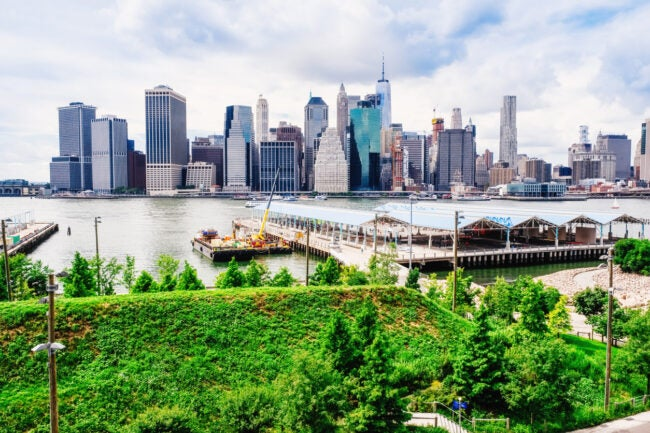
Urban dwellers know how vital verdant, open, and fitness-oriented spaces are to survival in the concrete jungle, and those who live in Brooklyn, N.Y., have Mercedes Ward to thank for much of theirs. As a landscape architect for the New York City Department of Parks and Recreation, Ward is responsible for redesigning, upgrading, and managing the borough’s parks and playgrounds. Prior to holding this position, the Penn State University graduate worked on residential, environmental, and economic sustainability initiatives for the city.
Ietef Vita
Like most rappers, Ietef “DJ Cavem” Vita spends ample time in the recording studio and on concert stages, but when Covid-19 put the kibosh on his touring plans, the vegan “father of eco-hip-hop” opted to empower the hungry. His mission? Mailing out thousands of kale, beet, and arugula seeds to urban farmers in cities across the country.
Vita’s efforts to help ease food shortages in disadvantaged areas might bring him a bushel of new fans in the process: His seed packets feature a QR code that let folks hear BIOMIMICZ, his latest album.
Leah Penniman
Teaching folks about their right to food sovereignty is the grassroots mission of activist Leah Penniman, co-director and farm manager of Soul Fire Farm. Penniman and her team spent 4 years enriching the soil and building infrastructure at the Upstate New York Afro-Indigenous community, which opened in 2010. From there, the author of Farming While Black expanded her reach to do it all, from educating farmers and presiding at food justice workshops to raising funds and distributing food to those in need throughout the Northeast.
Ron Finley
Fondly known as the Gangsta Gardener of Los Angeles, Ron Finley is dedicated to turning food deserts into fertile oases that feed the community. He planted his first “guerrilla garden” virtually in his own backyard of South Central, fully rehabilitating a strip of dead grass with squash, cabbage, and sunflowers. He now records Master Classes to share his agricultural philosophy and skills widely.
Devona Stevenson
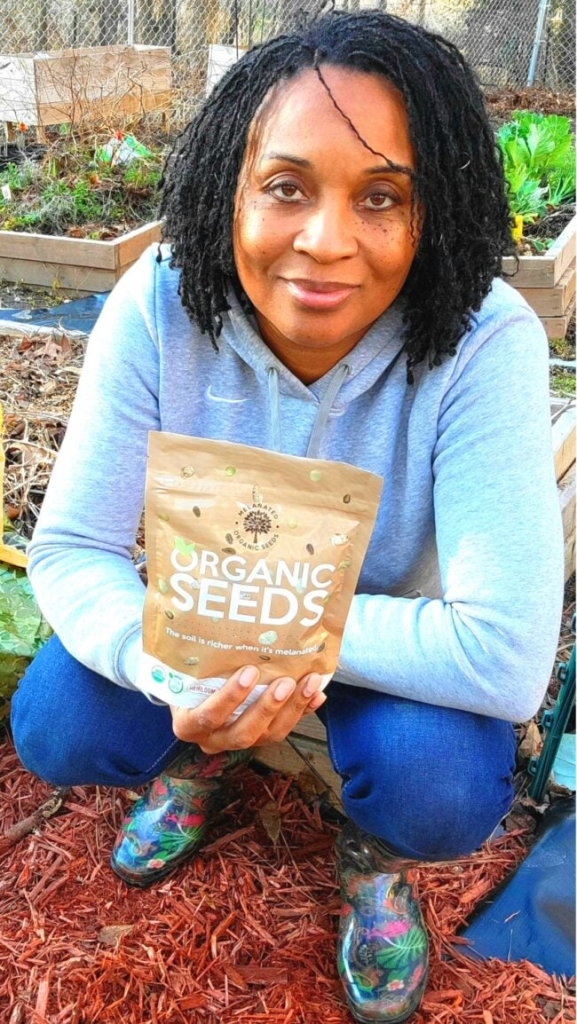
Although Devona Stevenson took up gardening as a personal pursuit, she was compelled to branch out during the pandemic, launching Melanated Organics. Once her business got off the ground, Stevenson started posting gardening trips on Instagram to inspire and educate others. Most recently, she elected to uproot herself from her native Florida to almost 2 acres in Georgia, where she’ll have more room to sow, grow, and harvest her own food.
4 skinless, boneless chicken breast halves, pounded to an even thickness
Preheat oven to 400 degrees F (200 degrees C). Line a baking sheet with aluminum foil and spray with cooking spray.
Step 2 Whisk bread crumbs, Parmesan cheese, paprika, salt, and black pepper together in a shallow bowl. Stir butter, white wine, mustard, and garlic together in another bowl.
Step 3Dip each chicken breast half into melted butter mixture; press into bread crumb mixture to evenly coat. Place breaded chicken in a single layer on the prepared baking sheet. Pat any leftover bread crumb mixture onto chicken breasts.
Step 4Bake chicken in the preheated oven until no longer pink in the center and the juices run clear, about 20 minutes. An instant-read thermometer inserted into the center should read at least 165 degrees F (74 degrees C).
Easy Taco Skillet
Ingredients
1 pound ground beef
1 onion, chopped
1 (14.5 ounce) can diced tomatoes
2 cups water
1 cup converted rice
1 (1 ounce) package taco seasoning
1 cup shredded Mexican cheese blend
1 cup shredded lettuce
Original recipe yields 4 servings
Directions
Instructions Checklist
Step 1 Heat a large skillet over medium heat; cook and stir beef and onion until beef is browned, about 5 minutes. Drain. Stir tomatoes, water, rice, and taco seasoning into beef mixture and bring to a boil. Reduce heat to medium-low, cover, and simmer until rice is tender, about 25 minutes.
Top with Mexican cheese blend and lettuce before serving.
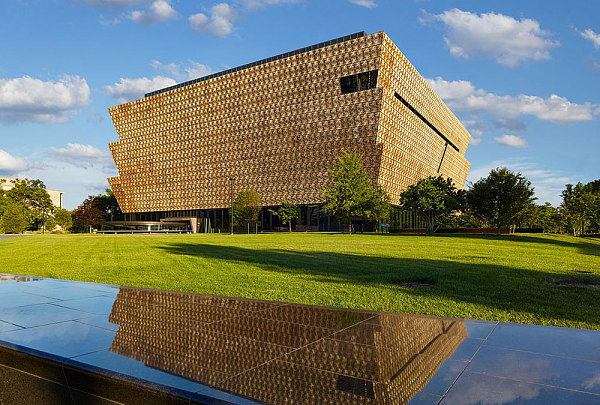
The National Museum of African American History and Culture is a place where all Americans can learn about the richness and diversity of the African American experience, what it means to their lives, and how it helped us shape this nation.
Highlights
Harriet Tubman’s hymnal; Nat Turner’s bible; A plantation cabin from South Carolina; Guard tower from Angola Prison; Michael Jackson’s fedora; and works by prolific artists such as Charles Alston, Elizabeth Catlett, Romare Bearden, and Henry O. Tanner.
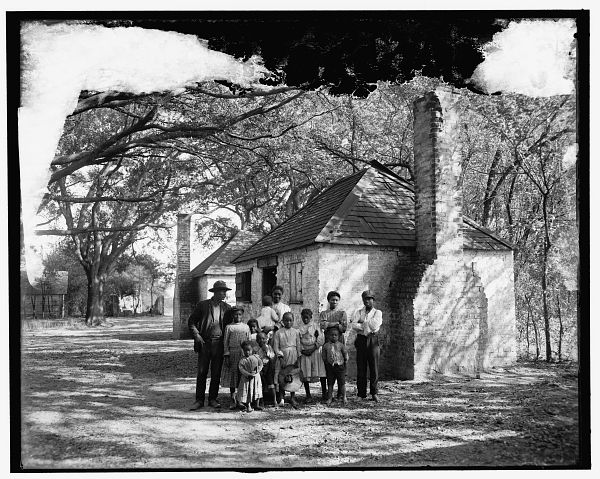
Family on plantation near Savannah, Georgia, late 1800s. Library of Congress, Prints and Photographs Division.
Make Good the Promises: Reconstruction and Its Legacies is a 4,300-square-foot exhibition exploring the Reconstruction era through an African American lens. It features more than 175 objects, 300 images, and 14 media programs. The exhibition explores the deep divisions and clashing visions about how to rebuild the nation after slavery. It connects that era to today’s efforts to make good on the promises of the Constitution.
In the aftermath of the Civil War, more than 4 million newly freed African Americans struggled to define themselves as equal citizens—to own land, to vote, to work for fair wages, build safe communities, educate themselves, and to rebuild families torn apart by slavery. Their aim during this period of Reconstruction was to live in a nation that kept the promises laid out in the U.S. Constitution. Black men were granted voting rights and were elected to political offices including seats in the U.S. Congress, Black families acquired land and started farms, and communities built churches and schools. But not everyone celebrated the end of slavery. Many responded with violence ranging from unlawful incarceration and voter intimidation to lynching and mass shootings.
Historians regard the Reconstruction era, from 1865 to 1877, as one of the least-understood periods in American history and a period filled with contradictions. Despite the passage of the 13th, 14th, and 15th amendments, which outlawed slavery, granted citizenship, and gave Black men the right to vote, racially motivated violence was prevalent and unfair labor practices created the system of sharecropping.
In March of 1865, Congress created the Bureau of Refugees, Freedmen, and Abandoned Lands, commonly known as the Freedmen’s Bureau. This federal agency operated in 15 states throughout the South to help the newly freed acquire land, reunite with their families, and establish schools, including a number of historically Black colleges and universities including Fisk, Howard, Morehouse, and Spelman. But the Freedmen’s Bureau was abolished in less than seven years and the Freedmen’s Bank allowed to fail. Gains African Americans made during Reconstruction were rolled back after white supremacists regained control of southern state governments through voter suppression and intimidation.
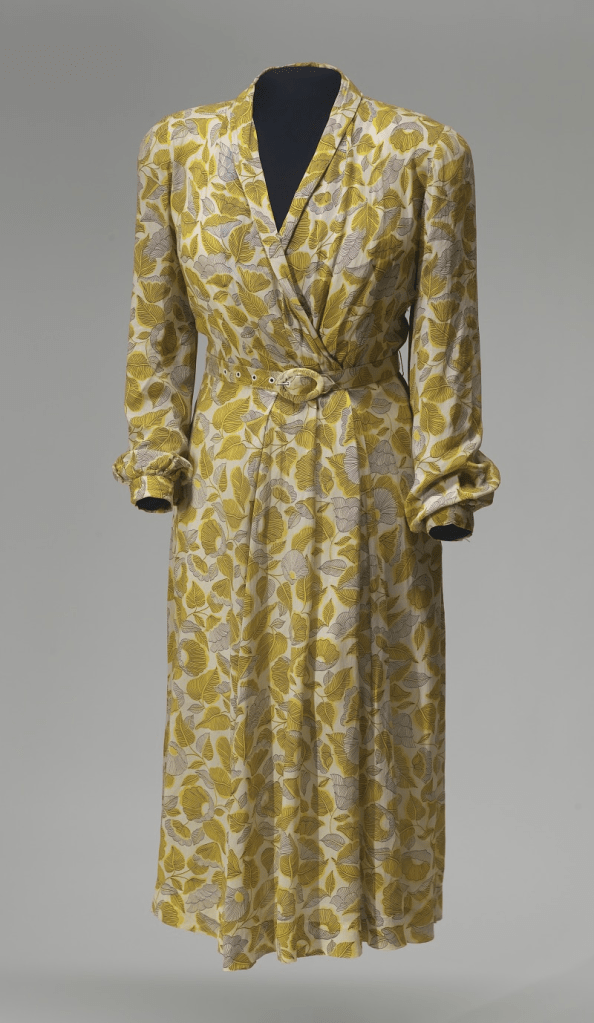
Description This dress (a) is a wrap style made from a plain weave viscose fabric with a printed design of dark brown and yellow flowers and leaves. The wrap effect is achieved by crossing the front bodice at the waist seam and gathered fabric on the proper left side of the waist. The skirt is flared with six (6) gores and three pleats in the skirt at the center front add further to the wrap effect. The set-in full length sleeves are gathered at a 1 1/4″ cuff that closes with two metal snaps.
The dress has a small shawl collar and a v-neck. The dress closes at the proper left side waist with a zipper. It is unlined, and the seams are pressed open with raw edges exposed. It is machine-sewn except for the hem, which is turned up 2 inches and hand stitched. There are two belt loops made of a thin yellow braid, one at each side seam, which hold the accompanying belt (b) in place.The belt (b) is made from the same fashion fabric as the dress, with a plain weave beige fabric backing.
The front and back of the belt are machine stitched around the edge, and a layer of interfacing between them provides some stiffening. The belt has an oval-shaped metal single-prong buckle covered in the dark brown and yellow floral fabric, and five (5) white grommets on the opposite end of the belt for an adjustable closure.Credit LineCollection of the Smithsonian National Museum of African American History and Culture,
Gift of the Black Fashion Museum founded by Lois K. Alexander-Lane 1955 – 1956 Object number 2007.3.1ab Restrictions & Rights No Known Copyright Restrictions Type dresses Medium synthetic fiber and metal Dimensions H x W x D: 47 1/2 × 16 3/4 × 1 1/4 in. (120.7 × 42.5 × 3.2 cm)Chest: 40 in. (101.6 cm)Waist: 28 1/4 in. (71.8 cm)Hem circumference: 78 in. (198.1 cm)Belt: 2 3/4 × 33 1/4 × 3/8 in. (7 × 84.5 × 1 cm)Place made Montgomery, Alabama, United States, North and Central America See more items in National Museum of African American History and Culture Collection Collection title Black Fashion Museum Collection Classification Clothing-Historical Movement Civil Rights Movement Exhibition Defending Freedom, Defining Freedom: The Era of Segregation, 1876-1968 On View NMAAHC (1400 Constitution Ave NW), National Mall Location, Concourse 2, C 2053 National Museum of African American History and Culture Topic African American American South Civil Rights Clothing and dress Resistant Segregation.S. History, 1953-1961 Urban life Women Record IDnmaahc_2007.3.1ab Metadata Usage (text)CC0GUID (Link to Original Record)http://n2t.net/ark:/65665/fd5ad115fb9-8591-47e8-b052-f35fdafbb604
Paris, French, founded 1885 Vincent Bach Corporation,
American, founded 1918 Owned by Louis Armstrong, American,
1901 – 1971
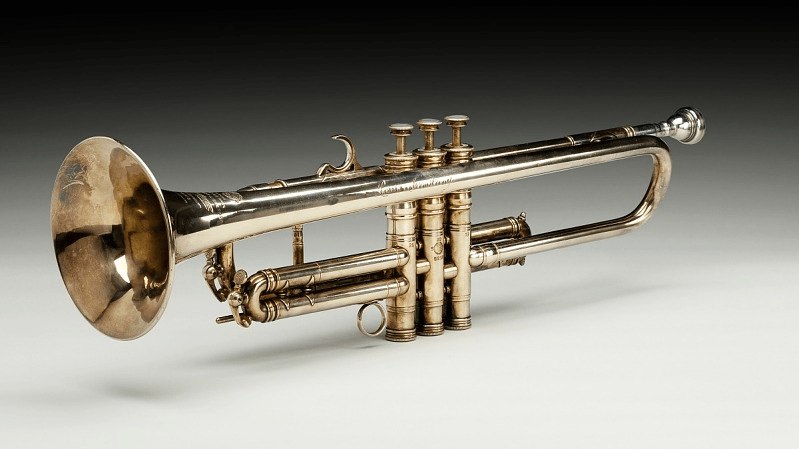
Caption This 1946 Henri Selmer B-flat custom-made and inscribed trumpet belonged to Louis Armstrong. Armstrong had been playing an earlier version of a Selmer trumpet since 1932. Even though he believed you could play a trumpet for a long time, he had the habit of playing his trumpets for approximately five years before he passed it on as a gift to a friend or colleague. In February 1946, Armstrong’s manager and close friend, Joe Glaser, wrote to Selmer Instrument Company and asked for a new trumpet custom-made for Armstrong’s use.
Selmer agreed and presented him with this inscribed Selmer B-flat trumpet. This personally inscribed trumpet was made only for Armstrong and was not mass produced.Description brass trumpet with mouthpiece and case. The trumpet has a Henri Selmer Paris inscription near the bell and valve case, and “Louis Armstrong” is engraved on the leadpipe.Credit LineCollection of the Smithsonian National Museum of African American History and Culture September 1946 Object number 2008.16.1-.3 Restrictions & Right No Known Copyright Restrictions Type musical instruments trumpets
Medium brass Dimensions H x W: 5 3/4 x 21 7/8 x 4 3/4 in. (14.6 x 55.6 x 12.1 cm)See more items in National Museum of African American History and Culture Collection Classification Musical Instruments National Museum of African American History and Culture Topics African American Jazz (Music)Record IDnmaahc_2008.16.1-.3 Metadata Usage (text)CC0GUID (Link to Original Record)http://n2t.net/ark:/65665/fd59839eca5-786d-4261-acf3-1d264ee3a271
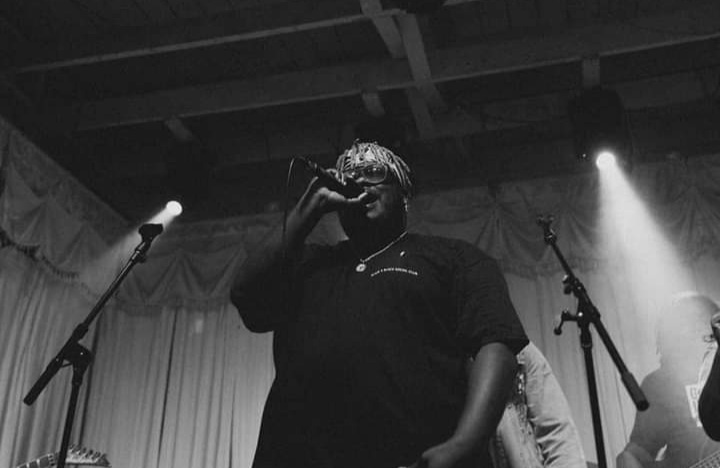
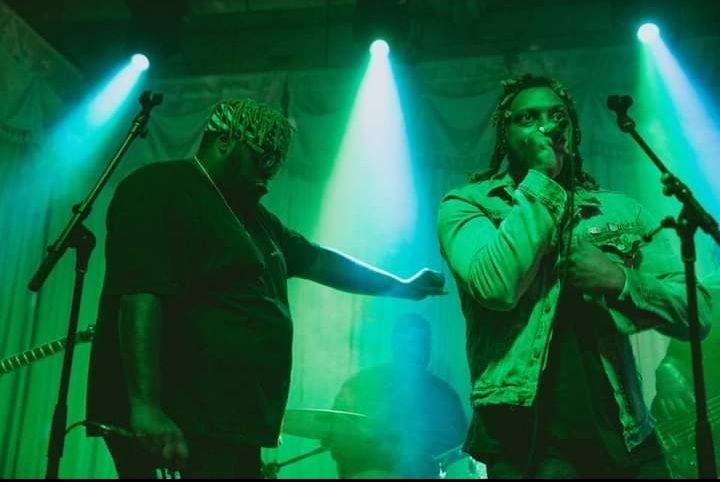
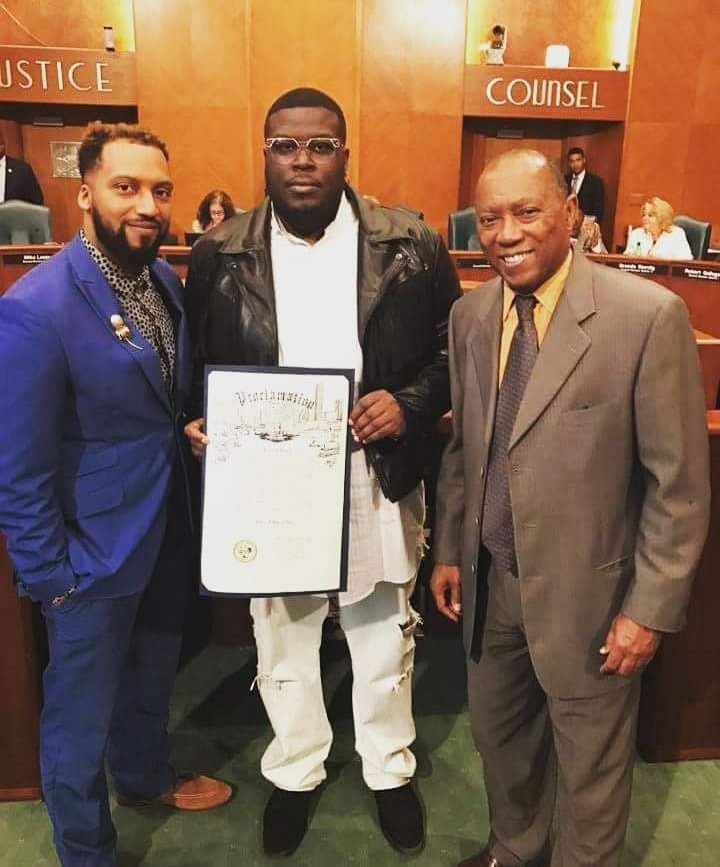
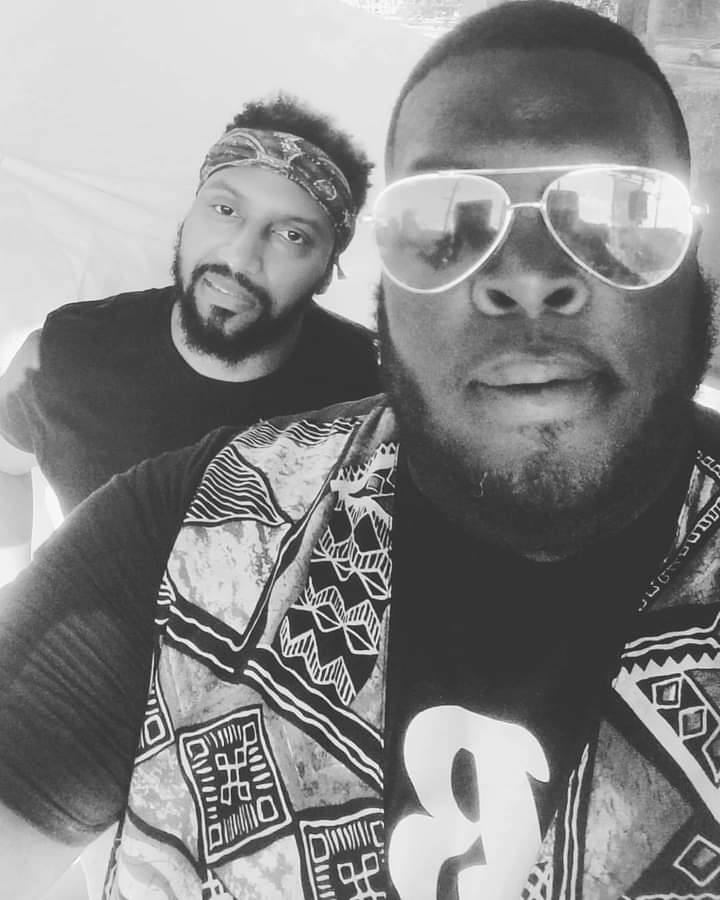
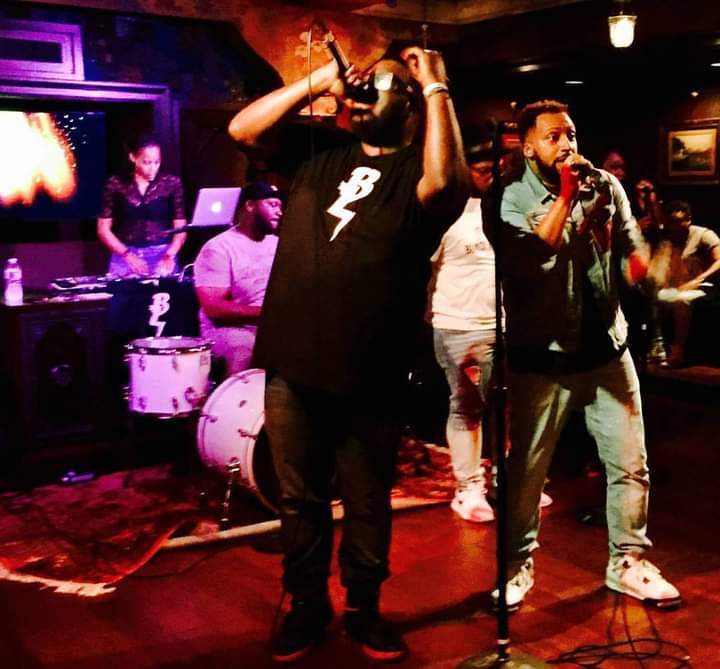
What can I say about this Duo from when I first met them back in 2013? They are just as energetic and entertaining as they were back then but with more awards and achievements than back then. Touring throughout the states along locally, they have been spreading their musical talents and people are loving it. You can Hear their music from ITUNES, Spotify and Amazon. Trust me they have a little bit of everything to please the people’s ears. I don’t think you can find a negative comment about their professionalism or drive to give people an amazing experience from their shows. Winning awards from Houston Press to WildHeart and those are just a few from the top of my head. These men are talented beyond the microphone and fans have no problem telling you how.
My personal opinion is to check them out and see what others are talking about. Trust and believe you will be entertained!
Black Farmer Box aims to create sustainable food system in Sunnyside
In the historically Black community of Sunnyside, in south Houston, two young Black farmers have created what they feel could become a sustainable and equitable model to help feed and reinvigorate food desert communities.
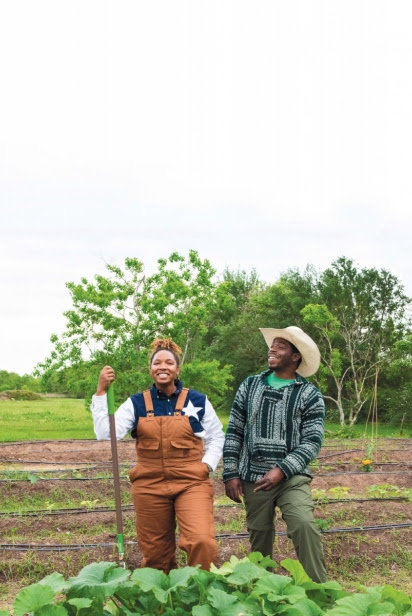
Ivy Walls of Ivy Leaf Farms and Jeremy Peaches of Fresh Life Organics met when Walls reached out to Peaches for help with her farm. Upon realizing that they were working on similar projects and had a similar vision to help the community in Sunnyside, the pair teamed up to create Black Farmer Box, a curated food box and growers’ program that aims to feed the community, empower its members to grow food for their families and as a business, and provide market outlets and visibility to Black and other minority farmers.
Walls moved to Sunnyside in early 2020, and soon realized that there was only one major grocery store for the area’s 20,000 residents— and the quality of the groceries was subpar. “Moving from a food oasis to a food desert was very shocking for me,” said Walls, who grew up in suburban Pearland.
More than 500,000 Houstonians live in areas like Sunnyside that the government has designated as food deserts, meaning communities that have little to no access to fresh foods and where residents often face chronic illnesses and food insecurity—issues that were exacerbated by the pandemic.
Walls started giving her Sunnyside neighbors produce that she was growing for herself and her family. “I would just go around saying ‘Hey, do you want a cucumber? Hey, do you want eggplant? Hey, do you want watermelon?” And people were just saying yes,” she said.
As Walls continued to grow food, the demand continued to be there, so Ivy Leaf Farms was born. Walls sold house plants, held pop-ups and started her own seed company to fund the farm so that she wouldn’t have to charge for produce. In August—the same month she left her job in public health to tend to the farm—she received a grant from Beyoncé’s Beygood Foundation and the NAACP to keep her effort going. But one person alone can’t feed a community, so Walls and Peaches joined forces to create a system that, along with other farmers, they hope can help do that. Hence, their motto: “Stronger together, fresher together.”
“We wanted to have a sustainable, equitable food system—not only for our communities, but for African American and minority farmers because we don’t actually have the true market outlets to sell our products that traditional communities [have],” said Peaches.
Jeremy Peaches, 28, was born in rural Mississippi but moved to Houston when he was 6. He grew up in Sunnyside and started getting involved in agriculture before graduating high school. Like Walls, he went to Prairie View University, where he was “the agriculture kid.” After college, he was back at his high school, Pro-Vision, where he built the largest aquaponics facility in Houston. Since 2016, he has been building urban gardens around Houston, educating youth, consulting, growing produce at his farm in Rosharon and working on various community projects.
At his warehouse at the Shrine of the Black Madonna, Peaches displays jars of pickled turnips to exemplify how Black Farmer Box can create business opportunities. The pickles were made by Curtis Lampley, a member of Blodgett Urban Gardens in Third Ward. Lampley started making pickles as a hobby, experimenting with all types of vegetables —okra, beets, jalapeños, squash—that he grew, purchased, or got from Peaches. People loved them and it got him thinking about selling them retail. It’s an example of how, by developing products that can go in Black Farmer Box or can be sold to restaurants or grocery stores, community members like Lampley are creating an enterprise instead of looking at farming or gardening simply as a hobby.
“We’ve been talking about food deserts for 10 to 15 years,” Peaches said. “Why are they food deserts? Grocery stores go to areas where consumers have money to buy their products. When you look at food deserts, the median household income may be $20,000 to $30,000, so a grocery store is not going to come. As we look at growing more food and gardening, we need to look at it from a business perspective or from a socioeconomic perspective because that’s the only way you can change the tide and make a community vibrant again.”
By paying farmers up front or taking their products on consignment, Black Farmer Box ensures that they get paid without having to rely on selling at farmers markets, which typically limits them to selling only on weekends and requires them to have people working the markets. Farmers also get marketing from being in the box and can form a direct relationship with the consumer. They also have a backyard growers’ program through which people in the community can learn how to grow food in their own backyards. Anyone who goes through the program can then sell what they grow back to the box.
Between November and January, Walls and Peaches curated four Black Farmer Boxes. Each box contained fresh, organic produce from their respective farms and other products, such as eggs, sea moss, honey and sauces from other Black or minority farmers and entrepreneurs. The January box, for instance, contained spicy salad mix, daikon radish, carrots, cabbage, tatsoi, eggs and lemonade. Unfortunately, the winter storm that struck the Texas region in February took a toll on the crops and on the farmers, bringing the boxes to a halt.
As of April, Walls and Peaches expected to release their next box in May. Walls had also just leased an additional 2.5 acres with a grant she received from Kellogg’s to expand food production for both Ivy Leaf Farms and Fresh Life Organics. The pair also partnered with Cropswap, a California-based app that connects sustainable farms and consumers, to help with the logistics of distributing the boxes. Through the app, consumers can order, pay and select whether they want to pick up the box at a specified location or have the box delivered to them. Buyers will also have the option to donate a box. Because Walls and Peaches can hire their own delivery drivers, the partnership gives them another opportunity to create jobs in the community.
Walls and Peaches hope that Black Farmer Box can become something that can be replicated in other food desert communities, but even by joining forces, they know they alone can’t feed the entire Sunnyside community, so their goal is to bring attention to the neighborhood in hopes that it gets a grocery store. “This shouldn’t be our reality,” said Walls. “It’s silly to think that there’s only one grocery store for upwards of 20,000 people.”
In the meantime, people can support their efforts by becoming more aware of their local food desert communities and supporting the farmers there. If people buy 10% to 15% of their produce from urban farmers and gardeners, that will also go a long way.
Said Peaches: “When you donate to us, you’re not donating to Jeremy Peaches or Ivy Walls, you’re creating a job for someone like [my brother] who manages this warehouse and has his own business, his own product, his own farm within a year of doing the Black Farmer Box. When people buy his eggs, he’s going back to feed his family. Now he’s a contributor to the community.”
Follow Ivy Walls on social media @IvyLeafFarms. Ivy Leaf Farms is located at 4506 Fuqua St., Houston. Follow Jeremy Peaches on social media @freshlifeorganic. For more information about Fresh Life Organic, visit freshlifehtx.com. See also blackfarmerbox.com
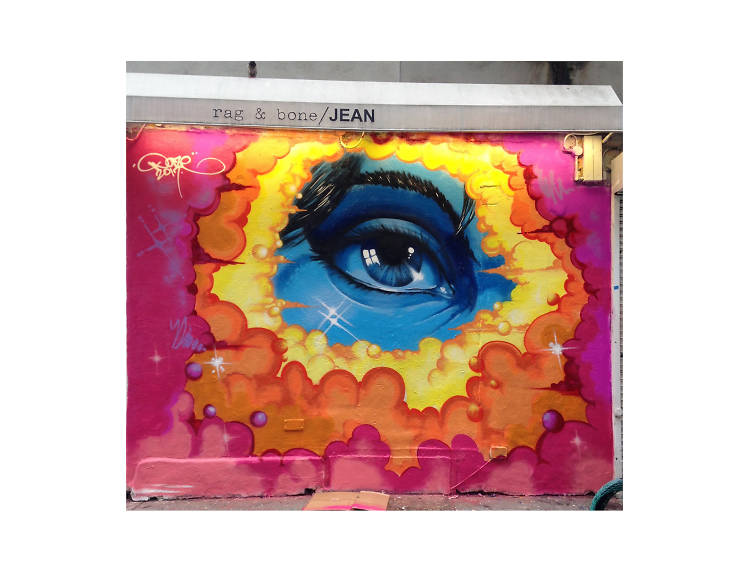
Art lovers around the world have come to appreciate the wonders of world-class street art. Whereas street art was once looked down upon, back when it was commonly known as graffiti and viewed as a nuisance, it has now become a desireable art form. In New York and elsewhere, street art has become an attraction as a host of cities offer their own developed street art trails for visitors to explore. More and more cities are encouraging famous street artists to visit and leave their mark as a way to breathe new life into forgotten neighborhoods. And of course some of the art world’s biggest names (with the auction prices to match) now come from the world of street art. But that doesn’t mean these masters’ best works can only be found at museums and in private collections, as countless incredible works remain on display in their natural settings, out in the public domain.
Unlike other forms of art, street art often results from unpredictable conditions and improvised workspaces, making it all the more impressive. This partially explains why some of the planet’s most esteemed museums and institutions have hosted career retrospectives by some of the street art world’s biggest names. However, given the fleeting nature of street art, it’s hard to be confident that these works will stand the test of time and last forever. So get out there, get inspired and pay your respects to these famous street artists. Who knows, after being captivated by such mind-blowing work, you may find yourself itching to try your hand at developing your own tag or decorating that empty wall with a cheeky mural.
1. Cornbread
Born Darryl McCray, Cornbread is generally acknowledged to be the first modern graffiti artist, who got his start tagging in Philadelphia during the late 1960s. The practice spread to New York, where taggers where especially known for targeting subway cars, but in a least one instance, McCray topped his NYC rivals: At age 17, he jumped a fence at the Philadelphia Zoo and spray painted “Cornbread Lives” on the side of an elephant.
2. Daze
Chris “Daze” Ellis tried to spray-paint his first subway car in 1976 at age 14, but because it was the middle of winter, the paint in the can froze. His subsequent attempts met with greater success and along with partners like John “Crash” Matos, he went on to paint hundreds of subway cars through the rest of the decade. By the 1980s he began showing his work in NYC’s alternative gallery scene, which led to a career in the art world. These days, he sticks to commissioned murals, and to canvases that he shows in galleries and museums around the world.
3. Dondi White
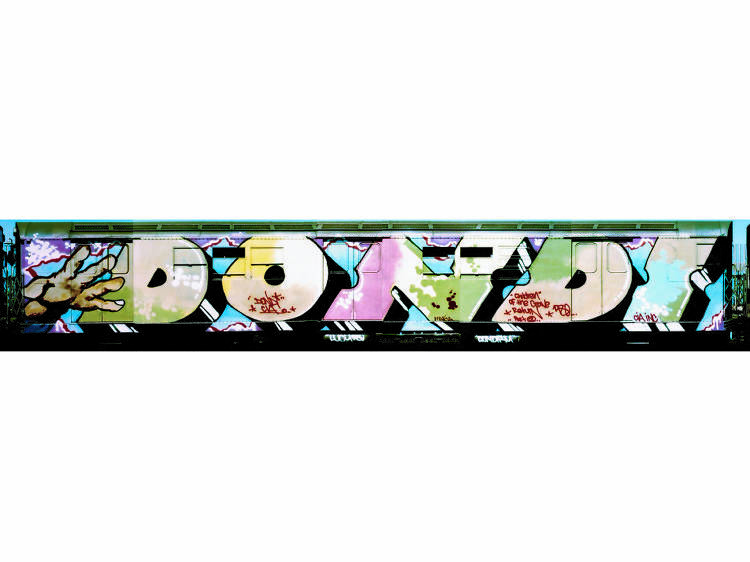
Coming out of the Brooklyn neighborhood of East New York, Donald Joseph “Dondi” White started tagging in the mid-1970s, developing a style of elaborate lettering mixed with pop-culture imagery. He was the first graffiti artist to show in Europe, where his work is in the collection of several museums. Though he died of AIDS in 1998, his work continues to inspire street artists today.
4. Tracy 168
When most people picture classic graffiti, the form known as Wild Style usually comes to mind. The technique involves dense layers of lettering pulled and twisted into angles or curves that are often embellished with arrows or other elements. The result has a baroque, spikey appearance, and is one of the most widely used types of graffiti to this day. Who was the artist who came up with it? Tracy 168, neé Michael Tracy. Tracy 168 became one to the most influential street artists of all time, as variations of Wild Style writing spread around the world. The first hip-hop motion picture, 1983’s Wild Style, took its title from Tracy’s creation, though, oddly, the artist himself didn’t appear in it. (He was, however, featured in the documentary film Just to Get a Rep from 2004). A mentor to many other street artists, including Keith Haring and SAMO, Tracy has had his work shown at the Brooklyn Museum, among other major institutions.
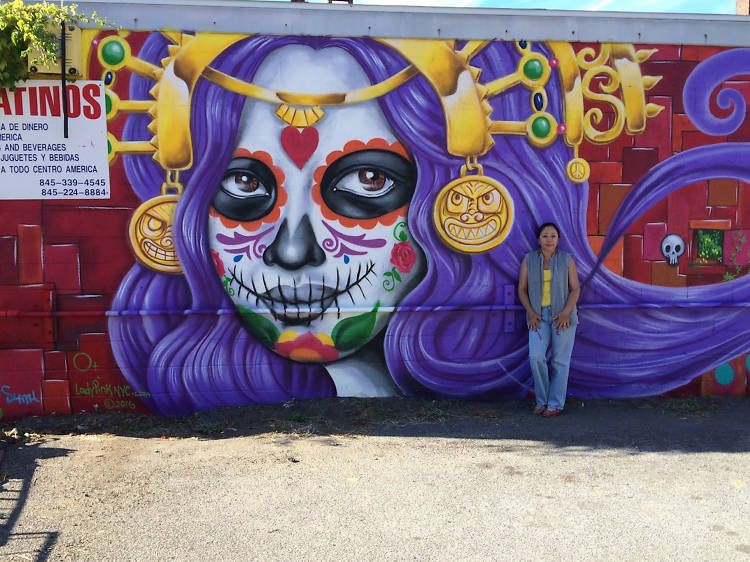
5. Lady Pink
One of the few women among the original graffiti artists of the 1970s and’80s, Lady Pink was born Sandra Fabara in Ecuador and raised in NYC, where she painted subway trains between 1979 and 1985. She starred in the hip-hop movie Wild Style in 1983, and, in 1985, moved into exhibiting in galleries and collaborating with art-world figures like Jenny Holzer. Her works, know for their strong feminist/latina edge, resides in the collection of such major institutions as Whitney Museum, The Metropolitan Museum New York City, the Brooklyn Museum and the Groningen Museum in the Netherlands.
6. Jean-Michel Basquiat (SAMO)
Among the most famous contemporary artists of all time, Jean-Michel Basquiat (who was so hot in the art world of the 1980s, that Warhol felt compelled to horn in on his act with a proposal for a collaborative project) actually started out in 1976 as a graffiti artist. Part of a duo operating under the tag SAMO, Basquiat stuck mainly to writing enigmatic, epigrammatic messages on walls in Lower Manhattan. In 1980 at age 20, he turned to studio painting, beginning a meteoric rise to art stardom. Born in Brooklyn to a Haitian father and Puerto Rican mother, Basquiat died in 1988 of a heroin overdose, but his reputation lives on: In 2017, one of his canvases fetched $110,487,500—the most ever for a work by an American artist—surpassing the previous record-holder, Andy Warhol.
7. Keith Haring
Another art superstar who started in the streets, Keith Haring was born in Reading, PA, but grew up in nearby Kuntztown. His father was an engineer and an amateur cartoonist, which likely inspired Haring’s career. Unlike most graffiti artists, Haring went to art school, moving to New York to study at the School of Visual Arts (SVA). Shortly thereafter, he started working in the subways. He began drawing in chalk inside the spaces reserved for ads in the stations; when empty, these areas were covered with sheets of black paper, which essentially became Haring’s canvases as he began to work out the pop iconography—radiant babies, dancing figures, flying saucers—that brought him fame. He died of AIDS in 1990 at 31.
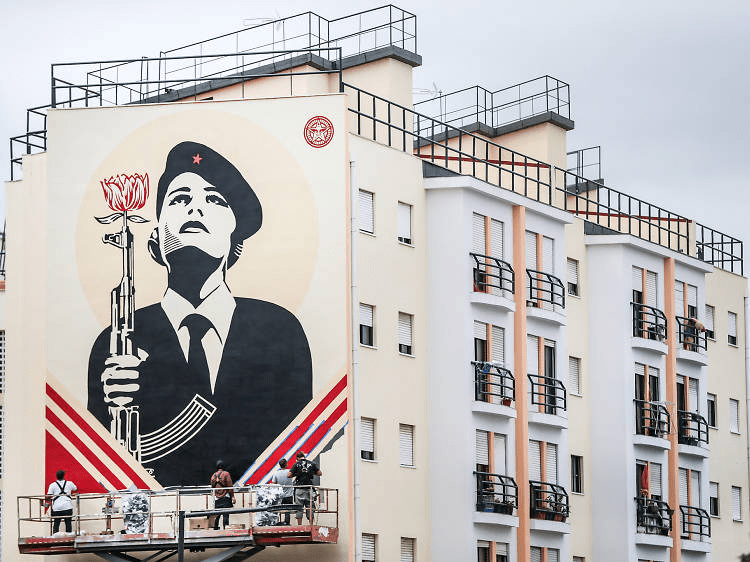
8. Shepard Fairey
In 1989, a skateboarding enthusiast and Rhode Island School of Design student named Shepard Fairey started to post stickers featuring the face of the famed professional wrestler, André the Giant around NYC. “André the Giant Has a Posse,” it read, much to the bewilderment of passersby who saw it on the streets and in the subway. The message was soon simplified to “Obey Giant,” which found its way onto t-shirts and posters. Thus began the career of one of most famous and successful street artists in the world. Fairey has since created something of a street art empire, with a fashion line and major commissions for murals in the United States and abroad. Known for eye-grabbing imagery and typography, Fairey’s work is often political in nature, delivering his antiwar, pro-environment and pro-human rights agenda in a style that deliberately evokes propaganda—as in his most enduring claim to fame, the Barack Obama “Hope” poster Fairey created during the 2008 Presidential campaign.
9. Banksy
Though Shepard Fairey is world-famous, Banksy is arguably more so, which is remarkable given that he works anonymously (though his real name is rumored to be Robin Gunningham). The British artist, political activist and filmmaker emerged in Bristol as part of a underground art and music scene during the early- to mid-1990s. Toward the end of the decade, he began to spray paint stenciled images that mixed pop-cultural references and subversive political themes on walls and bridges around Bristol and London (he has since gone world-wide). In 2010, he directed the film, Exit Through the Gift Shop, the story of a French emigré obsessed with street art; in 2015, he opened an amusement-park/installation piece called Dismaland, which closed after a month. Needless to say, Banksy’s notoriety has served him well on the art market, where his work has sold in the high six-figures. This in turn has generated collector interest in other street artist—a phenomenon that has come to be known as the “Banksy effect.”
10. Os Gemeos
Os Gemeos, Portugese for “the twins,” is the name of brothers Brothers Gustavo and Otavio Pandolfo—who are, yes, identical twins. The Pandolfos, who hail from São Paulo, Brazil, started out break dancing in the São Paulo hip-hop scene before gravitating towards street art in the late 1980s. Their murals feature bold, cartoonish figures with yellowish faces (inspired, apparently, from the yellow tint that colors both brothers’ dreams. Os Gemeos also has a significant studio practice where they create paintings, sculptures and installations specifically for gallery exhibitions, though they make no distinctions between street or gallery art.
11. JR
Starting out as a teenage tagger in Paris 20 years ago, the pseudonymous French artist JR has gone on to achieve global acclaim, winning the TED Prize in 2011 and appearing on 60 Minutes and the cover of the New York Times Magazine. His brand of socially conscious street art consists of posting mural-size photographic images on walls—sometimes with permission, sometimes without—around the world. His most notable efforts include putting portraits of Israelis and Palestinians on opposite sides of the Separation Barrier dividing Jewish settlements in the Occupied Territories from their Palestinian neighbors and printing self-portraits of thousands of people from around the world to post in their local communities.
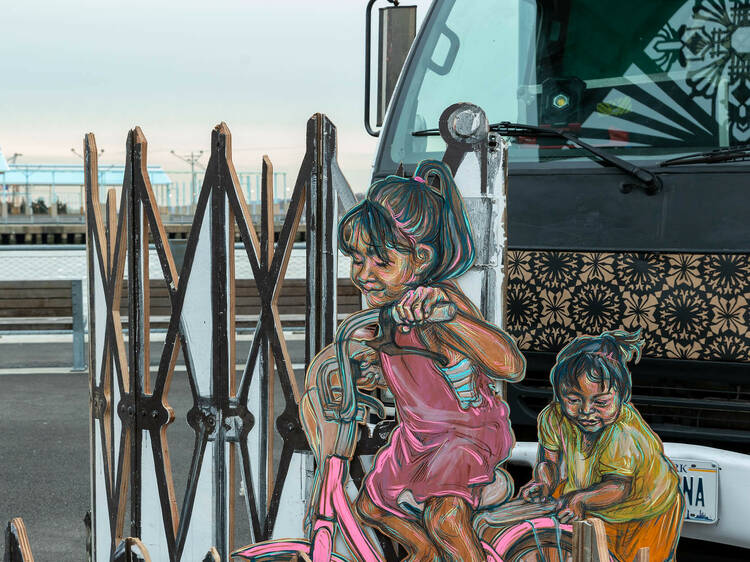
12. Swoon
Swoon (neé Callie Curry) has exhibited her work in museums and galleries, but she is best known for large, intricately cut and pasted paper murals made from recycled newsprint which she began to create in 1999. Citing influences from German Expressionism to Indonesia shadow puppets, Swoon often depicts friends and family and prefers abandoned buildings, bridges, fire escapes, water towers and street signs as places to site her work.
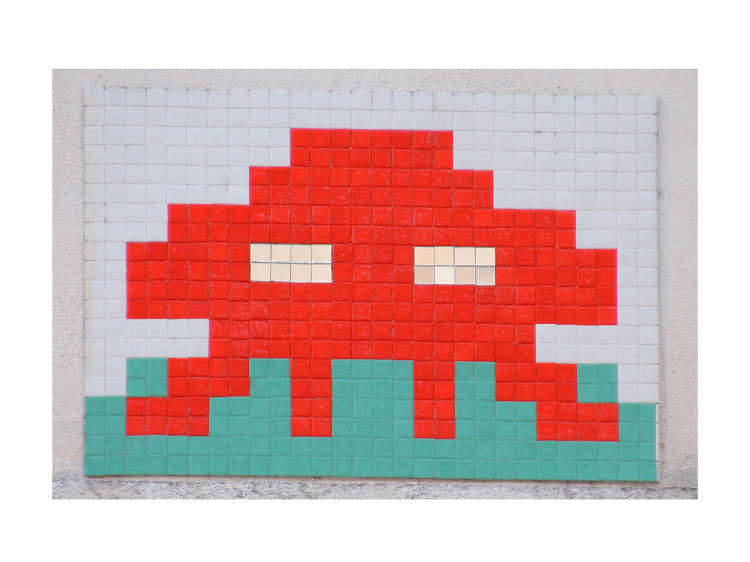
13. Invader
Although street art is usually associated with spray paint, the French artist working under the pseudonym Invader uses a very different material: Ceramic tile. Inspired by the video games he played as a youngster during the 1970s and ’80s, Invader creates mosaic images out of tiles to recall the eight-bit pixels of early computer graphics—most especially, his signature motif: The Pac-Man-like alien featured in the video game classic, Space Invaders (from which the artist also takes his name). Although Invader works incognito, it’s known that his real name is Franck Slama and that he attended the École des Beaux-Arts in Paris. The French capital is also where he first began to mount his mosaics on the sides of building in the 1990s. Since then, he’s taken his “invasions,” as he calls his street art forays, worldwide to cities such as Hong Kong, Los Angeles, Manchester, Bilbao and New York, where he created a six-foot-tall image of Joey Ramone in 2015. Invader has also created QR code mosaics out of black-and-like tiles that can be decoded with a smartphone app, (one such message read, “This is an invasion”). In addition to street art, Invader creates two- and three-dimensional works out of Rubik’s Cubes in a style he calls Rubikcubism.




















 HPS Magazine