Mr. Glaude was at one point in time the member of a duo group called VX that was featured with us back in 2013. Since then he has broaden his talents into film. Directing and Producing to be exact. I personally recommend his films:
Blink- on Amazon, ITunes,Google Play.
The Reading Row BKS Best kept secret Pit Stop
I’m not big on scary films. I’m a proud chicken and not afraid to admit that but I do have to say I like his films and I look forward to his next ones, even though I know its going to bring the chicken clucking out of me I’m looking forward to seeing what else he brings to the big screen for our viewing. If you want to check out more about this Houston native please go to….
Sibling abuse is the most common but least reported abuse in the family. Prevalence is higher than spousal or child abuse combined with consequences well into adulthood similar to parent-child abuse. Often labeled rivalry and ignored, sibling bullying and abuse cause real trauma.
Sibling abuse is the most common but least reported abuse in the family. Prevalence is higher than spousal or child abuse combined with consequences well into adulthood similar to parent-child abuse. Up to 80 percent of youth experience some form of sibling maltreatment; yet, it’s been called the “forgotten abuse.” [1] Therapists also frequently overlook it. Usually, the perpetrator is an older child (often the eldest) exploiting the emotional dependence and weakness of a younger sibling. Girls are at greater risk of abuse, generally by an older brother. When a brother abuses a sister, it often involves physical or sexual abuse. Sisters abuse one another also.
Lack of Reporting
Under-reporting is predominantly due to societal denial of the seriousness of the problem. There is no definition of sibling abuse or laws governing it (except for some sexual abuse laws.) Resources for families are also lacking. Parents have no support and are misinformed. Many expect sibling conflict and fighting. Hence, they typically overlook abuse and confuse it with sibling rivalry. When they don’t protect the victim, it constitutes a second wound–first inflicted by the sibling, then by the parent.
Sibling Rivalry
Sibling rivalry and abuse are different. Squabbles, jealousy, unwillingness to share, and competition are normal sibling behaviors. Fighting between equals can be, too. Rivalry is reciprocal and the motive for is for parental attention verses harm and control. Rather than an occasional incident, abuse is a repeated pattern where one sibling takes the role of aggressor toward another who consistently feels disempowered. It’s often characterized by bullying. Typically, an older child dominates a younger or weaker sibling, who naturally wants to please his or her sibling. Unlike rivalry, the motive is to establish superiority or incite fear or distress. Intent and the degree of severity, power imbalance, and victimization element are all factors to be considered. Inappropriate parental discipline or ineffective attempts to respond to rivalry or abuse can compound the problem by the lack of consequences or by targeting one child. When parenting is toxic, such as when it’s overly strict or abusive, the perpetrator often vents his or her rage on the younger sibling.
Types of Abuse
Abuse may be physical, psychological, or sexual, and can be expressed through seemingly benign behaviors, including ordering, manipulation, poking, or tickling. It’s damaging when there is persistent emotional abuse, teasing, denigration, or physical harm by one sibling on another.
Emotional abuse
Emotional abuse between siblings is common, but is difficult to research. However, its effect should not be underestimated. Emotional abuse includes name calling, belittling, teasing, shaming, threats, intimidation, false accusations, provocation, and destroying a sibling’s belongings. The abuser may use manipulative tactics, such as playing the victim, deceit, threats, withholding, bribes, stonewalling, or trickery in order to exploit and gain an advantage over a younger child.
Physical abuse
Physical abuse is the deliberate intent to cause physical harm or injury. It includes rough and violent behavior, pinching, choking, biting, slapping, tickling, hair-pulling, physical restraint (such as pinning down), shoving), and may include weapons.
Sexual abuse
More than one-third of sex offenses against children are committed by other minors―93% are brothers abusing younger sisters. [2] Sexual abuse is distinct from age-appropriate curiosity. It may involve nurturing without the use of force. Behaviors include fondling, lewd acts intended to cause sexual arousal (that needn’t be on bare skin) masturbation, unwanted sexual advances, or forcing a sibling to view porn. Victims are usually sworn to silence and have no one to turn to. As they mature, they resist ongoing sexual violations, offenders use threats of exposure or retaliation to ensure secrecy. When parents are told, victims aren’t believed or are met with hysteria rather than empathy. Often, parents are in denial and doubt the victim’s story to protect themselves and the perpetrator.
Risk Factors
Sibling abuse is a symptom of a dysfunctional family in an environment of family stressors, such as marital conflict, financial stress, family disorganization and chaos, and lack of resources. Parents are unable to manage their own emotions and model appropriate communication and behavior. They can’t be present for their children’s needs and feelings. These are factors that make sibling abuse more likely
A hierarchical family structure, where one spouse controls the other, and older siblings mimic that authoritarian behavior and attitude toward younger siblings
Gender and birth order matter. First-born children are more likely to be offenders. Younger females are more often victims. Siblings close in age or an older brother-younger sister pair are risk factors.
Children with a conduct or mood disorder or ADHD are more predisposed to violence.
The offender has experienced abuse, has an aggressive temperament, lacks empathy for victims, has lower or higher self-esteem than peers, or has unmet needs for physical contact
The affects of sibling abuse mirror parent-child abuse and have a long-term negative impact on survivors’ sense of safety, well-being and interpersonal relationships. Victims of all ages experience internalized shame, which heightens anger, fear, anxiety, and guilt. Both victims and perpetrators often have low self-esteem, anxiety, and depression. Children may complain of headaches, stomachaches, and bowel, eating, and sleep disorders. Some have development delays or social and academic difficulties in school. They may run away or stay for periods at friends’ homes. Victims may engage in substance abuse, self-harm, or delinquent behavior. Abuse causes fear of the perpetrator that may lead to PTSD and produce nightmares or phobias.
Survivors continue to struggle into adulthood with shame, depression, boundaries, low self-esteem, PTSD, loneliness, hopelessness, and drug abuse. They may have somatic complaints, fear the dark, and have sleep and eating disorders. Survivor trauma accumulates “Adverse Childhood Experiences,” which are linked to codependency and negative health as adults.
Survivors’ low self-esteem, lack of assertiveness, and inability to protect themselves lead to difficulties resolving conflict at work and in intimate relationships. They’re confused about boundaries and what constitutes a healthy relationship. They may become aggressive or develop codependent, pleasing behaviors and repeat their accommodating, submissive, victim role in adult relationships. Having been betrayed by a sibling and parent (through lack of protection), they’re distrustful and fear dependence and vulnerability. They may be hypervigilant and emotionally unavailable or attract someone who is. Consequentially, they seek self-sufficiency and independence because they perceive depending on someone as dangerous. This leads to intimacy problems, loneliness, and isolation.
Long-term effects of sexual abuse include excessive self-loathing, guilt, anxiety, confusion, difficulty with sustaining long-term intimate relationships, vulnerability to sexual re-victimization, suicide, delinquency or criminality, and promiscuity or fear of sex. Therapy is recommended to work through trauma. Clients should present the issue, because most healthcare providers underestimate the impact of sibling abuse and don’t ask about it.
James Van Der Zee developed a passion for photography as a youth and opened up his own Harlem studio in 1916. Van Der Zee became known for his detailed imagery of African American life, and for capturing celebrities such as Florence Mills and Adam Clayton Powell Jr. Following hard financial times, Van Der Zee enjoyed a resurge in his career during his later years.
Early Life and Career
James Augustus Van Der Zee entered the world on June 29, 1886, in Lenox, Massachusetts, the second of six siblings born to Elizabeth and John Van Der Zee. The Van Der Zee children were great students in general, and James learned how to play the piano and violin as a youth. He later developed a passion for photography and took pictures for his high school.
With his brother Walter, James Van Der Zee departed for Harlem, New York, in 1906; once there, he held jobs as a waiter and elevator operator. He married Kate Brown in 1907 and the newlyweds moved to Virginia, where Van Der Zee would do photography work for the Hampton Institute. After welcoming their first child, the couple moved back to New York in 1908 (they would eventually split in 1915).
For several years, Van Der Zee put his musicianship to use, playing with Fletcher Henderson’s band and the John Wanamaker Orchestra while also working as a piano and violin teacher.
Van Der Zee obtained a job as a darkroom assistant in a New Jersey department store, and by 1916, he had opened his own Harlem studio, Guarantee Photo. He eventually renamed his workplace GGG Studio, after his second wife, Gaynella Greenlee (they wed in 1920).
Photographing Harlem Life
The Harlem Renaissance was in full swing during the 1920s and ’30s, and for decades, Van Der Zee would photograph Harlemites of all backgrounds and occupations, though his work is particularly noted for its pioneering depiction of middle-class African American life. He took thousands of pictures, mostly indoor portraits, and labeled each of his photos with a signature and date, which would prove to be important for future documentation.
Although Van Der Zee photographed many African American celebrities—including Florence Mills, Hazel Scott and Adam Clayton Powell Jr.—most of his work was of the straightforward commercial studio variety: weddings and funerals (including pictures of the dead for grieving families), family groups, teams, lodges, clubs, and people simply wanting to have a record of themselves in fine clothes. He often supplied props or costumes and took time to carefully pose his subjects, giving the picture an accessible narrative.
Van Der Zee’s photos sometimes contained special effects from the result of darkroom manipulation. In one image, a 1920 photograph titled “Future Expectations (Wedding Day),” a young couple is presented in bride and groom finery, with a ghostly, transparent image of a child at their feet.
Financial Hardships and a New Renaissance
With the advent of personal cameras in the middle of the century, the desire for Van Der Zee’s services dwindled; he procured less and less commissions, though he maintained an alternative business in image restoration and mail order sales. He and Greenlee were of very limited means when, in 1969, the Metropolitan Museum of Art mounted an exhibition featuring Van Der Zee, Harlem on My Mind, bringing the photographer and his work renewed attention.
Nonetheless, Van Der Zee and his wife still faced financial difficulties; after they were evicted from their Harlem residence, they relocated to the Bronx. Greenlee died in 1976, and Van Der Zee was reported to be living in squalor and poor health. Art gallery director Donna Mussenden took up his cause, starting to structure his home space and organize public appearances, and the two married in 1978. Revitalized, Van Der Zee worked with a new wave of celebrity as an in-demand photographer; some of the luminaries he captured this go-around include Bill Cosby, Lou Rawls, Cicely Tyson and Jean-Michel Basquiat.
In 1981, Van Der Zee filed a suit to reclaim more than 50,000 images from the Studio Museum of Harlem, the rights to which he had signed away after his eviction. The case would be settled posthumously, with half of the work being returned to the photographer’s estate, and the remainder being retained by the museum and the James Van Der Zee Institute.
Van Der Zee received several accolades upon his return to the spotlight; among his honors, he became a permanent fellow of the Metropolitan Museum of Art and received a Living Legacy Award from President Jimmy Carter. After receiving an honorary doctorate from Howard University, Van Der Zee died of a heart attack at age 96, on May 15, 1983, in Washington, D.C. His work has continued to be celebrated for the past several years, with special exhibitions honoring his legacy.
Born in Florida in 1892, Augusta Savage began creating art as a child by using the natural clay found in her hometown. After attending Cooper Union in New York City, she made a name for herself as a sculptor during the Harlem Renaissance and was awarded fellowships to study abroad. Savage later served as a director for the Harlem Community Center and created the monumental work The Harp for the 1939 New York World’s Fair. She spent most of her later years in Saugerties, New York, before her death from cancer in 1962.
Early Life
Savage was born Augusta Christine Fells on February 29, 1892, in Green Cove Springs, Florida. Part of a large family, she began making art as a child, using the natural clay found in her area. Skipping school at times, she enjoyed sculpting animals and other small figures. But her father, a Methodist minister, didn’t approve of this activity and did whatever he could to stop her. Savage once said that her father “almost whipped all the art out of me.”
Despite her father’s objections, Savage continued to make sculptures. When the family moved to West Palm Beach, Florida, in 1915, she encountered a new challenge: a lack of clay. Savage eventually got some materials from a local potter and created a group of figures that she entered in a local county fair. Her work was well received, winning a prize and along the way the support of the fair’s superintendent, George Graham Currie. He encouraged her to study art despite the racism of the day.
Trailblazing Career in Art
After a failed attempt to establish herself as a sculptor in Jacksonville, Florida, Savage moved to New York City in the early 1920s. Although she struggled financially throughout her life, she was admitted to study art at Cooper Union, which did not charge tuition. Before long, the school gave her a scholarship to help with living expenses as well. Savage excelled, finishing her course work in three years instead of the usual four.
While at Cooper Union, she had an experience that would greatly influence her life and work: In 1923, Savage applied to a special summer program to study art in France, but was rejected because of her race. She took the rejection as a call to action and sent letters to the local media about the program selection committee’s discriminatory practices. Savage’s story made headlines in many newspapers, although it wasn’t enough to change the group’s decision. One committee member, Herman MacNeil, regretted the ruling and invited Savage to further hone her craft at his Long Island studio.
Savage soon started to make a name for herself as a portrait sculptor. Her works from this time include busts of such prominent African Americans as W. E. B. Du Bois and Marcus Garvey. Savage was considered to be one of the leading artists of the Harlem Renaissance, a preeminent African American literary and artistic movement of the 1920s and ’30s.
Eventually, following a series of family crises, Savage got her opportunity to study abroad. She was awarded a Julius Rosenwald fellowship in 1929, based in part on a bust of her nephew entitled Gamin. Savage spent time in Paris, where she exhibited her work at the Grand Palais. She earned a second Rosenwald fellowship to continue her studies for another year, and a separate Carnegie Foundation grant allowed her to travel to other European countries.
Savage returned to the United States while the Great Depression was in full swing. With portrait commissions hard to come by, she began teaching art and established the Savage Studio of Arts and Crafts in 1932. In mid-decade, she became the first Black artist to join what was then known as the National Association of Women Painters and Sculptors.
Savage assisted many burgeoning African American artists, including Jacob Lawrence and Norman Lewis, and lobbied the Works Projects Administration (WPA) to help other young artists find work during this time of financial crisis. She also helped found the Harlem Artists’ Guild, which led to a directorial position at the WPA’s Harlem Community Center.
World’s Fair Commission
Savage was then commissioned to create a sculpture for the 1939 New York World’s Fair. Inspired by the words of the poem “Lift Every Voice and Sing,” by James Weldon Johnson (who had also previously modeled for Savage), she created The Harp. Standing 16 feet tall, the work reinterpreted the musical instrument to feature 12 singing African American youth in graduated heights as its strings, with the harp’s sounding board transformed into an arm and a hand. In the front, a kneeling young man offered music in his hands. Although considered one of her major works, The Harp was destroyed at the end of the fair.
Having lost her directorial position at the Harlem Community Center while working on The Harp, Savage sought to create other art centers in the area. One notable work from this period was The Pugilist (1942) — a confident and defiant figure who appears prepared to take on whatever might come his way — but she grew frustrated over her struggles to reestablish herself. In 1945, she left the city and moved to a farm in Saugerties, New York.
Later Years, Death and Legacy
Augusta Savage spent most of her remaining years in the solitude of small-town life. She taught children in summer camps, dabbled in writing and continued with her art as a hobby.
Savage was married three times: The first was in 1907 to John T. Moore, with whom she had her lone child, Irene. Moore died some years afterward. Around 1915, she married carpenter James Savage, a union that ended in divorce. In 1923, she married Robert Lincoln Poston, an associate of Marcus Garvey’s, but was again widowed when he passed away the following year. When Savage became ill late in life, she moved back to New York City to be with her daughter and her family.
Savage died of cancer on March 26, 1962, in New York City. While she was all but forgotten at the time of her death, Savage is remembered today as a great artist, activist and arts educator, serving as an inspiration to the many that she taught, helped and encouraged.
If you have experienced sexual violence and are seeking help or would like more information, call 1-888-772-7227 in Pennsylvania, or call the Rape, Abuse & Incest National Network (RAINN) at 1-800-656-4673 from anywhere in the U.S.
Physical safety Make sure the person is in a safe place. Be there emotionally for them and encourage reaching out for additional support. Contact your local rape crisis center for free and confidential counseling and support or call the National Sexual Assault Hotline at 1-800-656-4673 (HOPE).
Medical attention A medical exam can reveal injuries that may not be visible. Hospital staff can also provide treatment for possible sexually transmitted diseases (STDs), medication to prevent pregnancy (emergency contraception), and perform an exam to collect evidence if the assault happened within five days. Hospitals may have different policies around the time frame for an exam.
Reporting the Assault If the victim goes to the hospital, the hospital will most likely report the crime to the police. However, the victim does not have to talk to the police in order to get a forensic exam.
The victim can decide later whether or not to talk to police. Victims older than 18 years old have 12 years to report sexual assault in Pennsylvania. Victims younger than 18 years old can report the abuse until they turn 50, or 32 years after their 18th birthday regardless of when the abuse occurred. Once a report to law enforcement has been made,
the Commonwealth of Pennsylvania, through the county prosecutor or district attorney’s office, can chose to file criminal charges against the perpetrator. Even if report has been made, it is ultimately up to the prosecutor’s office to decide whether or not to move forward with a case. During the decision process, the prosecutor is evaluating: if the crime occurred; what can be charged under Pennsylvania’s criminal law; and whether or not the crime can be proven beyond a reasonable doubt.
Counseling 1 in 6 boys experience child sexual abuse before the age of 18, and 1 in 71 adult men experience rape.
Victims and others in their life may need help dealing with feelings they experience after a sexual assault impacts their lives. Sexual assault is a serious crime, and is known to have short- and long-term effects on victims and those who love and care for them.
If you are a victim of sexual violence seeking assistance or would like more information, please call 1-888-722-7227 in Pennsylvania or contact the Rape, Abuse & Incest National Network (RAINN) at 1-800-656-4673 from anywhere else in the United States.
How you can help Effective communication is important to a victim’s wellbeing. If you are wondering what you can do, here are some suggestions:
• Remain calm. You may feel shocked or outraged, but expressing these emotions to the victim may cause confusion or discomfort.
• Believe the victim. Make it clear that you believe the assault happened and that the assault is not her or his fault.
• Give the victim control. Control was taken away during the assault. Empower the victim to make decisions about what steps to take next, and try to avoid telling her or him what to do.
Be available for the victim to express a range of feelings: crying, screaming, being silent, etc. Remember, the victim is angry with the person who assaulted her or him and the situation, not with you. Just be there to listen.
• Assure the victim of your support. She or he needs to know that regardless of what happened, your relationship will remain intact.
Avoid making threats against the suspect. Threats of harm may only cause the victim to worry about your safety and risk of arrest.
• Maintain confidentiality. Let the victim decide who to tell about the assault.
• Encourage counseling. Give the victim the hotline number for the nearest rape crisis center, but let the victim decide whether or not to call.
• Ask before offering physical support. Asking “Can I give you a hug?” can re-establish the victim’s sense of security, safety, and control.
• Say what you can guarantee. Don’t make promises you can’t keep, such as saying the victim will never be hurt again, or that the offender will be put in jail.
• Allow the proper authorities to deal with the assault. Confronting the person who committed the sexual assault may be harmful or dangerous. Attempting to investigate or question others who may know about the assault may hamper a legal investigation. Leave this to the proper authorities.
• Be patient and recognize that healing can take years with advances and setbacks.
• Take care of yourself. If you need support for yourself, please contact your local rape crisis center for a confidential place to discuss your feelings.
Responding to child sexual abuse
The disclosure of child sexual abuse can affect the entire family system. If you are a caregiver of a child who has survived sexual abuse, you may want to seek support from family, friends, or a counselor at your local rape crisis center. You may even want to connect with other caregivers who are going through a similar experience. If you are able to work through your own feelings, you will be better able to support your child. You may be experiencing many emotions right now.
Often caregivers will have feelings of anger, sadness, and guilt about what has happened to their child. You may have clear feelings of anger at the person who abused your child, or you may feel confused, especially if the person who abused your child is also someone that you love and trust. Recognize your own feelings; they are most likely very normal. Also know that your child may have different feelings than you, and that is okay.
Let your child know that their feelings are also normal and that there are many ways to safely express these feelings. Effects of child sexual abuse may be similar to those reactions experienced by adults after a sexual assault, found on the next page. Changes in behavior are perhaps the most important thing to note in children, since this is how they communicate. Children may have nightmares, difficulty sleeping, trouble concentrating, display regressive behavior such as thumb sucking or bed wetting, or a drop in grades at school.
Caring for a child after a disclosure of sexual abuse can be challenging. The disclosure of sexual abuse creates a crisis for many families. Caregivers may assume that once a child has disclosed that they will feel safe and return to normal functioning. While children are very resilient and can heal from this abuse, healing takes time and patience. The following are some things you can do to help:
• Maintain consistent rules and structure to increase feelings of safety.
• Give choices whenever possible to allow a greater sense of control.
• Allow them to have ALL feelings and express these feelings in a safe way.
• Recognize their strengths and help them to see their own resilience.
• Listen, believe, and support them-your support is more important than anything else right now.
Effects of the assault
Each survivor reacts to sexual violence in her or his own unique way, such as:
• Expressing emotions or preferring to keep their feelings inside. Talking about the assault soon after or waiting weeks, months, or even years before discussing the assault, if they ever choose to do so.
• Experiencing physical responses to the trauma as an effect of the assault.
• Developing coping mechanisms that could be harmful or unhealthy such as drug and alcohol use or self-injury, or healthy and therapeutic options such as journaling, expression through art and seeking therapy.
Some survivors will display a mix of healthy and unhealthy ways of coping. It is important to respect each person’s choices and style of coping with this, and any, traumatic event. You can help by offering to connect victims with the services of a rape crisis center where staff are experienced in dealing with the effects and responding without judgment.
Whether an assault was completed or attempted, and regardless of whether it happened recently or many years ago, it may impact daily functioning. A wide range of reactions can impact victims, both immediately after the assault and for days or years after the assault. Post-Traumatic Stress Disorder, injury or other short- and long term effects have been reported by 81% of women and 35% of men who experienced rape, stalking or physical violence by an intimate partner.
Psychological • Nightmares • Flashbacks, or re-experiencing the assault • Dissociation • Depression and other mood disorders • Difficulty concentrating • Post-Traumatic Stress Disorder (PTSD) • Anxiety • Substance use or abuse • Phobias or fears • Low self-esteem • Thoughts of self harm, including suicide.
Physical • Nightmares • Flashbacks, or re-experiencing the assault • Dissociation • Depression and other mood disorders • Difficulty concentrating • Post-Traumatic Stress Disorder (PTSD) • Anxiety • Substance use or abuse • Phobias or fears • Low self-esteem • Thoughts of self harm, including suicide.
The human body and brain are very resilient. Many victims fully recover from the emotional, physical, and psychological effects of the assault. For most, talking through the trauma is a key to healing. Free and confidential counseling is available through local rape crisis centers.
Understanding sexual violence
Sexual violence is any type of unwanted sexual contact. This can include words and actions of a sexual nature.
Sexual violence can be committed without the knowledge of the person harmed. For example, several factors can interfere with a person’s knowledge that sexual violence has been committed against them: age, cognitive disabilities, mental illness, incapacitation due to drugs and/or alcohol, and others.
Some forms of sexual violence may not be illegal, such as sexist and sexually violent jokes, street sexual harassment and catcalling but this does not make them any less threatening or harmful to the person victimized.
There are many forms of sexual violence, including but not limited to:
• Child sexual abuse (see page 12 for a definition)
• Commercial sexual exploitation, including prostitution and human trafficking
• Exposure and voyeurism • Forced participation in the production or viewing of pornography
• Incest
• Rape– whether the victim knows the perpetrator slightly, casually, intimately, or not at all • Ritual abuse
• Sexual harassment • Sexual or gender-based bullying, including cyber-bullying The majority of sexual violence is committed by someone the victim knows.
They can include:
• Caregivers
• Classmates
• Family members
• Friends and neighbors
• Healthcare providers
• Members and leaders of faith communities
• Partners
• Teachers and coaches More than half (51%) of female victims of rape reported being raped by an intimate partner and 41% by an acquaintance; for male victims, more than half (52%) reported being raped by an acquaintance and 15% by a stranger.
Persons victimized by sexual violence can be any age or gender, but children and teens are at the highest risk. People may experience more than one sexual assault during their lives. They may also face other forms of violence and social struggles.
Sexual violence can occur in any setting, including but not limited to:
• Faith communities • Healthcare facilities • Homes • Party or other social events • Prisons and other correctional facilities • Residential care facilities • Schools and childcare programs • Teams and other organized recreational activities • Workplaces
Sexual violence is sometimes covered up by institutions or people in positions of authority. Sexual violence is sometimes ignored or allowed to continue even after it is discovered by family members, friends, or other community members.
Oppression is a root cause of sexual violence. Sexual violence is tied to inequality. People who commit sexual violence may target people who may have less perceived power in society due to factors such as (but not limited to):
• Age • Disability • Gender identity • Immigration status • Income • Political identity • Race or ethnicity • Religious or spiritual beliefs • Sexual orientation
Inequality can result in people having less access to information and resources. This can make it hard for a person to report sexual assault or get help.
Sexual violence affects everyone: individuals, families, communities, and the larger society. Sexual violence often impacts an individual’s education, employment and income, housing and shelter, and physical and mental health. Relationships with friends and family members may be impacted. Sexual violence can be prevented. Community members can work to prevent sexual violence by establishing healthy and positive relationships that are based on respect, safety, and equality. Community members can play an active role in stopping sexual violence before it occurs by becoming engaged bystanders. Sexual violence affects us all; therefore, we are all a part of the solution.
Create safe communities for everyone
Every person has the ability to promote and share respectful behaviors. This can be as simple as privately asking a friend not to make inappropriate comments or as public as intervening during an argument or conflict. Taking action in some way, shape, or form begins to change the thoughts or beliefs or norms of a community. For example, a friend of your family makes “jokes” or comments about a highly-publicized case of sexual assault. They imply the victim is at fault. In this situation, you could:
• Share the information you know about sexual violence and say that sexual assault is always a choice made by the perpetrator, and victims are never at fault.
• Ask compassionate and thoughtful questions about the person’s attitude. Why do they feel that way? Maybe having a discussion could change their attitude or belief.
• Tell them those comments are not appreciated in your home/workplace/presence and you would appreciate it if they stop.
These small, but long-reaching, actions can create tremendous change. We start the wheels of change when we do something that interrupts or brings attention to something people see as “normal” or accepted. People who commit sexual violence rationalize their actions with belief in inequality and oppressive attitudes and systems – changing these attitudes and systems can begin to bring about an end to sexual violence.
Encourage healthy relationships and interactions
Many of the messages we receive from media are violent, manipulative, or harmful to both young women and young men. It is important to think carefully about these images and stories so that you can create healthy relationships and sexual experiences. Consent means both people actively agree with what they are doing together. It is a mutual decision that both people make without any coercion or force. Consent is best recognized when it is verbal and when it shows a “yes” (or something like “sure” or “please”). Some ways you can practice consent:
• Ask the other person if they are comfortable when you are in a sexual or romantic situation. This doesn’t have to be formal or stuffy, a simple “Are you OK with this?” works just fine.
• Wait for a verbal “Yes” (or clear body language like nodding their head that tells you they feel good about the situation). Silence, a “No,” or physically resisting means things need to stop.
• Answer honestly and verbally when someone asks you for consent. They might not know about this kind of consent, so have a conversation ahead of time. Again, it doesn’t have to be a big deal, just a simple request between two people who respect and like each other.
Definitions
Consent Consent means both people actively agree with what they are doing together. It is a mutual decision that both people make without any coercion or force. Consent is best recognized when it is verbal and when it shows a “yes” (or something like “sure” or “please”).
Dissociation Those who were forced to undergo traumatic sexual abuse can find the experience too much to bear. Since the victim was prevented from leaving the assault physically, the only remaining option was mental escape (dissociation). Victims often describe it as “floating above themselves” or concentrating intently on a particular object in the room. Survivors may continue this behavior throughout their lives and in times of stress, may “space out,” or go numb. Dissociation is a normal response to victimization, but some survivors may find it disruptive in their daily lives and can seek help to learn to manage it.
Engaged Bystander An engaged bystander is someone who intervenes before, during, or after a situation when they see or hear behaviors that promote sexual violence. It is common for people to witness situations where someone makes an inappropriate sexual comment or innuendo, tells a rape joke, or touches someone in a sexual manner. Bystanders may also witness other forms of sexual violence. Bystanders who witness the behavior or hear the comment can intervene in a positive way that will help create a safer environment.
Flashbacks A flashback is a complete re-experiencing of the sexual assault. It is more than a memory — the survivor actually believes the trauma is occurring right now, all over again. They are reliving the experience. Often, victims are unable to distinguish the past from the present, a friend, or loved one from the person who assaulted them. This is a very scary experience, and they may need your help in re-establishing their sense of safety in the present.
Grooming A gradual process where a perpetrator will deliberately test a person’s boundaries using his or her familiarity, social status, or power to take advantage of the person. Grooming often happens by building trust and familiarity, giving gifts or favors, separating the person from others (such as care providers, friends, etc.), and violating boundaries. Grooming with children often also includes a gradual process of normalizing secrecy, including for sexual activities.
Offender There are a lot of misconceptions and stereotypes about people who sexually abuse, however we know these stereotypes do not tell the real story. In general, here are some facts about people who offend:
• People who sexually abuse can be male or female, and span a variety of backgrounds and ages. Some individuals are married with stable relationships, employment, and lack a criminal history. They can have strong social ties in the community.
• The majority of sexual violence is committed by someone the victim knows — a family member, intimate partner, coworker, classmate, or acquaintance. Not all offenders are the same. Some are more likely to reoffend than others, and there are different motivations for offending.
Most people who commit sexual offenses begin their offending behaviors during adolescence. Additionally, intervention and treatment is more likely to be successful when it happens early. For these reasons, it is important to address sexual violence committed by youths as well as by adults.
Post-Traumatic Stress Disorder Post-traumatic stress disorder, or PTSD, is a psychiatric disorder that can occur following the experience or witnessing of life-threatening events such as military combat, natural disasters, serious accidents, or violent personal assaults like rape. According to the American Psychiatric Association, a person diagnosed with PTSD experiences the following:
1. A traumatic event that involved a serious threat of injury or death and a response of extreme fear
2. The unwelcome re-experiencing of the event
3. An effort to avoid things associated with the event
6. The above symptoms that cause noticeable strain at work, in relationships, and/or other areas of life.
Triggers Triggers are specific touches, sights, sounds, smells, places, etc., that involuntarily evoke a memory of the sexual assault. Triggers often lead to painful flashbacks. Victims often take conscious or unconscious steps to avoid triggers such as avoiding certain places, kinds of music, foods, smells, etc. Doing so means the victim is forced to limit her or his life activities.
Victim vs. survivor Throughout this guide, the terms “victim” and “survivor” are used interchangeably to be inclusive of the various ways people who have experienced sexual violence may identify. The Pennsylvania Coalition Against Rape (PCAR) recognizes and supports the use of person first terminology that honors and respects the whole person, which is also reflected in this guide. Individuals may ultimately choose the language that is used to describe their experiences and therefore, supports advocacy approaches that are person-centered and that use the terminology preferred by individuals they serve.
Rape Trauma Syndrome is a common reaction to a rape or sexual assault. It is the human reaction to an unnatural or extreme event.
There are three phases to Rape Trauma Syndrome
1. Acute Phase This phase occurs immediately after the assault and usually lasts a few days to several weeks. In this phase individuals can have many reactions but they typically fall into three categories of reactions:
2. Expressed- This is when the survivor is openly emotional. He or she may appear agitated or hysterical, he or she may suffer from crying spells or anxiety attacks.
3. Controlled- This is when the survivor appears to be without emotion and acts as if “nothing happened” and “everything is fine.” This appearance of calm may be shock.
4. Shocked Disbelief- This is when the survivor reacts with a strong sense of disorientation. He or she may have difficulty concentrating, making decisions, or doing everyday tasks. He or she may also have poor recall of the assault.
5. The Outward Adjustment Phase During this phase the individual resumes what appears to be his or her “normal” life but inside is suffering from considerable turmoil. In this phase there are five primary coping techniques:
1. Minimization- Pretends that “everything is fine” or that “it could have been worse.”
2. Dramatization- Cannot stop talking about the assault and it is what dominates their life and identity.
3. Suppression- Refuses to discuss, acts as if it did not happen.
4. Explanation- Analyzes what happened- what the individual did, what the rapist was thinking/feeling.
5. Flight- Tries to escape the pain (moving, changing jobs, changing appearance, changing relationships, etc.).
There are many symptoms or behaviors that appear during this phase including:
o Continuing anxiety
o Severe mood swings
o Sense of helplessness
o Persistent fear or phobia
o Depression
o Rage o Difficulty sleeping (nightmares, insomnia, etc.)
o Eating difficulties (nausea, vomiting, compulsive eating, etc.)
o Denial o Withdrawal from friends, family, activities
o Hypervigilance o Reluctance to leave house and/or go places that remind the individual of the assault o Sexual problems
o Difficulty concentrating
o Flashbacks
All of these symptoms and behaviors may make the individual more willing to seek counseling and/or to discuss the assault.
3. The Resolution Phase During this phase the assault is no longer the central focus of the individual’s life. While he or she may recognize that he or she will never forget the assault; the pain and negative outcomes lessen over time.
Often the individual will begin to accept the rape as part of his or her life and chooses to move on.
NOTE: This model assumes that individuals will take steps forward and backwards in their healing process and that while there are phases it is not a linear progression and will be different for every person
Gordon Parks was a self-taught artist who became the first African American photographer for Life and Vogue magazines. He also pursued movie directing and screenwriting, working at the helm of the films The Learning Tree, based on a novel he wrote, and Shaft. Parks has published several memoirs and retrospectives as well, including A Choice of Weapons.
Early Life
Gordon Roger Alexander Buchanan Parks was born on November 30, 1912, in Fort Scott, Kansas. His father, Jackson Parks, was a vegetable farmer, and the family lived modestly.
Parks faced aggressive discrimination as a child. He attended a segregated elementary school and was not allowed to participate in activities at his high school because of his race. The teachers actively discouraged African American students from seeking higher education. After the death of his mother, Sarah, when he was 14, Parks left home. He lived with relatives for a short time before setting off on his own, taking whatever odd jobs he could find.
Famed Photographer
Parks purchased his first camera at the age of 25 after viewing photographs of migrant workers in a magazine. His early fashion photographs caught the attention of Marva Louis, wife of the boxing champion Joe Louis, who encouraged Parks to move to a larger city. Parks and his wife, Sally, relocated to Chicago in 1940.
Parks began to explore subjects beyond portraits and fashion photographs in Chicago. He became interested in the low-income Black neighborhoods of Chicago’s South Side. In 1941, Parks won a photography fellowship with the Farm Security Administration for his images of the inner city. Parks created some of his most enduring photographs during this fellowship, including “American Gothic, Washington, D.C.,” picturing a member of the FSA cleaning crew in front of an American flag.
After the FSA disbanded, Parks continued to take photographs for the Office of War Information and the Standard Oil Photography Project. He also became a freelance photographer for Vogue. Parks worked for Vogue for a number of years, developing a distinctive style that emphasized the look of models and garments in motion, rather than in static poses.
Relocating to Harlem, Parks continued to document city images and characters while working in the fashion industry. His 1948 photographic essay on a Harlem gang leader won Parks a position as a staff photographer for LIFE magazine, the nation’s highest-circulation photographic publication. Parks held this position for 20 years, producing photographs on subjects including fashion, sports and entertainment as well as poverty and racial segregation. He was also took portraits of African American leaders, including Malcolm X, Stokely Carmichael and Muhammad Ali.
Parks launched a writing career during this period, beginning with his 1962 autobiographical novel, The Learning Tree. He would publish a number of books throughout his lifetime, including a memoir, several works of fiction and volumes on photographic technique.
Filmmaker
In 1969, Parks became the first African American to direct a major Hollywood movie, the film adaptation of The Learning Tree. He wrote the screenplay and composed the score for the film.
Parks’s next film, Shaft, was one of the biggest box-office hits of 1971. Starring Richard Roundtree as detective John Shaft, the movie inspired a genre of films known as blaxploitation. Isaac Hayes won an Academy Award for the movie’s theme song. Parks also directed a 1972 sequel, Shaft’s Big Score. His attempt to deviate from the Shaft series, with the 1976 Leadbelly, was unsuccessful. Following this failure, Parks continued to make films for television but did not return to Hollywood.
Death and Legacy
Parks died of cancer on March 7, 2006, in New York City. He is buried in his hometown of Fort Scott, Kansas. Today, Parks is remembered for his pioneering work in the field of photography, which has been an inspiration to many. The famed photographer once said, “People in millenniums ahead will know what we were like in the 1930s and the thing that, the important major things that shaped our history at that time. This is as important for historic reasons as any other.”
Personal Life
Parks was married and divorced three times. He and Sally Alvis married in 1933, divorcing in 1961. Parks remarried in 1962, to Elizabeth Campbell. The couple divorced in 1973, at which time Parks married Genevieve Young. Young had met Parks in 1962 when she was assigned to be the editor of his book The Learning Tree. They divorced in 1979. Parks was also romantically linked to railroad heiress Gloria Vanderbilt for a period of years.
Parks had four children. His oldest son, filmmaker Gordon Parks Jr., died in a 1979 plane crash in Kenya.
Fact Check
We strive for accuracy and fairness. If you see something that doesn’t look right, contact us!
Jacob Lawrence was one the most renowned African American artist of his time. Known for producing narrative collections like the Migration Series and War Series, he illustrated the African American experience using vivid colors set against Black and brown figures. He also served as a professor of art at the University of Washington for 15 years.
Early Life and Career
Born in Atlantic City, New Jersey, on September 7, 1917, Jacob Lawrence moved with his parents to Easton, Pennsylvania, at the age of two. After his parents split in 1924, his mother sent him, along with two other siblings, to a foster care facility in Philadelphia, while she looked for work in New York. At 13, Lawrence and his siblings reunited with their mother who was residing in Harlem.
Encouraging him to explore the arts, Lawrence’s mother enrolled him at Utopia Children’s Center, which had an after-school art program. Although he dropped out of school at the age of 16, he continued taking classes at the Harlem Art Workshop with under the mentorship of artist Charles Alston and frequently visited the Metropolitan Museum of Art.
‘The Migration Series’
In 1937 Lawrence won a scholarship to the American Artists School in New York. When he graduated in 1939, he received funding from the Works Progress Administration Federal Art Project. He had already developed his own style of modernism, and began creating narrative series, painting 30 or more paintings on one subject. He completed his best-known series, Migration of the Negro or simply The Migration Series, in 1941. The series was exhibited at Edith Halpert’s Downtown Gallery in 1942, making Lawrence the first African American to join the gallery.
World War II and After
At the outbreak of World War II, Lawrence was drafted into the United States Coast Guard. After being briefly stationed in Florida and Massachusetts, he was assigned to be the Coast Guard artist aboard a troopship, documenting the war experience as he traveled around the world. During this time, he produced close to 50 paintings but all ended up being lost.
‘War Series’
When his tour of duty ended, Lawrence received a Guggenheim Fellowship and painted his War Series. He was also invited by Josef Albers to teach the summer session at Black Mountain College in North Carolina. Albers reportedly hired a private train car to transport Lawrence and his wife to the college so they wouldn’t be forced to transfer to the “colored” car when the train crossed the Mason-Dixon Line.
When he returned to New York, Lawrence continued honing his craft but began struggling with depression. In 1949 he admitted himself into Hillside Hospital in Queens, staying for close to a year. As a patient at the facility, he produced artwork that reflected his emotional state, incorporating subdued colors and melancholy figures in his paintings, which was a sharp contrast to his other works.
In 1951, Lawrence painted works based on memories of performances at the Apollo Theater in Harlem. He also began teaching again, first at Pratt Institute and later the New School for Social Research and the Art Students League.
Teaching and Commissions
In 1971 Lawrence accepted a tenured position as a professor at University of Washington in Seattle, where he taught until he retired in 1986. In addition to teaching, he spent much of the rest of his life painting commissions, producing limited-edition prints to help fund nonprofits like the NAACP Legal Defense Fund, the Children’s Defense Fund and the Schomburg Center for Research in Black Culture. He also painted murals for the Harold Washington Center in Chicago, the University of Washington and Howard University, as well as a 72-foot mural for New York City’s Times Square subway station.
Death
Lawrence painted until a few weeks before he died, on June 9, 2000.
Wife
Lawrence married Gwendolyn Knight, a sculptor and painter, in 1941. She supported his art, providing both assistance and criticism, and helped him compose captions for many of his series.
At the Rhode Island School of Design, Kara Walker began working in the silhouette form. In 1994, her work appeared in a new-talent show at the Drawing Center in New York and she became an instant hit. In 1997, she received a John D. and Catherine T. MacArthur Foundation “genius grant.” Since then, Walker’s work has been exhibited in galleries and museums worldwide.
Early Life
Walker was born in Stockton, California, on November 26, 1969. Raised by a father who worked as a painter, Walker knew by age 3 that she wanted to become an artist as well.
Initially dreaming of creating fine art, Walker’s ambitions changed as she grew older; she began experimenting with various avant-garde styles, creating pieces in order to tell a story or make a statement rather than achieve beauty or perfection. “I guess there was a little bit of a slight rebellion, maybe a little bit of a renegade desire that made me realize at some point in my adolescence that I really liked pictures that told stories of things — genre paintings, historical paintings — the sort of derivatives we get in contemporary society,” Walker stated in 1999, during an interview with New York’s Museum of Modern Art.
At a young age, Walker moved with her family to Atlanta, Georgia, where she would spend the rest of her childhood and later attend the Atlanta College of Art. She earned a Bachelor of Fine Arts degree in painting and printmaking from the school in 1991. Three years later, in 1994, she received a Master of Fine Arts degree in painting and printmaking from the Rhode Island School of Design, located in Providence.
Career Success
The same year that she graduated from RISD, Walker debuted a mural at the Drawing Center in New York City, entitled “Gone: An Historical Romance of a Civil War as It Occurred Between the Dusky Thighs of One Young Negress and Her Heart.” It wasn’t just the theme of the piece that caught the attention of critics, but its form: black-paper silhouette figures against a white wall.
The mural launched Walker’s career, also making her one of the leading artistic voices on the subject of race and racism. Over the course of her impressive career, Walker has had solo exhibitions at a range of institutions, including the San Francisco Museum of Modern Art; Tate Liverpool in Liverpool, Merseyside, England; the Metropolitan Museum of Art of in New York; and the Walker Art Museum in Minneapolis, Minnesota.
In 2007, TIME magazine named Walker to it’s prestigious “TIME 100” list. According to one TIME magazine article: “[Walker] raucously engages both the broad sweep of the big picture and the eloquence of the telling detail. She plays with stereotypes, turning them upside down, spread-eagle and inside out. She revels in cruelty and laughter. Platitudes sicken her. She is brave. Her silhouettes throw themselves against the wall and don’t blink.”
In addition to being well-received, however, Walker’s work has stirred controversy among some. In 1997, a group of older African-American artists criticized Walker for using what they considered to be Black stereotypes in her art, and even tried to organize a boycott of her work.
In December 2012, the Newark Library in New Jersey covered up a large Walker drawing, part of which depicted a white man holding the head of a naked Black women to his groin, after employees and patrons complained about the work. Library officials later uncovered the drawing, allowing it to be shown.
A longtime resident of New York City, Walker was a professor of visual arts in the MFA program at Columbia University. In 2015, Walker began a five-year term as Tepper Chair in Visual Arts at Rutgers’ Mason Gross School of the Arts.
Gordon Roger Alexander Buchanan Parks (November 30, 1912 – March 7, 2006) was an American photographer, musician, writer and film director, who became prominent in U.S. documentary photojournalism in the 1940s through 1970s—particularly in issues of civil rights, poverty and African-Americans—and in glamour photography.
Parks was the first African American to produce and direct major motion pictures—developing films relating the experience of slaves and struggling black Americans, and creating the “blaxploitation” genre. He is best remembered for his iconic photos of poor Americans during the 1940s (taken for a federal government project), for his photographic essays for Life magazine, and as the director of the 1971 film Shaft. Parks also was an author, poet and compose
Early life
Parks was born in Fort Scott, Kansas, the son of Andrew Jackson Parks and Sarah Ross, on November 30, 1912. He was the youngest of 15 children. His father was a farmer who grew corn, beets, turnips, potatoes, collard greens, and tomatoes. They also had a few ducks, chickens, and hogs.
He attended a segregated elementary school. His high school had both black people and white people, because the town was too small for segregated high schools, but black students were not allowed to play sports or attend school social activities, and they were discouraged from developing aspirations for higher education. Parks related in a documentary on his life that his teacher told him that his desire to go to college would be a waste of money.
When Parks was eleven years old, three white boys threw him into the Marmaton River, believing he couldn’t swim. He had the presence of mind to duck underwater so they wouldn’t see him make it to land. His mother died when he was fourteen. He spent his last night at the family home sleeping beside his mother’s coffin, seeking not only solace, but a way to face his own fear of death.
Soon after, he was sent to St. Paul, Minnesota, to live with a sister and her husband. He and his brother-in-law argued frequently and Parks was finally turned out onto the street to fend for himself at age 15. Struggling to survive, he worked in brothels, and as a singer, piano player, bus boy, traveling waiter, and semi-pro basketball player. In 1929, he briefly worked in a gentlemen’s club, the Minnesota Club. There he observed the trappings of success and was able to read many books from the club library. When the Wall Street Crash of 1929 brought an end to the club, he jumped a train to Chicago, where he managed to land a job in a flophouse.
Career
Photography
At the age of 8, Parks was struck by photographs of migrant workers in a magazine. He bought his first camera, a Voigtländer Brillant, for $12.50 at a Seattle, Washington, pawnshop and taught himself how to take photos. The photography clerks who developed Parks’s first roll of film applauded his work and prompted him to seek a fashion assignment at a women’s clothing store in St. Paul, Minnesota, owned by Frank Murphy. Those photographs caught the eye of Marva Louis, wife of heavyweight boxing champion
Joe Louis. She encouraged Parks and his wife, Sally Alvis, to move to Chicago in 1940, where he began a portrait business and specialized in photographs of society women. Parks’s photographic work in Chicago, especially in capturing the myriad experiences of African Americans across the city, led him to receive the Julius Rosenwald Fellowship, in 1942, paying him $200 a month and offering him his choice of employer, which, in turn, contributed to being asked to join the Farm Security Administration (FSA), which was chronicling the nation’s social conditions, under the auspice of Roy Stryker.
Government photography
Over the next few years, Parks moved from job to job, developing a freelance portrait and fashion photographer sideline. He began to chronicle the city’s South Side black ghetto and, in 1941, an exhibition of those photographs won Parks a photography fellowship with the FSA.
American Gothic, Washington, D.C. – a well-known photograph by Parks
Working at the FSA as a trainee under Roy Stryker, Parks created one of his best-known photographs, American Gothic, Washington, D.C., named after the iconicGrant Wood painting, American Gothic—a legendary painting of a traditional, stoic, white American farmer and daughter—which bore a striking, but ironic, resemblance to Parks’s photograph of a black menial laborer. Parks’s “haunting” photograph shows a black woman, Ella Watson, who worked on the cleaning crew of the FSA building, standing stiffly in front of an American flag hanging on the wall, a broom in one hand and a mop in the background. Parks had been inspired to create the image after encountering racism repeatedly in restaurants and shops in the segregated capital city.
A later photograph in the FSA series, by Parks, shows Ella Watson and her family
Upon viewing the photograph, Stryker said that it was an indictment of America, and that it could get all of his photographers fired. He urged Parks to keep working with Watson, which led to a series of photographs of her daily life. Parks said later that his first image was overdone and not subtle; other commentators have argued that it drew strength from its polemical nature and its duality of victim and survivor, and thus affected far more people than his subsequent pictures of Mrs. Watson.
(Parks’s overall body of work for the federal government—using his camera “as a weapon”—would draw far more attention from contemporaries and historians than that of all other black photographers in federal service at the time. Today, most historians reviewing federally commissioned black photographers of that era focus almost exclusively on Parks.)
After the FSA disbanded, Parks remained in Washington, D.C. as a correspondent with the Office of War Information, where he photographed the all-black 332d Fighter Group, known as the Tuskegee Airmen. He was unable to follow the group in the overseas war theatre, so he resigned from the O.W.I. He would later follow Stryker to the Standard Oil Photography Project in New Jersey, which assigned photographers to take pictures of small towns and industrial centers. The most striking work by Parks during that period included, Dinner Time at Mr. Hercules Brown’s Home, Somerville, Maine (1944); Grease Plant Worker, Pittsburgh, Pennsylvania (1946); Car Loaded with Furniture on Highway (1945); Self Portrait (1945); and Ferry Commuters, Staten Island, N.Y. (1946).
Commercial and civic photography
Parks renewed his search for photography jobs in the fashion world. Following his resignation from the Office of War Information, Parks moved to Harlem and became a freelance fashion photographer for Vogue under the editorship of Alexander Liberman. Despite racist attitudes of the day, Vogue editor Liberman hired him to shoot a collection of evening gowns. As Parks photographed fashion for Vogue over the next few years, he developed the distinctive style of photographing his models in motion rather than in static poses. During this time, he published his first two books, Flash Photography (1947) and Camera Portraits: Techniques and Principles of Documentary Portraiture (1948).
A 1948 photographic essay on a young Harlem gang leader won Parks a staff job as a photographer and writer with America’s leading photo-magazine, Life. His involvement with Life would last until 1972. For over 20 years, Parks produced photographs on subjects including fashion, sports, Broadway, poverty, and racial segregation, as well as portraits of Malcolm X, Stokely Carmichael, Muhammad Ali, and Barbra Streisand. He became “one of the most provocative and celebrated photojournalists in the United States.”
His photographs for Life magazine, namely his 1956 photo essay, titled “The Restraints: Open and Hidden,” illuminated the effects of racial segregation while simultaneously following the everyday lives and activities of three families in and near Mobile, Alabama: the Thorntons, Causeys, and Tanners. As curators at the High Museum of Art Atlanta note, while Parks’s photo essay served as decisive documentation of the Jim Crow South and all of its effects, he did not simply focus on demonstrations, boycotts, and brutality that were associated with that period; instead, he “emphasized the prosaic details” of the lives of several families.
An exhibition of photographs from a 1950 project Parks completed for Life was exhibited in 2015 at the Boston Museum of Fine Arts. Parks returned to his hometown, Fort Scott, Kansas, where segregation persisted, and he documented conditions in the community and the contemporary lives of many of his eleven classmates from the segregated middle school they attended. The project included his commentary, but the work was never published by Life.
During his years with Life, Parks also wrote a few books on the subject of photography (particularly documentary photography), and in 1960 was named Photographer of the Year by the American Society of Magazine Photographers.
Film
In the 1950s, Parks worked as a consultant on various Hollywood productions. He later directed a series of documentaries on black ghetto life that were commissioned by National Educational Television. With his film adaptation of his semi-autobiographical novel, The Learning Tree in 1969 for Warner Bros.-Seven Arts, Parks became Hollywood’s first major black director. It was filmed in his home town of Fort Scott, Kansas. Parks also wrote the screenplay and composed the musical score for the film, with assistance from his friend, the composer Henry Brant.
Shaft, a 1971 detective film directed by Parks and starring Richard Roundtree as John Shaft, became a major hit that spawned a series of films that would be labeled as blaxploitation. The blaxploitation genre was one in which images of lower-class blacks being involved with drugs, violence and women, were exploited for commercially successful films featuring black actors, and was popular with a section of the black community. Parks’s feel for settings was confirmed by Shaft, with its portrayal of the super-cool leather-clad, black private detective hired to find the kidnapped daughter of a Harlem racketeer.
Parks also directed the 1972 sequel, Shaft’s Big Score, in which the protagonist finds himself caught in the middle of rival gangs of racketeers. Parks’s other directorial credits include The Super Cops (1974) and Leadbelly (1976), a biographical film of the blues musician Huddie Ledbetter. In the 1980s, he made several films for television and composed the music and a libretto for Martin, a ballet tribute to Martin Luther King Jr., which premiered in Washington, D.C., during 1989. It was screened on national television on King’s birthday in 1990.
In 2000, as an homage, he had a cameo appearance in the Shaft sequel that starred Samuel L. Jackson in the title role as the namesake and nephew of the original John Shaft. In the cameo scene, Parks was sitting playing chess when Jackson greeted him as, “Mr. P.”
Musician and composer
Gordon Parks next to his piano, photograph by David Finn (late 1980s)
His first job was as a piano player in a brothel when he was a teenager. Parks also performed as a jazz pianist. His song “No Love”, composed in another brothel, was performed during a national radio broadcast by Larry Funk and his orchestra in the early 1930s.
Parks composed Concerto for Piano and Orchestra (1953) at the encouragement of black American conductor, Dean Dixon, and his wife Vivian, a pianist, and with the help of the composer Henry Brant. He completed Tree Symphony in 1967. In 1989, he composed and directed Martin, a ballet dedicated to Martin Luther King Jr., the civil-rights leader, who had been assassinated.
Writing
Gordon Parks next to his piano, photograph by David Finn (late 1980s
In the late-1940s, Parks began writing books on the art and craft of photography. This second career would produce 15 books and lead to his role as a prominent black filmmaker. His semi-autobiographical novel The Learning Tree was published in 1963. He authored several books of poetry, which he illustrated with his own photographs, and he wrote three volumes of memoirs: A Choice of Weapons (1966), Voices in the Mirror (1990), and A Hungry Heart (2005).
In 1981, Parks turned to fiction with Shannon, a novel about Irish immigrants fighting their way up the social ladder in turbulent early 20th-century New York. Parks’s writing accomplishments include novels, poetry, autobiography, and non-fiction, including both photographic instructional manuals and books about filmmaking.
Painting
Parks’s photography-related abstract oil paintings were showcased in a 1981 exhibition at Alex Rosenberg Gallery in New York titled “Gordon Parks: Expansions: The Aesthetic Blend of Painting and Photography.”
Essence magazine
Parks served as its editorial director during the first three years of its circulation.
Personal life
Parks in 2000
Parks was married and divorced three times. His first two wives, comprising almost 40 years of marriage, were Black. He married Sally Alvis in Minneapolis in 1933 and they divorced in 1961, after more than 25 years. In 1962, he married Elizabeth Campbell, daughter of cartoonist E. Simms Campbell, and they divorced in 1973. Parks first met Chinese-American editor Genevieve Young (stepdaughter of Chinese diplomat Wellington Koo) in 1962 when he began writing The Learning Tree. At that time, his publisher assigned her to be his editor. They became romantically involved at a time when they both were divorcing previous spouses, and married in 1973. This was his shortest marriage, lasting only six years. It ended in divorce in 1979.
Parks had four children by his first two wives: Gordon, Jr., David, Leslie, and Toni (Parks-Parsons). His oldest son Gordon Parks, Jr., whose talents resembled his father’s, was killed in a plane crash in 1979 in Kenya, where he had gone to direct a film. David is an author, with his first book, GI Diary, published in 1968. The book is included in the Howard University Press Classic Editions, Library of African American Literature and Criticism.
Parks was a longtime resident of Greenburgh, New York in Westchester County, New York, and his house was landmarked in 2007.
Parks has five grandchildren: Alain, Gordon III, Sarah, Campbell, and Satchel. Malcolm X honored Parks when he asked him to be the godfather of his daughter, Qubilah Shabazz.
Legacy
In film
With his film Shaft (along with Melvin Van Peebles‘s Sweet Sweetback’s Baadasssss Song, released earlier the same year), Parks is credited with co-creating the genre of blaxploitation, an ethnic subgenre of the exploitation film that emerged in the United States during the early 1970s. The action film also helped to alter Hollywood’s view of African Americans, introducing the black action hero into mainstream cinema.
Director Spike Lee cites Parks as an inspiration, stating “You get inspiration where it comes from. It doesn’t have to be because I’m looking at his films. The odds that he got these films made under, when there were no black directors, is enough.”
The Sesame Street character Gordon was named after Parks.
Parks is referenced in Kendrick Lamar’s music video for his song “ELEMENT.“. In the video, some of Parks’s iconic photographs are transformed into moving vignettes.
Preservation and archives
Gordon Parks in his study, photograph by David Finn (late 1980s)
Several parties are recipients or heirs of different parts of Parks’s archival record.
The Gordon Parks Foundation
The Gordon Parks Foundation in Pleasantville, New York (formerly in Chappaqua, New York) reports that it “permanently preserves the work of Gordon Parks, makes it available to the public through exhibitions, books, and electronic media.” The organization also says it “supports artistic and educational activities that advance what Gordon described as ‘the common search for a better life and a better world.'” That support includes scholarships for “artistic” students, and assistance to researchers. Their headquarters includes an exhibition space with rotating photography exhibits, open free to the public, with guided group tours available by arrangement. The foundation admits “qualified researchers” to their archive, by appointment. The foundation collaborates with other organizations and institutions, nationally and internationally, to advance its aims.
The Gordon Parks Museum/Center
The Gordon Parks Museum/Center in Fort Scott, Kansas, holds dozens of Parks’s photos and various belongings, both given to the museum by Parks, and bequeathed to the museum by him upon his death. The collection includes “awards and medals, personal photos, paintings and drawings of Gordon, plaques, certificates, diplomas and honorary doctorates, selected books and articles, clothing, record player, tennis racquet, magazine articles, his collection of Life magazines and much more.” The museum has also separately received some of Parks’s cameras, writing desk and photos of him.
Library of Congress, Washington, D.C.
The Library of Congress (LOC) reports that, in 1995, it “acquired Parks’ personal collection, including papers, music, photographs, films, recordings, drawings and other products of his… career.”
The LOC was already home to a federal archive that included Parks’s first major photojournalism projects—photographs he produced for the Farm Security Administration (1942–43), and for the Office of War Information (1943–45).
In April 2000, the LOC awarded Parks its accolade “Living Legend”, one of only 26 writers and artists so honored by the LOC. The LOC also holds Parks’s published and unpublished scores, and several of his films and television productions.
National Film Registry
Parks’s autobiographical motion picture, The Learning Tree, and his African-American, anti-hero action-drama Shaft, are both permanently preserved as part of the National Film Registry of the Library of Congress.The Learning Tree was one of the original group of 25 films first selected by the LOC for the National Film Registry.
National Archives, Washington, D.C.
The National Archives hold the film My Father, Gordon Parks (1969: archive 306.8063), a film about Parks and his production of his autobiographical motion picture, The Learning Tree, along with a print (from the original) of Solomon Northup’s Odyssey, a film made by Parks for a Public Broadcasting System telecast about the ordeal of a slave. The Archives also hold various photos from Parks’s years in government service.
Smithsonian Institution, Washington, D.C.
The Smithsonian Institution has an extensive list of holdings related to Parks, particularly photos.
Wichita State University
In 1991, Wichita State University (WSU), in Wichita, the largest city in Parks’s home state of Kansas, awarded him its highest honor for achievement: the President’s Medal. However, in the mid-1990s, after Parks entrusted WSU with a collection of 150 of his famous photos, WSU—for various reasons (including confusion as to whether they were a gift or loan, and whether the university could adequately protect and preserve them)—returned them, stunning and deeply upsetting Parks. A further snub came from Wichita’s city officials, who also declined the opportunity to acquire many of Parks’s papers and photos.
By 2000, however, WSU and Parks had healed their division. The university resumed honoring Parks and accumulating his work. In 2008, the Gordon Parks Foundation selected WSU as repository for 140 boxes of Parks’s photos, manuscripts, letters and other papers. In 2014, another 125 of Parks’s photos were acquired from the foundation by WSU, with help from Wichita philanthropists Paula and Barry Downing, for display at the university’s Ulrich Museum of Art.
Kansas State University
The Gordon Parks Collection in the Richard L. D. and Marjorie J. Morse Department Special Collections at Kansas State University primarily documents the creation of his film The Learning Tree. The Marianna Kistler Beach Museum of Art at Kansas State University holds a collection of 204 Gordon Parks photographs as well as artist files and artwork documentation. This collection is made up of 128 photographs that were chosen and gifted by Parks in 1973 to K-State, after receiving an honorary doctor of letters degree from the university in 1970. The gift included black and white images printed from negatives made between 1949 and 1970 and stored in the LIFE magazine archives; the donation also included color photographs printed from negatives in the artist’s private collection. The K-State gift is the first known set of photographs specifically selected by Parks for a public institution. The collection also includes a group of 73 photographs printed after two residences by Parks in Manhattan, Kansas. Parks first returned for a residency in 1984, sponsored by the local newspaper The Manhattan Mercury for its centennial; he returned for another in 1985, initiated by the Manhattan Arts Council and sponsored by the city and various community organizations and individuals. Seventy-three photographs printed after these visits were transferred from the Manhattan Arts Center to K-State in 2017. The photographs are of locations in and around Manhattan, including churches and historic homes and K-State architecture and students.
2020: Gordon Parks X Muhammad Ali, The Image of a Champion, 1966/1970, Nelson-Atkins Museum of Art, Kansas City, Missouri. Comprising photographs from two Life magazine assignments.
2020: A Choice of Weapons Honor and Dignity: The Visions of Gordon Parks and Jamel Shabazz, Minnesota Museum of American Art, St. Paul, MN.
2021: “The Impact of Gordon Parks,” multiple Parks films (including Leadbelly) screened and retrospective panel, Tallgrass Film Festival, Wichita, Kansas
Collections
Parks’s work is held in the following public collections:
1989: The United States Library of Congress selects The Learning Tree as one of the first 25 films chosen for permanent preservation as part of the National Film Registry, deeming it to be “culturally, historically, or aesthetically significant” due to its being the first major studio feature film directed by an African American.
1999: Gordon Parks Elementary School, a nonprofit, K-5 grade public charter school in Kansas City, Missouri, was established to educate the urban-core inhabitants.
2000: Library of Congress selects Parks’s film Shaft for National Film Registry preservation—deeming it to be “culturally, historically, or aesthetically significant”
2000 (April): Library of Congress awards Parks its accolade “Living Legend”—honoring “artists, writers, activists, filmmakers, physicians, entertainers, sports figures and public servants who have made significant contributions to America’s diverse cultural, scientific and social heritage”—one 26 writers and artists so honored by the LOC.
2003: Royal Photographic Society‘s Special 150th Anniversary Medal and Honorary Fellowship (HonFRPS) in recognition of a sustained, significant contribution to the art of photography.
Paul Roth an Amanda Maddox, eds.,Gordon Parks: The Flavio Story. Gordon Parks Foundation and Steidl, 2017 ISBN978-3-95829-344-1
Michal Raz-Russo and Jean-Christophe Cloutier, et al., Invisible Man: Gordon Parks and Ralph Ellison. Art Institute of Chicago and Steidl, 2016 ISBN978-3-95829-109-6
Peter Kunhardt, Jr. and Felix Hoffmann, eds., I Am You: Selected Works, 1942–1978. C/O Berlin, Gordon Parks Foundation and Steidl, 2016 ISBN978-3-95829-248-2
Brett Abbott, et al., Gordon Parks: Segregation Story. High Museum of Art, Atlanta and Steidl, 2014. ISBN978-3-86930-801-2
Russell Lord, Gordon Parks: The Making of an Argument. Steidl, 2013 ISBN978-3-86930-721-3
Peter Kunhardt, Jr. and Paul Roth, eds, Gordon Parks: Collected Works. Gordon Parks Foundation and Steidl, 2012 ISBN978-3-86930-530-1
Berry, S. L. Gordon Parks. New York: Chelsea House Publishers, 1990. ISBN1-55546-604-4
Bush, Martin H. The Photographs of Gordon Parks. Wichita, Kansas: Wichita State University, 1983.
Donloe, Darlene. Gordon Parks: Photographer, Writer, Composer, Film Maker [Melrose Square Black American series]. Los Angeles: Melrose Square Publishing Company, 1993. ISBN0-87067-595-8
Harnan, Terry, and Russell Hoover. Gordon Parks: Black Photographer and Film Maker [Americans All series]. Champaign, Illinois: Garrard Publishing Company, 1972. ISBN0-8116-4572-X
Parr, Ann, and Gordon Parks. Gordon Parks: No Excuses. Gretna, Louisiana: Pelican Publishing Company, 2006. ISBN1-58980-411-2
Stange, Maren. Bare Witness: photographs by Gordon Parks. Milan: Skira, 2006. ISBN88-7624-802-1
Turk, Midge, and Herbert Danska. Gordon Parks. New York: Thomas Y. Crowell Company, 1971. ISBN0-690-33793-0
Documentaries on or including Parks
My Father, Gordon Parks (1969) (National Archives item #306.08063A)
Soul in Cinema: Filming Shaft on Location (1971)
Passion and Memory (1986)
Malcolm X: Make it Plain (1994)
All Power to the People (1996)
Half Past Autumn: The Life and Works of Gordon Parks (2000)

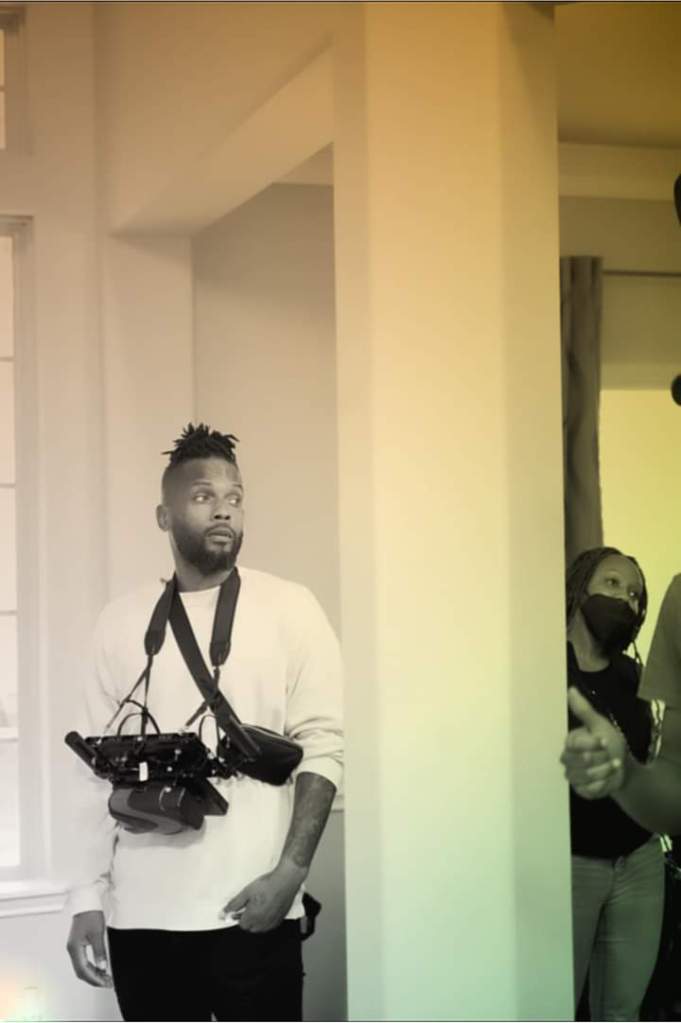
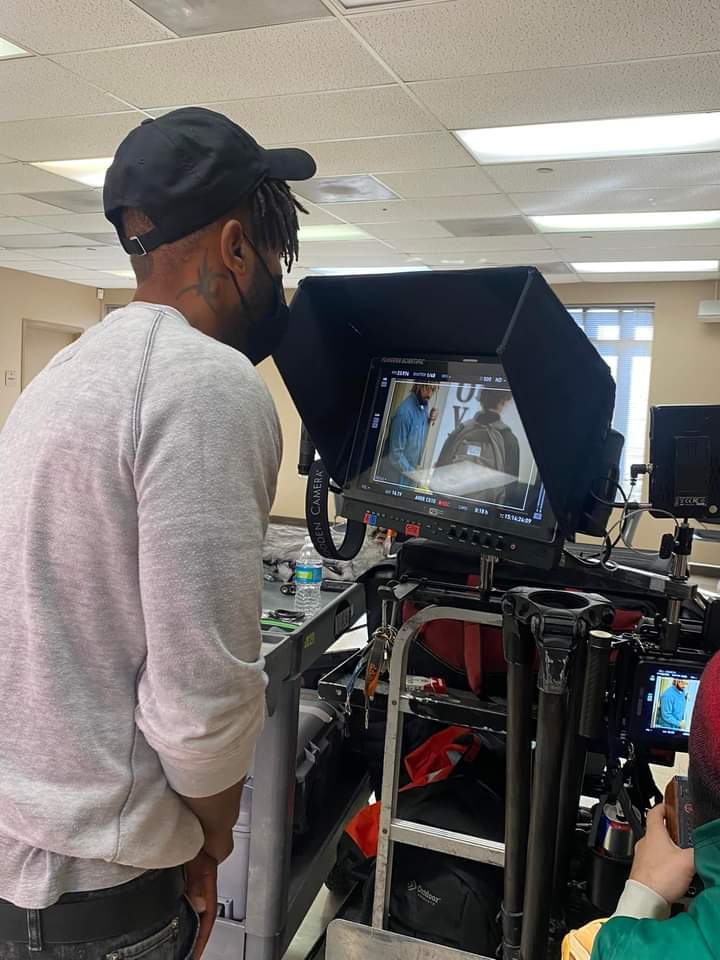
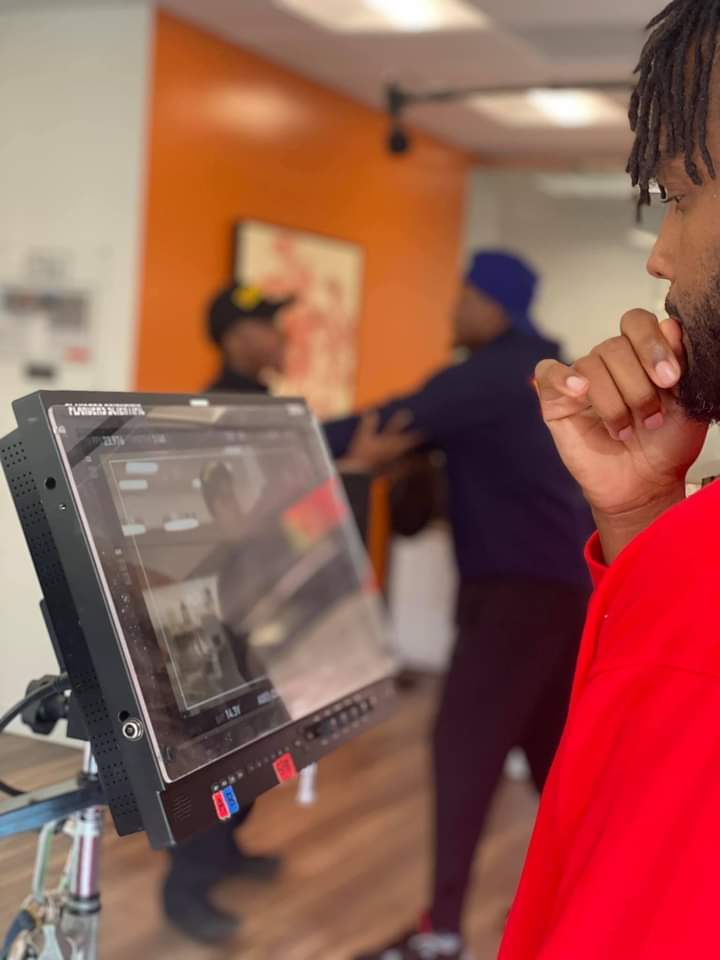





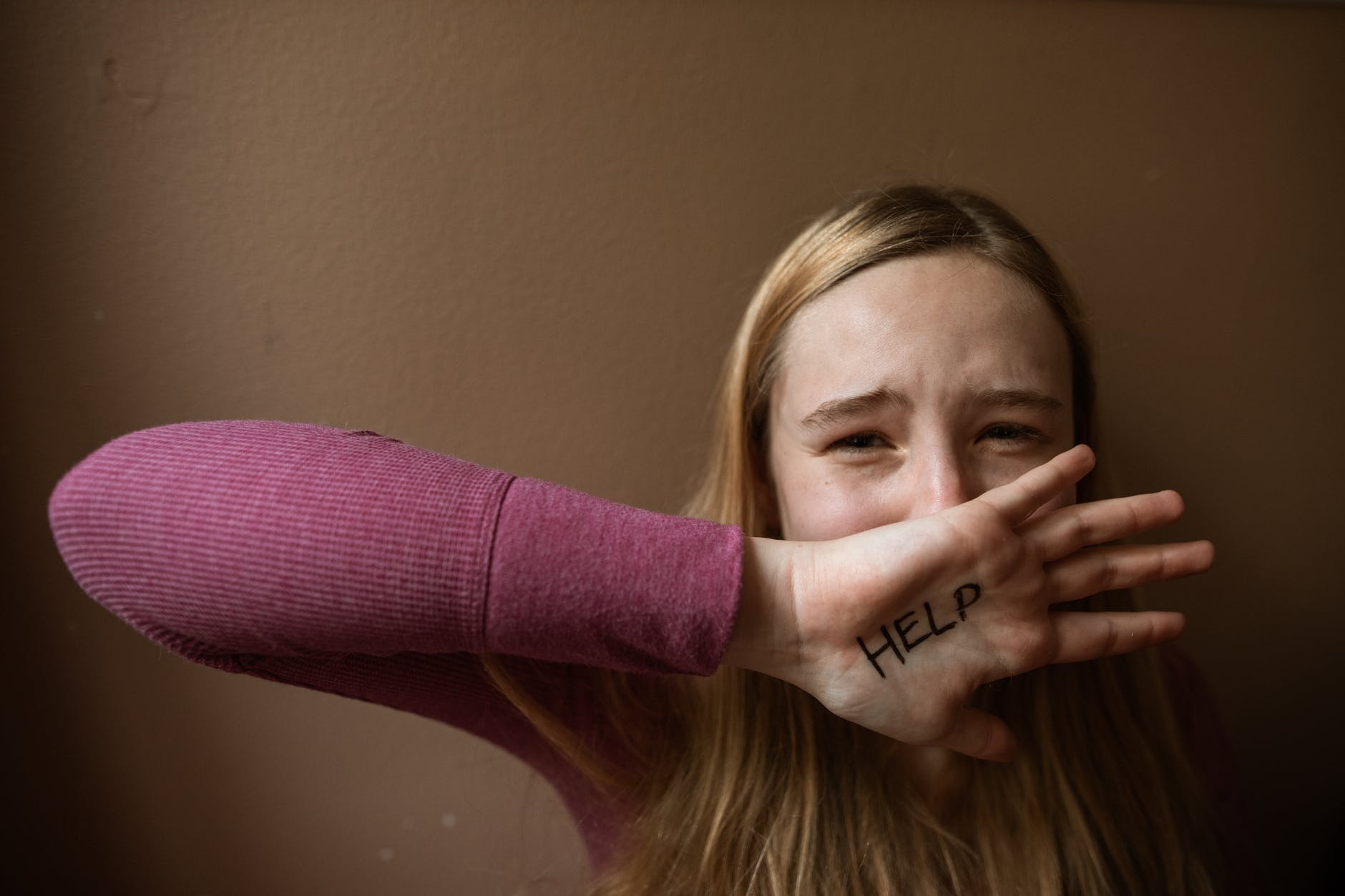

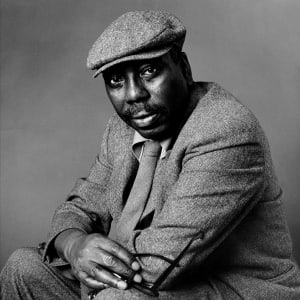

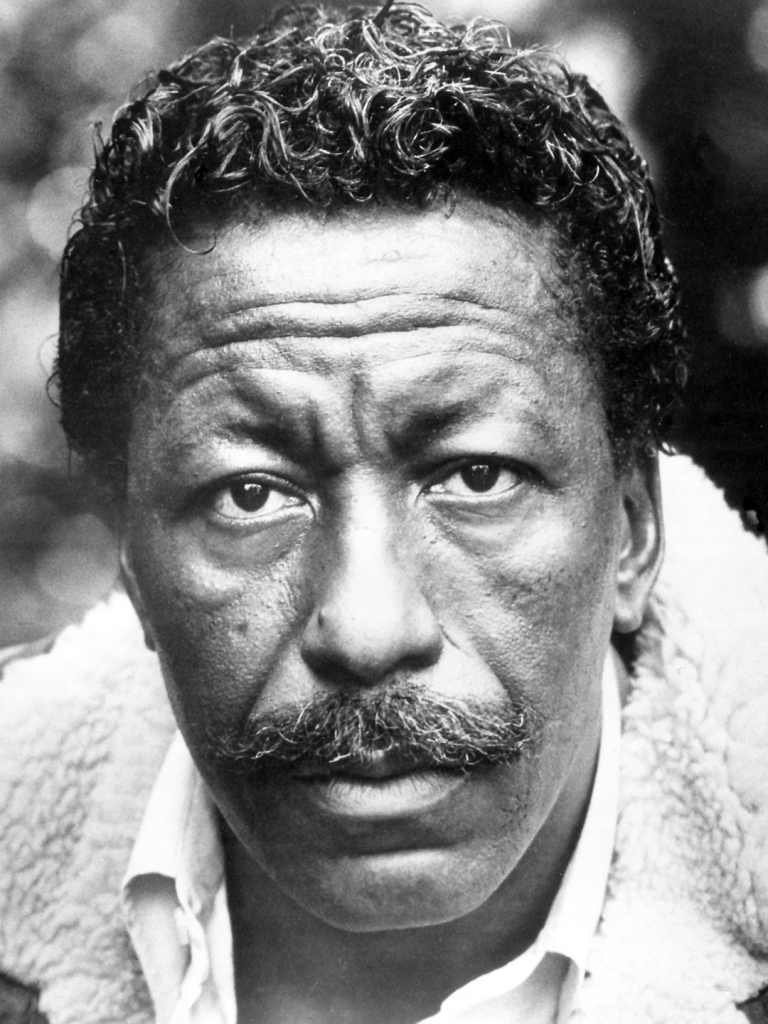
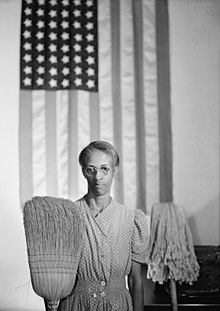
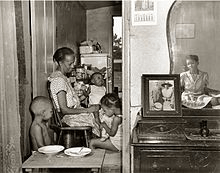
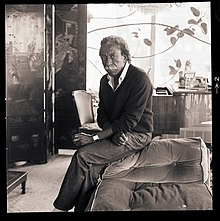
 HPS Magazine


