Insurance is something that provides financial protection and coverage in the event of an adverse event. Many people need insurance coverage, and they rely on their policies for various reasons, including for their medical needs and to protect their property and possessions. Selling insurance to clients is a potential career path that many people have an interest in pursuing.
In this article, we will discuss whether insurance sales is a good career and the pros and cons of this career path.
Let employers find you when you create an Indeed Resume
What is insurance sales?
Insurance sales involves selling various types of insurance to customers, including home, life, health and auto insurance. People who sell insurance are often referred to as insurance agents or brokers. Many focus on individual policies and needs, although some offer insurance products to commercial clients. A commercial agent might sell liability and property damage policies, as well as executive and employee coverage. Insurance agents can also work with businesses to supply coverage to the employees.
Many insurance agents work for independent brokerage firms and agencies, selling the products of various insurance companies and providers. A smaller portion of agents is self-employed, while the rest work for individual insurance carriers to sell their products. Some agents earn a salary, but most work on commission. A commission-based sales position requires an agent to spend their time developing relationships and pursuing leads.
Pros of working in insurance sales
If you’re wondering whether insurance sales is a good career, it’s helpful to consider the pros of this professional opportunity as you make your decision. Here are a few you can think about:
Growth potential
One of the pros of selling insurance for a living is the growth potential. According to the U.S. Bureau of Labor Statistics, the job outlook for insurance sales agents is positive, with an estimated growth rate of 5% by 2030. This number amounts to 27,500 new jobs, marking a higher growth estimate than average for all occupations.
Flexible schedule
Many insurance agents set their work schedules, which provides flexibility. If you do not want to work the traditional business hours or you have other responsibilities that dictate your need for a more flexible work schedule, the idea of setting your schedule is probably quite appealing. Insurance agents may also work from home for at least part of the time, although they often meet with clients and potential leads in person. Those in-person meetings will typically take place in an office setting.
High earning potential
Since many insurance sales agents earn an income based on commission, the earning potential is substantial. Your potential for earning depends on your work ethic and willingness to put yourself out there to build relationships and sell insurance products to clients. Additionally, insurance agents can maintain a passive income stream from policy renewals.
Opportunity to provide a benefit
Insurance is something that everyone needs, and it can provide a cushion in the event of an adverse situation, such as the untimely death of an individual or a natural disaster causing significant property damage. By selling insurance to people, agents have the opportunity to provide a great benefit to their clients. Health insurance can provide a cushion for health expenses and medical treatments, while auto and home insurance protect these valuable and necessary possessions. Life insurance is also beneficial because it can provide funds to the family members of someone after they pass away.
Minimal entry barriers
Insurance salespeople must pass a state licensing exam, but there are few other barriers to entry. This role does not require a college degree, although some firms may prefer it. Prior experience isn’t a requirement, as most agents learn while on the job and through training.
Cons of working in insurance sales
Many benefits are available to those who pursue a career in insurance sales. However, some cons exist as well, which you can consider as you determine if this may be the right career path for you. They include:
Commission-based work
Many insurance agents are independent contractors, which means they don’t qualify for base salaries. Even those who earn a base salary must supplement their income with commissions, which are paid based on sales and achieving certain quotas and goals. For some people, the thought of earning commissions is appealing. For others, it can cause stress and worry about their future financial situation.
New insurance agents often work long hours to build and strengthen relationships and get their names out in the industry. Even those who do qualify for a base salary may be held to a strict sales quota. Before you start a career in insurance sales, make sure you understand the compensation structure and what to expect.
Fast-paced career
Like many sales-focused career opportunities, selling insurance is a fast-paced career that requires focus and determination. Many potential leads and clients will say no or lose interest in the products you sell, and they may choose another agent’s offerings over what you can offer. As an insurance sales agent, you need certain skills to succeed, including perseverance, the ability to be told no and a positive attitude.
Limited paid time off
Since many insurance sales agents are independent contractors, they don’t always have full benefits. One of the cons of working in insurance sales is limited paid time off. This is especially the case if you own your own business. Taking time off takes time away from your ability to build relationships and look for leads, so it may be difficult to do so, especially when you’re starting your career.
Interact with all types of people
An insurance agent must interact with people from different places and backgrounds. Some people are friendly and easy to interact with, while others are more challenging, especially in a sales setting. You might encounter people who aren’t willing to acknowledge their mortality or the risks associated with human life. They may not have an interest in insurance coverage. Some of the people you interact with could treat you with disrespect or disdain. Strong people skills and an impervious nature are essential in this career.
With security deposits, movers, and entire days dedicated to packing—moving can be expensive. But there are plenty of cheap options you should consider. Here are some tips for moving on a budget.
Moving ranks number three in life stressors, right up there after death and divorce. Think about that for a moment. Moving is so stressful for most people that it makes the list of monumentally life-changing events. Whether you’re doing it yourself or hiring a moving company, the decisions and emotions are the same.
Each move you make represents a new phase of your life, a unique chance to start over, or even reinvent your life. Making your move budget-friendly is simple with a little bit of strategizing.
1. Avoid stress by planning ahead
Sure, there’s the old saying, “life is what happens to us while we’re making other plans,” but you don’t just have to sit back and let it happen to you. Be proactive, not reactive. Planning is the easiest way to make your move smooth and budget-friendly.
Whether you’re someone who carefully orchestrates each moment of his or her life or you live in the moment, moving takes emotional and physical energy that you need to be prepared to manage. There are many online moving checklists available, including one from the always-calm-and-collected, Martha Stewart.
2. Throw some things away
When was the last time you read that stack of magazines now producing families of dust bunnies in the corner? What about the sports equipment you bought with such good intentions that are now just another place to hang clothes? Moving is the ideal time to ditch the excess baggage you’ve been carrying around. Think of it not only as a time to clean house literally but also emotionally. Holding on to old things you never use is like a form of emotional bankruptcy; you have nothing if it’s not useful to you.
Organizing for your move means preparing for a new life. Ditch the things that may hold bad memories. Switch to new things that represent the life you want to lead. This doesn’t have to be an expensive process; it can be as simple as downsizing the couch you and your ex used to cuddle on in exchange for a single man chair that says you are master of your domain, for example. Don’t hold on to things that no longer serve a purpose in your life.
Life is about people, not things, but that’s a lesson too many of us learn too late. As Joshua Becker, the famous minimalist says (quoting John Green), “People were created to be loved. Things were created to be used.” The minimalist movement has gained popularity recently—take advantage of it.
There’s a lot to learn from living simply and within your means. Value people, not things, because you won’t be making any memories with things. The more value you place on the people you care about, the more prosperous your life will become.
3. Shop around
Don’t assume that your move is going to be the same process every time. Conveniences and prices change like everything else. Taking the time to shop around and understand your options will alleviate some of that stress we just talked about.
“When you have the time, you don’t have the money and vice versa.” Never have truer words been spoken. Finding the balance in life is what most of us are looking for. If you have the time, moving your possessions by yourself is probably going to be the best option. Whether that involves pressuring your buddies into helping or just shuttling back and forth yourself. If you have the money to budget for a moving company, then choose wisely. Know the market and the going rates. Moving.com offers a comprehensive 11-step list for figuring out how to hire the best movers.
You source most things online so why would it be any different when you’re looking for a moving company? Start with a simple search and narrow it down to your top three choices. Read the reviews, take advantage of free quotes and companies that will come to you and give a free consultation. Upack has some great comparison charts available. If you’re crossing state lines, make sure you know what’s available in your new state as well as planning for state taxes.
Many moving companies offer a flat rate for their services. Read the Yelp reviews from your state. Just because something is cheap doesn’t mean it’s right, so pay attention to multiple negative reviews. Weigh up the value of your stuff and how you will feel if it’s damaged. Packing your belongings yourself will save money, and you can be sure that it’s done carefully. After all, the number one complaint about moving companies is damaged possessions.
I can attest to this personally. We’re currently in the process of moving across state lines and I made sure to spend weeks doing my research online. I hit up Yelp, Angie’s List, and Google to research every company I found, and I ended up getting four quotes.
Guess which one I went with? I chose the third most expensive one. Why? Because they came to my home, met me, and walked through to see everything we were planning to move. The other companies gave me a quote online without seeing anything in my home, which made me uneasy.
Also, after doing some research, I found that two of the moving companies are basically a group of guys who have a U-Haul and do it as a side-business. Moving across state lines with all of my things (and my baby) made me nervous—so I went with a company that was rock solid, made me feel comfortable and confident, yet was more expensive.
4. Don’t spend money on boxes
It may seem like an obvious point, but paying for boxes can quickly drive up the cost of your move. Moving companies count on you not being organized enough and thus, having to pay for their boxes. But boxes are everywhere, and they’re yours for the taking if you just ask.
Offices are a goldmines for boxes. Save money by using the boxes from your workplace. Ask colleagues to save boxes for you, before packing day, so you’re ready to get to work. People will be more than happy to free up space, and you’ll see significant savings.
You can also take advantage of your social media followers and friends to get free boxes. Maybe they’re already helping you move, so there’s no harm in extending the circle of care and reaching out on social media for people looking to get rid of the packing boxes they’ve been storing since their last move. If you plan ahead, you can hit up garage sales and spring-cleaning times when people are actively getting rid of boxes and containers.
5. Avoid moving season
There’s a reason everyone wants to move in the summer. The weather means you can wear light clothes and you’re not stepping through slush puddles and slipping on ice. But if your schedule is flexible, moving in the off-season can save you money. It may take a little more planning and time, but your budget will appreciate the difference.
With most people choosing to move during the warmer months, you can capitalize on the fact that moving companies are actively looking for your business during the off-season. According to Angi, winter might actually be the best time to move. This gives you a chance to source the best deals and even try your hand at negotiating a lower rate. After all, this is the time of year when they need you.
Sure your family and friends may not like the idea of helping you move in less than desirable weather conditions, but they will be more available to you during the off-season. Remember that summer when you spent three weekends in a row moving friends, only to be thanked with a lousy beer? Plan a cozy pizza party in your new digs, to thank everyone who helped you and to christen your new place.
Winter also means vacancies. Landlords have a harder time filling apartments and houses when the weather is cool. This presents an opportunity for you. You may be able to negotiate on the rent, utilities or deposit during this time. In some cases, landlords may be eager enough to fill their stock and overlook your credit history. So while the weather may not be ideal, the time is and time is money, as you know.
6. Get creative with financing your move
Most of us don’t work for companies who will come and pack for us and take care of all the headaches associated with moving, including the costs. So maybe you need some extra cash to help with the move. Make sure you know what your employer will pay for and whether there are expenses you can write-off. Remember to think about extra costs like accommodation and gas if you’re move involves a significant distance.
If you have to borrow money (which I don’t advise, but I understand sometimes moves are unexpected), look into a credit card with a great intro bonus, like a 0 percent offer. This can take away some of the stress associated with moving and free you up to concentrate on the new job you’re starting, or the new home you’re moving into.
Take advantage of any favors owed by friends or acquaintances. Those three weekends in a row you spent helping your buddy move? It’s time for payback. Spread out the tasks so that you have help packing and moving. Be appreciative; saying thank you doesn’t cost anything.
Maybe you have a talent or skill that you can offer to others in return for their help in making your move less expensive. Bartering is alive and well and too few people take advantage of this economic practice. Maybe you can barter your web design services for the use of a large truck. Don’t discount how your talents can be useful in the alternative economy.
7. Get savvy with utility planning
Knowing when to transfer your utilities is going to help save you money when you move. If you’re setting up a new utility account, the timing is also crucial for your budget. Why pay for services you aren’t using yet?
Determine when you will move and when the utilities should be switched off in your current home. Be sure to get a meter reading so that you know what you owe before you say goodbye to your old place. Staying with friends or family while you pack up your home can be a smart choice. In this case, you may be able to get away with turning the utilities off even earlier and just working during the daylight hours.
No one wants to arrive at a new life and home to find darkness and cold water because you haven’t planned ahead. Be sure to contact your new utility company so that they’re aware of your moving date and you can ensure everything is ready for you. Particularly if you’re moving in the colder weather, heat will be even more critical.
Planning is key. There are many online tools for planning your utilities in your new home, including this one from the experts at Apartment Guide.
Happy moving!
Your new life awaits you and the choices and plans you make to get to that point will make the difference between a smooth transition or feeling the full weight of the third most stressful life event.
Your new home deserves the care and attention that will ensure its success. Moving on a budget is entirely possible, and it can actually seem easy if you follow these tips.
To make without wine, substitute chicken broth plus an optional tablespoon of white or cider vinegar.
Ingredients
1/2 pound angel hair pasta
2 tablespoons unsalted butter
2 tablespoons olive oil
1/2 pound boneless, skinless chicken cutlets
1/2 teaspoon kosher salt
1/4 teaspoon freshly ground black pepper
4 cloves garlic, minced
1/8 teaspoon (a big pinch) crushed red pepper flakes
1/2 cup dry white wine, such as Sauvignon Blanc, Chardonnay, or Pinot Grigio
1 lemon, zest and juice (about 1 tablespoon of zest and 3 tablespoons of juice)
1/4 cup chopped parsley
Lemon wedges for serving
Method
Make the pasta:Cook the pasta in a large pot of salted boiling water, according to package instructions or until al dente. Scoop out about a cup of the pasta cooking water and set it aside. Drain the pasta.
Cook the chicken:Meanwhile, melt the butter with the olive oil in a large skillet over medium heat. Pat the chicken dry and season both sides with the salt and a few grinds of black pepper. Add the chicken to the skillet and cook about 2 minutes per side, until golden brown and cooked through.Transfer the chicken to a cutting board to rest, leaving the fat in the pan.
Make the sauce:Add the garlic and red pepper flakes to the skillet and cook until fragrant, about 1 minute. Add the wine and lemon juice, scraping up any browned bits from the bottom of the pan, and simmer until reduced by about half, 3 to 5 minutes.
Finish the pasta and serve:Add the cooked pasta, lemon zest, parsley, and 1/2 cup of the reserved pasta water to the skillet and toss to combine. If it seems too dry or like the sauce isn’t coating the pasta, stir in some more of the reserved pasta cooking water.Cut the chicken into slices and toss with the pasta. Serve with extra lemon wedges for squeezing over the scampi.
Nutrition information is calculated using an ingredient database and should be considered an estimate. In cases where multiple ingredient alternatives are given, the first listed is calculated for nutrition. Garnishes and optional ingredients are not included.
Long-term grief often goes undiagnosed even though treatment can be pivotal to overall well-being
Some people are fortunate enough to find a life partner they consider their soul mate. Such was the case for Jodi, a patient of M. Katherine Shear, the Marion E. Kenworthy Professor of Psychiatry at the Columbia University School of Social Work. Shear says Jodi and her second husband were close, practically attached at the hip, and they enjoyed each other’s company immensely. When he became chronically and then terminally ill, Jodi stayed by his side, taking him to the hospital on several frightening occasions when it looked like he might have reached the end.
Jodi’s husband repeatedly beat the odds, and with each milestone, he and Jodi would gain more hope that he would be the exception, the one who would not lose out to a deadly condition.
Then, on a rare day when Jodi had stepped away from home, her husband’s heart stopped.
Riddled by guilt and loss, Jodi turned inward, avoiding family, friends, and places she and her husband had frequented. She was captive to her memories, and she sidelined herself from life for nearly four years.
Experiencing grief is natural and necessary, and the vast majority of people suffering the loss of a loved one experience it for a predictable period of time—generally six to twelve months.
But sometimes, people like Jodi become stuck. Their grief remains acute, and they can’t move forward.
They experience what is known as prolonged grief.
Ensnared in despair
When a loved one dies, those left behind naturally feel various levels of sadness, anger, guilt, fear, and loneliness. These are the hallmarks of acute grief.
“It’s a normative response to experience an initial period of loss that is both intense and time-limited,” says Naomi Simon, MD ’92, a professor of psychiatry at the NYU Grossman School of Medicine. “It will change form as time goes on, and it will vary from person to person and culture to culture.”
Eventually, acute grief will slip to the background, integrating the emotions associated with the loss into survivors’ lives. “This is the notion that you have processed the permanence of and adaptations to loss,” says Simon. “The mind, heart, and life have adapted. Grief hasn’t ended, but it has changed.”
Not only were older adults hit hard by COVID-19, many lost the social constructs that would normally ease the grieving process.
For about 7 percent of those who are bereaved, however, grief sticks around in a deeply painful manner, preventing them from moving forward and healing. Prolonged grief—also referred to as complicated grief—traps these individuals in a loop of despair from which they can’t escape.
“The mind, heart, and life have adapted. Grief hasn’t ended, but it has changed.”
Determining when grief becomes pathologic depends on whose guidelines are being followed. In 2015, the WHO issued a new guide on the management of mental health conditions in humanitarian emergencies, saying that grief lasting beyond six months should be considered prolonged grief disorder and specialists should be consulted when determining treatment. In 2018, the American Psychiatric Association, in the fifth edition update of the Diagnostic and Statistical Manual of Mental Disorders (DSM-5), added the disorder, describing it as grief that persists for one year or more.
Mired and bereft
“Prolonged grief generally presents with an inability to adapt to the loss,” Simon says. “You wake up and feel like your loss is brand new, over and over again.”
Naomi Simon
In 2011, Simon and Shear, who also is the founder and director of the Center for Complicated Grief at Columbia University, co-authored a paper in Depression Anxiety on the condition and related bereavement issues. It explained that “grief can be complicated, much as wound-healing can be complicated,” with the intensity and duration of symptoms heightened and prolonged.
Typical thoughts that prolonged grief sufferers experience, they wrote, include second-guessing, grief-judging, and catastrophizing the future. Behaviors include excessive avoidance, social withdrawal, substance use, and negative health behaviors.
“The patients sometimes carry a lot of self-blame and have a tendency to repeat what-if scenarios, imagining alternative scenarios in which their loved one didn’t die,” says Shear. “This is all natural and even helpful early on, but eventually they must be able to set those feelings aside or figure out how to resolve them.”
While there aren’t rigid rules as to who is more likely to experience such grief, Shear says that, in general, people who lose an identifying relationship—a parent, a child, a spouse—are more susceptible to the condition. If the separation was traumatic, such as a suicide or tragic accident, grief can be especially difficult. Women tend to seek treatment more often than men. “In clinical settings, over 80 percent of complicated grief patients are women,” says Shear. “The reason may be related to differences in the place of relationships in women’s lives.”
In older adults, prolonged grief can affect as many as a quarter of those suffering a loss, according to a 2011 study, while a 2014 study in JAMA Psychiatry stated that about 9 percent of bereaved older women, defined as women over the age of 65, experience prolonged grief. Relationship to the deceased, in particular if it was a child or a spouse, was more predictive of the condition.
“With COVID, bedside goodbyes and social support were off the table. If you can’t process the permanence of the loss, it is difficult to move forward.”
After this pandemic, rates of prolonged grief among older adults may move even higher, says Simon, but given the DSM-5’s requirement that grief persist for twelve months following a loss, not enough time has elapsed for data to be assessed.
Yet, caregivers like Simon are preparing. A June 2020 letter in Psychiatry Research issued an early warning that increased rates of prolonged grief may be expected “considering the circumstances of many COVID-19 deaths [in which]… symptoms [of prolonged grief] are typically elevated when deaths are unexpected, traditional grief rituals (e.g., saying goodbye, viewing, and burial of the body) are absent, and physical social support is lacking.”
Not only were older adults hit hard by COVID-19, many lost the social constructs that would normally ease the process of grieving. “So much has developed over the centuries to help us grieve—comforting rituals and support after death, for instance,” Simon adds. “But with COVID, bedside goodbyes and social support were off the table. If you can’t process the permanence of the loss, it is difficult to move forward.”
Regardless of who experiences it, prolonged grief comes with increased health risks. In Shear’s work, suicidality, heart trouble, cancer, and other physical ailments often accompany the condition’s emotional effects.
A path to understanding
In spite of its debilitating consequences, prolonged grief is often an overlooked diagnosis. One of the first researchers to identify it as a distinct condition was sociologist Holly Prigerson during her postdoctoral career in the mid-1990s at what was then the Western Psychiatric Institute and Clinic at the University of Pittsburgh School of Medicine.
“She noticed bereaved elderly adults who weren’t responding to treatment for depression,” says Shear. “Her statistics showed that grief symptoms loaded differently than those of depression. She came to me for treatment ideas.”
Shear and Prigerson worked together to study this emerging syndrome, going into communities to talk with hospice and grief counselors. They layered in attachment theory research, too, which helps identify how strong the bonds are between the deceased and loved one.
Family members or other loved ones can also be the catalyst for seeking treatment.
To improve how prolonged grief was identified and diagnosed, Prigerson and her colleagues established a 19-item inventory for screening patients. The inventory comprises a series of statements about grief-related thoughts and behaviors, such as “frequent intense feelings of anger or bitterness,” “belief that life is empty, meaningless, or unbearable because this person has died,” and “intense yearning or overwhelming desire to be with the person again.” Patients select one of five responses that range from “never” to “always.” When patients score above a certain threshold, they are considered to be at high risk for the condition and to require clinical care.
Yet, before a physician can screen a patient, the patient must seek, or be guided to, help.
“Many of our patients actually self-identify,” says Shear. “We have two-minute radio ads that people hear and recognize themselves.” Patients also are referred to Shear’s program by their primary care provider, a psychologist or psychiatrist, or a member of the clergy.
Family members or other loved ones can also be the catalyst for seeking treatment. “We see cases where family or friends tell the patient that they can’t continue to support the patient’s behavior, and that it’s harming their relationship,” Shear says.
Relearning happiness
Shear and others have determined that patients experiencing prolonged grief generally do not respond to the types of treatments traditionally used to address depression and PTSD, and they have worked to establish a separate protocol for treating the condition. “The good news is that complicated grief patients have an immense capacity to heal and pull through,” Shear says.
Simon agrees. “It’s not a quick process, but it also won’t require a decade of psychotherapy,” she says.
Shear’s group developed a 16-week treatment protocol and tested it in three different National Institutes of Health-funded randomized controlled trials. The results were promising; on average, 70 percent of patients found relief from their grief.
Susan Block
In general, their treatment protocol focuses on helping people accept the reality of the loss and restore their capacity for well-being. This is achieved by working in seven main areas: accepting grief, managing emotions, envisioning a positive future, strengthening relationships, narrating the story of the death, living with reminders, and connecting with memories. Patients have weekly meetings with a trained therapist and are given activities to complete between sessions. There also are targeted procedures in each area, such as working on a long-term goal, inviting a family member or a friend to a session, or visiting places that hold grief-triggering reminders of their loss.
“These are healing milestones that mark progress,” says Shear.
The comfort of condolences
Despite the fact that prolonged grief is getting more recognition these days, there remains an overall lack of awareness of it in the medical community. Part of the problem, says Susan Block, an HMS professor of psychiatry and medicine and a member of the Department of Psychosocial Oncology and the Palliative Care Department at Dana-Farber Cancer Institute, is that grief is an issue that receives virtually no attention in medical school. “Grief is often considered outside the scope of practice by most physicians,” she says.
“The loss of the relationship with the physician may compound the family’s grief.”
Even medical students who receive some training in hospice and palliative care and are exposed to end-of-life issues have little exposure to grief, says Block.
“Some students may hear about bereavement when they encounter a patient who dies, but prolonged grief isn’t understood or treated as a separate entity,” she says. “And while some physicians make a phone call, write a note, or attend a memorial service, there is rarely further contact after the death. The loss of the relationship with the physician may compound the family’s grief.”
We do not have a system or a set of routine practices for caring for the bereaved, adds Block. This makes identifying a case of prolonged grief much less likely. “There should be a handoff from the deceased patient’s doctor to the survivor’s primary care doctor, but that really doesn’t happen,” says Block. “We need to consider this more at the systems level.”
Simon would agree. “Ideally we would teach primary care physicians to check in about illness, mood, substance use, and basic functioning after a patient has lost a loved one,” she says.
At Dana-Farber, where upwards of 2,500 patients die each year, the institution has taken steps to send a letter of sympathy to a member of each deceased patient’s family and has provided physicians with training on how to write such letters to survivors. “It’s the only system-wide effort I know of,” adds Block. “Hospices do a good job of following up with families after a death and serve as a model for everyone else.”
Many physicians are grateful for guidance on how to construct such letters, says Block. “People, including doctors, often worry about saying the wrong thing to a bereaved person, or they aren’t aware of how incredibly powerful it can be to receive such a letter. I think that there is a growing recognition of the importance of this practice.”
This may be especially true now. “The pandemic has at least brought grief, including prolonged grief, into a space of better awareness,” Block says, “but bereavement care in general has been inadequate throughout the pandemic because the health care system has been overwhelmed.”
Light
For Jodi, time and professional help made a difference. She began to emerge from her cloud of grief after visiting an anxiety clinic where a practitioner diagnosed her state of prolonged grief and referred her to Shear’s structured program. Jodi made a full recovery and, in doing so, got her life back.
Amanda Loudin is a writer based in Maryland.
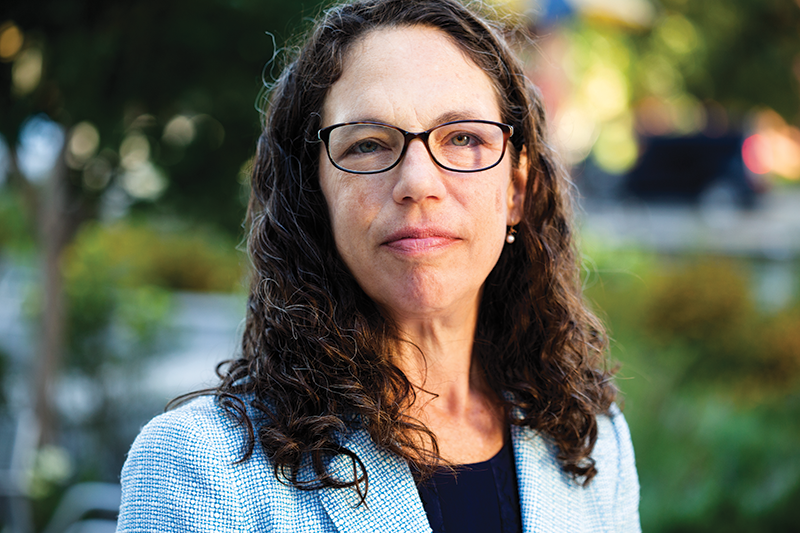
Images: K Mitch Hodge (top); Flynn Larsen (Simon); John Soares (Block)
Lupus is a type of autoimmune disease. This means it causes your body’s immune system to attack healthy tissues and organs instead of only attacking foreign substances that could harm your body. The disease can cause widespread damage to areas of the body, including the joints, skin, heart, blood vessels, brain, kidneys, bones, and lungs.
There are several different kinds of lupus, each with slightly different triggers and symptoms. Researchers don’t know exactly what causes lupus, but we do know that genetics play a role and that it’s much more common in women.
The majority of people with lupus experience some type of skin issue during the course of their disease. Skin involvement and symptoms can vary depending on the type of lupus you have and how active your lupus is.
One of the telltale signs of lupus is developing a rash on the face. Redness covers the nose and cheeks and looks like it’s in the shape of a butterfly. The rash is commonly called butterfly rash and usually appears on the face, but it can also show up on your arms, legs, or elsewhere on the body.
Lupus also causes your skin to be more sensitive to the sun or artificial ultraviolet light. Unprotected sun exposure can cause ring-shaped marks that can become red and scaly. These can form on your scalp and face, or other areas that get sun exposure, like your neck or arms.
Ulcers or sores can form in your mouth on the cheek or gums. They can also form on your nose, scalp, or vaginal tissue. These sores may not hurt at all or they might feel like a canker sore. They’re signs of inflammation from the disease and can be uncomfortable.
Sjogren’s syndrome is common in people with autoimmune disorders, like lupus. It causes your mouth and eyes to feel very dry. You might experience trouble speaking or swallowing, or have itchy, burning eyes.
Dry mouth can also put you at a higher risk of getting cavities, because saliva helps protect your teeth from bacteria. The cavities occur at the gumline and can strongly suggest the diagnosis of Sjogren’s.
Some people with lupus may experience alopecia, or hair loss. Lupus can cause hair to be dry or more brittle. Hair may break or fall out, particularly at the front of the forehead. The hair may grow back, or you may have permanent bald spots.
The pancreas is a gland behind the stomach that controls digestion enzymes and hormones that regulate how your body processes sugar. If it can’t work properly, you’re at risk of infection, digestive problems, and diabetes.
Lupus can cause inflammation of the pancreas, called pancreatitis, either from inflamed blood vessels or medications, like steroids or immunosuppressants used to treat the disease.
Having lupus can affect your heart and blood vessels. People with systemic lupus erythematosus (SLE) have a higher risk of developing heart disease. In fact, heart disease is one of the most common causes of death in people with lupus.
You’ll need to take extra precautions, like eating an anti-inflammatory diet and staying physically active in order to maintain healthy blood pressure and cholesterol levels.
Lupus also causes arteries to become inflamed. Inflammation can cause blood vessels to break and bleed inside the tissue where they’re located. When this happens with smaller vessels, like in the skin, the only symptom may be some skin discoloration. In other tissues, like the brain or heart, a bleeding vessel can become a major risk and be potentially deadly. Inflammation could also lead to infection.
Although less common, anemia can also be caused by lupus. It happens when the body has less red blood cells. For people with lupus, this can be due to inflammation, bleeding, or the immune system attacking them.
Memory problems or trouble thinking, often called “brain fog” can happen when someone has had lupus for a few years. Inflammation or lack of oxygen to parts of the brain cause problems with cognitive function. You may also experience changes in behavior, hallucinations, or have a hard time expressing your thoughts.
A chronic pain disorder, fibromyalgia, may co-occur with lupus and other autoimmune disorders. Fibromyalgia causes chronic pain, tenderness, fatigue, irritable bowels, and trouble sleeping. It can be responsible for the pain felt by people with lupus. It’s thought to be caused by changes in the pathways that lead to the brain and spinal cord, or the sensors for pain within the brain.
Headaches that feel like migraines, often called lupus headaches, can be caused by inflamed blood vessels around the brain.
Your immune system is designed to protect your body from harm. A healthy immune system attacks foreign substances, like bacteria, viruses, and infections that make you sick.
Lupus, like other autoimmune diseases, results from the immune system malfunctioning and attacking healthy tissues in the body instead. These attacks on the body’s healthy tissue may cause permanent damage over time.
Inflammation that happens in certain areas is the result of white blood cells attacking a substance. When the white blood cells are attacking a foreign body, the inflammation goes away once the invader is gone. If they’re seeing healthy tissue as a threat, inflammation will continue as they keep attacking. The inflammation itself can cause pain and long-term scarring that causes permanent damage.
Your digestive system moves food through the body, taking nutrients in, and getting rid of waste. This process starts at the mouth and goes through the intestines. Lupus, and some medications used to manage symptoms, can cause side effects in the digestive system.
Inflammation in your esophagus caused by lupus can trigger heartburn.
Problems with the digestive system, like nausea, vomiting, diarrhea, and constipation are often symptoms from medications used to treat lupus. Nonsteroidal anti-inflammatory drugs (NSAIDs), taken to treat pain in people with lupus and other chronic conditions, can also increase risk of bleeding ulcers in the stomach lining.
Your liver helps with digestion and removes alcohol and other substances from the blood. Inflammation in the liver can stop it from working properly, causing blood clots in the vessels bringing blood to the liver, and resulting in an enlarged liver.
Lupus can also cause your immune system to attack joints, causing pain and arthritis. When joints become inflamed, it causes pain and long-term damage. Lupus arthritis can occasionally affect large joints, like knees and hips, but more commonly affects smaller joints, like in the hands and wrists.
Some medications used to treat lupus can cause bone loss or osteoporosis. This leaves you vulnerable to bone fractures and breaks.
Having lupus puts you at a higher risk of developing infections and getting pneumonia.
Inflammation and fluid buildup in or around the lungs can create a variety of different complications for people with lupus. It can also cause chest pain when you take a deep breath.
Lupus doesn’t directly affect your reproductive organs, but the disease can cause complications during pregnancy. A pregnancy with lupus is considered high risk and requires more frequent doctor’s visits for monitoring. Risks include:
miscarriage
premature deliver
preeclampsia
It’s also possible for a baby to be born with neonatal lupus syndrome, a condition that affects the heartbeat and causes a rash.
However, a woman with lupus most often gives birth to a healthy baby. She may just need additional care from her doctor during the pregnancy.
Your kidneys are extremely important for maintaining good health. They help remove waste from the blood, regulate blood volume and pressure, and filter waste out through urine.
Kidney problems are common in people with lupus, often brought on by long-term inflammation in the kidneys. Symptoms of kidney disease include:
While lupus does have the ability to cause symptoms throughout the body, it doesn’t mean you’re going to experience all of these.
Your individual symptoms and their severity will depend on the type of lupus you have and other factors. These include your genetics and how long you’ve had the disease. If your lupus is well-controlled, you may have very mild symptoms.
Do you have medications that you take regularly? If so, you could have lower out-of-pocket costs and greater convenience by having your prescriptions filled by mail.
Save money and time Depending on your benefit plan, you could save money by having your doctor prescribe a 3-month supply of medication by mail. You’ll have fewer refills and may have lower out-of-pocket costs.
Enjoy personal attention and convenience Your benefit plan’s mail-order pharmacy provides the same high-quality service that you get from your neighborhood pharmacy. Your medications come right to your doorstep with standard shipping at no cost to you.
Accuracy and safety Your medications on file from all your doctors and pharmacies are reviewed to look for drug interactions that may be harmful. If there is a potential problem with your medications, a pharmacist will review the prescription and contact you or your doctor to help make sure your medications will work together safely and effectively.
Help in managing your ongoing medications … and sticking with them If you are living with a chronic condition like high blood pressure, high cholesterol, diabetes or asthma, you know that taking your medication as prescribed is essential to managing the disease. But you also know that managing several prescriptions can be confusing. You therefore have access to pharmacists who can provide personalized support.
Also, several studies have indicated that patients who use home delivery pharmacy are more likely to have better adherence to their prescriptions compared with patients who obtained medication refills at local retail pharmacies. The added convenience of longer prescription durations via mail makes it easier to stay compliant with medications.
The mail order advantage:
Maximum convenience and peace of mind
24/7 access to pharmacists
Lower out-of-pocket costs for most benefit plans
Information about potential lower-cost medication options
Standard shipping at no cost to you
State-of-the-art dispensing with multiple quality checks for safety and accuracy
Difference between Retail Pharmacy, Home Delivery and Mail Order Pharmacy
Getting the medications that you need is remarkably easy nowadays compared to only a few years ago. While the only option for doing so previously was to actually go down to the local pharmacy and to pick up what you need, the advent of home delivery and mail order services for pharmaceuticals has made our lives so much easier.
Premise
A traditional retail pharmacy offers a wide variety of prescription and non-prescription medications, along with a host of other health related products. In addition, retail pharmacies may also carry products that are not related to health or fitness.
Home delivery is a service introduced by some pharmacies, in which purchases are delivered to the home of the customer. This service may be free, or there may be a nominal charge involved.
A mail order pharmacy is probably the most convenient of the three, since the merchandise will be delivered directly to the home of the buyer via mail or courier service.
Process
The process of purchasing medications from a retail pharmacy is pretty straightforward. All you have to do is drop in with a prescription from your physician and you can be on your way within minutes or the next day. If it is a non-prescription or over-the-counter medication you want, then the process is even simpler.
Home delivery service is even easier, as you only have to call in advance and ask for what you want, after which it will be delivered right to your home by the delivery service of the pharmacy where you will be making your purchase from. Mail order service works pretty much the same way, except that you will probably make your purchases via an online form, instead of from an actual human being. Your medications will then be delivered to your home via a third-party courier (think UPS) or messenger service.
Advantages And Disadvantages
The main advantage of a retail pharmacy is that you can simply walk in and make your purchases without having to deal with filling up order forms and the like. In addition, other sundries and drug store type stuff is easy to pick up while you’re there. Of course a distinct disadvantage is that you will actually have to go to the store, which may not always be feasible for those with busy schedules.
Home delivery is a great option for such people, as it saves you the trouble of having to go to the pharmacy for what you need. However, the main disadvantage is that you may not be able to get prescription medications delivered to you in this manner, since you will obviously have to present your prescription from your doctor and sometimes a signature is required. Mail order deliver offers pretty much the same advantages and disadvantages as home delivery, although you usually have a much wider selection of medications to choose from.
Similarities and Differences
Retail pharmacy
Offers a wide variety of prescription and non-prescription medications, along with a host of other health related products
Also carries products that are somewhat related to health or fitness
Home delivery
Purchases are delivered to the home of the customer
May be free or there may be a nominal charge
Mail order pharmacy
Merchandise will be delivered directly to the home of the buyer via mail or courier service
Usually has a much wider selection of medications to choose from














:max_bytes(150000):strip_icc():format(webp)/__opt__aboutcom__coeus__resources__content_migration__simply_recipes__uploads__2017__09__2017-10-04-ChickenScampi-4-f674393199a1429daef85cea14396198.jpg)
:max_bytes(150000):strip_icc():format(webp)/__opt__aboutcom__coeus__resources__content_migration__simply_recipes__uploads__2017__09__2017-10-04-ChickenScampi-2-d49af4e5b4f54d4fb345b1584454587d.jpg)
:max_bytes(150000):strip_icc():format(webp)/__opt__aboutcom__coeus__resources__content_migration__simply_recipes__uploads__2017__09__2017-10-04-ChickenScampi-3-53d7054e8a414c43bff31646c9d51c2a.jpg)
:max_bytes(150000):strip_icc():format(webp)/__opt__aboutcom__coeus__resources__content_migration__simply_recipes__uploads__2017__09__2017-10-04-ChickenScampi-7-d518e48be49843c3a991275a3108aac2.jpg)




 HPS Magazine