There is a way for pack rats to get rid of keepsakes and still feel as if they’ve kept them. (Hint: It involves a camera.)
By Kevyn Burger Special to the Star Tribune
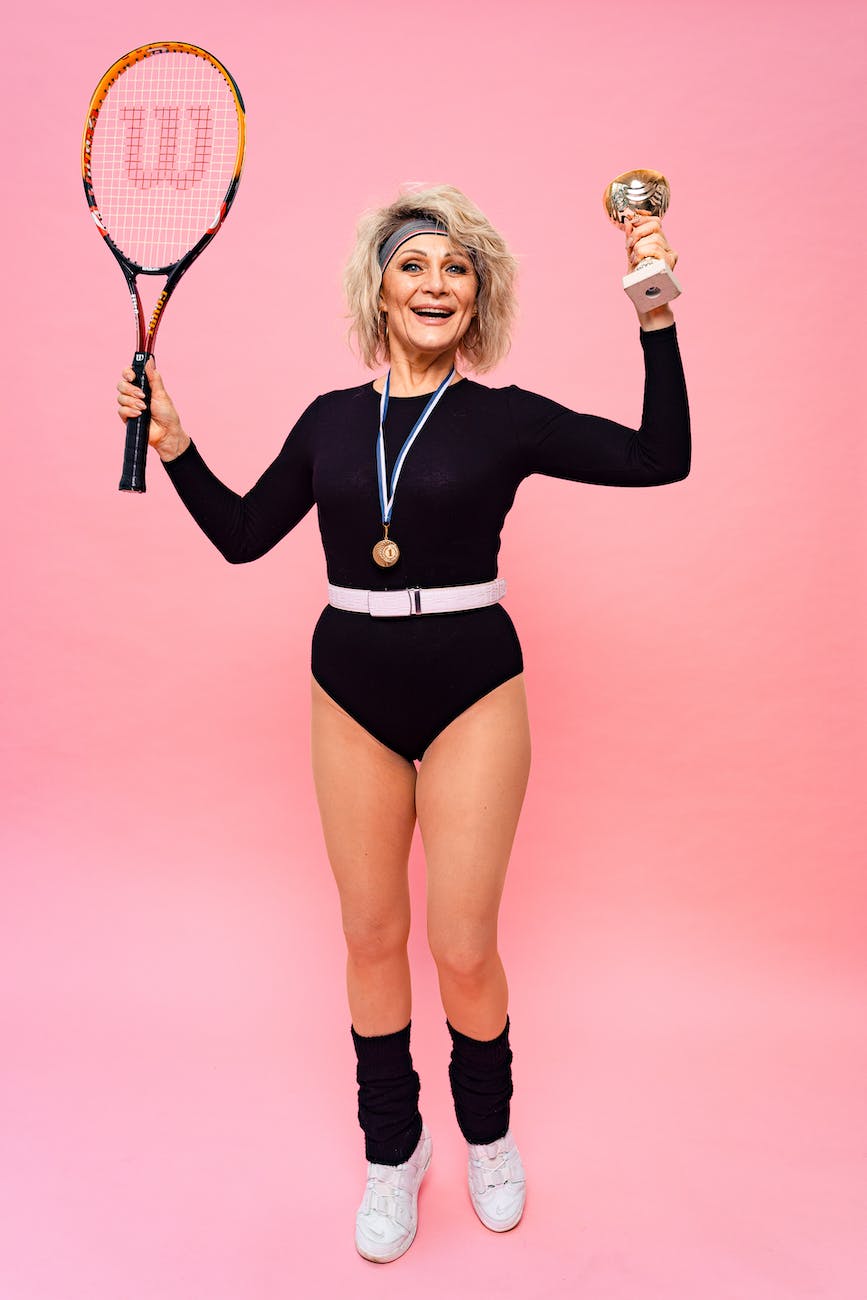
When Kraig King’s mother moved from the California house he grew up in to assisted living, she shipped a box to his St. Louis Park home. It contained all his trophies — “and my ribbons, medals, pins and plaques, too,” said King with a laugh. “I’d kept it all.”
An accomplished athlete, King had accumulated quite a collection, starting with Little League and ending with his college basketball career.
“It was a great part of my life, but I don’t define myself by it and I would never display any of it,” said King, now 63 and a leadership consultant.
King admits he’s “a bit of a pack rat,” but his wife identifies as a minimalist. So it was her suggestion that he take photos of his hard-won hardware and then donate it rather than stowing it in their basement.
Without hesitation, King agreed.
“Someone could take my name plaque off the trophies and re-use them,” he said. “It’s fine that I don’t have the physical items; I have a representation of them. [The photographs] are my security blanket if I want to jog my memory. Pictures reduce the risk of regret.”
From young adults renting apartments without attics to their downsizing parents, the need to shed accumulated possessions is universal. But unloading items with a sentimental attachment can be painful.
That’s where a camera and the cloud come in.
Taking digital photographs and uploading them can create the illusion that keepsakes have somehow been “kept,” said Karen Winterich, a marketing professor at Pennsylvania State University.
“It’s often not the thing that people want,” she explained. “It’s the memory that the thing triggers.”
Winterich experienced that recently when she came across her junior high basketball shorts in a dresser drawer. Though she hadn’t worn them in years, she had them on when her team scored an upset victory over their biggest rival.
“I was keeping them because they reminded me that I used to be a pretty good basketball player and I didn’t want to forget that part of myself,” she said. “Once I realized that, I could let them go.”
Winterich tested her photo theory with a field study conducted in six Penn State residence halls at the end of a semester. In half the dorms, a simple donation drive was advertised. The other half got fliers that read: “Don’t Pack Up Your Sentimental Clutter. Keep a Photo of It, Then Donate.”
Winterich and her fellow researchers saw a significant increase in the number of items donated by students who’d been cued to take pictures.
“There’s less psychological discomfort if they feel they can retrieve the memory with the tool of a photograph,” she concluded. “The act of taking a picture relieves them of the anxiety of parting with the item.”
Scores of people looking to streamline their basements, attics and garages could embrace the camera/cloud technique to help them let go of things they no longer need.
Our collective need to hang onto stuff has contributed to an ever-expanding storage industry. Last year, Americans spent $37 billion at some 50,000 self-storage facilities. In fact, one in 11 Americans is paying rent to store excess possessions.
The self-storage industry has seen 7.7% annual growth since 2012, but the tide may turn as more people experience the heady liberation of owning less. In her books and Netflix series, Japanese minimalist Marie Kondo has inspired thousands of pack rats to purge possessions that “don’t spark joy.”
The phenomenon has led to tidal wave of donations at thrift shops, but few, if any, regrets, said Molly King, marketing manager at the four Arc’s Value Village outlets.
“By the time they get those boxes to the stores, they’re done with it,” she said. “They’re a little bit sad, but mostly relieved.”
She’s also noticed that there’s a generational divide to being able to deal with — or prevent — overaccumulation.
“Younger people are into what’s called ‘circular inventory.’ Their stuff comes in and then it goes out,” she said. “They never plan to own something forever. They use Uber and Rent the Runway. Everything is temporary and that makes it easier to donate.”
That ability to let things go even applies to items that have been handed down by parents and grandparents.
“We’re going through a cultural change in the digital era,” said Clay Routledge, a psychology professor at North Dakota State University who researches nostalgia.
“In the pre-internet era, family heirlooms were passed down, but today young adults don’t want them, they don’t care about the physical thing. That’s not a value judgment, it’s just different,” he said.
Younger people have fewer things than their boomer parents, and therefore, less of an attachment to things.
“When people have their music, movies, photos and books in the cloud, they have fewer things to feel sentimental about,” said Routledge.
Tossing the stuff
Of course, there are some sentimental possessions you can’t donate. No one wants your T-shirts, ticket stubs or greeting cards. Or the handmade treasures that every parent gathers.
That’s what Wendy Welter Albee started photographing.
“My three kids are grown and I still had boxes full of all the pictures they drew for me, their school artwork and the little clay projects they made,” she said. “I’ve been hanging onto it forever.”
After retiring from the Air Force, Albee of Andover, had time to sort through the childhood memorabilia and select a few of the most delightful items to save.
She took pictures of the rest and was able to toss it all away.
“I didn’t feel even a twinge of regret,” said Albee.
In fact, it felt so good that it inspired her to cull her collection of thousands of books and start donating them to charity stores.
Items ready for a garage Sale or to be given to charity
When Kraig King’s mother moved from the California house he grew up in to assisted living, she shipped a box to his St. Louis Park home. It contained all his trophies — “and my ribbons, medals, pins and plaques, too,” said King with a laugh. “I’d kept it all.”
An accomplished athlete, King had accumulated quite a collection, starting with Little League and ending with his college basketball career.
“It was a great part of my life, but I don’t define myself by it and I would never display any of it,” said King, now 63 and a leadership consultant.
King admits he’s “a bit of a pack rat,” but his wife identifies as a minimalist. So it was her suggestion that he take photos of his hard-won hardware and then donate it rather than stowing it in their basement. Without hesitation, King agreed.
“Someone could take my name plaque off the trophies and re-use them,” he said. “It’s fine that I don’t have the physical items; I have a representation of them. [The photographs] are my security blanket if I want to jog my memory. Pictures reduce the risk of regret.”
A photo of a modern digital single lens reflex camera on a white background.
From young adults renting apartments without attics to their downsizing parents, the need to shed accumulated possessions is universal. But unloading items with a sentimental attachment can be painful. That’s where a camera and the cloud come in.
Taking digital photographs and uploading them can create the illusion that keepsakes have somehow been “kept,” said Karen Winterich, a marketing professor at Pennsylvania State University.
“It’s often not the thing that people want,” she explained. “It’s the memory that the thing triggers.”
Winterich experienced that recently when she came across her junior high basketball shorts in a dresser drawer. Though she hadn’t worn them in years, she had them on when her team scored an upset victory over their biggest rival.
“I was keeping them because they reminded me that I used to be a pretty good basketball player and I didn’t want to forget that part of myself,” she said. “Once I realized that, I could let them go.”
Winterich tested her photo theory with a field study conducted in six Penn State residence halls at the end of a semester. In half the dorms, a simple donation drive was advertised. The other half got fliers that read: “Don’t Pack Up Your Sentimental Clutter. Keep a Photo of It, Then Donate.”
Winterich and her fellow researchers saw a significant increase in the number of items donated by students who’d been cued to take pictures.
“There’s less psychological discomfort if they feel they can retrieve the memory with the tool of a photograph,” she concluded. “The act of taking a picture relieves them of the anxiety of parting with the item.”
No donor remorse.
Scores of people looking to streamline their basements, attics and garages could embrace the camera/cloud technique to help them let go of things they no longer need.
Our collective need to hang onto stuff has contributed to an ever-expanding storage industry. Last year, Americans spent $37 billion at some 50,000 self-storage facilities. In fact, one in 11 Americans is paying rent to store excess possessions.
The self-storage industry has seen 7.7% annual growth since 2012, but the tide may turn as more people experience the heady liberation of owning less. In her books and Netflix series, Japanese minimalist Marie Kondo has inspired thousands of pack rats to purge possessions that “don’t spark joy.”
The phenomenon has led to tidal wave of donations at thrift shops, but few, if any, regrets, said Molly King, marketing manager at the four Arc’s Value Village outlets.
“By the time they get those boxes to the stores, they’re done with it,” she said. “They’re a little bit sad, but mostly relieved.”
She’s also noticed that there’s a generational divide to being able to deal with — or prevent — overaccumulation.
“Younger people are into what’s called ‘circular inventory.’ Their stuff comes in and then it goes out,” she said. “They never plan to own something forever. They use Uber and Rent the Runway. Everything is temporary and that makes it easier to donate.”
That ability to let things go even applies to items that have been handed down by parents and grandparents.
“We’re going through a cultural change in the digital era,” said Clay Routledge, a psychology professor at North Dakota State University who researches nostalgia.
“In the pre-internet era, family heirlooms were passed down, but today young adults don’t want them, they don’t care about the physical thing. That’s not a value judgment, it’s just different,” he said.
Younger people have fewer things than their boomer parents, and therefore, less of an attachment to things.
“When people have their music, movies, photos and books in the cloud, they have fewer things to feel sentimental about,” said Routledge.
Tossing the stuff
Of course, there are some sentimental possessions you can’t donate. No one wants your T-shirts, ticket stubs or greeting cards. Or the handmade treasures that every parent gathers.
That’s what Wendy Welter Albee started photographing.
“My three kids are grown and I still had boxes full of all the pictures they drew for me, their school artwork and the little clay projects they made,” she said. “I’ve been hanging onto it forever.”
After retiring from the Air Force, Albee of Andover, had time to sort through the childhood memorabilia and select a few of the most delightful items to save. She took pictures of the rest and was able to toss it all away. “I didn’t feel even a twinge of regret,” said Albee.
In fact, it felt so good that it inspired her to cull her collection of thousands of books and start donating them to charity stores.
“Getting rid of stuff feels freeing,” she said. “Empty space feels better than full.”
As for Kraig King, he hung onto a single item from his trophy collection: the plaque he was awarded when inducted into his college’s basketball hall of fame.
He photographed all the rest. And those photos? He hasn’t looked at them since he uploaded them.
“Not once,” he said. “They’re online someplace, but finding them is not a high priority. It’s funny. Knowing they’re there is enough.”
Kevyn Burger is a Minneapolis based freelance broadcaster and writer.


:max_bytes(150000):strip_icc():format(webp)/Simply-Recipes-Chicken-Meatballs-METHOD-01-c6fb24d67b6843e394454979ee96010e.jpg)
:max_bytes(150000):strip_icc():format(webp)/Simply-Recipes-Chicken-Meatballs-METHOD-02-43ec7fdc3ee94d35af85f96807e3ead6.jpg)
:max_bytes(150000):strip_icc():format(webp)/Simply-Recipes-Chicken-Meatballs-METHOD-03-139b00a57f094b3182d310507ec6ea24.jpg)
:max_bytes(150000):strip_icc():format(webp)/Simply-Recipes-Chicken-Meatballs-METHOD-04-082d9677a7884204a24c6585222a276d.jpg)
:max_bytes(150000):strip_icc():format(webp)/Simply-Recipes-Chicken-Meatballs-METHOD-05-7df6529b94f74cdfb7252153cf4dbf91.jpg)







:max_bytes(150000):strip_icc():format(webp)/Simply-Recipes-Chocolate-Pound-Cake-Method-1-44ecc38f091d4bea818cc5ab8940935f.jpg)
:max_bytes(150000):strip_icc():format(webp)/Simply-Recipes-Chocolate-Pound-Cake-Method-2-ce7a6cd6c6844ac19d7420ebb6b40a5a.jpg)
:max_bytes(150000):strip_icc():format(webp)/Simply-Recipes-Chocolate-Pound-Cake-Method-3-5c5b118c9bb7416f81398418e43c9de2.jpg)
:max_bytes(150000):strip_icc():format(webp)/Simply-Recipes-Chocolate-Pound-Cake-Method-4-9e674a5976ab4a16ab1cfdc067665e34.jpg)
:max_bytes(150000):strip_icc():format(webp)/Simply-Recipes-Chocolate-Pound-Cake-Method-5-63ba9ec933984f7eb8e3ce6e8914f1e3.jpg)
:max_bytes(150000):strip_icc():format(webp)/Simply-Recipes-Chocolate-Pound-Cake-Method-6-18ecc87b628e42f1a7a5e62def0a7825.jpg)






 HPS Magazine