Many people have happy, fulfilling, healthy romantic relationships without having sex with their partners (or only having sex with their partners once in a while).
There are many reasons why people don’t want to, or don’t, have sex. This may include:
having a low libido (also known as “sex drive”)
living with an underlying medical condition, such as chronic pain
wanting to date for a longer period of time before having sex
being unmarried and wanting to abstain from sex before marriage
However, this doesn’t mean that the relationship will be unhealthy. And it certainly isn’t a sign that your partner doesn’t love or value you!
The bottom line? Sexual activity isn’t necessary for a healthy relationship.
For other people, sex is an important part of romantic relationships. Many people want to have a sexual connection with their romantic partner.
Sexuality exists on a spectrum. Asexual people experience little-to-no sexual attraction (and usually don’t have sex, though each person is different), while allosexual people do experience sexual attraction.
Because there’s such a variety in our feelings about sex and our capacities for sexual attraction, we all have different approaches to sex — but no approach is wrong.
Sex offers a lot of benefits outside of pleasure, and there are many reasons why having sex is good for your brain, body, and relationship.
Emotional
Many people have emotional motivations for having sex. There are a variety of emotional benefits of sex, including:
It could improve your self-confidence.
It could help you connect with your own body in a pleasurable way.
It could help you bond with your partner, and it could be a way of expressing love and care for them.
It can relieve stress.
Physical
Sex can be good for your body and physical health, too. For example, some research suggests that sex can:
Boost immune function. A 2004 study showed that people who had sex more frequently had better immune systems.
Be a form of light exercise. A 2013 studyTrusted Source showed that we get a surprisingly good workout from having sex.
Improve heart health. A 2010 study found that having regular sex may reduce the risk of developing heart disease.
Boost cognitive function. A 2016 study found that sexually active people aged 50 to 90 years old had better memory.
Soothe headaches. A 2013 study showed that sex can relieve migraines or cluster headaches.
This doesn’t mean that people who abstain from sex will definitely become physically ill or struggle emotionally — it just means that people who have sex may also see improvement in other areas.
These benefits shouldn’t be used to guilt people into having sex if they don’t want to do so.
A 2017 studyTrusted Source published in the Personality and Social Psychology Bulletin showed that there’s a connection between frequent sexual activity and overall well-being.
It also shows that sex predicts affection and affection, in turn, predicts frequency of sexual activity. In other words, more sex leads to more sex.
So if you want to have sex, the best thing to do is to have more sex! It might sound silly, but it ultimately can improve your sex drive and overall sex life.
Beyond physical intimacy, emotional intimacy — including honest, vulnerable conversations — can also be important to many people when it comes to relationships.
It can be difficult to deal with a situation where one person feels that sex is essential in a relationship while the other person doesn’t want to have sex.
Similarly, it can be difficult if one person has a high libido while the other person has a low libido.
However, it’s not impossible to manage. Communication can be extremely helpful.
Some people find that practicing ethical non-monogamy can be a way to have their sexual needs met without compromising their relationship with their non-sexual partner.
A number of things can cause your libido to change over time, according to Mayo Clinic.
Here are some potential reasons for a low libido:
Stress. Stressful events, and stressful lifestyles, might dampen your sex drive.
Relationship difficulties. Arguments, dishonesty, and a lack of trust could lead to a lower libido.
Age. Your libido might change as you age. Hormonal changes. Menopause, pregnancy, and other events cause hormonal changes, which can in turn affect your libido.
Medication. Many medications list changes in libido as a side effect.
Certain medical conditions. Arthritis and coronary artery disease, for example, are linked to a low sex drive.
Trauma. Traumatic experiences cause psychological stress, which can lead to difficulties with libido.
If a low libido is bothering you, talk to a doctor or other healthcare provider.
Not wanting sex doesn’t mean something is wrong with you, and it’s not necessarily a problem to fix, unless it’s causing you distress.
Underlying clinical causes for a low libido can often be treated — or you may find that your libido returns to its previous state over time. There are also a number of natural ways to boost your libido.
Some people don’t mind waiting for a partner’s libido to return. Others don’t mind meeting their partner’s libido and sexual desires and having little to no sex.
Some may struggle with a lack of sex in the long term. It can be tough to manage this when sex is very important to you and not important to your partner.
So, if you and your partner seem sexually incompatible, it’s important to talk about it. It may be possible to remedy the situation so that you are both happy.
Communicating about intimacy is essential. It’s important to talk to your partner if your sexual desires are changing.
Here are some ways to start a conversation about it:
“Recently, my libido has changed, and I’d like to talk to you about that.”
“If you noticed I’ve been different in bed, I don’t want you to take it personally. Here’s what’s happening.”
“My libido has been low lately. Could we try XYZ in bed?”
“I’ve noticed you haven’t wanted to have sex lately. Can we talk about it?”
“We’re not having sex as often as we used to, and I’d like that to change. How do you feel about it?”
Finding this difficult? Consider reaching out to a couple’s counselor or sex therapist. They can help you communicate with your partner and find a solution together.
It might be that your sex life seems to have stagnated for no particular reason. Sometimes, a romantic weekend away, a new sex position, or new sex toys can reignite the spark.
Not everybody needs to have sex in order to have a healthy and happy relationship — but some people do.
What’s important is that you find a partner who understands your needs and desires, no matter what they are. Open communication is essential for every romantic and sexual relationship.
There’s beauty in every type of relationship. Love, as a matter of fact, alleviates most of the troubles when it comes to relationships. Especially in the present era of long-distance weddings, a relationship looks like a hopeful option to start with.
There have been many opinions on long-distance relationships based on people with experiences and studies. Let’s know why long-distance relationships don’t work and what you can do to fix them.
How do you know a long-distance relationship isn’t working?
If you have an inkling that your long-distance relationship isn’t working, look at what’s contributing to the thought or causing breaking up long distance. Often, if something’s not working, you’ll recognize it deep down, even if the feeling is a slight hint or tinge.
Have you noticed that any of the reasons long-distance relationships don’t work out are showing up in your relationship? Maybe, you feel like catching up virtually takes a serious toll on you and, where many long-distance couples see each other periodically, real-life contact never happens in your relationship.
What can help? In this scenario, taking regular trips to see one another can help you get some quality time in, and explicit communication about when the relationship will move from long-distance to in person might be helpful.
Ultimately, you want your long-distance relationship to be face-to-face, so it’s important to work with your partner and troubleshoot any long-distance relationship troubles that show up in your partnership.
What percentage of long-distance relationships fail?
A study found that 40% of long-distance relationships fail.
While not every long-distance relationship will go wrong, and there’s nearly always nuance when it comes to the ins and outs of individual romantic partnerships, it is true that people in long-distance relationships face unique struggles.
With that in mind, the question is this: Why don’t they work? Is there anything that you can do if you’re struggling in a long-distance partnership?
11 Reasons why long-distance relationships don’t work
So, why do long-distance relationships don’t work? Why do long-distance relationships fail? There could be various problems with long-distance relationships.
Here are eleven things that can strain long-distance relationships:
1. Catching up virtually can be taxing
Say that you or your partner, as many people in the modern world, work with computers and phones. If that’s the case, the last thing you want to do after work is spending more time on the computer or phone.
At the same time, you want to catch up with your partner and spend quality time with them. As a result, you may experience frustration or start to resent the fact that you can only communicate over video chat, text, and phone, which is one of the main reasons why long-distance relationships don’t work.
2. Conflict resolution isn’t the same
Conflict resolution can be difficult in long-distance relationships. When you’re face to face, there’s not only a greater chance for picking up on non-verbal communication, but you don’t get to sit with your partner after conflict.
At least, not in a physical sense. Conflict resolution has to be a lot more intentional and may take additional patience and dedication when it’s dependent on a phone or video chat conversation only.
Hanging up can feel abrupt, and the feeling of conflict can linger even if you’ve talked it out and are confident about the resolution.
Conflict is part of every relationship; it’s inevitable. Similar to the process of conflict resolution, arguments themselves are different when the conversation is always and unavoidably over the phone or computer.
There’s more room for misunderstanding. If you do hang up before fully resolving an argument – even if it’s the healthiest thing for you to do and you need some space before continuing the conversation – it can be particularly painful.
4. You might start wanting different things
In life, we’re always learning and growing. What happens in long-distance partnerships is sometimes that, regardless of what life stage you’re in, you grow in a different direction from your partner – and you might not even realize it right away.
Where you can tell that you’re growing apart in real-time in face-to-face partnerships, you might not realize it until much later on when you’re long-distance.
The fact that you’ve grown apart might hit you all at once, whether that’s the next time you’re together in person or after weeks (or months) of virtual conversation that starts to drift off.
It’s true that we all go through emotional ups and downs and that every relationship has ups and downs. However, the ups and downs that come with long-distance relationships can be unique or even more intense.
There could be intense excitement surrounding the one time per year, let’s say, that you get to see each other and major downs when you’re apart. You might get very excited for a virtual date night and fall flat once it’s over, wishing that they were there with you.
The longer you spend as a couple who don’t get to be together in person, the more painful this can get, and sadly, even when it’s paired with deep feelings of love and appreciation, the feelings that come with being apart can start to strain the partnership. Being apart can hurt.
Sharing photos of your day and having virtual dates can help, but at the end of the day, a long-distance relationship means that your lives are more separate than that of an in-person couple.
The ins and outs of daily life become a big part of a lasting relationship, and missing those small details (or, in some cases, the big ones) as a result of distance can lead to a lack of connectedness or a void in what you know about how your partner leads their daily life.
Especially, if the relationship has always been long-distance or if you’re a couple who met in person but ends up spending years apart.
Why don’t I know their coffee order? Who knew they were that messy? How did I not realize that they drank so much? Why don’t they brush their teeth in the morning? Some of these details don’t matter much, but others are ones that you don’t want to miss.
7. There’s room to hide
Trust can become a concern in long-distance relationships. Maybe, you aren’t hiding anything from your partner, but what if they’re hiding something from you?
This doesn’t only happen in long-distance relationships, but sadly, the potential for this to happen is increased in a long-distance relationship.
One of the reasons why long-distance relationships don’t work is that one person is, at some point, ready for the long-distance status to change.
They want to solidify things and move closer. Perhaps, the other person thought that they were ready, too, and when talking about plans casually, it seemed that you were on the same page. When the time comes, however, they realize that they aren’t ready for that life shift.
They got used to the emotional intimacy without the commitment, and now that the commitment is here and the other person’s ready to make a move, they realize that it isn’t what they want.
This scenario is more common than it seems, and it’s the precise reason why you have to be extremely communicative and introspective in long-distance partnerships.
It can be hard to level up in intimacy in long-distance relationships, and though it can be a factor, that doesn’t just go for physical intimacy. There’s only so much intimacy that you can get through digital communication.
This can halt the progress of the relationship, cause frustration, or lead to growing apart from one another.
Alongside the possibility that you won’t be on the same page about the long-distance status of the partnership at some point, research shows that it’s relatively common for couples who were long-distance to break up within about three months of being together in person.
This is often due to the fact that the novelty of seeing one another wears off. After all, when you don’t see someone often, it’s exciting when you get the chance to do so. You start to see each other’s flaws, and what was once limited to the imagination is now a reality.
11. It just isn’t the same
There’s nothing like getting to look someone in the eyes face-to-face or getting to hold their hand. Ultimately, missing out on these things tends to be one of the biggest strains on a long-distance relationship.
Well, every coin has two sides. While there could be reasons why long-distance relationships don’t work, the good news is things can still go uphill with the right approach and willingness despite the long-distance relationship issues.
When it comes to long-distance relationships, count on technology because it is going to aid a lot in bringing you two closer. And if you are committed, confident and have fun together, there’s definitely no stopping.
There’s beauty in every type of relationship. Love, as a matter of fact, alleviates most of the troubles when it comes to relationships. Especially in the present era of long-distance weddings, a relationship looks like a hopeful option to start with.
There have been many opinions on long-distance relationships based on people with experiences and studies. Let’s know why long-distance relationships don’t work and what you can do to fix them.
How do you know a long-distance relationship isn’t working?
If you have an inkling that your long-distance relationship isn’t working, look at what’s contributing to the thought or causing breaking up long distance. Often, if something’s not working, you’ll recognize it deep down, even if the feeling is a slight hint or tinge.
Have you noticed that any of the reasons long-distance relationships don’t work out are showing up in your relationship? Maybe, you feel like catching up virtually takes a serious toll on you and, where many long-distance couples see each other periodically, real-life contact never happens in your relationship.
What can help? In this scenario, taking regular trips to see one another can help you get some quality time in, and explicit communication about when the relationship will move from long-distance to in person might be helpful.
Ultimately, you want your long-distance relationship to be face-to-face, so it’s important to work with your partner and troubleshoot any long-distance relationship troubles that show up in your partnership.
What percentage of long-distance relationships fail?
A study found that 40% of long-distance relationships fail.
While not every long-distance relationship will go wrong, and there’s nearly always nuance when it comes to the ins and outs of individual romantic partnerships, it is true that people in long-distance relationships face unique struggles.
With that in mind, the question is this: Why don’t they work? Is there anything that you can do if you’re struggling in a long-distance partnership?
11 Reasons why long-distance relationships don’t work
So, why do long-distance relationships don’t work? Why do long-distance relationships fail? There could be various problems with long-distance relationships.
Here are eleven things that can strain long-distance relationships:
1. Catching up virtually can be taxing
Say that you or your partner, as many people in the modern world, work with computers and phones. If that’s the case, the last thing you want to do after work is spending more time on the computer or phone.
At the same time, you want to catch up with your partner and spend quality time with them. As a result, you may experience frustration or start to resent the fact that you can only communicate over video chat, text, and phone, which is one of the main reasons why long-distance relationships don’t work.
2. Conflict resolution isn’t the same
Conflict resolution can be difficult in long-distance relationships. When you’re face to face, there’s not only a greater chance for picking up on non-verbal communication, but you don’t get to sit with your partner after conflict.
At least, not in a physical sense. Conflict resolution has to be a lot more intentional and may take additional patience and dedication when it’s dependent on a phone or video chat conversation only.
Hanging up can feel abrupt, and the feeling of conflict can linger even if you’ve talked it out and are confident about the resolution.
Conflict is part of every relationship; it’s inevitable. Similar to the process of conflict resolution, arguments themselves are different when the conversation is always and unavoidably over the phone or computer.
There’s more room for misunderstanding. If you do hang up before fully resolving an argument – even if it’s the healthiest thing for you to do and you need some space before continuing the conversation – it can be particularly painful.
4. You might start wanting different things
In life, we’re always learning and growing. What happens in long-distance partnerships is sometimes that, regardless of what life stage you’re in, you grow in a different direction from your partner – and you might not even realize it right away.
Where you can tell that you’re growing apart in real-time in face-to-face partnerships, you might not realize it until much later on when you’re long-distance.
The fact that you’ve grown apart might hit you all at once, whether that’s the next time you’re together in person or after weeks (or months) of virtual conversation that starts to drift off.
It’s true that we all go through emotional ups and downs and that every relationship has ups and downs. However, the ups and downs that come with long-distance relationships can be unique or even more intense.
There could be intense excitement surrounding the one time per year, let’s say, that you get to see each other and major downs when you’re apart. You might get very excited for a virtual date night and fall flat once it’s over, wishing that they were there with you.
The longer you spend as a couple who don’t get to be together in person, the more painful this can get, and sadly, even when it’s paired with deep feelings of love and appreciation, the feelings that come with being apart can start to strain the partnership. Being apart can hurt.
Sharing photos of your day and having virtual dates can help, but at the end of the day, a long-distance relationship means that your lives are more separate than that of an in-person couple.
The ins and outs of daily life become a big part of a lasting relationship, and missing those small details (or, in some cases, the big ones) as a result of distance can lead to a lack of connectedness or a void in what you know about how your partner leads their daily life.
Especially, if the relationship has always been long-distance or if you’re a couple who met in person but ends up spending years apart.
Why don’t I know their coffee order? Who knew they were that messy? How did I not realize that they drank so much? Why don’t they brush their teeth in the morning? Some of these details don’t matter much, but others are ones that you don’t want to miss.
7. There’s room to hide
Trust can become a concern in long-distance relationships. Maybe, you aren’t hiding anything from your partner, but what if they’re hiding something from you?
This doesn’t only happen in long-distance relationships, but sadly, the potential for this to happen is increased in a long-distance relationship.
One of the reasons why long-distance relationships don’t work is that one person is, at some point, ready for the long-distance status to change.
They want to solidify things and move closer. Perhaps, the other person thought that they were ready, too, and when talking about plans casually, it seemed that you were on the same page. When the time comes, however, they realize that they aren’t ready for that life shift.
They got used to the emotional intimacy without the commitment, and now that the commitment is here and the other person’s ready to make a move, they realize that it isn’t what they want.
This scenario is more common than it seems, and it’s the precise reason why you have to be extremely communicative and introspective in long-distance partnerships.
It can be hard to level up in intimacy in long-distance relationships, and though it can be a factor, that doesn’t just go for physical intimacy. There’s only so much intimacy that you can get through digital communication.
This can halt the progress of the relationship, cause frustration, or lead to growing apart from one another.
Alongside the possibility that you won’t be on the same page about the long-distance status of the partnership at some point, research shows that it’s relatively common for couples who were long-distance to break up within about three months of being together in person.
This is often due to the fact that the novelty of seeing one another wears off. After all, when you don’t see someone often, it’s exciting when you get the chance to do so. You start to see each other’s flaws, and what was once limited to the imagination is now a reality.
11. It just isn’t the same
There’s nothing like getting to look someone in the eyes face-to-face or getting to hold their hand. Ultimately, missing out on these things tends to be one of the biggest strains on a long-distance relationship.
Well, every coin has two sides. While there could be reasons why long-distance relationships don’t work, the good news is things can still go uphill with the right approach and willingness despite the long-distance relationship issues.
When it comes to long-distance relationships, count on technology because it is going to aid a lot in bringing you two closer. And if you are committed, confident and have fun together, there’s definitely no stopping.
If you’re committed to a long-distance relationship, especially if you know that you’ll be able to rekindle in a set amount of time, it’s possible to make things work and avoid the LDR breakup.
For the 40% of people long-distance relationships don’t work out, there’s the 60% that have a lasting relationship.
Listen to your gut feeling, and don’t be afraid to ask for help. If you are worried about why long-distance relationships don’t work and scared to step into one or you’re struggling with an existing long-distance partnership, seeing a therapist or counselor is a way to find unbiased professional support.
Sending your little one to daycare is a huge parenting milestone. With all the factors to consider, choosing the right center can be overwhelming and challenging for any parent. The fact that you will be leaving your child under the care of other people is more than enough to make you feel anxious. But don’t worry. High-quality child care centers provide a safe, engaging and friendly environment for young children. If you want to make sure you’re making the best choice, here are some important points to consider when choosing a daycare.
Program and curriculum
No matter how young your little one may be, it’s never too early to begin age-appropriate learning. When looking for day care, take time to learn each center’s program and curriculum. Find out what lessons are being taught and if these lessons are age-appropriate. Ask what their goals are for teaching and if the programs are tailored according to a child’s age and developmental stage. You’ll also want to make sure that there is ample time for play because play is essential to young children’s holistic growth. Also ask how you can get updates on your child’s developmental progress.
School environment
Another important factor to consider when choosing a daycare is the school environment. Pick a childcare center with a warm and welcoming environment. Make sure that the location is also safe for young children. Find out if the school has safety and security procedures to protect their students. Are the buildings, classrooms, playground and outdoor areas safe for kids? Are there any safety hazards you should be worried about? Take time to take a look at these things when you’re at the facility you’re checking out.
Facilities and materials
A high-quality childcare center has a friendly and warm environment conducive to learning. Be sure to pick a daycare with clean and sanitary buildings and classrooms. Check their toys and learning materials to make sure they are safe and child-friendly. Are the materials age-appropriate? Are the pieces of equipment in good working condition? By taking the time to check these things, it will be a lot easier to select a learning environment that can bring out the best in your child.
Teacher and student interaction
The teachers and staff in the daycare should also be assessed during your visit. Be sure to learn more about the teachers’ educational background and experience when it comes to working with kids. Find out if they have been trained and certified in first aid, CPR and infection control. Also don’t forget to pay attention to how the staff and teachers interact with their students. Observe if they have an engaging interaction and if the children responds well to their teacher. Also notice their actions, body language and the words they use in communicating with kids.
Day to day activities
The daily activities and routine can vary greatly between daycare centers. Some invest more time in structured classroom activities while others put more emphasis on outdoor trips and activities. Consider your child’s needs and behavior to determine the daycare program that suits them best. Also consider how it compliments your parenting style.
Recommendations
Another way to find out if a child care center is an excellent choice is by speaking to other parents. Ask other parents, or even your family and friends for their personal recommendation. Ask them what they think of a particular daycare and if there are other options they can recommend. It is also a good idea to do an online research and visit the daycare’s website. Read parent reviews and pay close attention to any red flags.
First impression
Never ignore your gut instinct when choosing a daycare. First impressions are important. When you feel like something is not right, then something probably isn’t. How did you feel about the day care centers you visited? Did you feel welcomed? Does it seem like a happy and friendly place? Does your child like the place? How did they react during the visit?
Picking the right daycare may not be easy. But this guide can come in handy to help you choose the best daycare for your child.
Wondering whether you need to use weights to get in shape, or want to see the battle of resistance bands vs weights played out in full?
We’ve got your back.
Due to this being a battle between both methods of strength training, we’re going to cover everything that each one has to offer as well as the downsides.
Let the battle of resistance bands vs weights begin!
Contents:
Advantages of Resistance Bands vs Weights
Advantages of Using Free Weights vs Resistance bands
Do Resistance Bands Build Muscle?
Conclusion
Advantages of Resistance Bands vs Weights
Resistance bands certainly have their fair share of advantages when it comes to resistance bands vs weights, and we’re going to get straight to it.
Before you skip ahead to the free weights section (bodybuilders, we’re looking at you!), you might want to give this a read. You never know, it could come with some surprises that help you out in your own training…
#1 – Flexibility
They may be physically flexible, but we’re talking about their flexibility in terms of how practical they are.
Resistance bands open up new doors when it comes to the direction of resistance in strength training. When they are pulled in a certain direction, the direction of resistance is automatically in the opposite direction.
If you’re doing bicep curls and stretching the band from the ground, it the direction of resistance will be downwards.
Alternatively, if you attach them to a higher surface and use them for chest flys, the direction of resistance is backwards in relation to the body (in a near-horizontal direction).
You can manipulate the direction of resistance with resistance bands, making them very handy for accessing different methods of training with the same piece of equipment.
#2 – Control
When it comes to resistance bands vs weights, it’s no secret that resistance bands are far easier to control.
When we talk about control, our focus is on the fact that the resistance strength of a band increases as it is stretched through the range of motion of an exercise.
For beginners, this is perfect as it gives the user the ability to safely find their optimum resistance strength. With this, they can avoid any nasty injuries by going too heavy too fast.
Those who are more advanced in their training can also benefit from this feature of resistance bands vs weights, as it is a safe way of controlling how and when their muscles reach either exhaustion or their full range of motion.
This can be great in addition to free weights, as you can perform your last few reps with resistance bands to safely reach exhaustion and improve your range of motion!
#3 – No cheating!
Another point in the battle of resistance bands vs weights is that a lot of people unknowingly cheat when they use free weights for strength training.
Due to the direction of resistance always being downwards for free weights (or the laws of gravity), they tend to keep in motion once they are mobile unless stopped by the user. They pick up momentum due to their weight, and they become harder to control.
An example of this in practice would be when gym goers perform bicep curls with a dumbbell. When things start to go south in terms of muscle exhaustion, some people start to use momentum to aid them in lifting the weight.
This is ‘cheating’ as it utilizes strength from the legs and back (which aren’t necessarily supposed to be engaged during this exercise). The biceps don’t receive any benefits from the exercise when momentum is used, and it makes it pretty useless.
One advantage of resistance bands vs weights is that it’s not possible to use momentum, as bands work on resistance strength levels rather than mass/weight. Your biceps are on their own here!
#4 – Rehabilitation
While both weights and resistance bands can be used for rehabilitation purposes, one advantage of resistance bands vs weights is that they are undoubtedly safer and easier to use in this context.
As we mentioned earlier, resistance bands allow the user to gradually increase the resistance as they stretch them, as well as allowing them to keep better control of the band at all times in comparison to free weights.
This is better for rehabilitation when compared to the gravitational pull, limited direction of resistance, and the constant weight of free weights.
Things are much steadier with bands and users will be a lot less likely to experience any pain or further injury!
Another thing to note is that resistance bands are much cheaper and more portable when compared to free weights, making them much easier to get access to without a visit to the gym during rehabilitation.
Advantages of Using Free Weights vs Resistance Bands
It may seem like we’ve put free weights to shame in the fight of resistance bands vs weights, but that’s not the case. We like to do things fairly here at OriGym and you can’t have an argument without two sides!
Scroll through this section to see the redeeming qualities of free weights when weighed up against resistance bands.
#1 – Accurate
One of the advantages of free weights vs resistance bands is that they are extremely accurate when it comes to what they can offer as individual weights.
What we mean by this is that they are always marked according to their individual weight, whereas resistance bands can be ambiguous. Some are marked, but not often by an accurate amount of lbs of resistance they contain.
Even if they are marked with a specific strength of resistance, you will only feel the full resistance if you stretch the band to its limit.
With free weights, you get what you’re given and that’s that!
#2 – Progressive
Bodybuilders and fitness fanatics will use this as the main reason to ditch bands in favour of free weights, so we’re hardly going to ignore it!
One main issue that people see with bands is that they have limitations when it comes to strength and muscle mass progression.
Free weights allow you to quickly max out your personal best and therefore progress to heavier weights in just a few weeks. This is mainly due to the fact that if they are used properly and without the assistance of momentum, your muscles take on their full (and constant) weight.
As your muscles adapt to taking on a constant weight, they ultimately become stronger than they would from straining against a variable weight for the same amount of time.
Overall, weights have more scope for improvement over time. The ‘heavier’ models of resistance bands only go up to 200lbs, which is equivalent to around 90kg.
Although this is an excessive amount of resistance, it is only completely achieved when the bands are stretched to their full capacity, whereas 90kg dumbbells always provide this amount of resistance.
We’re not saying that bands are completely inferior or can’t provide you with similar strength or muscle mass, but weights are probably the better choice if you’re looking to go into full-blown bodybuilding or to gain muscle mass in a hurry.
#3 – Durable
Perhaps one of the less talked about benefits of free weights vs resistance bands is their durability.
You know the old saying; ‘penny wise, pound foolish’? That’s the kind of angle we’re getting at here.
While resistance bands are much cheaper than weights, many in the fitness community are quick to call their longevity into question. Resistance bands have been known to wear out pretty quickly (depending on their quality), whereas free weights are made of more sustainable materials than rubber or plastic and tend to last much longer.
Even when bands last a while and don’t snap or tear, they can become slack and offer less resistance than they once did.
The durability of free weights is definitely something to consider when weighing up resistance bands vs weights, and may even urge you to invest more money into equipment that will last longer.
#4 – Variety
If we’re looking at resistance bands vs weights in general rather than just focusing on free weights, it becomes quite clear that weights provide more variety through being available in so many different forms.
There are many different types of weights to choose from, including:
Free weights – dumbbells, kettlebells, barbells, medicine balls, sandbells, sandbags, etc.
Weight machines – leg press, hip adduction, hip abduction, leg extension, bicep curl, tricep extension, etc.
From barbells to weighted bags, it’s clear that weights come in many different shapes and forms. This gives them plenty of ammunition in the battle of resistance bands vs weights.
Although resistance bands do come in different forms, they are certainly not as varied as weights are. Let’s face it, you can only design a band a certain number of ways yet with weights you can get creative.
The list of objects that are able to have weight added to them seems endless, and we can only imagine the new fads of weights that will be released in the future.
One of the most frequently asked questions when it comes to resistance bands vs weights is ‘do resistance bands build muscle?’.
When observed out of context, this question is easy to answer. Do resistance bands build muscle? Of course they do.
They pack a good amount of resistance considering their size and price, and if your main goal is to burn fat and gain muscle mass they can certainly help you to achieve your goals alongside a nutritious diet.
However, we’re going to take things a little deeper than the initial question of ‘do resistance bands build muscle?’, as we don’t think that that’s all you’re asking. We’re going to assume that the real question is do resistance bands build muscle as well as weights can?
If you read over what we have so far, it seems as though the resistance bands vs weights argument is almost over.
It’s pretty clear that weights are an unrivalled force when it comes to packing on muscle mass and building maximum strength.
However, we’d say that the answer to ‘do resistance bands build muscle?’ lies in the goals that you have for yourself. If you’re looking to get lean or gain some muscle mass and burn fat, they’re absolutely fine and will get you the same if not very similar results with regular use (especially if you’re working up to the higher resistance levels).
However, if you’re looking to gain some serious muscle and dramatically transform your body, weights will get you better results (and faster).
If you’re already shredded from strength training with weights though, resistance bands can certainly be great for maintaining muscle.
Have you got a long trip coming up with limited access to a gym? Got a busy schedule for the next few months and worried about wasting time on a busy commute to the gym?
Enter resistance bands! You can use them in your home, in hotel rooms, even in the toilet if needs must… there’s no excuse to lose what you already have!
Pick up some resistance bands for maintaining muscle mass if you don’t have access to weights, and you shouldn’t have any real problems.
Hopefully, this answers your question; ‘do resistance bands build muscle?’ and you’re feeling ready to go!
Conclusion
We’re drawing near the end of our debate over resistance bands vs weights, and this calls for a real answer for our readers.
Our ultimate conclusion to resistance bands vs weights is that you should aim to train with both. Think about it; there are many advantages and disadvantages to both, you may as well take all the advantages and leave with no downsides.
If you train with both weights and resistance bands, you’ll never get bored. You’ll always have bands on the go when you’re travelling and a nice set of weights to come back to.
You’ll be able to get the body that you want and rest assured that you’re not missing out on something that other fitness fanatics are seeing real results with.
Do you need weights?
If you’re wanting to bulk up considerably, yes. If you’re just looking to get lean and improve your overall fitness then not necessarily.
However, here at OriGym we feel that weights are an important aspect of a strength training routine as well as resistance bands, and recommend that you take using both into consideration!
Before you go!
Hopefully you’ve enjoyed our debate over resistance bands vs weights, and it’s given you some motivation to get the ball rolling with your own fitness programme. Want to become a Personal Trainer and kick-start a new career in fitness? Go ahead and download our latest prospectus here, or check out our Level 3 Personal Training qualifications!
It was only after losing a huge chunk of hair that I stopped straightening it with chemical relaxer – something I had done growing up in Nigeria since the age of six.
My bald patch was dubbed the “helicopter landing pad” by my flat mates at university for months afterwards.
I share this painful anecdote because a new documentary has re-ignited the natural versus straightened hair debate among black women.
I’ve had my hair chemicalised for the last 10 years. It’s so easy to manage because I have a lot of hair. I love it Olivia at Queens Hair Design
Chris Rock’s film Good Hair focuses on the United States and the lengths and money African-Americans will go to achieve longer, smoother, shinier, straighter “good” hair – using hot presses, creme relaxers, weaves and wigs.
Women in Africa are no strangers to the lure of “the creamy crack”, as our American counterparts call relaxer – likening it to cocaine because of its addictive nature, and are as willing to take the risk of burning their scalps using it.
‘Feel the burn’
“I’ve had my hair chemicalised for the last 10 years,” Olivia told the BBC as she had her hair done in Queens Hair Designers in the Kenyan capital, Nairobi.
“It’s so easy to manage because I have a lot of hair. I love it.”
The most common ingredient in relaxers is sodium hydroxide or lye. In the documentary, an aluminium can dipped in a bowl containing the chemical melts completely.
But Florence, a hairdresser at Queens Hair Design, dismisses the “if you feel the burn, it’s working” belief.
She says it is all about technique and places the blame for any “helicopter landing pads” squarely on too-clean or already traumatised scalps.
“Usually before I relax your hair I will ask you whether you have recently braided or washed your hair. If you have then the hair will not relax nicely,” she explains.
South African Elma Titus, who specialises in African hair and scalp problems, agrees that relaxers are not solely to blame for the problem of hair loss.
“It could be the chemicals or it could be the extensions that you’re putting in your hair all the time without giving your hair time to recuperate – or even the wigs,” she says.
Human hair
Apart from the health implications women face in search of good hair, there is the expense. Black women are said to spend about three times more on their hair than other women.
The cost of extensions and wigs can be staggering, ranging from $10 a-piece for synthetic hair to as much as $800 (£486) and upwards for human hair pieces.
Yet it does not seem to deter women bent on achieving perfect flowing locks.
Take Cameroon’s first lady Chantal Biya for example. Her leonine mane of tawny hair has become her trademark.
Nigerian Cherish Angula admitted to the BBC’s Africa Have Your Say programme that she had just spent $750 getting a lace-front wig – but she said it is money well spent.
“It lasts three, four times as long as ordinary weave-ons [extensions] and so it works out cheaper for me.
“It is basically a whole head unit, you attach it with glue around the circumference of your head and it gives it a more natural appearance like the hair is growing from your head.
“It’s basically the same thing that celebrities like Beyonce wear.”
Fashion facism?
What might seem like vanity to some can in fact boil down to survival for many women in Africa where careers and incomes can rely on one’s hair style.
If you really want the job you’ll have to do what they want Judy at Queens Hair Design
In Kenya, for example, a woman with the natural look or dreadlocks is unlikely to succeed at job interviews.
“If you really want the job you’ll have to do what they want,” says Judy at Queens Hair Design.
And even the thought of opting for a natural look is greeted with hilarity by the Queens Hair Design clientele.
But some women, such as journalist Phyllis Nyambura who edits a women’s supplement for a Tanzanian newspaper, are trying to take on such prejudices.
“The weaves were great at first,” Ms Nyambura says.
“I would change my hairstyles and look different all the time but the problem was that they are a bit expensive and there is also that fake thing about them.”
For my part, I am immune to the fashion fascism, and my bad scalp days are well and truly over.
Thanks for sharing your stories. Please read a selection below:
I used to relax my hair and I never liked the way it look after. they are smoother, softer but will break more and never be at the same length, the back always longer than the front. And when using the relaxer, you have to try so many of them before finding the one that will not burn you scalp and relax your hair the way you want it. It’s been two years I went back to having my natural hair and went on to grow dreadlocks. In the beginning I went to the salon to have my hair twisted and I nearly gave up because all of them want to work with nice shiny smooth and relaxed hair and not the bushy and kinky hair that I had. I went on to have my dreadlocks done by myself and today I am very proud to tell people that it was me who did it when they ask when I got my dreads done. There is nothing better than having your natural and African hair. Yacine, Dakar, Senegal
After years of braiding and relaxing my hair, it was not getting longer like I had thought. It got weaker and kept breaking. I decided to grow dreadlocks and I have never been happier. Its now long and thick and I dont get dandruff. I am a lawyer and work in a law firm. I got the job when I had my locks and it has never been an issue, contrary to what many people think. As long as it is neat you can work anywhere!!!!! Esther W, Kampala, Uganda
I have gone back and forth on relaxer, no relaxer, weave, no weave, wig, no wig, braids, no braids. I haven’t worn my hair without substantial additions in a year and a half. I now wear it natural in cornrows tucked under a “Yaki textured” remi human hair wig. The wig is super long, but not super thick to mimic relaxed african american hair. I have such issues with my hair, Its so hard to style, it stays dry, and the only time it seems more well moisturized is when i have a relaxer or texturizer. After much debate, I am going to do the texturizer again. Combing my hair is a struggle, it’s extremely coarse and painful, and I like the more natural curls that result from a texturizer (i have gone natural several times in my life, and one of those times i had a texturizer, and my hair was beautiful, thick, shiny, but still “nappy” and i was happy!) I just want to get to a place where i can wear my natural/texturized hair without additions, and just be me. Thank God my husband neither encourages nor discourages my natural hair. He loves it and me as it is. Dani, Connecticut, USA
Ladies, what is wrong with your natural hair? All these extensions, relaxers, etc are nothing but lack of self worth and low self esteem. We all know that black women are the most beautiful on this planet, so why hide your beauty? why pretending to be what you are not? Show us your beautiful natural hair and please leave the fakeness to others. Let them copy you as they always do, they want their lips, hips, skin, eyes, etc to be like yours. Ade, Takoma
Here, is a good thing to do for your hair is a Hawaiian old remedie 2 droopd of coconut oil (restore hair) 3 droops of olive oil extracts (if your hair get’s dry) this will moisture your hair 5minutes that’s all you need and your hair will look soft and shine. Here in Hawaii the ocean drys and damage your hair very fast. ALOHA FROM HAWAII!!! kamalanii, HAWAII USA
I was promising to have my hair done – and have been walking about with a ‘Nigerian’ style head tie for a few weeks – not a cultural statement, but in my case a bad hair week. I finally took a day off work to get to the hairdressers – but the bailif had got there two days before me. Shop closed – no where to go that I can Trust – and my head tie is now taking root! alex AA, Cheam Surrey
I did not realize how much time and effort I spent getting my hair relaxed, oil treatments, braided etc- until I cut off the perm and went natural- even my lifestyle has changed, I can swim and get caught in the rain and just enjoy it- not so if you have just had your perm redone:) Natural hair rocks!!! Buts its not just African American women that spend time and money- I hear of women spending lots of money and hours on the Japanese straitening, highlights etc- its just not as evident that a change had been made- surely- there cannot be that many people with blonde that have perfect highlights and some of the shades of red I have seen- I am pretty sure dont occur naturally. Mai, NY, NY
ive had short natural hair for almost ten years. I love the low and tom-boyish look. Even though my kids dislike it my argument is that the older a woman gets she should stop fiddling with her hair. These days you see women in their sixties and seventies with wigs and weaveons. We all know that its not their natural hair and frankly most look ridiculous. I say keep it natural, low and cheap. Basically i just get up and go. tayo agunbiade, abeokuta, nigeria
When I was a small child, people used to say that my hair was good enough to clean frying pans and panels because I had “bad hair” and they call it “bombril” (wire wool). Yet I never did anything to change it, because I rapidly realised I did not have to feel miserable or tear my heir out over somebody else’s ignorance or prejudices. Being annoyed at somebody else’s taunts would mean that I was giving them the power to define how I had to look like in order to be able to feel “human”. So I learnt how not to turn a hair when people said I had “bad hair”. After all, hair type is merely a question of natural human variety, not bad, worse or better. There is a song in my country which goes like this: “black girl of hard hair, which comb does comb you?” Well, I do not need one, I say, I like my hair the way it is: black, hard and beautiful. Aenigmatice, Belo Horizonte, Brazil
Imagine bumping into a lion spotting the latest in glued hair or wearing wigs shaved from dead human beings ……………Okot P’Bitek was right in his famous “Song of Lawino”. Margaret S. Maringa, Kerugoya, KENYA East Africa
When I was in secondary school, I used to have the best and longest hair so much that every other student – boy or girl – admired my mane. I could style it in the Commodore or Jackson Five style. As the years slipped by, my hair started thinning out and 50 years on I now have an ‘airport’. So today I have adopted the Kojack style to hide the ‘airport’. I am still enjoying it. It is very airy and easy to maintain. I call it the ‘get-up-and-go’ hairstyle or the ‘wash-and-wear’ hairdo. Kudyahakudadirwe Christopher, Cape Town (RSA)
I have had an afro for the last 9 months or so which is really thick and growing long and kinky, and I love it. Before then, I used to relax or braid which led to my hair falling in abundance! Braiding it too tightly in hair salons when I was as little as 5 has given me a slight ‘balding’ look which is was embarrassing as a teenager. Hair falling out, bald patches and landing strips are just the perils of trying to have that straight hair that is impossible. Ironically, when I went to Kenya to visit my family last year, people were horrified that I had kinky hair. They asked me if it was because I didn’t have enough money (because of being a student) to get it relaxed! Aisha , London, UK
When I was 7 I found, to my complete joy, a pair of scissors someone had left lying about. I proceeded to cut off all my hair, to my mothers horror & that ranks up there as one of the best days of my life, no more torturous pulling of hair before school. I am African, and proud with it, having no desire to be or emulate a white woman. Its just that our hair tangles & knots up so bad and it hurts to comb. Unless I find a product that actually meets its claims of untangling Kinky hair you will be prying that relaxer out of my cold dead hands. To me its a convenience just like any other 21st century convenience. Rachel Zimba, Lusaka, Zambia
I finally shed my perm in college when my Eritrean roommate taught me how to have my hair straight without the perm. Yes, it does not last as long but it’s still possible. I do admit that I miss how easy it was to manage but i love my curly locks. I have saved a lot of money and can create diverse hairstyles without too much issue. However, I still do get the comments about straightening my hair (Africans…what can you do?) and my hairdresser still gets horrified when I walk in to get my hair straightened with a mass of curly hair everywhere but i let that go. If I get tired of dealing with it, I just slap it in braids for a while. Losing the perm has been one of the best choices I’ve ever made. Wambui, Monrovia, Liberia
They say black hair is political, which is very true. being an african, and knowing this fact, i don’t think Obama is free to grow an Afro. i also don’t think that it is ‘politically correct’ for Michelle obama not to relax her hair. so until African people feel secure with their identities, wherever they find themselves in, African men will have short cuts, while women will relax their hair. kato lukaija, Tanzania
It is not what’s on the head but what’s inside the head that matters. Keep it natural. Isaac, USA
Interesting comments. I must confess that i have very very kinky hair. I shaved of my relaxer after a season in the cold winter ruined my hair. Now I just braid my hair and only go to the salon twice a year for a professional thermal press! Saves me the money and I still have healthy natural hair. lulu, kitchener
This article makes me laugh when i reflected on my childhood days back in Nigeria, during the christmas period when every kid wants to look cute, there was this day i went with my mother to the open market in my district, i saw a market local salonist (male) took a little girl who stood by watching him advertise his products, and immediately put the relaxer on her hair, i bet you in less than 3 minutes, she started screaming, oga put water, oga put water, my head is burning (WHICH MEANS… PUT WATER AND WASH IT OUT BECOS MY SCALP IS BURNING) but i couldn’t understand it until i tried it myself and reacted like the little girl i once laughed at, in my town whenever we see those guys doing their thing, we just begin to sing, oga put water, oga put water. It was funny then and anytime i remember i just can’t stop laughing. Well for African ladies, dont joke when it comes to hair do, they love it. Osa Joseph, Cph, Denmark
I used to have long, beautiful dreadlocks for five years but decided to cut them because I felt that I needed to change my hair-style. So I decided that I will just keep my hair natural as I was scared of getting burned by creme relaxers. But to my surprise it was pretty difficult to maintain natural hair because of its course nature. I now have relaxed hair and feel like a different person now. I think that hair says a lot about a person and it would be great to find salons in Gauteng, South Africa that deal with soley natural hair or give advise and treatment to such hair. I think weaves and extensions are great looking but at the same time we should at least have a choice on whether to relax or keep it natural, not just relax because one does not have a choice. Nkemeleng Nkosi, Gauteng,South Africa
Nine years ago I visited a hairdressers here in Luxembourg to have my hair relaxed – big mistake. After burning my scalp by leaving the relaxer on far too long (and does nobody put a base on the scalp to protect it any more?), she destroyed what was left by blowing my hair dry using a very spiky brush. I vowed I would never do that to my hair again. But making the transition from relaxed to natural hair was not easy. I had to endure well-meant comments from family members about my new growth, disastrous gel twists from a different hairdresser who refused to cut off the straightened bits, people asking whether my hair was some kind of statement, and braids that fell out at inopportune moments and made my neck hurt. But now my natural, healthy, unstressed hair is doing just fine. ZF, Luxembourg
Everyone seems to conclude that you straighten or relax your hair so you can have long hair. I wear the hijab so it really should not matter since people can’t see my hair. But it does. My hair is like some form of punishment when in its natural form. It hurts so badly that I cry when I try to comb or weave it in its natural form. So I end up relaxing it as it is more comfortable. I’m contemplating cutting it as this could be easier. So, no I am not trying to imitate anyone. I just don’t want to end up in tears before I start each day. Fatima, Leicester, UK
I used to have my hair natural but later on I was lured to relax it with chemicals. At first it looked so nice that I didn’t regret it. Now it has become so weak and most of the time it’s dry. I’m even thinking of shaving it and going back to natural. But the question is, how am I going to survive especially in this city where hair is what classifies a woman? Drue, Nairobi, Kenya
I am a 73-year-old man but I look much younger. I have been relaxing my hair with straighteners since 1954. On a trip to the US I had my hair done at a salon and learned that you have to use a mixture of liquid and paste vaseline on the scalp to avoid getting it burned. One has to learn the proper technique to apply the relaxers nowadays that have no lye and to always use Vaseline as a base on the scalp. It results in flowing hair and a week after you can dye it the colour of your choice. The hair will not fall out. Roberto Lossa, San Jose, Costa Rica
I relax my hair, I have since I was 16 and I don’t think there’s anything wrong with it. I’ve never researched the health detriments, but if I find it to be disturbing, then I have no problems switching to natural…but I anticipate that I’ll have to be creative to make it easily manageable on a daily basis. On that note, I totally reject weaves, wigs and certain hair additions that simply aim at making one look European, i.e long flowing hair. Relaxed short hair, I have no problems with, braids are purely African (or so I assume) so I have no problem with that either, long, if it’s yours, otherwise, I interpret such hair to poor value of one’s self and ignorant self degradation. I say this knowing some think of relaxed hair such as mine in this way also 🙂 Tolu, USA
After years of braiding, relaxing and a stint where I shaved my hair because I could not handle taking care of it, I now have dreadlocks. Because my hair was short when I started my dreadlocks, I short dreadlocks. But its cheaper, and I get more compliments. Though a man did offer me marijuana on a recent trip to San Francisco. I politely walked on. Janet, Kampala, Uganda
Its 7 months since I left Nigeria to Singapore and making a new hair style with a weavon is d last thing on my mind because all d Asian and Indians here have bountiful natural hairs. It painful to not see hair straighteners (relaxers), but fixing a good weavon is unacceptable cos there r no weavons 4 sale, we have to order from Nigeria b4 we fix hairs. I miss all d latest hair dos and fixing Nigeria could offer. It is horrible for us (55 persons) Cecilia, Singapore
Bad hair story: I went to the hairdressers to ask for a fringe like the picture I showed her. She cut too much far in on the head so I have a fringe much too far back on my head. It’s still there! She said it looked fashionable and she was 50. It had to be fashionable back then! It looked awful. Julie, Copenhagen, Denmark
It’s not just African-Americans. I also see many Latinas and other women of colour burn the holy-heck out of their hair to go “blonde.” And what about those of us who fear showing our gray hair? I think there is a phobia of just being ourselves in society, and it’s all around, not just in the U. S. I have decided to stop dying my hair and let it go completely gray, much to the dismay of some of the women I work with. Why is it that it’s okay for a man to go grey, but not a woman? CM, Huante, Lawndale, USA
I had a good hair growth when I started braiding but after using several relaxers on ma hair, it started breaking and dwindling in growth that I had to barb my hair and start all over from the scratch. Ifure, Uyo, Nigeria
I recently found a relaxer that was able to relax my kinky hair for the first time. Before that though, I had tried to relax my hair with other which simply didn’t do the trick. They would leave my hair brittle and hard, just a day after relaxing the thick, moppy and kinky mass. Thus, after repeated trials and accompanying disappointments and frustrations, the option was to cut it and and keep what we call a ‘perm cut’ in Ghana. Now, it is about five inches long; not long enough to pull a pony tail with, but quite ok. Currently, it is not too expensive to get my hair done, but who knows the extent to which i would go when I finally get sucked into the hair fascism in Africa, where everyday gets born with ‘just the style for us’. Nana, Accra, Ghana
I actually really like your natural hair. Alex, Toronto, Canada
Health care workers face potential COVID-19 exposure through their job. Data suggest that at least 200,000 health care workers have been infected with coronavirus as of November 2020, but this estimate likely vastly underestimates the number affected due to major gaps in data collection. Data further show that people of color account for the majority of COVID-19 cases and deaths known among health care workers, and that they are more likely to be in health care worker roles and settings that have particularly high risks of workplace exposure. This analysis provides greater insight into COVID-19 risks and impacts among health care workers and how they vary by race and ethnicity. It is based on a KFF analysis of 2019 American Community Survey and publicly available information on COVID-19 impacts among health care workers (see Methods for more details). It finds:
In 2019, there were over 18.6 million people working in the health care industry across a range of occupations and settings. Overall, 60% of health care workers were White and 40% were people of color, including 16% who were Black, 13% who were Hispanic, and 7% who were Asian. However, the racial/ethnic composition of health care workers varied across occupations and settings. Black and Hispanic health care workers made up relatively larger shares of aides and personal care workers and direct contact support workers. Black and Hispanic workers also accounted for larger shares of health care workers in home health care, and Black workers made up a relatively larger share of workers in skilled nursing facility or other residential care settings.
People of color account for the majority of COVID-19 cases and/or deaths known among health care workers for which race/ethnicity data are available. The Centers for Disease Control and Prevention (CDC) reported over 200,000 cases and just over 790 deaths among health care personnel as of November 9, 2020. However, this estimate likely vastly underestimates the number of health care workers affected as health care personnel status was known for only a quarter (25%) of total cases. CDC further found that, as of July 2020, more than half (53%) of confirmed cases among health care personnel were among people of color, including 26% who were Black, 12% who were Hispanic, and 9% who were Asian. Data collected by states, the media, and other organizations similarly find that people of color account for the majority of COVID-19 cases and/or deaths known among health care workers.
Research suggests that health care workers face increased risks of coronavirus exposure and infection, with certain health care workers facing particularly high risks that disproportionately affect people of color. Studies show that health care workers are at increased risk for exposure and infection relative to the general population, with particularly high risks for health care workers who provide direct patient care, work in inpatient hospital or residential or long-term care settings, are in nursing or direct support staff roles, or do not have adequate access to PPE.1 Research further suggests that, among health care workers, people of color are more likely to report reuse of or inadequate access to PPE and to work in clinical settings with greater exposure to patients with COVID-19. CDC analysis of antibody evidence of previous infection among health care personnel further found higher rates of seropositivity among people or color compared to their White counterparts (9.7% vs. 4.4%), suggesting higher rates of previous infection.
A recent KFF/The Undefeated Survey suggests that the pandemic is taking a disproportionate toll on health care workers, especially Black health care workers and their families. It finds that health care workers are more likely than others to worry about being exposed to the virus through the workplace, to know someone who has died from the virus, to say it has negatively impacted family relationships, and to report someone in their household lost a job or experienced a cutback in hours or income due to the pandemic. Black health care workers and their families are particularly likely to report certain impacts, including knowing someone who has died from the virus and a negative impact on their ability to pay for basic needs.
KFF/The Undefeated Survey data also show that, while health care workers are more likely than others to say they would definitely get a COVID-19 vaccine, substantial shares express vaccine hesitancy, particularly among Black health care workers and their families. Overall, 54% of health care workers say they would definitely get vaccinated if it was available for fee and determined safe and effective by scientists, compared to 33% of adults who do not have a health care worker in their household. However, among adults who are health care workers or who live in a household with a healthcare worker, Black adults are much less likely to say they would definitely get vaccinated compared to White adults (24% vs. 46%), mirroring greater vaccine hesitancy among Black adults more broadly.
Together these findings highlight the importance of focusing on health care workers as part of response efforts to help protect against COVID-19 infection and spread. They can also help target response efforts and distribution of treatments and vaccines as they become available to prioritize health care workers who are facing the highest risks of exposure and infection. Targeting these efforts will also have important implications for health disparities given the disproportionate risks and impacts among health care workers who are people of color, which may compound broader increased health and economic risks that are contributing to the pandemic’s disproportionate toll on people of color overall. This analysis also shows that there remain significant gaps in data to understand COVID-19 impacts by industry and occupation. Increased data would allow for better understanding of work-related risks and outbreaks to help guide response efforts and resources going forward.
A new study from the George Washington University Milken Institute School of Public Health has found a severe lack of diversity in the health care workforce, a problem that, according to researchers, could worsen health disparities for minorities.
The study relied on publicly available data from the American Community Survey and the Integrated Post-Secondary Education Data Systems to estimate the current racial and ethnic profiles of 10 health professions. Results found that in 2019 Black, Latino and Native American people were severely underrepresented in the health care workforce.
“Our findings suggest that Blacks, Latinos and other people of color have been left behind when it comes to the health professions,” said Edward Salsberg, the study’s lead author and senior research scientist and co-director of the Health Workforce Diversity Tracker project at the Milken SPH’s Fitzhugh Mullan Institute for Health Workforce Equity.
However, Mr. Salsberg, a national leader in health workforce research, policies and data for more than 25 years, said the trends show little signs of improvement.
The analysis, which focused on the largest health diagnosing and treating professions, including doctors, nurses and pharmacists, developed a health workforce diversity index. The index compares the representation of minorities in each profession to their representation among the working-age population.
A diversity index of one represents parity, meaning the diversity of the workforce is equal to the diversity in the profession.
The study found that while in 2019 about 12.1% of the entire U.S. workforce was Black, among the 10 health professions studied, Black representation ranged from 3.3% for physical therapists to 11.4% for respiratory therapists. The diversity index of Black workers in the health care professions studied was 0.54, showing that they are “very underrepresented in the health professions.”
For Latinos, who represented 18.2% of the U.S. workforce, their representation in the health professions ranged from 3.4% for physical therapists to a high of 10.8% for respiratory therapists. The resulting diversity index for Latino workers in health care was 0.34, making them also significantly underrepresented in the health professions.
Native Americans accounted for 0.6% of the overall U.S. workforce in 2019, and their representation among the 10 professions studied ranged from the low of zero to just 0.9%, resulting in underrepresentation and a diversity index of 0.54.
Additionally, the study compared the diversity of recent graduates of health professional programs to the diversity of the population age 20 to 35 to determine whether newly-minted graduates are from minority groups.
A more diverse group of new graduates might change the trajectory of the past, the authors said.
However, the team found that, despite minor improvements in the diversity index of recent Latino graduates, most health professions have not changed much when it comes to diversity.
The composite diversity index for Black students among graduates in the 10 professions was also 0.54, indicating that the health workforce is unlikely to have greater representation in the future. In fact, in five of the 10 health professions studied, the representation of new Black graduates in the pipeline was less than in practice, indicating the future workforce may be even less diverse.
“These findings show that the health workforce roles that require post graduate education training suffer from a significant underrepresentation of minorities that lags behind their representation in the general population,” said Maria Portela, a study co-author and co-director of the Diversity Tracker project.
Dr. Portela, who is also chief of family medicine for the Department of Emergency Medicine at the GW School of Medicine and Health Sciences, said the trend is unlikely to change unless resources are devoted to shifting them in the direction of diversity.
“Our hope is measuring, tracking and regularly publicizing the lack of diversity in the health professions will raise awareness and visibility of these disparities and encourage organizations, states and individual institutions to enact change that will benefit the whole community,” she said.
Mr. Salsberg said the study is one of the first to measure the representation of Blacks, Latinos and other minorities in the current workforce and compare it to the diversity of the future workforce across health professions.
The researchers said the findings are important because minority health professionals play a critical role in efforts to reduce the disproportionate burden of diseases, including COVID-19, among communities of color.
“By building a more diverse health workforce, the United States would improve access and improve outcomes in underserved communities and for high-need populations,” said Toyese Oyeyemi, a co-author of the study and co-director of the Diversity Tracker project.
South Africa is marketed to the world as Mandela’s rainbow nation, where everyone is proud of their race and heritage. But for some black South Africans there is such a thing as being too black.
A recent study by the University of Cape Town suggests that one woman in three in South Africa bleaches her skin. The reasons for this are as varied as the cultures in this country but most people say they use skin-lighteners because they want “white skin”.
Local musician Nomasonto “Mshoza” Mnisi, now several shades lighter, says her new skin makes her feel more beautiful and confident.
She has been widely criticised in the local media and social networking sites for her appearance but the 30-year-old says skin-bleaching is a personal choice, no different from breast implants or a having nose job.
“I’ve been black and dark-skinned for many years, I wanted to see the other side. I wanted to see what it would be like to be white and I’m happy,” she says candidly. Over the past couple of years Ms Mnisi has had several treatments. Each session can cost around 5,000 rand (£360; $590), she tells the BBC.
nlike many in the country, she uses high-end products which are believed to be safer than the creams sold on the black market but they are by no means risk-free, doctors say.
Costly beauty
Ms Mnisi says she does not understand the criticism about her new appearance.
“Yes, part of it is a self-esteem issue and I have addressed that and I am happy now. I’m not white inside, I’m not really fluent in English, I have black kids. I’m a township girl, I’ve just changed the way I look on the outside,” she says.
The dangers associated with the use of some of these creams include blood cancers such as leukaemia and cancers of the liver and kidneys, as well as a severe skin condition called ochronosis, a form of hyper-pigmentation which causes the skin to turn a dark purple shade, according to senior researcher at the University of Cape Town, Dr Lester Davids.
“Very few people in South Africa and Africa know the concentration of the toxic compounds that are contained in the products on the black market and that is concerning. We need to do more to educate people about these dangerous products,” says Dr Davids.
He says over the past six years there has been a significant increase in the number of skin lighteners flooding local markets, some of them legal and some illegal. This is what prompted their research.
Local dermatologists say they are seeing more and more patients whose skin has been damaged by years of bleaching – most of the time irreversibly.
“I’m getting patients from all over Africa needing help with treating their ochronosis. There is very little we can do to reverse the damage and yet people are still in denial about the side-effects of these products,” says Dr Noora Moti-Joosub.
In many parts of Africa and Asia, lighter-skinned woman are considered more beautiful, are believed to be more successful and more likely to find marriage.
The origin of this belief in Africa is not clear, but researchers have linked it to Africa’s colonial history where white skin was the epitome of beauty.
Some have also suggested that people from “brown nations” around the world tended to look down upon dark-skinned people.
‘I don’t like black skin’
The World Health Organization has reported that Nigerians are the highest users of such products: 77% of Nigerian women use the products on a regular basis. They are followed by Togo with 59%; South Africa with 35%; and Mali at 25%.
South Africa banned products containing more than 2% of hydroquinone – the most common active ingredient in in the 1980s. But it is easy to see creams and lotions containing the chemical on the stalls here. Some creams contain harmful steroids and others mercury.
While skin-lightening creams have been used by some South Africans for many years, they have become more common recently with the influx of people from countries such as Nigeria and Democratic Republic of Congo, where they are even more widespread.
In a bustling African market in the centre of Yeoville in Johannesburg, it is skin lighteners galore.
Walking through this community is like walking through a mini-Africa: you can find someone from any part of the continent here.
I notice that many of the women have uncharacteristically light skin faces while the rest of their bodies are darker.
Some even have scabby burns on their cheeks from the harmful chemicals used to strip the skin of pigmentation.
They don’t want to speak openly about why they bleach their skin, or even have their pictures taken.
Psychologists say there are also underlying reasons why people bleach their skin – but low self-esteem and, to some degree self-hate, are a common thread.
But skin-lightening is not just a fascination and obsession of women. Congolese hair stylist Jackson Marcelle says he has been using special injections to bleach his skin for the past 10 years. Each injection lasts for six months.
“I pray every day and I ask God, ‘God why did you make me black?’ I don’t like being black. I don’t like black skin,” he tells me.
Mr Marcelle – known in this busy community as Africa’s Michael Jackson – says his mother used to apply creams on him when he was young in order to make him appear “less black”.
“I like white people. Black people are seen as dangerous; that’s why I don’t like being black. People treat me better now because I look like I’m white,” he adds.
Entrenched in the minds of many Africans from a young age is the adage “if it’s white, it’s all right”, a belief that has chipped away at the self-esteem of millions.
Until this changes, no amount of official bans or public information campaigns will stop people risking serious damage to their health in the pursuit of what they think is beauty.
Stereotypes: Negative Racial Stereotypes and Their Effect on Attitudes Toward African-Americans
by Laura Green Virginia Commonwealth University
As human beings, we naturally evaluate everything we come in contact with. We especially try to gain insight and direction from our evaluations of other people. Stereotypes are “cognitive structures that contain the perceiver’s knowledge, beliefs, and expectations about human groups” (Peffley et al., 1997, p. 31). These cognitive constructs are often created out of a kernel of truth and then distorted beyond reality (Hoffmann, 1986). Racial stereotypes are constructed beliefs that all members of the same race share given characteristics. These attributed characteristics are usually negative (Jewell, 1993).
This paper will identify seven historical racial stereotypes of African-Americans and demonstrate that many of these distorted images still exist in society today. Additionally, strategies for intervention and the implications of this exploration into racial stereotypes will be presented.
DESCRIPTION OF THE PROBLEM
The racial stereotypes of early American history had a significant role in shaping attitudes toward African-Americans during that time. Images of the Sambo, Jim Crow, the Savage, Mammy, Aunt Jemimah, Sapphire, and Jezebelle may not be as powerful today, yet they are still alive.
Sambo
One of the most enduring stereotypes in American history is that of the Sambo (Boskin, 1986). This pervasive image of a simple-minded, docile black man dates back at least as far as the colonization of America. The Sambo stereotype flourished during the reign of slavery in the United States. In fact, the notion of the “happy slave” is the core of the Sambo caricature. White slave owners molded African-American males, as a whole, into this image of a jolly, overgrown child who was happy to serve his master. However, the Sambo was seen as naturally lazy and therefore reliant upon his master for direction. In this way, the institution of slavery was justified. Bishop Wipple’s Southern Diary, 1834-1844, is evidence of this justification of slavery, “They seem a happy race of beings and if you did not know it you would never imagine that they were slaves” (Boskin, 1989, p. 42). However, it was not only slave owners who adopted the Sambo stereotype (Boskin, 1989). Although Sambo was born out of a defense for slavery, it extended far beyond these bounds. It is essential to realize the vast scope of this stereotype. It was transmitted through music titles and lyrics, folk sayings, literature, children’s stories and games, postcards, restaurant names and menus, and thousands of artifacts (Goings, 1994). White women, men and children across the country embraced the image of the fat, wide-eyed, grinning black man. It was perpetuated over and over, shaping enduring attitudes toward African-Americans for centuries. In fact, “a stereotype may be so consistently and authoritatively transmitted in each generation from parent to child that it seems almost a biological fact” (Boskin, 1986, p. 12).
Jim Crow
The stereotyping of African-Americans was brought to the theatrical stage with the advent of the blackface minstrel (Engle, 1978). Beginning in the early 19th century, white performers darkened their faces with burnt cork, painted grotesquely exaggerated white mouths over their own, donned woolly black wigs and took the stage to entertain society. The character they created was Jim Crow. This “city dandy” was the northern counterpart to the southern “plantation darky,” the Sambo (Engle, 1978 p. 3).
Performer T.D. Rice is the acknowledged “originator” of the American blackface minstrelsy. His inspiration for the famous minstrel dance-and-comedy routine was an old, crippled, black man dressed in rags, whom he saw dancing in the street (Engle, 1978). During that time, a law prohibited African-Americans from dancing because it was said to be “crossing your feet against the lord” (Hoffmann, 1986, video). As an accommodation to this law, African-Americans developed a shuffling dance in which their feet never left the ground. The physically impaired man Rice saw dancing in this way became the prototype for early minstrelsy (Engle 1978). In 1830, when “Daddy” Rice performed this same dance, “…the effect was electric…” (Bean et al., 1996, p. 7). White actors throughout the north began performing “the Jim Crow” to enormous crowds, as noted by a New York newspaper. “Entering the theater, we found it crammed from pit to dome…” (Engle, 1978, p. xiv). This popularity continued, and at the height of the minstrel era, the decades preceding and following the Civil War, there were at least 30 full-time blackface minstrel companies performing across the nation (Engle, 1978).
The “foppish” black caricature, Jim Crow, became the image of the black man in the mind of the white western world (Engle, 1978). This image was even more powerful in the north and west because many people never had come into contact with African-American individuals. It has been argued that “[t]he image of the minstrel clown has been the most persistent and influential image of blacks in American history” (Engle, 1978, p. xiv). Words from the folk song “Jim Crow,” published by E. Riley in 1830, further demonstrate the transmission of this stereotype of African-Americans to society: “I’m a full blooded niggar, ob de real ole stock, and wid my head and shoulder I can split a horse block. Weel about and turn about and do jis so, eb’ry time I wheel about I jump Jim Crow” (Bean et al., 1997, p. 11).
The method of representing African-Americans as “shuffling and drawling, cracking and dancing, wisecracking and high stepping” buffoons evolved over time (Engle, 1978, p. xiv). Self-effacing African-American actors began to play these parts both on the stage and in movies. Bert Williams was a popular African-American artist who performed this stereotype for white society. The response was also wildly enthusiastic as 26 million Americans went to the movies to see Al Jolson in the “Jazz Singer” (Boskin 1986).
The Savage
Movies were, and still are, a powerful medium for the transmission of stereotypes. Early silent movies such as “The Wooing and Wedding of a Coon” in 1904, “The Slave” in 1905, “The Sambo Series” 1909-1911 and “The Nigger” in 1915 offered existing stereotypes through a fascinating new medium (Boskin, 1986). The premiere of “Birth of a Nation” during the reconstruction period in 1915 marked the change in emphasis from the happy Sambo and the pretentious and inept Jim Crow stereotypes to that of the Savage. In this D.W. Griffith film, the Ku Klux Klan tames the terrifying, savage African-American through lynching. Following emancipation, the image of the threatening brute from the “Dark Continent” was revitalized. Acts of racial violence were justified and encouraged through the emphasis on this stereotype of the Savage. The urgent message to whites was, we must put blacks in their place or else (Boskin, 1986).
Old themes about African-Americans began to well up in the face of the perceived threat. Beliefs that blacks were “mentally inferior, physically and culturally unevolved, and apelike in appearance” (Plous & Williams, 1995, p. 795) were supported by prominent white figures like Abraham Lincoln, Andrew Johnson, and Thomas Jefferson. Theodore Roosevelt publicly stated that “As a race and in the mass [the Negroes] are altogether inferior to whites” (Plous & Williams, 1995, p. 796). The ninth edition of the Encyclopedia Britannica published in 1884 stated authoritatively that “…the African race occupied the lowest position of the evolutionary scale, thus affording the best material for the comparative study of the highest anthropoids and the human species” (Plous & Williams, 1995, p. 795). This idea of African-Americans as apelike savages was exceptionally pervasive. For example, in 1906, the New York Zoological Park featured an exhibit with an African-American man and a chimpanzee. Several years later, the Ringling Brothers Circus exhibited “the monkey man,” a black man was caged with a female chimpanzee that had been trained to wash clothes and hang them on a line (Plous & Williams, 1995).
Scientific studies were conducted to establish the proper place of the African-American in society. Scientists conducted tests and measurements and concluded that blacks were savages for the following reasons: “(a) The abnormal length of the arm…; (b) weight of brain… [Negro’s] 35 ounces, gorilla 20 ounces, average European 45 ounces; (c) short flat snub nose; (d) thick protruding lips; (e) exceedingly thick cranium; (f) short, black hair, eccentricity elliptical or almost flat in sections, and distinctly woolly; and (g) thick epidermis” (Plous & Williams, 1995, p. 796). In addition to these presumed anatomical differences, African-Americans were thought to be far less sensitive to pain than whites. For example, black women were thought to experience little pain with childbirth and “…bear cutting with nearly…as much impunity as dogs and rabbits” (Plous & Williams, 1995, p. 796). These stereotypes of the animal-like savage were used to rationalize the harsh treatment of slaves during slavery as well as the murder, torture and oppression of African-Americans following emancipation. However, it can be argued that this stereotype still exists today.
There were four stereotypes for female African-Americans, the Mammy, Aunt Jemimah, Sapphire, and Jezebelle. The most enduring of these is the Mammy. Although this stereotype originated in the South, it eventually permeated every region. As with the Sambo, the Mammy stereotype arose as a justification of slavery.
The Mammy
The Mammy was a large, independent woman with pitch-black skin and shining white teeth (Jewell, 1993). She wore a drab calico dress and head scarf and lived to serve her master and mistress. The Mammy understood the value of the white lifestyle. The stereotype suggests that she raised the “massa’s” children and loved them dearly, even more than her own. Her tendency to give advice to her mistress was seen as harmless and humorous. Although she treated whites with respect, the Mammy was a tyrant in her own family. She dominated her children and husband, the Sambo, with her temper. This image of the Mammy as the controller of the African-American male, was used as further evidence of his inferiority to whites (Jewell, 1993).
Because Mammy was masculine in her looks and temperament, she was not seen as a sexual being or threat to white women (Jewell, 1993). This obese, matronly figure with her ample bosom and behind was the antithesis of the European standard of beauty. Because she was non-threatening to whites, Mammy was considered “…as American as apple pie” (Jewell, 1993, p. 41).
The Mammy stereotype was presented to the public in literature and movies. Possibly the most outstanding example is the Mammy role played by Hattie McDaniel in “Gone with the Wind” (Goings, 1994). The book, published in 1936 by Margaret Mitchell, helped to keep the mythical past of African-Americans in the old South alive. The large number of people whose attitudes were shaped by this portrayal is demonstrated through its phenomenal sales record. The Bible is the only book that rivals “Gone with the Wind” in total sales. Additionally, the movie version remains one of the biggest box-office successes in history. Mitchell’s characters simultaneously won the hearts of Americans and fixed stereotypes of African-Americans in their minds (Goings, 1994).
Aunt Jemimah
The stereotype of Aunt Jemimah evolved out of the Mammy image (Jewell, 1993). She differs from Mammy in that her duties were restricted to cooking. It was through Aunt Jemimah that the association of the African-American woman with domestic work, especially cooking, became fixed in the minds of society. As a result, hundreds of Aunt Jemimah collectibles found their way into the American kitchens. These black collectibles included grocery list holders, salt and pepper shakers, spoon holders, stovetop sets, flour scoops, spatulas, mixing bowls, match holders, teapots, hot-pad holders, and much more (Goings, 1994). Perhaps Aunt Jemimah’s most famous image is in the pancake advertisement campaign. In St. Joseph, Mo., in 1889, Chris Rutt chose “Aunt Jemimah” as the name for his new self-rising pancake mix, because “it just naturally made me think of good cooking.” Obviously, others agreed because the campaign was an instant success. Rutt sold his company to Davis Milling Co., which chose Nancy Green as the Aunt Jemimah products spokesperson. This character developed a loyal following of both blacks and whites. To these people, Aunt Jemimah had become reality. Her face still can be found on the pancake boxes today. Although her image has changed slightly, the stereotype lives on (Goings, 1994).
Sapphire
Sapphire was a stereotype solidified through the hit show “Amos ‘n’ Andy” (Jewell, 1993). This profoundly popular series began on the radio in 1926 and developed into a television series, ending in the 1950s (Boskin, 1986). This cartoon show depicted the Sapphire character as a bossy, headstrong woman who was engaged in an ongoing verbal battle with her husband, Kingfish (Jewell, 1993). Sapphire possessed the emotional makeup of the Mammy and Aunt Jemimah combined. Her fierce independence and cantankerous nature placed her in the role of matriarch. She dominated her foolish husband by emasculating him with verbal put-downs. This stereotype was immensely humorous to white Americans. Her outrageous “…hand on the hip, finger-pointing style…” helped carry this show through 4,000 episodes before it was terminated due to its negative racial content (Jewell, 1993, p. 45).
Jezebelle
The final female stereotype is Jezebelle, the harlot. This image of the “bad Black girl” represented the undeniable sexual side of African-American women (Jewell, 1993). The traditional Jezebelle was a light-skinned, slender Mulatto girl with long straight hair and small features. She more closely resembled the European ideal for beauty than any pre-existing images. Where as the Mammy, Aunt Jemimah and Sapphire were decidedly asexual images, this stereotype was immensely attractive to white males. The creation of the hyper-sexual seductress Jezebelle served to absolve white males of responsibility in the sexual abuse and rape of African-American women. Black women in such cases were said to be “askin’ for it” (Goings, 1994, p. 67).
Stereotypes today
Although much has changed since the days of Sambo, Jim Crow, the Savage, Mammy, Aunt Jemimah, Sapphire and Jezebelle, it can be argued convincingly that similar stereotypes of African-Americans exist in 1998. Author Joseph Boskin states that “…there should be little doubt that aspects of Sambo live on in the White mind and show through the crevices of American culture in subtle and sophisticated ways” (Boskin, 1986, p. 15). However, the predominant modern stereotypes are the violent, brutish African-American male and the dominant, lazy African-American female – the Welfare Mother (Peffley Hurwitz & Sniderman, 1997). Recent research has shown that whites are likely to hold these stereotypes especially with respect to issues of crime and welfare. As political and legislative decisions still are controlled by white males, these negative biases are often expressed through policy formation. There is an obvious trend in this society to discriminate against and deny access to social institutions to African-Americans (Jewell, 1993). A 1997 study conducted by Peffley et al indicated that whites who hold negative stereotypes of African-Americans judge them more harshly than they do other whites when making hypothetical decisions about violent crimes and welfare benefits.
Plous & Williams (1995) were interested in measuring the extent to which whites still hold the racial stereotypes formed in the days of “American Slavery”; however, they noted a lack of current data on this subject. National public opinion surveys do not measure racial stereotypes, yet these authors found some research that indicated that there has been a steady decline in the belief that whites are more intelligent than blacks. Plous & Williams suspected there was reason to doubt this conclusion and conducted their own survey on the current existence of stereotypes. Findings revealed that 58.9 percent of black and white subjects endorsed at least one stereotypical difference in inborn ability. Additionally, whites are 10 times more likely to be seen as superior in artistic ability and abstract thinking ability; and African-Americans were 10 times more likely to be seen as superior in athletic ability and rhythmic ability. Further, 49 percent of subjects endorsed stereotypical differences in physical characteristics such as blacks experience less physical pain that whites and have thicker skulls and skin. Interestingly, African-Americans and those subjects without a high school degree were more likely than others to endorse racial stereotypes (Plous & Williams, 1995). This finding shows how individuals internalize negative self-stereotypes.
Some recent incidents indicating the continued existence of racial stereotypes were noted in the news (Plous & Williams, 1995). In 1991 the Los Angeles police officers who beat African-American Rodney King referred to a domestic dispute among African-Americans as “right out of ‘Gorillas in the Mist'” (Plous & Williams, 1995, p. 812). Similarly, in 1992, the director of Alcohol, Drug Abuse, and Mental Health Administration resigned after “likening inner-city youths to monkeys in the jungle” (Plous & Williams, 1995, p. 812 ).
Conclusion and Implications
It is important to gauge accurately the level and nature of prejudice and stereotyping of African-Americans in contemporary society if one is to intervene effectively in these areas (Plous & Williams, 1995). However, in order to do this, society as a whole must come to terms with the fact that stereotypes and oppression still exist today. We have made enormous progress since the days of slavery and the stereotypes that supported it. Yet it seems that many people are unaware of the remaining stereotypes, negative attitudes, and oppression of African-Americans. Because stereotypes are so often accepted as the truth, defining the problem is a crucial step of intervention.
It is also important to explore how stereotypes are formed and dispelled in order to intervene in the problem. Many people develop expectations based on their beliefs and are inclined to ignore or reject information that is inconsistent with these beliefs. These individuals look for information that supports stereotypes. Therefore, encouraging people to recognize information that is consistent with stereotypes may be helpful in dispelling damaging stereotypes within society.
It is, then, essential to provide people with information that challenges stereotypes. Because the media’s portrayal of African-Americans has been and still is conducive to the formation of stereotypes, interventions in this area are a good place to start. Currently, African-Americans are over-represented as sports figures (Peffley et al, 1997). Reevaluation of the content of television commercials, magazine advertisements, movies, plays, cultural events, museum exhibits, and other media reveals where African-American representation needs to be increased. There is nothing wrong with the image of the African-American athlete. However, it is the portrayal of this image at the exclusion of other positive images that leads to stereotyping (Hoffmann, 1986).
Finally, educating people about damaging, inaccurate stereotypes is recommended. Small focus groups involving individuals of different races could be organized through agencies, schools, universities or churches. Discussion of racial stereotypes and attitudes in a safe format would allow people to explore and possibly discard stereotypes. Individuals can reassess their own prejudices and biases and effect a change within themselves. Through a non-judgmental process of exploration, the possibility that people who believe and perpetuate stereotypes do so not out of hate but as a means of protecting themselves can be considered. They may do so out of ignorance, habit or fear rather than maliciousness. By suspending our disbelief and seeing each person as an individual rather than through the eyes of a preconceived stereotype, we can begin this change on the individual level. As a result, resolution on the community and societal levels can occur.
REFERENCES
Anderson, M. L., & Collins, P. H. (1995). Race, class, and gender: an anthology. 2nd. ed. Belmont, CA: Wadsworth Publishing Co.
Beane, A., Hatch, J., & McNamara, B. (1996). Inside the minstrel mask: Readings in nineteenth century blackface minstrelsy. Hanover, NH: Wesleyan University Press.
Boskin, J. (1986). Sambo: The rise and demise of an American jester. New York: Oxford University Press.
Cassuto, L. (1997). The inhuman race: The racial grotesque in American literature and culture. New York: Columbia University Press.
Cheang, S.L. (1989). Color schemes: America’s washload in four cycles. New York: The Kitchen.
Day, P.J. (1997). A new history of social welfare. 2nd Ed.. Englewood Cliffs, NJ: Prentice Hall.
Engle, G. D. (1978). This grotesque essence: Plays from the American minstrel stage. Baton Rouge: Louisiana State University.
Goings, K. W. (1994). Mammy and uncle Mose: Black collectibles and American stereotyping. Bloomington: Indiana University Press.
Halloran, J. D. (1967). Attitude formation and change. Westport, Conn.: Greenwood Press.
Haverly, J. (1969). American humorists series: Negro minstrels, a complete guide. New Jersey: Literature House.
Hurwitz, J., Peffley, M., & Sniderman, P. (1997). Racial stereotypes and whites’ political views of blacks in the context of welfare and crime. American Journal of Political Science. 41, 30-60.
Jewell, S.K. (1993). From mammy to miss America and beyond: Cultural images and the shaping of US policy. New York: Routledge.
Mueller, D. J. (1986). Measuring social attitudes: A handbook for researchers and practitioners. New York: Teachers College Press.
Pieterse, J. N. (1992). White on black: images of Africa and blacks in western popular culture. New Haven, Conn.: Yale University Press.
McGraw Hill. (1967). Scales for the measurement of attitudes.
Plous, S. and Williams, T. (1995). Racial stereotypes from the days of American slavery: a continuing legacy. Journal of Applied Social Psychology. 25, 795-817.
Roorbach, O. (1968). American humorists series: Minstrel gags and end men’s handbook. 1968. New Jersey: Literature House.
Smith, J. D. (1993). Anti-abolition tracts and anti-black stereotypes: General statements of the Negro problem. Vol 1. New York: Garland Publishing.
Smith, J.D. (1993). The “benefits” of slavery: The proslavery argument, part II. Vol 4. New York; Garland Publishing.
Townsend, C. (1969). American humorists series: Negro minstrels. New Jersey: Literature House.
Witke, C. (1968). Tambo and Bones: A history of the American minstrel stage. 2nd. ed. New York: Greenwood Press.
Across the nation, children of all backgrounds are experiencing a time in which discussions about race, gender, gender identity, sexual orientation, religion, and culture are at the forefront of their everyday lives. Many people avoid these discussions because they fear that conversations about race, bias, and racism lead to feelings of anger, guilt, discomfort, sadness, and at times disrespect. The current state of our Union, however, no longer allows for these tough conversations to be ignored. While uncomfortable for some, school psychologists are in a position to lead or at least participate in these conversations. By using their knowledge and expertise of systems-level change, school psychologists can facilitate the dialogue to bring about positive, productive outcomes.
This document is part of a series of resources developed by the National Association of School Psychologists (NASP) in response to recent acts of racial violence and the increasingly uncivil discourse occurring across our country. It is important for school psychologists and other educators to understand the historical and contemporary conditions that have resulted in many of these violent acts, as well as others’ reactions (including violence) to these events. NASP seeks to help schools and families engage in constructive dialogue about privilege, prejudice, power, and the ways that all of us can work together to shift the conversation from hate and violence toward understanding and respect to ultimately bring about positive change and unity to our communities.
Background Information
In today’s American society, each of us has an identity that shapes how we see ourselves and others. Not only do our social norms and cultural underpinnings influence our experiences, they also set the course for how we view the world. Differences in identity—and related struggles for place and power—are woven throughout our history and social and political culture. In fact, while diversity is a hallmark and strength of our nation, the path toward common ground, mutual respect, and equity has been rocky for nearly every religious, racial, and ethnic group that has become part of the American fabric along the way. The same is true for groups identified by specific experiences and characteristics, such as gender, sexual orientation, and disability. In many respects, though, the disconnect in identity and experience between White Americans and those of nonmajority backgrounds is deeply intertwined in our most difficult challenges, such as poverty, disenfranchisement, isolation, inequity, and violence, and it isn’t fully possible to address these issues without also addressing this reality.
The Role of Privilege
For many members of the majority culture (i.e., those who identify as White) in the United States, being made aware of one’s classification as linked to privilege is likely not a common or welcomed experience. Indeed, many people have never been asked or required to reflect on their own privileged status, and in regards to racial identity, doing so might feel uncomfortable or even discordant with the common narrative regarding social and political changes over the years. For example, White Americans may attach the concepts of progress toward equality or being “color blind” as mitigating privilege. As a result, many White Americans either may not be aware of or may avoid considering how simply being White confers special status or experiences, potentially to the detriment of others. While many Americans may not view themselves as privileged because of their economic or social status, the advantage of being in the majority racial group is real, even if often hidden.
Consider simple life activities such as shopping in a store without the fear of being followed or buying or renting a home in an area that you can afford without consideration of your race. This fundamental disconnect might both motivate and exacerbate the racial/cultural divide in the United States due to a lack of awareness of how privilege contributes to the realities of racism. Peggy McIntosh (1990), in her essay “White Privilege: Unpacking the Invisible Knapsack”, wrote, “I realized that I had been taught about racism as something that puts others at a disadvantage, but also had been taught not to see one of its corollary aspects, White privilege, which puts me at an advantage.” Importantly, although privilege is often associated only with wealth and/or economic status, it applies far more broadly. Privilege can be assigned to populations within a group, such as athletes, individuals perceived as attractive, individuals who attain higher levels of education, or membership in certain religious groups. Loosely defined, privilege includes the following aspects.
Unearned advantages that are highly valued but restricted to certain groups. Unearned advantages are those that someone receives by identifying or being born into a specific group. It is important to note that the groups who have received these advantages have not earned them due to their own hard work but rather their affiliation (e.g., being born into a wealthy family provides privileges that others do not have, such as accessing education as well as mental health and medical services; White Americans are more likely to walk into a mall without the suspicion of stealing). Equally important to note is the reality that while some benefit from unearned advantages, others are victims of unearned disadvantage. Unearned entitlements are things of value that all people should have; however, they are often restricted to certain groups because of the values of the majority culture that influence political and social decisions. The example below illustrates this concept.
Example: John (a boy) is perceived to understand science better than Jane (a girl). Although John and Jane are both in the same science class and have the same grades on their assignments and exams, because he’s a boy, John’s perceived superior understanding of science can become advantageous if he (rather than Jane) is encouraged to join science clubs. Over time, John’s participation in various science clubs may lead to receiving better grades in science and improve his chances of being accepted into more rigorous and competitive classes and programs in the future.
Privilege oppresses certain groups. As explained by Wildman and Davis (1995), Members of the privileged group gain many benefits by their affiliation with the dominant side of the power system. Privileged advantage in societal relationships benefits the holder of privilege, who may receive deference, special knowledge, or a higher comfort level to guide societal interaction. Privilege is not visible to its holder; it is merely there, a part of the world, a way of life, simply the way things are. Others have a lack, an absence, a deficiency.
Privilege exists when one group has something of value that is denied to others simply because of group membership and not based on what a person or group has done or failed to do (Johnson, 2006). For those who routinely benefit from privilege, the challenge is to not quickly deny its existence. It is important to recognize that privilege is a part of the reality that helps some while it impedes others’ experiences. For example, although being female or a person of color does not necessarily directly determine an outcome, these characteristics can easily and quickly make these individuals less likely to be hired, recognized, or rewarded in a variety of situations.
Privilege is problematic (a) when it skews our personal interactions and judgments and (b) when it contributes to or blinds us to systemic barriers for those who do not possess a certain privilege, thereby creating or perpetuating inequity. In American culture, certain groups have the privilege of operating within settings—through no effort on their part—that are more conducive for their success, while others—through no fault of their own—find themselves in settings that make success more difficult (Miranda, Boland, & Hemmeler, 2009). Again, this concept refers to any advantage that is unearned, exclusive, and socially conferred. For example, with White privilege, White people are generally assumed to be law abiding until they show that they are not. On the other hand, people of color, in particular African Americans and Latinos, are routinely assumed to be criminals or potential criminals until they show that they are not (Johnson, 2006).
The Effect of Privilege in Schools
In schools, privilege-based bias plays out in many ways but perhaps most acutely in discipline. Macintosh (2014) refers to the disproportionate disciplinary outcomes in schools and the importance of evaluating implicit bias in the context of vulnerable decision points that are highly susceptible to individuals’ unconscious bias. Unconscious bias at its core speaks to lack of awareness of—or literally not thinking about—internal biases when engaging in disciplinary practice. Such unconscious bias is likely the result of individuals’ past experiences, including lack of exposure to certain students (i.e., ethnic minorities). When adults who are working with young people make fast decisions, the data suggest an increase in the likelihood of disproportionate disciplinary practices that unfortunately continue to perpetuate the stigma of perceived criminal behavior from African American and Latino students.
As practitioners continue to develop and grow in their own self-awareness, the potential to change the current outcomes seen in disciplinary practices is promising. Lindsey, Robins, and Terrell (2009) suggest that culturally competent educational leaders should engage in the following:
Assess one’s own culture
Value diversity
Manage the dynamics of difference
Adapt to diversity
Institutionalize cultural knowledge
These practices allow culturally competent educational leaders to recognize their own cultural values, norms, and expectations, while allowing them to collaborate with students, staff, and families from other cultures. These interactions support the management of conflicts that may arise as a result of cultural differences. Adapting to diversity suggests embedding equitable practices in classroom management, instructional practices, and social–emotional learning. Finally, institutionalizing cultural knowledge speaks to informing school policies that are equitable and supportive of all students.
Self-Reflection Questions
Wildman & Davis (1995) explain that “the lives we lead affect what we are able to see and hear in the world around us.” As such, an important first step to understanding the concept of group-based privilege and how it can shape peoples’ perspectives, experiences, and interactions is to examine our own experience. We can be the beneficiary of privilege without recognizing or consciously perpetuating it. Learning to see one’s own privilege as well as that of groups and systems can create an important pathway to self-discovery. Some questions to consider are listed below.
When was the last time you had to think about your ethnicity, race, gender identity, ability level, religion, and/or sexual orientation? What provoked you to think about it or acknowledge it?
When watching TV or a movie, how likely are you to watch shows whose characters reflect your ethnicity, race, gender, ability level, religion, gender identity, and/or sexual orientation?
When using social media, how diverse is your feed? How diverse are your friends and followers? How diverse are those that you follow?
How do you respond when others make negative statements towards individuals of a different ethnicity, race, gender, ability level, religion, sexual orientation, and/or gender identity than yourself?
How often do you go to social settings where the majority of individuals are of a different ethnicity, race, gender, ability level, religion, sexual orientation, and/or gender identity than yourself?
How diverse is the community in which you live?
How do you feel when you are in a community that is different than your neighborhood?
How would you make your neighborhood more inclusive and sensitive?
If you recognized your privilege, what did you do with this realization?
Start by discussing how privilege looks in our society and which groups have privilege and which do not.
The first discussion should be about privilege, in general, in America and the reasons some groups have privilege and others do not. This lays a foundation before personalizing the discussion and may help participants be less defensive.
Next, ask participants to discuss examples of how they are privileged and how they are not privileged. Listen to the ways in which a person legitimately does and does not have privilege and validate any frustrations that are expressed, especially before offering your opinion or perspective. The discussion about areas in which participants have not experienced privilege is where the most empathy may be found.
Be sure to listen twice as much as you speak.
Stress that privilege is relative to each individual’s lived experience.
The degree to which individuals experience privilege must be framed within the context of their own race, gender, ability level, religion, sexual orientation, and/or gender identity coupled with the communities in which they live, work, and play as well as the persons with whom they interact.
Recognize that having privilege does not require feeling guilty for your privilege.
Because each of us likely has an element of privilege within our make-up (ethnicity, gender, ability level, religion, sexual orientation, and/or gender identity), individuals need not feel guilty for their privilege.
Rather, the focus should be to use our privileged positions to challenge the systems in which we live. Specifically, challenge yourself and others to refuse to live in a system of unchecked privilege. For example, challenging school staff members to walk the route their students take to school each day is a small but meaningful step toward helping them to identify and understand their privilege in relation to the students they serve.
Determine and offer ways to challenge systems of privilege and oppression in your own life.
If someone mentions an oppressive pattern that relates to privilege (e.g., “Men always dominate conversations and talk over women because they are taught that their voices are more valuable.”), consider how you will not participate in this pattern. For example, you might say less or be aware of how often you are speaking and begin to listen more while others are speaking.
Conclusion
Understanding and engaging in self-reflection and discussions about privilege is an essential step to addressing individual and systemic inequities in our society. We must be aware of and honest about our personal perspectives and how these may or may not contribute to biases that in turn may contribute, even unintentionally, to prejudice, inequity, isolation, poverty, and violence. Schools present an ideal context for helping to guide conversations and learning opportunities for students. (See NASP’s lesson plan for middle and high school students, “Talking About Race and Privilege” for additional specific guidance.)
Courageous Conversations About Race: A Field Guide for Achieving Equity in Schools, Second Edition by Glenn E. Singleton
Waking Up White by Debby Irving
“Why Are All the Black Kids Sitting Together in the Cafeteria?” And Other Questions About Race, 5th Anniversary Revised Edition by Beverly Daniel Tatum
References
Johnson, A. G. (2006). Privilege, power, and difference (2nd ed.). New York, NY: McGraw-Hill.
Linsey, R. B., & Terrell, K. N. (2009). Cultural proficiency: A manual for school leaders (3rd ed.). Thousand Oaks, CA: Corwin.
Miranda, A., Boland, A., & Hemmler, M. (2009). Understanding privilege in America. In J. M. Jones (Ed.), The psychology of multiculturalism in the schools: A primer for practice, training, and research (pp. 67–82). Bethesda, MD: National Association of School Psychologists.



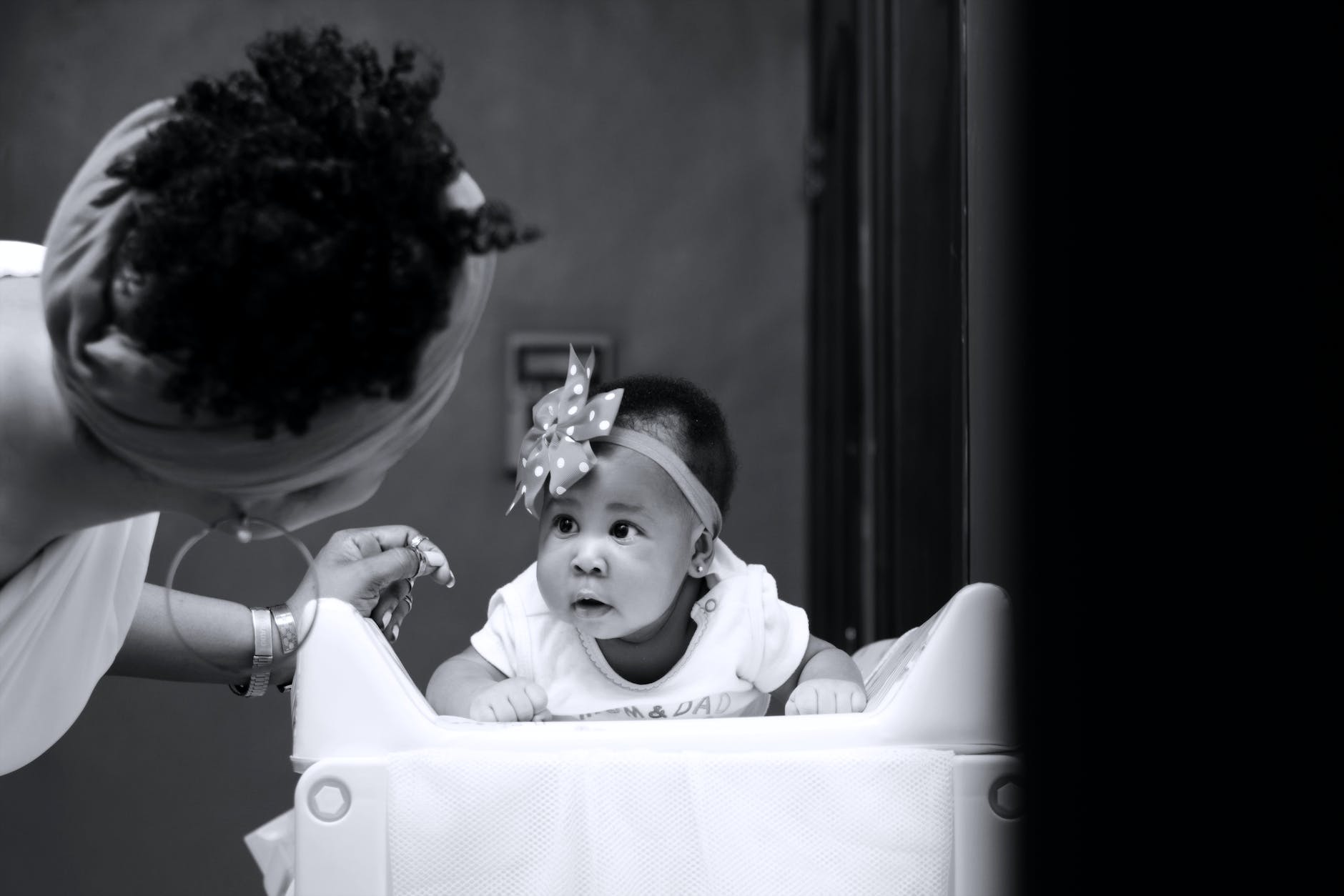
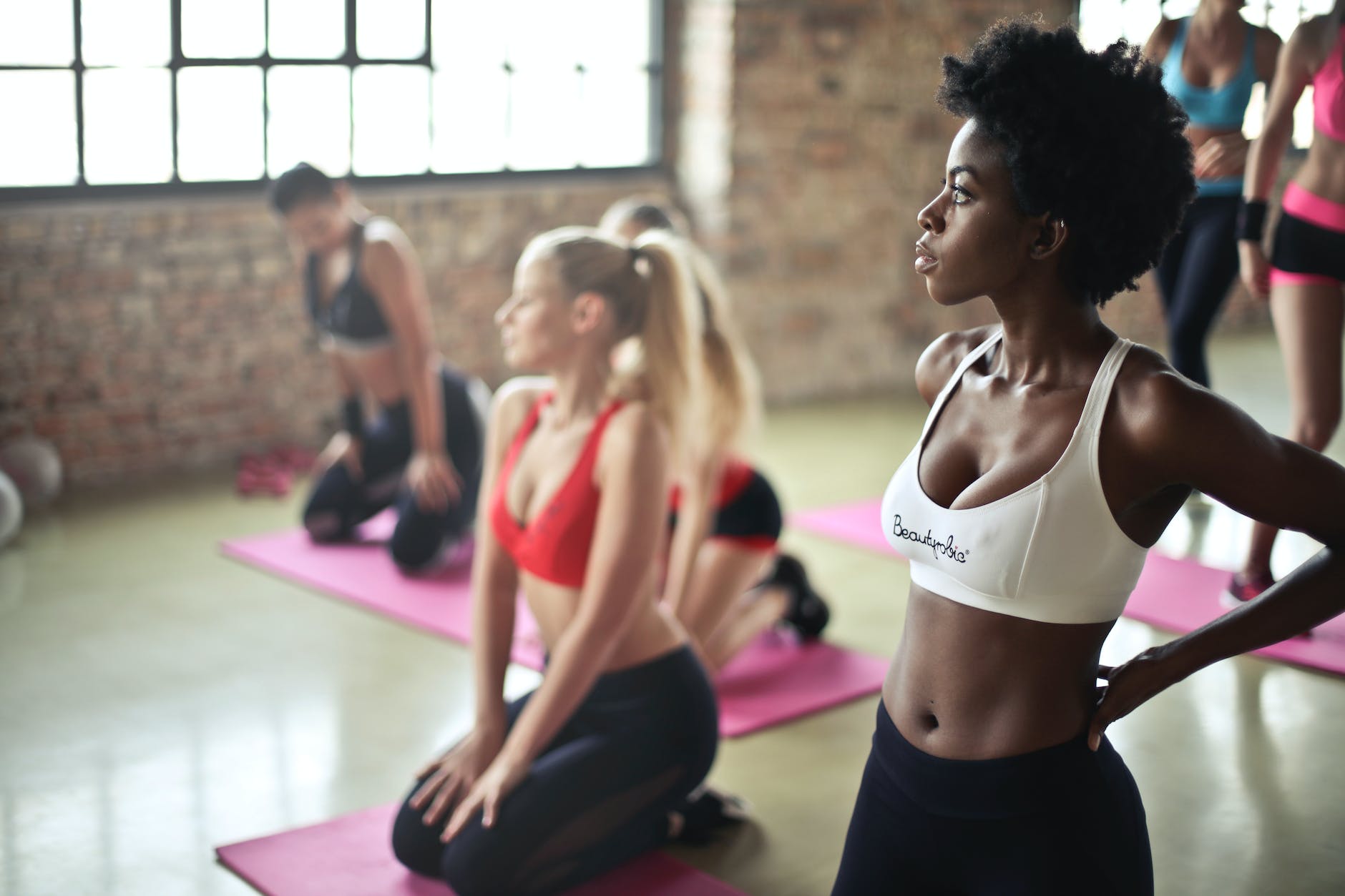


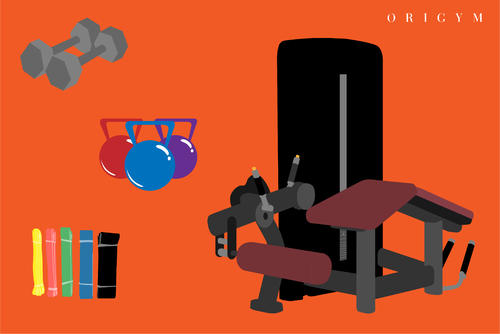
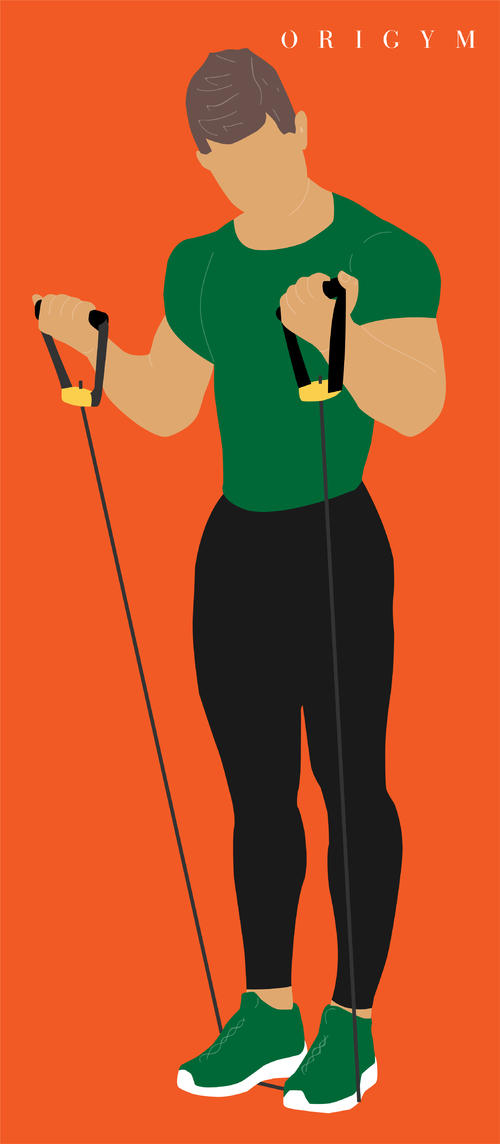
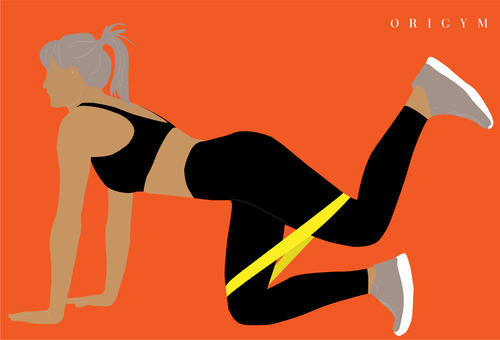

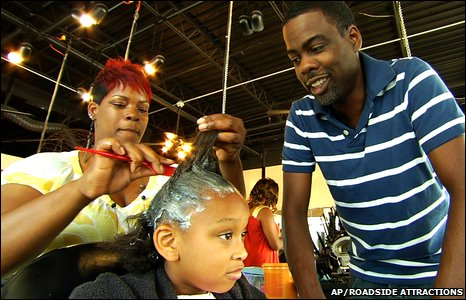
 I’ve had my hair chemicalised for the last 10 years. It’s so easy to manage because I have a lot of hair. I love it
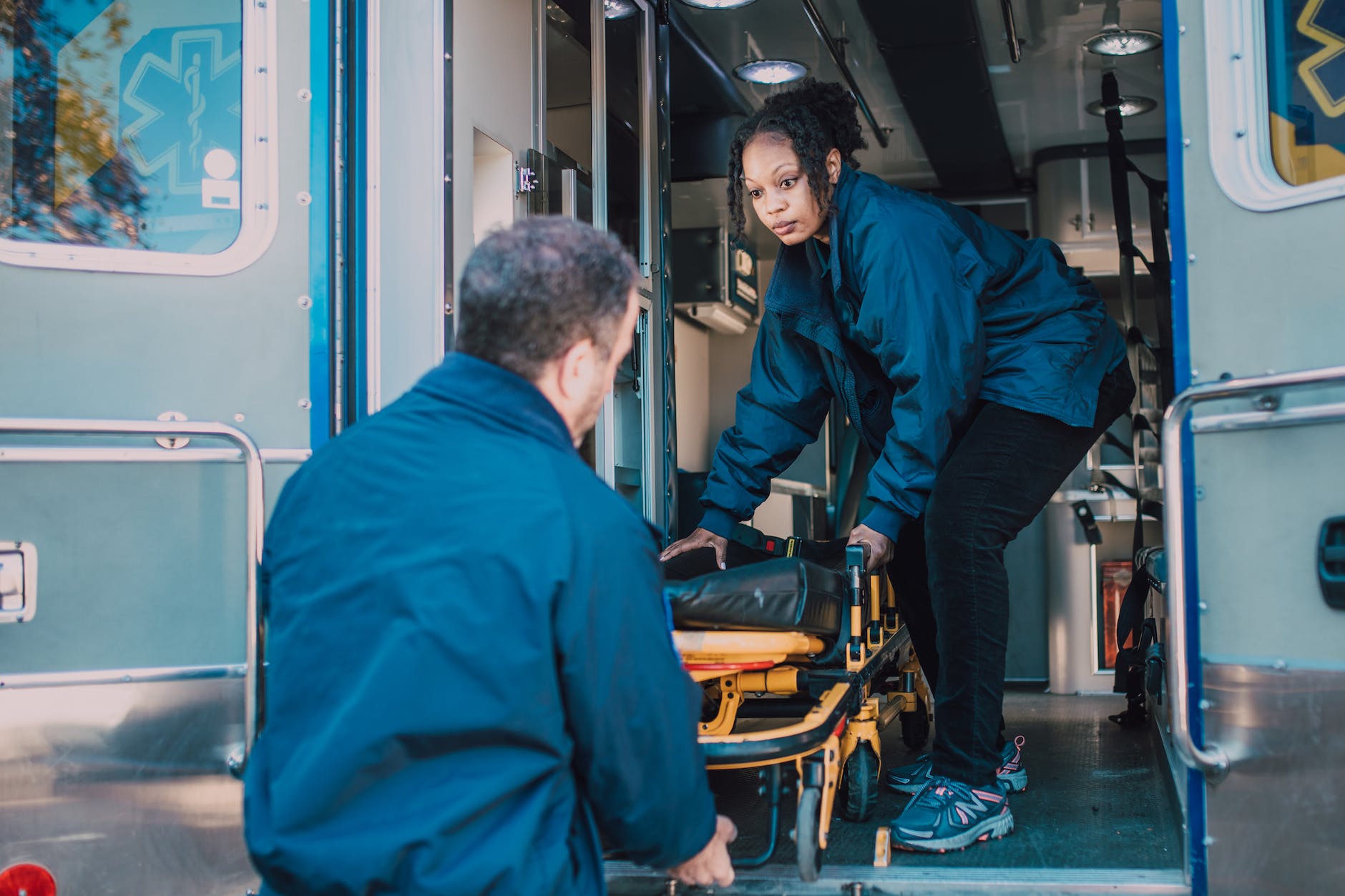
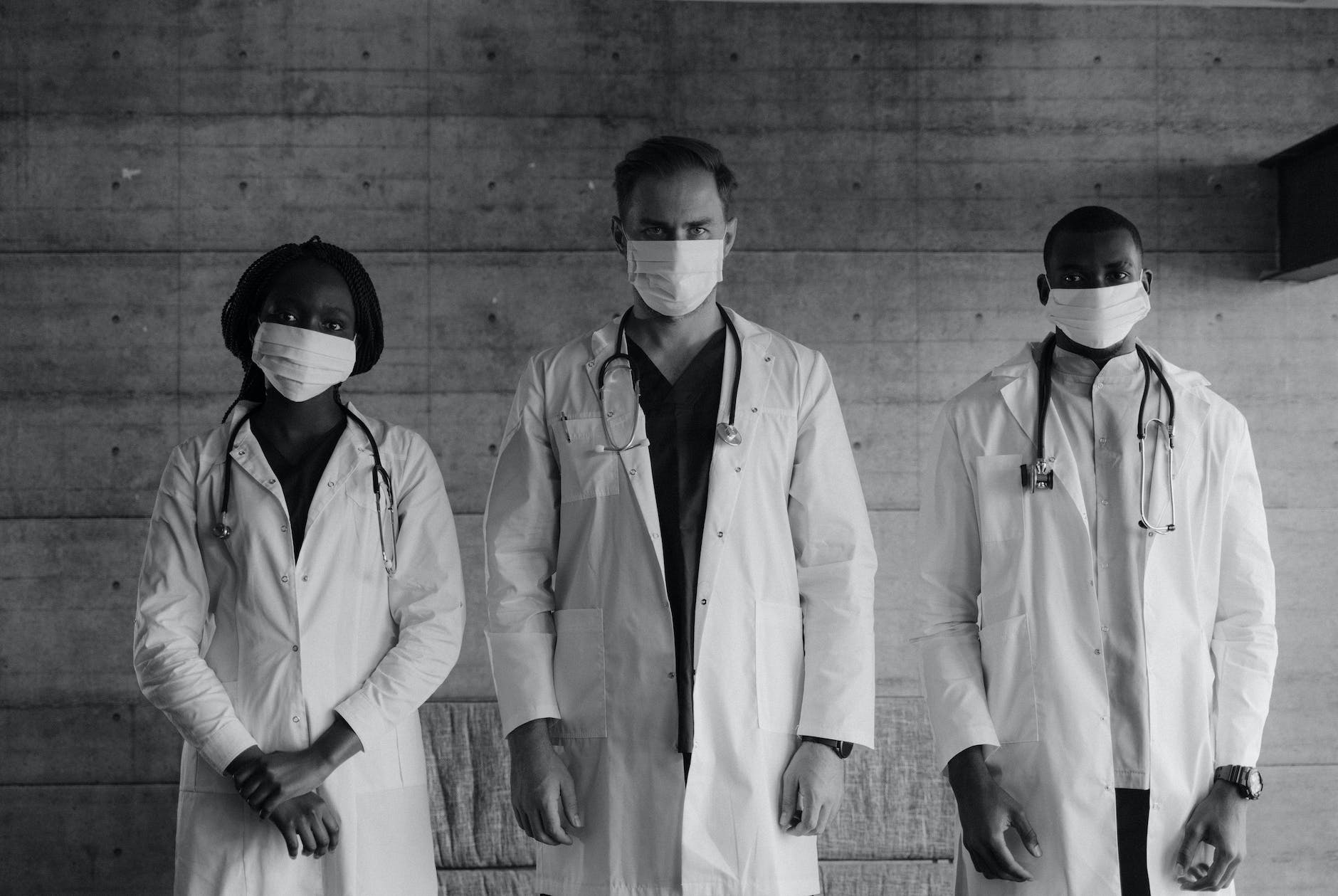


 HPS Magazine