I’ve added a donation and a paypal to the Welcome back page for those who would like to help. I’ve had the extra time to spend on the website to expand it and get it to where it can reach more people and I want to continue to do so. My medical leave has come to an end so I will be transitioning back into the work world and I know that might change my schedule of my posting. I will do my best to keep it the same. There won’t be any major changes for now. If I do decide to do a subscription only content I will definitely give you the heads up but as of now I don’t think that will happen any time soon. Donations start off at $5.00 and if you want to do less or more I appreciate the contribution to keep the website in the same format.
Rapping is a genre of music which involves a musician speaking or singing in a monotone a story, rhythmically. Almost a century before rapping came around, West African musicians would tell stories rhythmically over a drum beat on its own. Meanwhile, folk artists from the Caribbeans would also tell stories in rhyme. These musicians would lay down the foundations to modern day American rap music.Share
Rapping essentially involves the speaking or chanting of rhyming lyrics, often set to a beat. The rhyming created by rappers is considered by many to be one of the most sophisticated styles of poetry. What’s more, these rhymes often address provocative subjects such as sex, violence and socio-political issues.Share
The Sugarhill Gang – One of the first rap groupsShare
1970’s
Rapping first started gaining popularity during the 1970’s in America as a street art, mainly by African-American teens. During 1973 The Sugarhill Gang released their song – Rappers delight. The song alerted music labels of the music genre. Once rap music was noticed, numerous Rap acts such as Run-DMC and N. W. A. surfaced and the genres audience began to swell. It wasn’t just African-American males who were successful either. White rap group The Beastie Boys and Female Rap group Salt’n’Pepa began to hit top of the charts. The instrumentation of most rap music during this time included 2 turntables and a mixer desk. The music was often quite slow at this time with simple beats. The music was more about the lyrics. Share
Run-DMCShare
N.W.AShare
1980’s
It wasn’t just African-American males who were successful either. By the 1980’s, white rap group – The Beastie Boys and Female Rap group – Salt’n’Pepa began to hit top of the charts.
On the African-American side of Rap music, ‘Gangsta Rap’ began to take the Rap scene by storm. Rap artists such as Ice-T and Schoolly D started the war between East Coast and West Coast Gangsta Rap.
The difference between normal rap and Gangsta Rap is that the lyrics of Gangsta Rap emphasised the gangsta lifestyle.Share
The Beastie BoysShare
Salt’n’PepaShare
Ice TShare
Schooly DShare
Late 1980’s – 1990’s
The 1990’s was when the East Coast – West Coast battle really began to get serious. with artists like Tupac Shakur (A.K.A 2-Pac) and Biggie Smallz, Both of which were East Coast Rappers. Ice-T released 6 in the mornin which is considered by critics as the first gangsta rap song.Share
Rap music started to move away from the story based lyrics about social/economic problems and began to focus more on lyrics based around being ‘Gangsta’ and shooting people. Violence was also a major theme for the lyrics of gangsta rap.Share
MC RenShare
During the early 1990’s West Coast Gangsta Rap had developed a sub genre – G-Funk.
G-Funk has a distinctive sound which involves melodic synthesizers, slow hypnotic grooves, deep bass and a high pitch synthesizer lead. Snoop Dogg had one of the largest influences on G-Funk with songs like “Nuthin but a G Thang” and “Tha Shiznit” as well as a song called “G-Funk”.Share
West Coast
In 1986 Jerry Feller and Eazy-E founded Ruthless Records. Shortly afterwards the group N. W. A. released their EP – Panic Zone. The EP included songs such as 8 Ball by Eazy-E, and the well-known Dope Man by Ice Cube Despite its popularity, “Dope Man” was never released as a proper single. In a way, the song set the bar for later hits with its profanity-driven lyrics.Share
A financial disagreement saw Arabian Prince leave The N. W. A. His position was filled by MC Ren just before the release of the ground breaking Straight Outta Compton.
The group later broke up because of financial issues.
Eazy-E still owned Ruthless Records.Share
Eazy EShare
Dr Dre released one of the most influential Hip-Hop albums of all time – The Chronic. By the 1990’s The west coast had separated itself as the dominant side of Hip-Hop music.Share
Dr DreShare
East Coast
During 1993, Wu-Tang Clan, a New York based rap group released their debut album – Enter the Wu-Tang. The album was revolutionary. It was dark, rugged and featured technical lyricism. The album put the east coast back on the radar. Nas, a Queens based rapper released his album Illmatic. The album received a 5 mic rating by The Source magazine. The album also produced 5 single status songs. The album featured menacing beats and dark narratives which created a new sound for east coast Hip-Hop. This was the start of the so-called ‘East Coast Renaissance’.Share
Rivalries
Through out the whole of the East Coast – West Coast rivalry there were many rivalries amongst individual artists from each side.
Tim Dog was a rap artist from the East Coast. He was angry because of the rejection of East Coast rap artists by record labels so decided to drop a track making angry statements to many of the West Coast artists, mainly the LA Hip-Hop scene. The track got several responses from many of the West Coast artists, even those who weren’t targeted by the original track by Tim Dog.
Bad Boy and Death Row were both music labels based in the East Coast. Notorious BIG was a rapper signed to Bad Boy records. Tupac Shakur, a rapper signed to Death Row publicly accused BIG of being apart of the shooting and robbery attack on Tupac on November 30th 1994. BIG responded with a song titled “Who Shot Ya” but claimed that it was not a dig at Tupac and he titled the song before Tupac was attacked. Suge Knight continued the rivalry when he attended a party for Jermaine Dupri. During the bash one of Knights close friends – Jake Robles was fatally shot. Knight accused Combs – a featured artist in BIGs song ‘Who Shot Ya?’.
Later that year, Knight posted the 1.4 million dollar bail of Tupac Shakur who had 5 counts of sex abuse. In exchange of posting Tupac’s bail, Tupac joined Knights label Death Row to continue the feud with Bad Boys.Share
The most infamous rivalry of the time was Tupac’s and BIGs. After BIG fired shots at Tupac in one of his songs about Tupac getting shot, Tupac made many tracks where he threw shade at BIG. BIG responded by dropping digs in some tracks not aimed at Tupac but often denied the digs being aimed towards Tupac. On 7th of September 1996, Tupac was fatally shot in a drive by shooting. He died in hospital 6 days later. It is believed that a member of the Crips gang shot Tupac after he assaulted one of their members. BIG was linked with the attack and was believed to have purchased the weapons for the Crips gang. 6 months after Tupac was killed, BIG was also fatally shot. The shooter of BIG is still unknown to this day.Share
Suge KnightShare
Tim DogShare
Biggie Smalls (BIG)Share
After the deaths of Tupac and BIG, it made other artists of the genre rethink the nature of violence in the music. Until they both died, rappers would carelessly talk about their gangster lifestyles and their gang affiliations. No matter how respectable the artists were, most of them toned down their image and lyrics.
Before the artists were killed, Hip-Hop was very much around rivalries and battle rapping. Who ever was smartest with their words was declared the winner. It is believed that rivalries is what caused the deaths of the 2 greats. It made artists think about how far rivalries should actually go. Since then, when ever a rivalry has reached boiling point, someone would step in and try to create a peaceful solution to prevent the deaths of even more greats.Share
Tupac With Biggie Smalls (BIG)Share
West Coast Hip-Hop took a turn for the worst after the deaths of the 2 greats. Tupac was the heart and soul of Death Row records. Once he died he took that with him. Soon after, Knight was sent to jail for parole violation. Dr Dre, the brains of Death Row and when Tupac died, Dre left. Death Row came to an end which caused the decline in West Coast Hip-Hop.Share
Death Row Records LogoShare
1990’s
During the wave of rivalry amongst East and West coast Hip-Hop artists there was also different things going on in the Hip-Hop scene. The genre was dominated by Jazz Rap and Alternative Hip-Hop. Towards the late 1990’s, Hip-Hop began to diversify with regional styles. New styles of Hip-Hop like Southern Rap and Atlanta Hip-Hop became a thing. As well as regional forms of the genre, it was also being implemented into other popular genres of music. Nu Metal and Neo Soul were hybrid genres of music that included rapping. Nu Metal is a form of alternative rock that includes different conventions of other genres such as rapping lyrics and grunge. Neo Soul is a genre of music that originated from Soul music and contemporary RNB. The genre consists of musical conventions from the 2 genres aswell as conventions from Hip-Hop and Jazz music.
Because of the growth in different sub genres and hybrid genres of Hip-Hop the genre as a whole began to quickly grow in popularity and was the most popular genre of music at the time.Share
Jazz Rap was different to Rap music at the time because of the lyrical content of the music. Jazz Rap was more focused less on shooting people and being ‘Gangsta’ and was more focused on girls.
The rhythm of Jazz Rap is the same as Rap music however the instrumentation is take from Jazz. The music consists of repetitive Jazz phrases played by trumpet and double bass.
Some of the most popular Rap artists at the time produced Jazz Rap music such as ‘A Tribe Called Quest’ and ‘De La Soul’Share
A Tribe Called QuestShare
Jay ZShare
Korn – Nu Metal bandShare
The Roots – Neo Soul bandShare
Snoop DoggShare
2000’s
Going into the 2000’s Hip-Hop was the most dominant music genre at the time. Hip-Hop influences continued to find their way into pop music which allowed the genre to continue growing at a rapid rate. The regional success of Hip-Hop music allowed even more regional based sub genres to grow. Southern Hip-Hop had formed a new sub genre. Crunk music was a form of Southern Hip-Hop, however, a lot more club and dance oriented. In 2005, sales of Hip-Hop music in the US began to decrease. Shortly after the sales began to decrease, Alternative Hip-Hop found its way into the mainstream. This was down to the success of The Outkast and Kanye West.Share
OutKastShare
Kanye WestShare
2010 – Contemporary Hip-Hop
After Kanye West and The Outkast recovered Hip-Hop, the genre began to rise again. Hip-Hop in general began to pick up sub genres such as trap. The growth of popularity in Hip-Hop has continued to increase over the past few years. A new age of artists known as ‘Sound Cloud’ artists have started to dominate the Hip-Hop scene. Sound Cloud artists generally stick to the Mumble Rap sub genre of Hip-Hop which consists of a basic melody accompanied by an extremely heavy bass line. The vocalist will slur his words or not actually say words but instead murmur over the backing track. Artists of this style include Fetty Wap, Future, XXXTentacion and Lil Uzi Vert. A large majority of the Hip-Hop fan base are highly critical of the mumble rap sub genre because of the lack of lyricism and the incomprehensibility of the vocalist.
There are other artists of the Hip-Hop genre that are still hugely successful such as – Kendrick Lamar, Drake, Nicki Minaj, and J.Cole.Share
Lil Uzi VertShare
Kendrick LamarShare
Drake – Nothing was the Same album coverShare
Musical Elements
After evolving from the basic ideas of the African poets who would tell stories over from beats, Rap music hadn’t changed too much. The backing track is usually an instrumental that is generated electronically, with a basic drum beat to keep the rhythm.
Dr Dre had the largest impact on the way Rap music was produced when he introduced a synthesizer into his music. This paved the way for artists in the late 1990’s and is still used in Rap music today.
Rap lyrics have changed drastically since the days of African American Rap. Now Rap artists tend to Rap about girls, drugs and money.Share
There’s no doubt that video streaming has irrevocably changed the movie industry. Two years of pandemic-related shutdowns, as well as the rise of day-and-date releases, accelerated the shift to streaming video and left many wondering whether a new normal for movie viewing was emerging. But while Meta-commissioned research shows that 38% of people surveyed grew comfortable with at-home watching during the pandemic,1 many movie fans are nevertheless eager to return to the cinema.
According to Meta research, more than one in four people surveyed reported plans to attend more movies in the next six months than in the preceding six.1 Here are the demographic cohorts driving the resurgence and the expectations they’re bringing with them to the theater.
Millennial and Gen Z women are at the forefront
It’s no surprise that younger generations are fueling the theater industry’s recovery. But while young males 18–34 made up the largest cohort attending in-person movies over the last two years, more recently, women 18–34 have increased their return to theaters at a faster rate than all other demographics, according to the Meta study.1
With younger generations increasingly coming back to the cinema, it’s clear that movie theaters still have their prominent place at the center of the cultural zeitgeist.
It’s all about immersion
There’s nothing quite like taking in special effects on a large screen in a rumbling theater. According to Meta research, 43% of people surveyed consider special effects a factor when deciding whether to attend a movie in-person.1
And that’s not the only kind of immersion moviegoers are eager for: 41% of people surveyed reported the shared experience of watching a movie as a factor in their decision to attend a theater movie.1
Ready, set, action!
The recent success of several major theatrical releases sheds light on the types of movies people are coming back to see. Meta’s study found that action/adventure and comedy are the genres most likely to lure people back to the theater.1
December 2021 marked a turning point when the release of Spider-Man: No Way Home shattered numerous records and became the third highest-grossing movie of all time.3
Looking ahead, 2022 will be an important year for the future of movie theaters. While the initial return to theaters is gaining steam, box office receipts are still far below 2019 pre-pandemic levels.2 The long-term recovery will likely hinge on how the movie industry responds to viewers’ shifting desires. If the industry can navigate the changing tastes of viewers, theater-popcorn-loving movie buffs are likely to continue to show up and strengthen the comeback of movie theaters.
Recent alterations to violent groups in the United States and to the composition of the two main political parties have created a latent force for violence that can be 1) triggered by a variety of social events that touch on a number of interrelated identities; or 2) purposefully ignited for partisan political purposes. This essay describes the history of such forces in the U.S., shares the risk factors for election violence globally and how they are trending in the U.S., and concludes with some potential paths to mitigate the problem.
One week after the 2020 U.S. presidential election, Eric Coomer, an executive at Dominion Voting Systems, was forced into hiding. Angry supporters of then-president Donald Trump, believing false accusations that Dominion had switched votes in favor of Joe Biden, published Coomer’s home address and phone number and put a million-dollar bounty on his head. Coomer was one of many people in the crosshairs. An unprecedented number of elections administrators received threats in 2020—so much so that a third of poll workers surveyed by the Brennan Center for Justice in April 2021 said that they felt unsafe and 79 percent wanted government-provided security. In July, the Department of Justice set up a special task force specifically to combat threats against election administrators.
From death threats against previously anonymous bureaucrats and public-health officials to a plot to kidnap Michigan’s governor and the 6 January 2021 attack on the U.S. Capitol, acts of political violence in the United States have skyrocketed in the last five years. The nature of political violence has also changed. The media’s focus on groups such as the Proud Boys, Oath Keepers, and Boogaloo Bois has obscured a deeper trend: the “ungrouping” of political violence as people self-radicalize via online engagement. According to the National Consortium for the Study of Terrorism and Responses to Terrorism (START), which maintains the Global Terrorism Database, most political violence in the United States is committed by people who do not belong to any formal organization.
Instead, ideas that were once confined to fringe groups now appear in the mainstream media. White-supremacist ideas, militia fashion, and conspiracy theories spread via gaming websites, YouTube channels, and blogs, while a slippery language of memes, slang, and jokes blurs the line between posturing and provoking violence, normalizing radical ideologies and activities.
These shifts have created anew reality: millionsof Americans willing to undertake, support, or excuse political violence, defined here (following the violence-prevention organization Over Zero) as physical harm or intimidation that affects who benefits from or can participate fully in political, economic, or sociocultural life. Violence may be catalyzed by predictable social events such as Black Lives Matter protests or mask mandates that trigger a sense of threat to a common shared identity. Violence can also be intentionally wielded as a partisan tool to affect elections and democracy itself. This organizational pattern makes stopping political violence more difficult, and also more crucial, than ever before.
Political Violence in the United States Historically
Political violence has a long history in the United States. Since the late 1960s, it was carried out byintensely ideological groups that pulled adherents out of the mainstream into clandestine cells, such as the anti-imperialist Weather Underground Organization or the anti-abortion Operation Rescue. In the late 1960s and 1970s, these violent fringes were mostly on the far left. They committed extensive violence, largely against property (with notable exceptions), in the name of social, environmental, and animal-rights causes. Starting in the late 1970s, political violence shifted rightward with the rise of white supremacist, anti-abortion, and militia groups. The number of violent events declined, but targets shifted from property to people—minorities, abortion providers, and federal agents.
What is occurring today does not resemble this recent past. Although incidents from the left are on the rise, political violence still comes overwhelmingly from the right, whether one looks at the Global Terrorism Database, FBI statistics, or other government or independent counts. Yet people committing far-right violence—particularly planned violence rather than spontaneous hate crimes—are older and more established than typical terrorists and violent criminals. They often hold jobs, are married, and have children. Those who attend church or belong to community groups are more likely to hold violent, conspiratorial beliefs. These are not isolated “lone wolves”; they are part of a broad community that echoes their ideas.
Two subgroups appear most prone to violence. The January 2021 American Perspectives Survey found that white Christian evangelical Republicans were outsized supporters of both political violence and the Q-Anon conspiracy, which claims that Democratic politicians and Hollywood elites are pedophiles who (aided by mask mandates that hinder identification) traffic children and harvest their blood; separate polls by evangelical political scientists found that in October 2020 approximately 47 percent of white evangelical Christians believed in the tenets of Q-Anon, as did 59 percent of Republicans. Many evangelical pastors are working to turn their flocks away from this heresy. The details appear outlandish, but stripped to its core, the broad appeal becomes clearer: Democrats and cultural elites are often portrayed as Satanic forces arrayed against Christianity and seeking to harm Christian children.
The other subgroup prone to violence comprises those who feel threatened by either women or minorities. The polling on them is not clear. Separate surveys conducted by the American Enterprise Institute and academics in 2020 and 2021 found a majority of Republicans agreeing that “the traditional American way of life is disappearing so fast” that they “may have to use force to save it.” Respondents who believed that whites faced greater discrimination than minorities were more likely to agree. Scholars Nathan Kalmoe and Lilliana Mason found that white Republicans with higher levels of minority resentment were more likely to see Democrats as evil or subhuman (beliefs thought to reduce inhibitions to violence). However, despite these feelings, the racially resentful did not stand out for endorsing violence against Democrats. Instead, the people most likely to support political violence were both Democrats and Republicans who espoused hostility toward women. A sense of racial threat may be priming more conservatives to express greater resentment in ways that normalize violence and create a more permissive atmosphere, while men in both parties who feel particularly aggrieved toward women may be most willing to act on those feelings.
The bedrock idea uniting right-wing communities who condone violence is that white Christian men in the United States are under cultural and demographic threat and require defending—and that it is the Republican Party and Donald Trump, in particular, who will safeguard their way of life. This pattern is similar to that of political violence in the nineteenth-century United States, where partisan identity was conflated with race, ethnicity, religion, and immigration status; many U.S.-born citizens felt they were losing cultural power and status to other social groups; and the violence was committed not by a few deviant outliers, but by many otherwise ordinary citizens engaged in normal civic life.
Changing social dynamics were the obvious spur for this violence, but it often yielded political outcomes. The ambiguity incentivized and enabled politicians to play with fire, deliberately provoking violence while claiming plausible deniability. In the 1840s and 1850s, from Maine and Maryland to Kentucky and Louisiana, the Know-Nothing party incited white Protestants to riot against mostly Catholic Irish and Italian immigrants (seen as both nonwhite and Democratic Party voters). When the Know-Nothings collapsed in 1855 in the North and 1860 in the South, anti-Catholic violence suddenly plummeted, despite continued bigotry. In the South, white supremacist violence was blamed on racism, but the timing was linked to elections. After the Supreme Court ruled in 1883 that the federal government lacked jurisdiction over racist terror, overturning the 1875 Civil Rights Act, violence became an open campaign strategy for the Democratic Party in multiple states. Lynchings were used in a similar manner. While proximate causes were social and economic, their time and place were primed by politics: Lynchings increased prior to elections in competitive counties. Democratic Party politicians used racial rhetoric to amplify anger, then allowed violence to occur, to convince poor whites that they shared more in common with wealthy whites than with poor blacks, preventing the Populist and Progressive Parties from uniting poor whites and blacks into a single voting base. As Jim Crow laws enshrined Democratic one-party control, lynchings were not needed by politicians. Their numbers fell swiftly; they were no longer linked to elections.
Risk Factors for Election Violence
Globally, four factors elevate the risk of election-related violence, whether carried out directly by a political party through state security or armed party youth wings, outsourced to militias and gangs, or perpetrated by ordinary citizens: 1) a highly competitive election that could shift the balance of power; 2) partisan division based on identity; 3) electoral rules that enable winning by exploiting identity cleavages; and 4) weak institutional constraints on violence, particularly security-sector bias toward one group, leading perpetrators to believe they will not be held accountable for violence.
The rise of the Hindu-nationalist Bharatiya Janata Party (BJP) illustrates this dynamic. In 2002, a train fire killed Hindu pilgrims returning to Gujarat, India, from a contested sitein Ayodhya. An anti-Muslim pogrom erupted. India’s current prime minister, the BJP’s Narendra Modi, was then chief minister of Gujarat. During three days of violence directed almost entirely against Muslims, he allowed the police to stand by and afterward refused to prosecute the rioters. The party won state legislative elections later that year by exploiting Hindu-Muslim tensions to pry Hindu voters from the Congress Party. The party has since stoked ethnic riots to win in contested areas across the country, and Modi reprised the strategy as prime minister.
In India’s winner-take-all electoral system, mob violence can potentially swing elections. Though fueled by social grievance, mob violence is susceptible to political manipulation. This is the form of electoral violence most like what the United States is experiencing, and it is particularly dangerous. Social movements have goals of their own. Though they may also serve partisan purposes, they can move in unintended directions and are hard to control.
Today, the risk factors for electoral violence are elevated in the United States, putting greater pressure on institutional constraints.
Highly competitive elections that could shift the balance of power: Heightened political competition is strongly associated with electoral violence. Only when outcomes are uncertain but close is there a reason to resort to violence. For much of U.S. history, one party held legislative power for decades. Yet since 1980, a shift in control of at least one house of Congress was possible—and since 2010, elections have seen a level of competition not seen since Reconstruction (1865–77).
Partisan division based on identity: Up to the 1990s, many Americans belonged to multiple identity groups—for example, a union member might have been a conservative, religious, Southern man who nevertheless voted Democratic. Today, Americans have sorted themselves into two broad identity groups: Democrats tend to live in cities, are more likely to be minorities, women, and religiously unaffiliated, and are trending liberal.Republicans generally live in rural areas or exurbs and are more likely to be white, male, Christian, and conservative. Those who hold a cross-cutting identity (such as black Christians or female Republicans) generally cleave to the other identities that align with their partisan “tribe.”
As political psychologist Lilliana Mason has shown, greater homogeneity within groups with fewer cross-cutting ties allows people to form clearer in- and out-groups, priming them for conflict. When many identities align, belittling any one of them can trigger humiliation and anger. Such feelings are heightened by policy differences but are not about policy; they are personal, and thus are more powerful. These real cultural and belief differences are at the heart of the cultural conflicts in the United States.
U.S. party and electoral institutions are intensifying rather than reducing these identity cleavages. The alignment of racial and religious identity with political party is not random. Sorting began after the passage of the Civil Rights Act in 1965 as whites who disagreed with racial equality fled the Democratic Party. A second wave—the so-called Reagan Democrats, who had varied ideological motivations, followed in 1980 and 1984. A third wave, pushed away from the Democratic Party by the election of Barack Obama and attracted by Trump’s 2016 presidential campaign, drew previous swing voters who were particularly likely to define “Americanness” as white and Christian into the Republican Party.
A 2016 Pew Research Center poll found that 32 percent of U.S. citizens believed that to be a “real American,” one must be a U.S.-born Christian. But among Trump’s primary voters, according to a 2017 Voter Study Group analysis, 86 percent thought it was “very important” to have been born in the United States; 77 percent believed that one must be Christian; and 47 percent thought one must also be “of European descent.”16 According to Democracy Fund voter surveys, during the 2016 primaries, many economic conservatives, libertarians, and other traditional Republican groups did not share these views on citizenship. By 2020, however, white identity voters made up an even larger share of the Republican base. Moreover, their influence is greater than their numbers because in the current U.S. context—where identities are so fixed and political polarization is so intense—swing voters are rare, so it is more cost-effective for campaigns to focus on turning out reliable voters. The easiest way to do this is with emotional appeals to shared identities rather than to policies on which groups may disagree. This is true for both Republicans and Democrats.
The Democratic Party’s base, however, is extremely heterogeneous. The party must therefore balance competing demands—for example, those of less reliable young “woke” voters with those of highly reliable African American churchgoers, or those of more-conservative Mexican American men with those of progressive activists. In contrast, the Republican Party is increasingly homogenous, which allows campaigns to target appeals to white, Christian, male identities and the traditional social hierarchy.
The emergence of large numbers of Americans who can be prompted to commit political violence by a variety of social events is thus partially an accidental byproduct of normal politics in highly politically sorted, psychologically abnormal times. Even in normal times, people more readily rally to their group’s defense when it is under attack, which is why “they are out to take your x” is such a time-honored fundraising and get-out-the-vote message. Usually, such tactics merely heighten polarization. But when individuals and societies are highly sorted and stressed, the effects can be much worse. Inequality and loneliness, which were endemic in the United States even before the covid-19 pandemic and have only gotten worse since, are factors highly correlated with violence and aggression. Contagious disease, meanwhile, has led to xenophobic violence historically.
The confluence of these factors with sudden social-distancing requirements, closures of businesses and public spaces, and unusually intrusive pandemic-related government measures during an election year may have pushed the more psychologically fragile over the edge. Psychologists have found that when more homogenous groups with significant overlap in their identities face a sense of group threat, they respond with deep anger. Acting on that anger can restore a sense of agency and self-esteem and, in an environment in which violence is justified and normalized, perhaps even win social approval.
The sorts of racially coded political messages that have been in use for decades will be received differently in a political party whose composition has altered to include a greater percentage of white identity voters. Those who feel that their dominant status in the social hierarchy is under attack may respond violently to perceived racial or other threats to their status at the top. But those lower on the social ladder may also resort to violence to assert dominance over (and thus psychological separation from) those at the bottom—for example, minority men over women or other minorities, one religious minority over another, or white women over minority women. Antisemitism is growing among the young, and exists on the left, but is far stronger on the right, and is particularly salient among racial minorities who lean right. On the far-left, violent feelings are emerging from the same sense of group threat and defense, but in mirror-image: Those most willing to dehumanize the right are people who see themselves as defending racial minorities.
Republicans and Democrats have been espousing similar views on the acceptability of violence since 2017, when Kalmoe and Mason began collecting monthly data.
Between 2017 and 2020, Democrats and Republicans were extremely close in justifying violence, with Democrats slightly more prone to condone violence—except in November 2019, the month before Trump’s first impeachment, when Republican support for violence spiked. Both sides also expressed similarly high levels of dehumanizing thought: 39 percent of Democrats and 41 percent of Republicans saw the other side as “downright evil,” and 16 percent of Democrats and 20 percent of Republicans said that their opponents were “like animals.” Such feelings can point to psychological readiness for violence. Separate polling found lower but still comparable levels: 4 percent of Democrats and 3 percent of Republicans believed in October 2020 that attacks on their political opponents would be justified if their party leader alleged the election was stolen; 6 percent of Democrats and 4 percent of Republicans believed property damage to be acceptable in such a case.
The parallel attitudes suggest that partisan sorting and social pressures were working equally on all Americans, although Republicans may have greater tolerance for online threats and harassment of opponents and opposition leaders. Yet actual incidents of political violence, while rising on both sides, have been vastly more prevalent on the right. Why has the right been more willing to act on violent feelings?
The clue lies in the sudden shift in attitudes in October 2020, when after maintaining similarity for years, Republicans’ endorsements of violence suddenly leapt across every one of Kalmoe and Mason’s questions regarding the acceptability of violence; findings that were repeated in other polling. In January 2020, 41 percent of Republicans agreed that “a time will come when patriotic Americans have to take the law into their own hands”; a year later, after the January 6 insurrection, 56 percent of Republicans agreed that “if elected leaders will not protect America, the people must do it themselves even if it requires taking violent action.” Moral disengagement also spiked: By February 2021, more than two-thirds of Republicans (and half of Democrats) saw the other party as “downright evil,”; while 12 percent more Republicans believed Democrats were less than human than the other way around.
The false narrative of a stolen 2020 election clearly increased support for political violence. Those who believed the election was fraudulent were far more likely to endorse coups and armed citizen rebellion; by February 2021, a quarter of Republicans felt that it was at least “a little” justified to take over state government buildings with violence to advance their political goals.This politically driven false narrative points to the role of politicians since 2016 in fueling the difference in violence between right and left. As has been found in Israel and Germany, domestic terrorists are emboldened by the belief that politicians encourage violence or that authorities will tolerate it.
It is not uncommon for politicians to incite communal violence to affect electoral outcomes. In northern Kenya, voters call this “war by remote control.” Incumbent leaders who fear losing are particularly prone to using electoral violence to intimidate potential opponents, build their base, affect voting behavior and election-day vote counts, and, failing all that, to keep themselves relevant or at least out of jail.Communal violence can clear opposition voters from contested areas, altering the demographics of electoral districts, as happened in Kenya’s Rift Valley in 2007 and the U.S. South during Reconstruction. Violent intimidationcan keep voters away from the polls, as has occurred since the 1990s in Bangladesh; from the 1990s through 2013 in Pakistan; and in the U.S. South in the 1960s.
Communal violence often flares in contested districts where it is politically expedient, as in Kenya and India. Likewise, political violence in the United States has been greatest in suburbs where Asian American and Hispanic American immigration has been growing fastest, particularly in heavily Democratic metropoles surrounded by Republican-dominated rural areas. These areas, where white flight from the 1960s is meeting demographic change, are areas of social contestation. They are also politically contested swing districts. Most of the arrested January 6 insurrectionists hailed from these areas rather than from Trump strongholds. Post Election violence can also be useful to politicians. They can manipulate angry voters who believe their votes were stolen into using violence to influence or block final counts or gain leverage in power-sharing negotiations, as occurred in Kenya in 2007 and Afghanistan in 2019.
Not all political violence directly serves an electoral purpose. Using violence to defend a group bonds members to the group. Thus violence is a particularly effective way to build voter “intensity.” In 1932, young black-clad militants of the British Union of Fascists roamed England’s streets, picking fights and harassing Jews. The leadership of the nascent party realized that its profile grew whenever the “blackshirts” got into violent confrontations. Two years later, the party held a rally of nearly fifteen-thousand people that became a brutal melee between blackshirts and antifascist protestors. After the clash (which was not fully spontaneous), people queued to join the party for the next two days and nights and membership soared.As every organizer knows, effective mobilization requires keeping supporters engaged. Given the role of gun rights to Republican identity, armed rallies can mobilize supporters and expand fundraising. Yet even peaceful rallies of crowds carrying automatic weapons can intimidate people who hold opposing views.
Finally, politicians may personally benefit from violent mobilization that is not election-related. In South Africa, former president Jacob Zuma spent years cultivating ties with violent criminal groups in his home state of Kwa-Zulu Natal. When he was out of office and on trial for corruption and facing jail time for contempt of court, he activated those connections to spur a round of violence and looting on a scale not seen in South Africa since apartheid. Vast inequality, unemployment, and other social causes allowed for plausible deniability—many looters with no political ties were just joining in the fracas. Zuma has, as of this writing, avoided imprisonment due to undisclosed “medical reasons.”
Electoral rules enable winning by exploiting identity cleavages:The fissures in divided societies such as the United States can be either mitigated or enhanced by electoral systems. The U.S. electoral system comprises features that are correlated with greater violence globally. Winner-take-all elections are particularly prone to violence, possibly because small numbers of voters can shift outcomes. Two-party systems are also more correlated with violence than are multiparty systems, perhaps because they create us-them dynamics that deepen polarization. Although multiparty systems allow more-extreme parties to gain representation, such as Alternative for Germany or Golden Dawn in Greece, they also enable other parties to work together against a common threat. The U.S. system is more brittle. A two-party system can prevent the representation of fringe views, as occurred for years in the United States—for example, American Independent Party candidate George Wallace won 14 percent of the popular vote in 1968 but no representation. Yet because party primaries tend to be low-turnout contests with highly partisan voters, small factions can gain outsized influence over a mainstream party. If that happens, extreme politicians can gain control over half of the political spectrum—leaving that party’s voters nowhere to turn.
Weak institutional constraints on violence:The United States suffers from three particularly concerning institutional weaknesses today—the challenge of adjudicating disputes between the executive and legislative branches inherent in presidential majoritarian systems, recent legal decisions enhancing the electoral power of state legislatures, and the politicization of law enforcement and the courts.
Juan Linz famously noted that apart from the United States, few presidential majoritarian systems had survived as continuous democracies. One key reason was the problem of resolving disputes between the executive and legislative branches. Because both are popularly elected, when they are held by different parties stalemates between the two invite resolution through violence. Such a dynamic drove state-level electoral violence throughout the nineteenth century, not only in the Reconstruction South, but also in Pennsylvania, Maine, Rhode Island, and Colorado. It is thus particularly concerning that in the last year, nine states have passed laws to give greater power to partisan bodies, particularly state legislatures.The U.S. Supreme Court has also made several recent decisions vesting greater power over elections in state legislatures. These trends are weakening institutional guardrails against future political violence.
When law and justice institutions are believed to lean toward one party or side of an identity cleavage, political violence becomes more likely. International cases reveal that groups that believe they can use violence without consequences are more likely to do so. The U.S. justice system, police, and military are far more professional and less politicized than those of most developing democracies that face widespread electoral violence. Longstanding perceptions that police favor one side are supported by Armed Conflict Location and Event Data Project (ACLED) data showing that police used far greater force at left-wing protests than at right-wing protests throughout 2020. Despite this conservative ideological tilt, party affiliation and feelings were more complicated: Law enforcement was also a target of right-wing militias, and partisan affiliation (based on donations) had previously been mixed due to union membership and other cross-cutting identities that connected police to the Democratic Party. In 2020, however, donations from individual law enforcement officers to political parties increased, and they tilted far toward the Republican Party, suggesting that the polarizing events of 2020 have led them to sort themselves to the right and deepen their partisanship.
How to Counter the Trends
Interventions in five key areas could help defuse the threat of political violence in the United States: 1) election credibility, 2) electoral rules, 3) policing, 4) prevention and redirection, and 5) political speech. The steps best taken depend on who is in power and who is committing the violence. Technical measures to enhance election credibility and train police can reduce inadvertent violence from the state. But such technical solutions will fail if the party in power is inciting violence, as happens more often than not. In that case, behind-the-scenes efforts to help parties and leaders strike deals or mediate grievances can sometimes keep violence at bay. In Kenya, for instance, two opposing politicians accused of leading election violence in 2007 joined forces to run as president and vice-president; their alliance enabled a peaceful election in 2013. Ironically, strong institutions, low levels of corruption, and reductions in institutionalized methods of elite deal-making (such as Congressional earmarks) make such bargains more difficult in the United States. However, the United States is helped by its unusually high level of federalism in terms of elections and law enforcement, because if one part of “the state” is acting against reform, it may still be possible at another level.
More credible elections:While there was no widespread fraud in the 2020 U.S. elections, international election experts agree that the U.S. electoral system is antiquated and prone to failure. The proposed Freedom to Vote Act, which enhances cybersecurity, protects election officers, provides a paper trail for ballots, and provides proper training and funding for election administration, among other measures, could offer the sort of bipartisan compromise that favors neither side and would shore up a problematic system. But if it is turned into a political cudgel, as is likely, it will fail to reassure voters, despite its excellent provisions.
Changing the electoral rules: Whether politicians use violence as a campaign strategy is shaped by the nature of the electoral system. A seminal study on India by Steven Wilkinson suggests that where politicians need minority votes to win, they protect minorities; where they do not, they are more likely to incite violence. By this logic, Section 2 of the U.S. Voting Rights Act of 1965, which allows for gerrymandering majority-minority districts to ensure African American representation in Congress, may inadvertently incentivize violence by making minority votes unnecessary for Republican wins in the remaining districts. While minority representation is its own valuable democratic goal, creating districts where Republicans need minority votes to win—and where Democrats need white votes to win—might reduce the likelihood of violence.
Whether extremists get elected and whether voters feel represented or become disillusioned with the peaceful process of democracy can also be affected by electoral-system design. Thus postconflict countries often redesign electoral institutions. For example, a major plank of the 1998 Good Friday Agreement that ended the Troubles in Northern Ireland involved introducing a type of ranked-choice voting with multimember districts to increase a sense of representation. There are organizations in the United States today that are advocating various reform measures—for example, eliminating primaries and introducing forms of ranked-choice voting or requiring lawmakers to win a majority of votes to be elected (currently the case in only a handful of states)—that could result in fewer extremists gaining power while increasing voter satisfaction and representation.
Fairer policing and accountability: Even in contexts of high polarization, external deterrence and societal norms generally keep people from resorting to political violence. Partisans who are tempted to act violently should know that they will be held accountable, even if their party is in power. Minority communities, meanwhile, need assurance that the state will defend them.
A number of police-reform measures could help. Police training in de-escalation techniques and nonviolent protest and crowd control, support for officers under psychological strain, improved intelligence collection and sharing regarding domestic threats, and more-representative police forces would all help deter both political violence and police brutality. Publicizing such efforts would demonstrate to society that the government will not tolerate political violence.
Meanwhile, swift justice for violence, incitement, and credible threats against officials—speedy jail sentences, for instance, even if short—is also crucial for its signaling and deterrent value. So are laws that criminalize harassment, intimidation, and political violence.
Prevention and redirection: Lab experiments have found that internal norms can be reinforced by “inoculating” individuals with warnings that people may one day try to indoctrinate them to extremist beliefs or recruit them to participate in acts of political violence. Because no one likes to be manipulated, the forewarned organize their mental defenses against it. The technique seems promising for preventing younger people from radicalization, though it requires more testing among older partisans whose beliefs are strongly set.
A significant portion of those engaged in far-right violence are also under mental distress. People searching online for far-right violent extremist content are 115 percent more likely to click on mental-health ads; those undertaking planned hate crimes show greater signs of mental illness than does the general offender population. Groups such as Moonshot CVE are experimenting with targeted ads that can redirect people searching for extremist content toward hotlines for depression and loneliness and help for leaving violent groups.
Political speech:When political leaders denounce violence from their own side, partisans listen. Experiments using quotes from Biden and Trump show that leaders’ rhetoric has the power to de-escalate and deter violence—if they are willing to speak against their own side.
Long-term trends in social and political-party organization, isolation, distrust, and inequality, capped by a pandemic, have placed individual psychological health and social cohesion under immense strain. Kalmoe and Mason’s surveys found that in February 2021, a fifth of Republicans and 13 percent of Democrats—or more than 65 million people—believed immediate violence was justified. Even if only a tiny portion are serious, such large numbers put a country at risk of stochastic terrorism—that is, it becomes statistically near certain that someone (though it is impossible to predict who) somewhere will act if a public figure incites violence.
Thus while social factors may have created the conditions, politicians have the match to light the tinder. In recent years, some candidates on the right have been particularly willing to use violent speech and engage with groups that spread hate. Yet Democrats are not immune to these trends. Far-left violence is far lower than on the right, but rising. The firearm industry’s trade association found that, in 2020, 40 percent of all legal gun sales were to first-time buyers, and 58 percent of those five-million new owners were women and African Americans. Kalmoe and Mason’s February 2020 polling found that 11 percent of Democrats and 12 percent of Republicans agreed that it was at least “a little” justified to kill opposing political leaders to advance their own political goals. With both the left and the right increasingly armed, viewing the other side as evil or subhuman, and believing political violence to be justified, the possibility grows of tit-for-tat street warfare, like the clashes between antifascist protesters and Proud Boys in Portland, Oregon, from 2020 through this writing. If Democrats have been less likely to act on these beliefs, it is likely because Democratic politicians have largely and vocally spoken out against violence.
Although political violence in the United States is on the rise, it is still lower than in many other countries. Once violence begins, however, it fuels itself. Far from making people turn away in horror, political violence in the present is the greatest factor normalizing it for the future. Preventing a downward spiral is therefore imperative.
2. See the Global Terrorism Database maintained by the National Consortium for the Study of Terrorism and Responses to Terrorism at the University of Maryland, the dataset of extremist far-right violent incidents maintained by Arie Perliger at the University of Massachusetts, Lowell, and FBI data on hate crimes.
3. Robert O’Harrow, Jr., Andrew Ba Tran, and Derek Hawkins, “The Rise of Domestic Extremism in America,” Washington Post, 12 April 2021.
7. Nathan P. Kalmoe and Lilliana Mason, Radical American Partisanship: Mapping Violent Hostility, Its Causes, and the Consequences for Democracy(Chicago: University of Chicago Press, forthcoming [2022]), 105, 109.
9. Susan Olzak, “The Political Context of Competition: Lynching and Urban Racial Violence, 1882–1914,” Social Forces 69 (December 2020): 395–421; Ryan Hagen, Kinga Makovi, and Peter Bearman, “The Influence of Political Dynamics on Southern Lynch Mob Formation and Lethality,” Social Forces 92 (December 2013): 757-87.
10. Brad Epperly, Christopher Witko, Ryan Strickler, and Paul White, “Rule by Violence, Rule by Law: Lynching, Jim Crow, and the Continuing Evolution of Voter Suppression in the U.S.,” Perspectives on Politics18 (September 2020): 756-69.
11. Sarah Birch, Ursula Daxecker, and Kristine Hӧglund, “Electoral Violence: An Introduction,” Journal of Peace Research 57 (January 2020): 3–14.
12. Steven I. Wilkinson, Votes and Violence: Electoral Competition and Ethnic Riots in India (Cambridge: Cambridge University Press, 2004).
13. Frances E. Lee, Insecure Majorities: Congress and the Perpetual Campaign (Chicago: University of Chicago Press, 2016).
14. Lilliana Mason, Uncivil Agreement: How Politics Became Our Identity (Chicago: University of Chicago Press, 2018).
15. Tyler T. Reny, Loren Collingwood, and Ali A. Valenzuela, “Vote Switching in the 2016 Election: How Racial and Immigration Attitudes, Not Economics, Explain Shifts in White Voting,” Public Opinion Quarterly 83 (Spring 2019): 91–113; John Sides, Michael Tesler, and Lynn Vavreck, Identity Crisis: The 2016 Presidential Campaign and the Battle for the Meaning of America (Princeton: Princeton University Press, 2018).
17. Costas Panagopoulos, “All About That Base: Changing Campaign Strategies in U.S. Presidential Elections,” Party Politics 22 (March 2016): 179–90.
18. Pablo Fajnzylber, Daniel Lederman, and Norman Loayza, “Inequality and Violent Crime,” Journal of Law and Economics 45 (April 2002): 1–39; James V. P. Check, Daniel Perlman, and Neil M. Malamuth, “Loneliness and Aggressive Behavior,” Journal of Social and Personal Relationships 2 (September 1985): 243–52; Mark Schaller and Justin H. Park, “The Behavioral Immune System (and Why It Matters),” Current Directions in Psychological Science 20 (April 2011): 99–103.
20. Kalmoe and Mason, Radical American Partisanship; Noelle Malvar et al., “Democracy for President: A Guide to How Americans Can Strengthen Democracy During a Divisive Election,” More in Common, October 2020, https://democracyforpresident.com/topics/election-violence.
21. The Democracy Fund’s 2019 VOTER Survey shows 10-point gaps for each in December 2019; however, monthly Kalmoe and Mason polling shows no gap, and Bright Line Watch polling in 2020 shows splits of less than 6 and 3 percent for identically worded questions.
22. Kalmoe and Mason, Radical American Partisanship, 83–90.
23. Bartels, “Ethnic Antagonism Erodes Republicans’ Commitment to Democracy”; Cox, “Support for Political Violence.”
24. Kalmoe and Mason, Radical American Partisanship, 86.
25. Kalmoe and Mason, Radical American Partisanship, 164, 90.
31. G. Bingham Powell, Jr., “Party Systems and Political System Performance: Voting Participation, Government Stability and Mass Violence in Contemporary Democracies,” American Political Science Review 75, no. 4 (1981): 861–79; Hanne Fjelde and Kristine Höglund, “Electoral Institutions and Electoral Violence in Sub-Saharan Africa,” British Journal of Political Science 46 (April 2016): 297–320.
35. Kurt Braddock, “Vaccinating Against Hate: Using Inoculation to Confer Resistance to Persuasion by Extremist Propaganda,” Terrorism and Political Violence (2019), 1–23.
37. Kalmoe and Mason, Radical American Partisanship, 180-87; Matthew A. Baum and Tim Groeling, “Shot by the Messenger: Partisan Cues and Public Opinion Regarding National Security and War,” Political Behavior 31 (June 2009): 157–86; Susan Birch and David Muchlinski, “Electoral Violence Prevention: What Works?” Democratization 25 (April 2018): 385–403.
There are times in life when your best bud will do something and you’ll sit there and think “if anyone else did that, I’d be so annoyed right now”. That’s not to say your best friend doesn’t annoy you – that’s probably why they’re your best friend – but somehow they seem to get away with absolutely everything.
So we’ve made a list of all the annoying things your best bud does… yet gets off scot-free.
1) THEY’RE NEVER ON TIME
It doesn’t matter what time you tell them, they’ll always be late. You can tell them you’ll be there in half an hour, two hours time, even give them three days to get ready and you know they’ll still be 5 minutes late just to get on your nerves. It’s almost impressive how good they are at it.
2) THEY KNOW EVERYTHING
Easily the worst part of having a best mate is the fact they know everything you’ve ever done. Even the things you’ve forgotten about. And, for some reason, they only remember the embarrassing stuff.
3) THEY USE IT AGAINST YOU
It doesn’t matter how much you trust them, you never know when they’ll next embarrass you with stories about that time you farted out loud in class in year 5.
4) THEY TRIP YOU OVER
It’s classic banter to trip up your buddy or make them walk into things or push them into bushes. And your best mate knows this. And does it to you. Regularly
5) THEY COME ROUND AND EAT YOUR FOOD
Like when they come over to yours and eat three packets of crisps. Do they not have crisps at home? Animals.
6) THEN THEY NEVER LEAVE
Oh that’s it, by the way. Once they’ve come round they’re staying. And they’ll always stay that extra bit longer than you want just to annoy you. Just hope your parents don’t ask if they’re staying for dinner.
7) THEY KNOW THAT ONE THING THAT ANNOYS YOU
They know exactly what to do to push your buttons. That exact one thing. Like making loud eating sounds because they know it really, really gets on your nerves.
8) AND THEY KNOW WHEN TO DO IT
They’re very timely with their annoying behaviour. They’ll message you late at night when they know you’ll be asleep just so they can wake you up again. It’s clever really.
9) AND THEY DON’T STOP DOING IT
Worst of all, it’s relentless. You’ll be sure it’s gotten old and they’ll have stopped doing it by now. But just when you expect it least, they’ll do it again. The commitment to being annoying is almost admirable. Almost…
10) THEY’LL ALWAYS BE YOUR BEST FRIEND
The most annoying thing they do is being your best mate. Forever. You’re stuck with them. You joke about getting rid of them, but really it’s great that you’ll always be best buds over long distances, time apart and even if you only see each other once a year. No matter what happens, no matter how much they embarrass the hell out of you; you wouldn’t change them for the world.
The pandemic has elevated the need for mental health therapy for millions of people. People feel isolated as they’re thrown from their normal routine into isolation, yet many aren’t seeking treatment. The problem is that there is often a negative stigma on mental health therapy.
Almost half of the people in America surveyed last year stated they are fighting their own battles with mental health issues. Millions aren’t seeking therapy because there are certain negative stigma labels put on therapy by society that leave many unable to seek help move forward in their lives.
Mental Health Stigmas
Many people refuse to normalize therapy because of the negative societal stigmas. They may feel that their loved ones just don’t understand them, yet they feel they have nowhere to turn. It’s often this lack of understanding regarding mental health issues that leads to stigmas on therapy. People are fearful of therapy because of misleading media representations. Many people understand there are medical issues that involve mental health, but they still hold a negative view.
Types of Stigma
Public Stigma – This is the stigma that the public has about mental illness. This also includes negative attitudes towards it.
Self-Stigma – This is the feeling an individual has about their mental illness. They are shameful and negative towards their mental health.
Institutional Stigma – This is more about the government and other organizations limiting the opportunities for people that have a mental illness. This might mean limiting research or funding for mental health services.
The Media’s Role in A Negative Stigma
Although we may not even be aware of it, many of us have preconceived notions about mental health due to media influences. When there is an act of violence, the media often quickly jumps to label the perpetrator as “crazy.” This person may actually have a mental illness, but they are often slapped with a derogatory term before anyone knows anything about them. Someone watching the news as this event unfolds only hears the negative terms or connotations. In turn, they may think if they seek mental health help, they will be labeled as “crazy.” They feel as if the media has roped them into the same realm as criminals.
Television and Movie Portrayals of Mental Health Issues
There are many television and movies that don’t portray mental health in a positive light either. Movies like “One Flew Over the Cuckoo’s Nest,” “Girl, Interrupted,” and “Joker” scares many people into thinking they are just like the characters. It’s crucial that media like this destigmatize therapy. In reality, most people with mental illness are nothing like the intense characters in these movies. Many people just need a little boost and a little help; someone to talk to. They aren’t going to go off the rails like the Joker.
Effects of Negative Stigma on Mental Health
One of the biggest problems with the stigma of mental health therapy is lack of opportunity. Many people that are suffering from mental health issues are held back in their professional and personal lives. Sometimes health insurance companies refuse to cover the costs of mental health help, making it virtually impossible for some to seek help. These things lead to the person suffering on their own. They cannot get the treatment they need to live a normal life. They often feel left out or unsuccessful because they cannot treat themselves.
Cultural Issues
Many times, cultural beliefs steer people away from seeking mental health help. For some in certain cultures, they will go to other family members or their primary doctor for their symptoms regarding mental health. Instead of speaking with mental health professionals, they believe others can help them. They often fear their own cultures will not accept them.
Some members of black families steer away from mental health professionals because many in their community have experienced mistreatment and racism from health providers throughout the years. They try to handle these issues independently.
Many Middle Easterners and Asian Americans believe, in their culture, that if they seek mental health help, it will bring shame to their families. They believe this will dishonor the heads of the family. Many Asian Americans are pressured by their families to have a public persona of success. Mental health help doesn’t fit into this public persona. All of these beliefs are valid for these cultures, but the negative views must be changed for the benefit of the person. If they need a higher level of help, it’s important they reach out beyond their own circle.
How to Cope with Mental Health Issues
Understand You Aren’t Crazy
Millions of people go to therapy every day. It doesn’t matter if you need help with a mental illness or you need to talk through issues, you aren’t “crazy” if you go to a therapist. You might joke around that you’re losing your mind or you are on your way to the loony bin. It’s no joking matter. You are like millions of other people that need a little help. You should normalize therapy by setting aside the negative stereotypes. The things you see in movies aren’t usually real life. A therapist understands you aren’t losing your mind and they will never treat you like you are.
Put Yourself First
You must first confront your own stigmas around counseling before you can change the rest of the world. You must see yourself in a positive light as you get ready to open up to other people. You don’t need to shout it from the mountaintops, but you can share your goals of therapy with your loved ones. If you hide it, you’re letting the stigma lead the way. Be open about the reasons you need to go to therapy. You’ll be surprised at the level of support around you. If you seem ashamed, your loved ones might start to believe in the stigmas as well. Stay on top of these thoughts. Help others see the light you’ve seen, and help them understand how therapy is helping you.
Don’t Set A Timeline
It’s important to go at your own pace when seeking mental health help. It’s tempting to wonder when you will ever be done with the process. In reality, there is no specific time it takes to heal yourself. Therapy is about working towards your goals and changing your life one step at a time. It isn’t about “fixing” anything. Don’t let the stigma of a certain timeline stop you from getting the help you need.
Be Honest
You wouldn’t lie to people when you are going to a primary care doctors’ appointment, so it’s important to be honest in mental health appointments. It’s important not to hide these appointments just because you feel there is a negative stigma. You can work to change that stigma by being open and honest about your appointments. You don’t have to share with the world everything you talked about in the appointment, but you can be open about the fact you are seeking mental healthcare. This helps change the negative stigma as people realize that not everyone is perfect.
Know Everyone Is Not the Same
Everyone you meet is fighting a battle. Mental health help is all about reflection and exploring your own thoughts. Everyone’s battle and their experience is different, so don’t ever compare yourself with someone else’s mental health journey. Your approach to therapy may be totally different than someone else’s approach to their own therapy. Each counseling journey is personalized for that specific person’s needs.
Mental Illness Is Not Your Definition
Don’t ever let your mental health issues define who you are as a person. Rather than say you are bipolar, for example, simply say you suffer from a bipolar disorder. You choose what defines you in life. Mental health issues may be a part of the person you are, but you are so much more than just the mental health diagnosis. Don’t let it rule your life. Don’t let it be your title in life. You might not be able to choose the issues, but you can choose which issues define you.
Find the Light
As you search for meaning in your mental health issues, find the light around you. Realize that you are blessed to have the ability to fight these issues. The positive outlook should outweigh the negative fears you have about mental health help. Know you are going to feel better after you get treatment. Know you are going to find the light in all things as you go through this journey. This lowers the stigma and doesn’t give it any power.
Lean On Your Own Opinions
Listening to other people’s opinions is often an obstacle for people that need mental health help. It’s crucial that you don’t let other people keep you from seeking therapy. Do your own research. Make your own opinions. Reach out to people you trust that want the best for your mental health. You can join a support group that helps you share your issues with other people. Don’t let anyone define you by your mental health issues. If you only listen to the negative opinions of others, you will find yourself in isolation and fear.
Know You Aren’t Alone
One of the most important ways to get rid of the negative stigma of seeking mental health help is to understand that you are not alone. Many people are scared to discuss their issues. They fear everyone else is leading a “perfect” life. They isolate themselves because they believe they’re the only one experiencing these issues. This is not true at all. There are millions of people that need mental health help in the world. It’s common and totally normal to seek help. You are not alone in your struggles. Once you start talking about it, you’ll see other people raise their hands to say they need help as well. The American Counseling Association stated that over 40 million Americans suffer from anxiety. They state that over 20 percent of the population fights different mental disorders. This means you are not alone at all.
Challenge the Media
Don’t let the media get away with stigmatizing mental health. They are a public outlet so it’s important they work with the audience to destigmatize therapy. If you watch a television show that depicts mental illness in a negative way, reach out to them. If someone on your social media writes derogatory comments about it, make a statement yourself. You can make a difference by reaching out to explain to them their impact on people reading and watching these stories.
Mental Health Is Just as Important as Physical Help
Your mental health is just as important as your physical health. Many people are scared to address their mental health concerns because they cannot be seen. If you are feeling physically ill, you go to a physician to find the cause. You seek medication to feel better. If you are dealing with a mental health challenge, it’s important to reach out to a mental health professional. Many people put mental health on the back-burner because they don’t understand how to heal it. Just like your physical health, mental health needs to be addressed and treated.
In Conclusion
It’s time to get rid of the negative stigmas that partner with mental health help. It’s totally normal to get help when you need it most. You need to take care of your mind and body by all means possible. Believing in mental health stigmas will only hold you back from your own true happiness.
At its core, the American Dream is the belief that every generation should enjoy greater prosperity than the generation before it. It originated with the ideal of equality, justice, and democracy for the nation but has morphed into a goal of individual prosperity—often defined by certain milestones, such as buying a home and a car, getting married, and having children.
The concept, coined during the Great Depression, has changed over time, as have the economic realities of the country. Though the above description may accurately portray the dream for baby boomers, it plays somewhat differently for younger generations.
KEY TAKEAWAYS
The American Dream has traditionally been defined as each generation achieving greater prosperity than the one before it.
Baby boomers’ version of the American Dream is different from that of Generation Xers and millennials, influenced by factors such as salaries not keeping pace with rising costs, including buying a home.
Millennials consider pursuing their passions as a much more important part of the American Dream than Gen Xers and baby boomers do.
Nationally, public opinion polling has suggested that Americans continue to believe that the American Dream is “achievable,” though pollsters note that the broad figures conceal disparities by age, gender, and race.
The Baby Boomers
For baby boomers, born between 1946 and 1964, attempts to achieve the American Dream have centered on traditional milestones of stability, such as purchasing a home and car, getting married, and having children. However, their ability to achieve that dream varied starkly depending on race.
Baby boomers came of age during a time when the United States enjoyed considerable wealth and economic security, arising partly from the country’s predominant global standing in the second half of the 20th century. The U.S. emerged from World War II economically strong and brimming with confidence. It didn’t have the rebuilding-related debt European countries did, and the factories once used to construct wartime goods were retooled as engines of economic growth and job security. The 1944 GI Bill of Rights, for example, subsidized education and home purchases for veterans.1 These trends allowed the parents of many White baby boomers to find secure, well-paying jobs, which drove patterns of high consumption. A large percentage were able to own a home, drive a new car, and have two or more children because they could afford it.
This expression of the American Dream, however, tended to be exclusionary because the first part of this period predated the 1964 Civil Rights Act.2 Only some people enjoyed the wealth and benefits associated with this time in American history. Some of the very programs aimed at improving economic mobility served to exclude many from prosperity, such as in the redlining that began during Franklin Delano Roosevelt’s administration and segregated America, pushing resources away from communities of color. During the FDR administration, to focus on that one example, federal housing policies refused to insure Black housing, in effect demanding segregation and setting up racial dynamics that continue to have an impact.3 Similarly, Black veterans of World War II did not enjoy the same benefits White veterans did.4
A PROTEAN CONCEPT
Originally, the American Dream meant “equality, justice, and democracy” for the country, having become popular as part of the Progressive Era’s reaction against what they saw as the material obsession and business corruption of the Gilded Age, historian Sarah Churchwell says. The term was popularized in 1931, during the Great Depression, by James Truslow Adams in his book TheEpic of America. It was repurposed by successive generations, becoming indelibly connected to a consumer capitalist vision of society and the notion of individual wealth during the Cold War.5 The concept has resurfaced memorably throughout American history, including in Martin Luther King Jr.’s “Letter From a Birmingham Jail.”6
Since the 20th century, changing economic and social realities have challenged—and sometimes dislodged—these traditional notions about the American Dream. Younger generations, such as Generation X, have seen a marked increase in gender equity in employment, as well as in educational credentials. They are more racially diverse than earlier generations, though continuing disparities continue to favor those who grew up in affluent, educated, predominantly White families.7 And, at the same time, student loan debt has ballooned.
Wages and Homeownership
Moreover, salaries no longer go as far as they once did, which means ideas of what constitutes the American Dream have changed for Generation X and millennials (also known as Generation Y).
Home prices have risen dramatically compared to average wages over the past several decades. In 1960, the average income for a family was $5,600, and the median home price was $11,900—2.1 times the average salary, according to the U.S. Census Bureau.89 In 2019, the median household income was a seemingly impressive $68,703, but the median home price was $315,000, which is more than four times the median yearly salary.1011 This is one potential explanation for why Generation X and millennial Americans seem less interested in homeownership than baby boomers were. Owning a home feels more and more out of reach.
Average wages, while much higher now, have about the same purchasing power as they did 40 years ago, according to a 2018 Pew Research Center study.12
Just 56% of millennials and 59% of Gen Xers see homeownership as the top ingredient of the American Dream, compared to 68% of baby boomers, according to a 2018 study by Bank of the West, which compares the three generations. Despite this, homeownership was still the top goal for millennials and Gen Xers. For boomers, it was the No.2 goal after “retiring comfortably” (73%).
Notably, more millennials and Gen Xers have expressed regret at having purchased a home than baby boomers have. The relative expense of homeownership, rather than an ideological distaste for homeownership, may explain this. More than two-thirds (68%) of millennials and 55% of Generation Xers who have bought a home have regrets, compared to just 35% of baby boomers, the study found.13
Generational Differences in the American Dream
A report from the Pew Charitable Trusts indicated that fewer than half (only 37%) of Americans believe that their children will enjoy more success than they have.7 That belief may track with the underlying economic reality for younger generations. So what does the American Dream mean to generations raised in the more challenging—but arguably somewhat more open, diverse, and egalitarian—circumstances of the late 20th and early 21st centuries?
Looking back at Generation X, the generation born between 1965 and 1980, Pew reports that it sits at a crossroads in the history of economic mobility and stability in America. Gen Xers seem to be doing less well than baby boomers.7 The underlying economic reality has changed, and so has the way that younger generations think about the American Dream, though perhaps less drastically. But this isn’t only true for Gen X.
One generation down, the millennials—who have been affected by the Great Recession and rising student loan debt—emphasize freedom and financial well-being when thinking about the American Dream.14 Millennials rank pursuing their passions much higher as part of the American Dream than older generations do, with almost half (47%) saying as much, according to the Bank of the West study. Only 29% of Gen X—and 27% of baby boomers—feel the same way.13
Remaining debt-free remains a top priority across generations. Being debt-free is the second-most-important ingredient of the American Dream for millennials—and the third for Gen Xers and baby boomers, according to the Bank of the West study. Baby boomers are still ahead of the pack in thinking so (61%), followed by millennials (51%) and Gen Xers (50%).13
The top component of the American Dream for boomers—not surprisingly, given that many are of retirement age—is retiring comfortably (73%). For Gen Xers, retirement tied for the top component with owning a home (both 59%). And, despite their youth, millennials ranked it No.3 (49%).13 Children, marriage, and owning a car are all farther down the list.
According to the 2022 Investopedia Financial Literacy Survey, generations differed on how they expect to support themselves in retirement. Gen Xers and baby boomers predict Social Security benefits will make up the bulk of their retirement income, followed by 401(k)s and pension plans. Conversely, younger generations expect that 401(k)s will be their main source of retirement income, though they’re still planning on having Social Security benefits to support themselves.
What Is The American Dream?
The American Dream is a concept central to the American identity, which holds that each generation will do better than the last. The concept has evolved considerably over the 20th century, becoming connected to a consumer capitalist vision of society.
Is the American Dream Different for Different People?
Yes, in a word. The concept, originally popularized in 1931 by James Truslow Adams, has been redefined by successive generations—and indeed differs from person to person—though it usually includes some notion of access to opportunity.
How Do Millennials Think About the American Dream?
The Great Recession, among other things, changed the economic reality of the United States, which might have caused some changes in the way younger generations, like millennials, conceive of the American Dream. Some studies have suggested millennials emphasize freedom over the postwar hallmarks of homeownership and family.
The Bottom Line
Nationally, public opinion polling has suggested that Americans continue to believe that the American Dream is “achievable,” though pollsters have noted that the broad figures conceal disparities by age, gender, and race. Some polling, for example, has suggested that Black Americans, when compared to White or Hispanic Americans, are both more likely to be dissatisfied with their actual financial situation and more likely to believe that achieving the American Dream will be easier for them than it was for their parents.1516
The concept of the American Dream is a kind of American civic religion that is intimately connected to the notion of a classless society and may draw its roots from the frontierism in early and 19th century America—and to a secularized version of the religious yearnings of early American settlers. Debates about what the American Dream is, what it means, and who has access to it have been points of contention historically (and continue to be). The concept will likely continue to evolve along with the realities of life in America.
SPONSORED
Hire a Pro: Compare 3 Financial Advisors Near You
Finding the right financial advisor that fits your needs doesn’t have to be hard. SmartAsset’s free tool matches you with fiduciary financial advisors in your area in 5 minutes. Each advisor has been vetted by SmartAsset and is legally bound to act in your best interests. If you’re ready to be matched with local advisors that will help you achieve your financial goals, get started now.
The 2016 election exposed deep social, geographic, and economic rifts crossing the United States. Since November, a flurry of new research into economic mobility and income inequality has added to our understanding of these divides. Now, EIG offers its latest contribution to the discussion. We have joined county-level data from our Distressed Communities Index (DCI) with the economic mobility estimates created by Raj Chetty’s team at Harvard’s Equality of Opportunity Project (EOP) to examine the relationship between economic well-being (as measured by the DCI) and economic opportunity (as measured by the EOP) in communities across the United States.
Our analysis finds a clear correlation between the degree of prosperity or distress in a county and the extent to which it boosts or hinders the future earnings potential of the children who grow up there. However, exceptions abound: Numerous ostensibly prosperous counties fail to boost economic opportunity for young people from poor backgrounds, just as a handful of economically distressed counties still manage to endow their children with the hard and soft skills needed to climb the ladder. With more than half of all U.S. counties exerting a negative impact on children’s future earnings, this analysis finds an American Dream unequivocally at risk. Whether it goes on to further retreat or future renewal will depend on whether the recipe offered by places where it is alive and well proves replicable in the country’s less hopeful corners.
Introduction
Place matters. While many like to think of the United States as a country where anyone willing to work hard can succeed, the reality for many is more complicated. The American Dream lies far out of reach for young people across much of the country not due to any individual shortcomings, but due to the unique mix of social, cultural, and economic forces at work in their communities—forces that condition and affect, if not always determine, lifetime outcomes.
Raj Chetty, Nathaniel Hendren, and their colleagues at Harvard University’s Equality of Opportunity Project (EOP) set out to measure these effects of place on children’s earnings as adults (so called neighborhood effects). They controlled for a large number of individual and family characteristics in order to isolate the effect of place alone, which they call the “childhood exposure effect.” It measures the percent increase or decrease in income at age 26 relative to the national mean that a child can expect by spending one additional year in any given county. Some counties have positive exposure effects (boosting incomes), some negative (reducing them).
EIG merged EOP’s data on economic mobility with its own Distressed Communities Index (DCI) data on economic well-being to produce a dynamic analysis of how the economic situation in a place today may impact the economic opportunities of its residents tomorrow. Of course, we cannot see the future, and this piece only extrapolates the childhood exposure effects documented in EOP’s work (based on the incomes at age 26 of children born from 1980 to 1986) by associating them with the prevailing economic conditions in counties from 2010 to 2014. The results are therefore best interpreted as whether, for example, a county that is prospering today has a history (or not) of boosting economic mobility. Whether the county delivers on or defies past performance remains to be seen.
What is the state of the American Dream?
In concrete terms, the American Dream can be summed up as a two-fold promise of prosperity and mobility. Neither is in good health. Figure 1 draws from the DCI to show the immense gap in well-being that separates the country’s most prosperous and most distressed communities. Research from The Hamilton Project meanwhile finds that a child born into a family in the bottom 20 percent of the income distribution has only a 4 percent chance of rising into the top 20 percent of the distribution as an adult. The EOP extended these insights to show that mobility rates vary immensely across counties and metro areas.
Source: EIG’s Distressed Communities Index, 2016
So how do these dual components of the American Dream relate to one another? Is prosperity a prerequisite for mobility at the local level?
Nationwide, across the 2,869 counties for which we have data, economic prosperity and economic mobility are positively and meaningfully correlated. The correlation is stronger for children from poor backgrounds than it is for children from better-off ones. This means that prosperous locales give poor children a disproportionate boost, on the one hand, but also that growing up in a distressed community disadvantages them relatively more, as well. Kids from wealthier backgrounds, by contrast, appear to have a stronger bulwark against negative effects of place. Poor children are more vulnerable.
Overall, the majority (51 percent) of counties in the United States exert a negative impact on the economic mobility of low-income children, and these 1,660 counties are home to 60 percent of Americans under the age of 18. Three out of five of today’s children are growing up in a county that has historically failed to provide their most disadvantaged youth a leg up.
Figure 2. County causal effect on income mobility for children from poor backgrounds from the Equality of Opportunity Project
Source: Raj Chetty and Nathaniel Hendren, “The Effects of Neighborhood on Intergenerational Mobility,” 2015. Obtained from the Equality of Opportunity Project website, “Online Data Table 4 County Causal Effects,” in Summer 2016.
Adding population data to EOP’s county estimates, we find that prosperity and mobility (as well as distress and immobility) are most strongly correlated in rural areas—counties with under 100,000 people. Prosperous rural areas can provide a significantly greater boost to children than even prosperous urban areas, suggesting that the quintessential engine of economic mobility may not be the urban melting pots of Horatio Alger-style myth, but rather the small town communities of the Upper Midwest. Cities, however, are more consistent: 50 percent of large urban counties (those with more than 500,000 people) provide an income boost to poor kids, compared to only 43 percent of rural counties for which we have data.
The many different realities of the American Dream
Next we zoom in on the ends of the spectrum of American experiences by examining economic mobility in the country’s most prosperous and most distressed counties (the top and bottom quintiles of well-being on the DCI). What emerges is a mosaic of places—an American reality in which the dual promises of prosperity and mobility fall into four categories depending on where one looks and where one lives: alive and well, within reach against the odds, fenced off, or a distant prospect. Here we’ll explore each reality in turn:
Places where the American Dream is…
Figure 3. Categorizing the United States’ most prosperous and distressed counties by their impact on the future income mobility of poor children
Source: EIG analysis of Distressed Communities Index and Equality of Opportunity Project data
Alive and well
There are 420 counties where the American Dream is alive and well: places that are both prosperous and conducive to upwards economic mobility. Seventy-two percent of the country’s most prosperous counties fall into this category, supporting the correlation between prosperity and mobility. These counties cluster along the Eastern Seaboard, in the upper Midwest, and across the Mountain region, and pockets surround the major metro areas of the West Coast, Texas, and parts of the industrial Midwest, too. Notably absent from the map is the Southeast, not because it lacks in prosperity but rather because southern counties largely fail to foster mobility.
Many Americans have voted with their feet and gravitated towards these idealized locales. The category includes many urban and suburban population centers, and in total 71 million people reside in these places where the American Dream seems to be alive and well. President Trump carried three-quarters of these counties in the 2016 election, but counties that Clinton carried encompassed 57 percent of the population in the group. More than any other category, this opportunity-rich swathe of America bridged the partisan divide in 2016.
Map 1. Counties that are both prosperous and advantageous for poor kids
Source: EIG analysis of Distressed Communities Index and Equality of Opportunity Project data
Of course, counties are only imperfect proxies for communities and the neighborhoods where kids grow up. “Spatial inequality” scores included in the DCI provide an even more fine-grained look at within-county dynamics. Spatial inequality is a measure of economic segregation that quantifies the gap in economic well-being across zip codes for counties with at least 100,000 people and composed of at least 5 zip codes. Just over 150 counties where the American Dream appears to be alive and well are large enough to have spatial inequality scores. Nearly three-quarters of those (73 percent) have below-average spatial inequality scores, meaning well-being is broadly shared across zip codes. These places represent the truest manifestations of the American Dream. Thirty-two states have at least one such county, but Wisconsin leads the pack with 10, followed by New Jersey and Virginia with nine each and California with eight.
These prosperous, equal, and mobile counties also tend to exhibit extraordinary economic dynamism: Between 2010 and 2014, 96 percent of these counties experienced job growth, 80 percent saw a net gain in new businesses, and 88 percent increased in population. Where the economy thrives, people thrive, and vice versa. The coincidence of growth, mobility, and prosperity in these locales proves that the American Dream is more than a mirage. Of these prosperous, mobile, and equal places, Norfolk County, MA, exhibits the largest positive childhood exposure effect for kids from low-income backgrounds.
Fenced off
The remaining 28 percent of the country’s prosperous counties exert a negative influence over the future earnings of poor children. Prosperity is sequestered and unevenly shared in these communities, which are home to 47.5 million Americans. They struggle to translate high levels of overall well-being into economic opportunity for their most disadvantaged residents. These counties are strewn all across the country, but they are overrepresented around the major metropolitan hubs of the Midwest and South and scattered across the West. Southern counties in particular seem to struggle to translate prosperity into mobility, at least historically: the American Dream remains fenced off for low-income children in the vast majority of the region’s prosperous counties. In the 2016 election, Clinton won 22 percent of these counties representing 60 percent of the population in the group.
Fully half of the prosperous but immobile counties for which spatial inequality information is available register above-average levels of economic segregation. In many cases, immobility therefore appears to plague places where prosperity at the county level masks wide gaps in economic well-being at the community level. This finding is consistent with the academic literature on the pernicious social and economic effects of segregation in all its forms. Spatial inequality falls short as an explanation for limited economic mobility in the other half of these counties, however, signaling that other barriers limit access to opportunity too.
Map 2. Counties that are prosperous but disadvantageous for poor kids
Source: EIG analysis of Distressed Communities Index and Equality of Opportunity Project data
Inequality and immobility appear to provide little drag on economic growth in these counties. Of the 55 counties classified as prosperous, immobile and spatially unequal, 96 percent saw a gain in jobs, 87 percent saw net business growth, and 100 percent saw population growth. Of these places, fast-growing Wake County, NC, exerted the strongest negative impact on the future earnings of low-income children, highlighting the struggle that many places face in connecting historically disadvantaged populations with broader economic growth and development.
Within reach against the odds
At the other end of the spectrum of American communities lie distressed places that are hopeful outliers, counties that manage to provide low-income children the chance at a better future despite the economic challenges that surround them. These are places where, against all odds, the American Dream remains within reach, and they are overwhelmingly rural and located in the Southwest. President Trump won 84 percent of these counties covering 60 percent of the population in the group.
Without question, economically distressed yet mobility-enhancing counties are a rare species. Fewer than 10 percent of the country’s distressed counties manage to provide disadvantaged children with a ladder to higher incomes in adulthood. They do so in spite of significant headwinds: Between 2010 and 2014, 65 percent of these counties lost jobs, 87 percent saw a net loss in businesses, and 78 percent saw a decline in population. If such trends continue, the American Dream may already be fading from the last hold-outs among the country’s many distressed corners. Only 1.4 million people live in these few counties that are still able to reconcile distress with mobility.
Map 3. Counties that are distressed but still advantageous for poor kids
Source: EIG analysis of Distressed Communities Index and Equality of Opportunity Project data
Only two of these generally small counties are large enough to have spatial inequality scores. Spatial inequality runs above average in Yuma County, AZ, and below average in Cameron County, TX, a mid-sized border county at the mouth of the Rio Grande.
A distant prospect
Counties that manage to foster mobility against the countervailing winds of economic distress remain a rare exception. In most distressed corners of the country, the economic environment weighs heavily on the prospects of poor children. Nine out of 10 distressed counties exert a negative exposure effect on children from disadvantaged backgrounds, meaning low-income children who grow up in them will likely earn less in adulthood than their peers from elsewhere. Instead of offering poor children a ladder to a better life, these counties perpetuate poverty and inequality across generations. President Trump carried 79 percent of these counties representing 72 percent of the population in the group—dominating this category of places more than any other.
The vast majority (85 percent) of counties where the American Dream remains a distant prospect are rural counties in Appalachia and the South. Most of the rest can be found in the remote desert Southwest, all too often covering Native American territories. Only 11 of these counties have more than 100,000 people (the cities of Baltimore, MD, and Norfolk, VA, are the lone urban counties), but altogether 14.5 million Americans live in these corners effectively vacated by the American Dream. The most despairing case may be that of Shannon County, SD, which provides a shocking—but not rare—bookend to this tour of the American experience.
Map 4. Counties that are both distressed and disadvantageous for poor kids
Source: EIG analysis of Distressed Communities Index and Equality of Opportunity Project data
Current patterns of economic growth hold out little promise for these communities, as the nation’s recovery from the Great Recession largely left them behind. Of the 522 counties in this distressed and immobile category, fewer than half experienced positive growth in terms of jobs or population between 2010 and 2014. Over 90 percent saw more business establishments close than open during a nominal nationwide recovery.
Closing discussion
This analysis stitched together snapshots of current economic well-being (from the DCI) with historical data on economic mobility (from the EOP) and found that the vital signs of the American Dream vary significantly depending on where one looks. Most children in the United States are growing up today in counties with a poor record of fostering upward mobility. As the geography of U.S. economic growth narrows, it may become even harder to prevent further retreat of economic mobility.
Even growing up amid robust economic growth cannot secure upward mobility for many disadvantaged children. Economic segregation, failing schools, and other factors can interrupt the translation of regional prosperity into mobility for all. EOP researchers identified five characteristics of places that bolster mobility: low levels of segregation, both in terms of income and race; low income inequality; good schools; low rates of violent crime; and high shares of children living in two-parent households. These values can serve as common grounds for policymakers to come together in the years ahead.
If the American Dream is to become more accessible, the country needs a more geographically inclusive pattern of growth, and it needs to tackle the determinants of mobility at their roots, neighborhood by neighborhood, at the same time. There is growing urgency for advancing novel policy solutions that harness the power of entrepreneurs and the private sector in order to break the cycles of disadvantage that perpetuate inequality at the neighborhood level.
The American Dream does indeed exist; our task is to expand its reach.
Cybersecurity should be at the forefront of all businesses, both big and small. If your business data is hacked, the consequences can be catastrophic – you potentially stand to lose a lot of data and may be forced to pay hefty ransoms to get it back.
A hacker strikes approximately every 39 seconds. Cyberattacks are steadily increasing every year, and small and medium sized businesses are particularly vulnerable if operating with limited resources or a lack of IT expertise.
As a result, some of the most burning questions that business leaders ask themselves are, what is the best way to protect my IT systems from malicious attacks? What is the difference between anti malware and antivirus, and how can this software help safeguard sensitive data? This post will shed light on what anti malware and antivirus are, how they differ, and ultimately, why you need their protection.
What is Anti Malware Software?
Anti malware is software that safeguards a computer from malware such as worms, spyware, and adware, all of which are designed to hack into devices. This software scans the system for all forms of malicious software that manage to reach the computer. It can update its rules faster than an antivirus can, meaning that it’s the best protection against new malware that you may come across while browsing the web. Anti-malware employs three different techniques for malware detection, namely, behavior-based, signature-based, and sandboxing.
What Is Antivirus Software?
Antivirus software is used to avert, scan, detect, and remove viruses from a computer. Upon installation, antivirus software looks at data – files, web pages, applications, software – traveling over your device’s network. It looks for known threats and monitors the behavior of all programs, flagging any suspicious behavior. This software seeks to block and remove malware as soon as possible.
Comprehensive protection by an antivirus helps protect your hardware and files from malware such as Trojan horses, worms, and spyware, and may also offer additional protection such as website blocking and customizable firewalls. Because of the costly consequences of malware attacks, finding and implementing the best antivirus for your business should be a top priority.
Anti Malware vs. Antivirus: What is the Difference?
Before we dive into the topic of interest here, let’s first define the difference between malware and viruses. A virus is a specific malware program that has the capability of replicating itself and spreading throughout a system. In contrast, malware is an umbrella term used to describe all types of malicious software such as viruses, Trojans, rootkits, adware, spyware, and ransomware. What this means is that all viruses are malware, but not all malware are viruses.
Now that we’ve gotten that out of the way, here is an outline of the differences between anti malware and antivirus:
Antivirus software is designed to detect and remove viruses and other malicious software from a system, whereas anti malware is a program that safeguards the system from all sorts of malware, including Trojans, worms, and adware.
While both anti malware and antivirus are utility programs designed to protect your system from all kinds of malicious software, antivirus software is designed specifically to protect your digital environment against more established threats, such as viruses, worms, and Trojans. On the other hand, anti malware typically safeguards the system against newer and more complex programs to strengthen system security.
Antivirus is a flagship security software installed on computers and mobile devices to protect them from getting infected. Anti malware primarily focuses on proactive protection against newer and more sophisticated online threats.
Anti Malware vs. Antivirus vs. Anti Spyware
Antivirus software is designed and developed to protect computers from viruses, spyware, keyloggers, rootkits, and worms. It scans, detects, and removes malicious software from your computers. Anti malware, on the other hand, is software that protects users from the latest, currently in the wild, and even more sophisticated threats. Finally, anti spyware is a security software that detects, removes, and protects your device from unwanted spyware programs.
A spyware program is a type of malicious software designed to track the activity of an online user and gather information. It is used to steal valuable information without a user’s knowledge. Among the techniques threat actors use to infect your PC include phishing, spoofing, Trojans, software bundles, and misleading marketing. Fortunately, anti spyware software can help you remove and detect spyware.
Why Are Anti Malware and Antivirus Important for Small Businesses?
Cyber threats are continuously evolving. As new ways to fight cyber threats emerge, cybercriminals are also coming up with new sophisticated ways of fashioning attacks. An increasing number of cybersecurity attacks are specifically targeted towards businesses, both big and small, with ransomware especially being a cause for concern. According to Statista, there were 304 million ransomware attacks globally in 2020 alone. These attacks are thought to have cost businesses approximately $20 billion.
That said, anti malware and antivirus can help small businesses protect themselves from such attacks. Here are some benefits that small businesses accrue from using this software:
Virus and malware protection: Viruses and malware consistently work to penetrate vulnerabilities inside a business’s system. For instance, entities probe networks regularly to determine what exposures are available to penetrate. By installing antivirus and anti malware on every single device connected to the internet, these programs will combat open vulnerabilities that threat actors look to expose.
Protection against data thieves: Data thieves are lurking everywhere to steal data from businesses. In fact, small businesses are the most targeted due to fewer security protocols and lack of resources. Anti malware and antivirus software can detect and remove viruses and malicious software that threat actors use to gain access to your network.
Increased computer lifespan: Antivirus and anti malware software tackle more than just viruses and malicious software. They can also help lengthen the lifespan of your computer. For instance, when computers aren’t attacked by malicious software, they tend to remain in pristine condition for longer.
Lower business costs: Another perk of incorporating anti malware and antivirus throughout your business is that it lowers operational costs, both in the short and the long term. For example, this software will allow employees to keep working instead of fussing over the security of the system.
Electric can Improve Cybersecurity for Your Small Business
With Electric’s team of experts that manages application, network, and device-level security, system breaches are history. We offer various security solutions, security management, and best-practice recommendations that keep your data protected. Contact us to learn more about our cybersecurity solutions.
The sauce in this version uses ingredients we always have on hand in our kitchen—garlic, broth, soy sauce, lime juice, and Sriracha. While not traditional, this recipe hits the spot. For a more traditional version (with the addition of hoisin sauce), try our beef & broccoli stir-fry.
Chicken Marsala is a classic Italian-American dish that’s creamy, quick, and irresistible. The sauce made of mushrooms, marsala wine, and heavy cream is straight-up drinkable, and we love serving it over a big pile of spaghetti or angel hair.
Homemade chicken noodle soup is already easy to whip up, but tossing all of your ingredients in a slow cooker makes it even easier. Tip: If you make chicken soup and feel like it’s lacking something, this can typically be not enough salt. Finish the soup with a pinch of flaky sea salt, a drizzle of olive oil, and a squeeze of lemon for a brighter, punchier flavor.
Is there anything *authentically* Italian about this recipe? Nope. Is it delicious? 100%. In fact, this Tuscan butter sauce is so good, you’ll be tempted to eat it straight out of the pan. (And we wouldn’t blame you!)
This recipe starts on the stovetop for a perfect golden sear then finishes in the oven for the juiciest, most flavorful results. If you don’t want to turn on your oven, you can do everything over the stovetop too!
We in the Delish Test Kitchen absolutely love a good stir fry, both for how creative you can be with them and how quick they can be to make. But sometimes, even stir frying is too much effort and you just want something you can set and forget, like this pepper steak recipe.
Our slow-cooker white chicken chili couldn’t be easier, and we love the texture it takes on once the beans are partially mashed. It might feel weird to use a potato masher in your slow-cooker, but trust us, it’s worth it! This hearty chili will keep you full all winter long.
Shredded chicken tacos are the perfect way to spice up your taco Tuesday. This recipe is inspired by chicken tinga, a Mexican guisado (or stew) made of tender shredded chicken that’s added to a tomato sauce spiked with chiles, onion, garlic, and spices. Top the tacos with cilantro, creamy avocado, and good squeeze of lime!
In England, the birthplace of this hearty dish, shepherd’s pie is most often made with a ground lamb filling. In the States, it’s more common to use ground beef. Both are delicious, so use whichever you prefer.
Using a slow-cooker is one of our favorite, easy ways to prepare chicken thighs. The gentle heat helps ensure that the thighs will be tender and juicy. AND the sauce, you’ll be happy to know, doesn’t need any precooking. It just gets poured right in and forgotten about until dinner time. 😉
You can add all different types ingredients to a jambalaya like crawfish, chicken, okra or carrots but what absolutely most be present is perfectly cooked long grain rice and sausage, traditionally andouille. This is the base of our recipe but we also add some plump shrimp to round out the dish.
On the road to creativity here, we take two unexpected turns. First, we add sesame seeds to the breading for a nutty crust, crunchy enough to stand up to lots of sauce and cheese. Second, marinara gets upgraded with a scoop of harissa—a smoky Tunisian chili paste—for some heat and complex flavor. You might never make regular chicken Parm again.
Crispy on the outside, full of herby, spicy goodness inside . . . of all the things you can stuff between pita, falafel is one of our favorites. While there’s nothing as quick as grabbing a sandwich from your favorite falafel joint, our homemade falafel is a cinch.
This loaded fettuccine makes it so easy for you (and your family!) to eat your vegetables. We love adding quick-cooking shrimp to the pot for protein once the pasta is almost al-dente.
This vegetarian chili is till every bit as warm, comforting, and filling as a classic beef chili. Three types of beans do the heavy lifting in the chili and “beef” it up. It’s filled with warm spices, and a jalapeño adds a little extra heat. Serve it on a cold night with a slice of homemade cornbread, or on a hot one over a vegan hot dog.
The fish—we use cod, but any flaky variety, like tilapia, works—marinates in a mixture of lime juice, chili powder, and cumin that will become your standard. But the real gem of this recipe is the cabbage slaw—don’t skip it. It takes just a few minutes to toss together and its brightness is the perfect condiment to the spiced cod.
Don’t let chicken breasts have all the fun! Chicken thighs are super flavorful, easy to cook, and SO delicious with sweet potatoes and apples. Try it for dinner any night this fall.


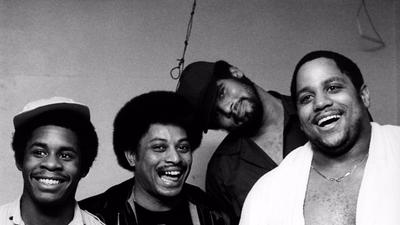
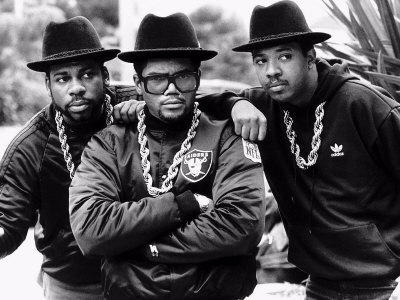
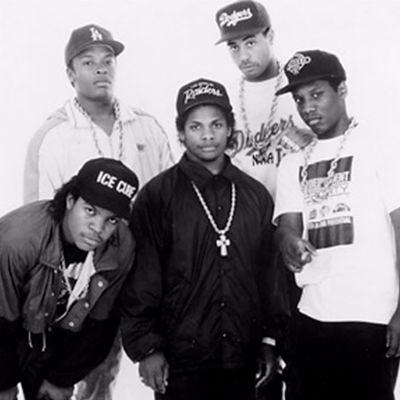
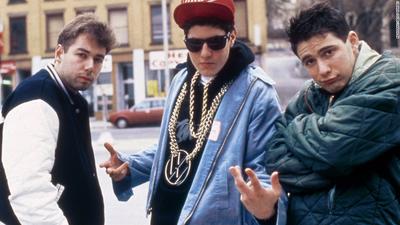
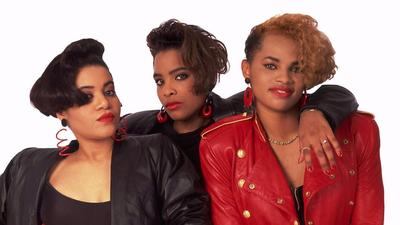
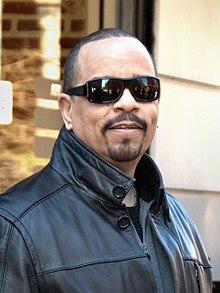
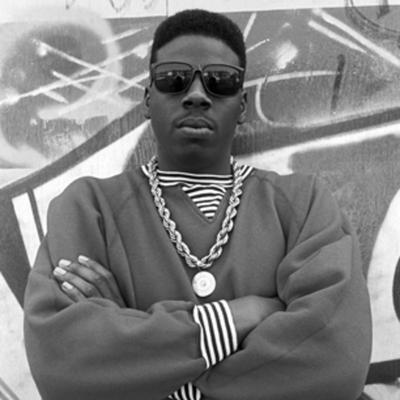
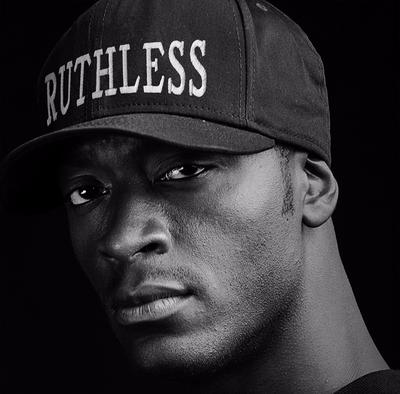
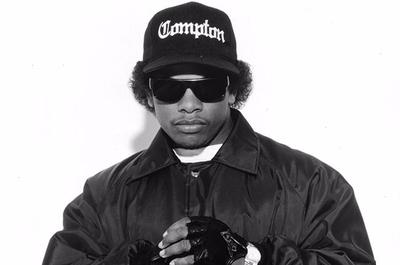
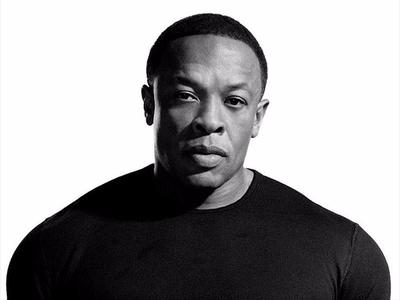
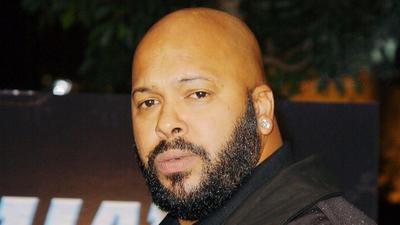
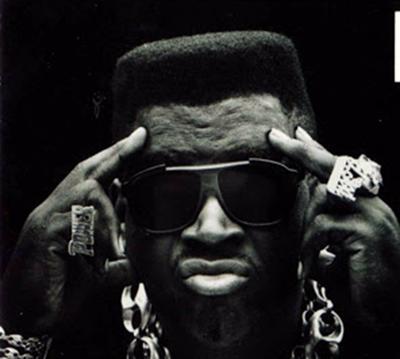
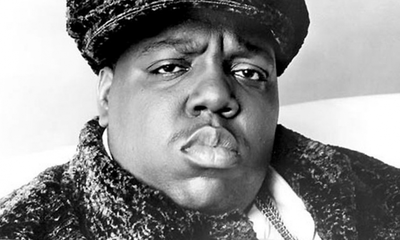
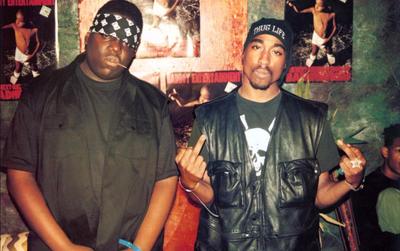

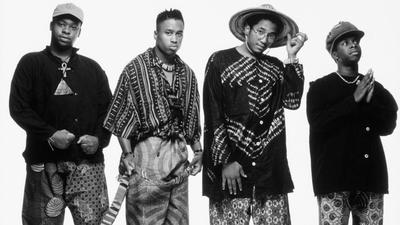
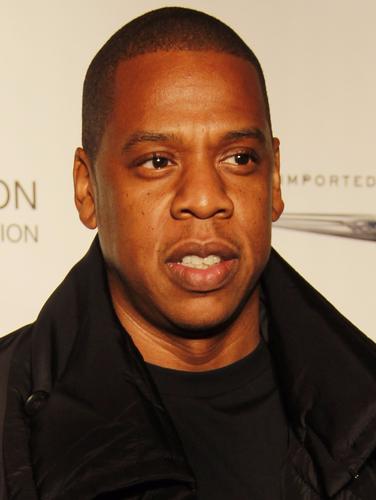
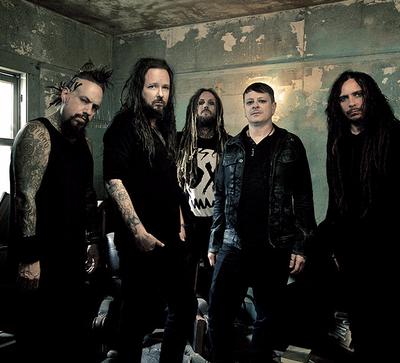
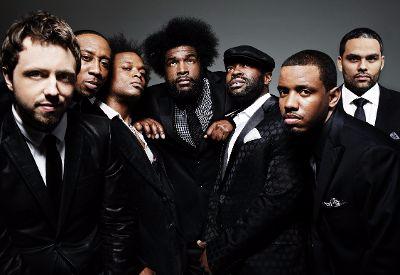
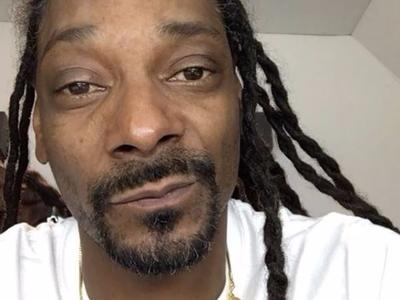
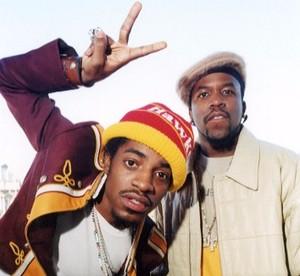
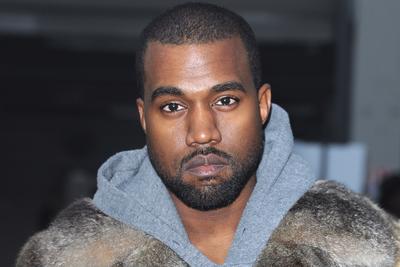
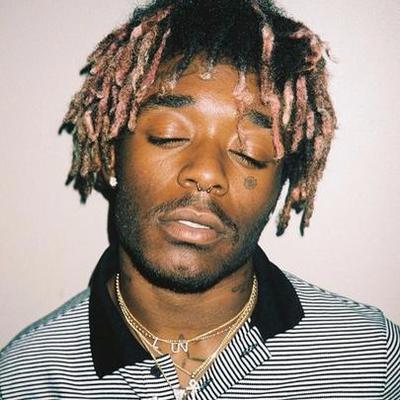
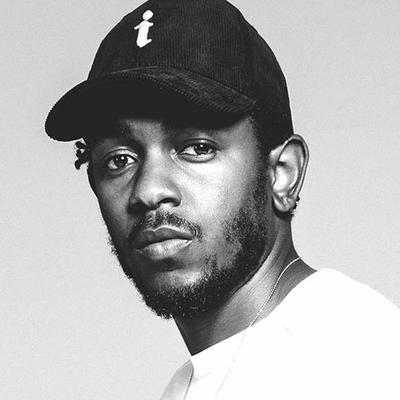




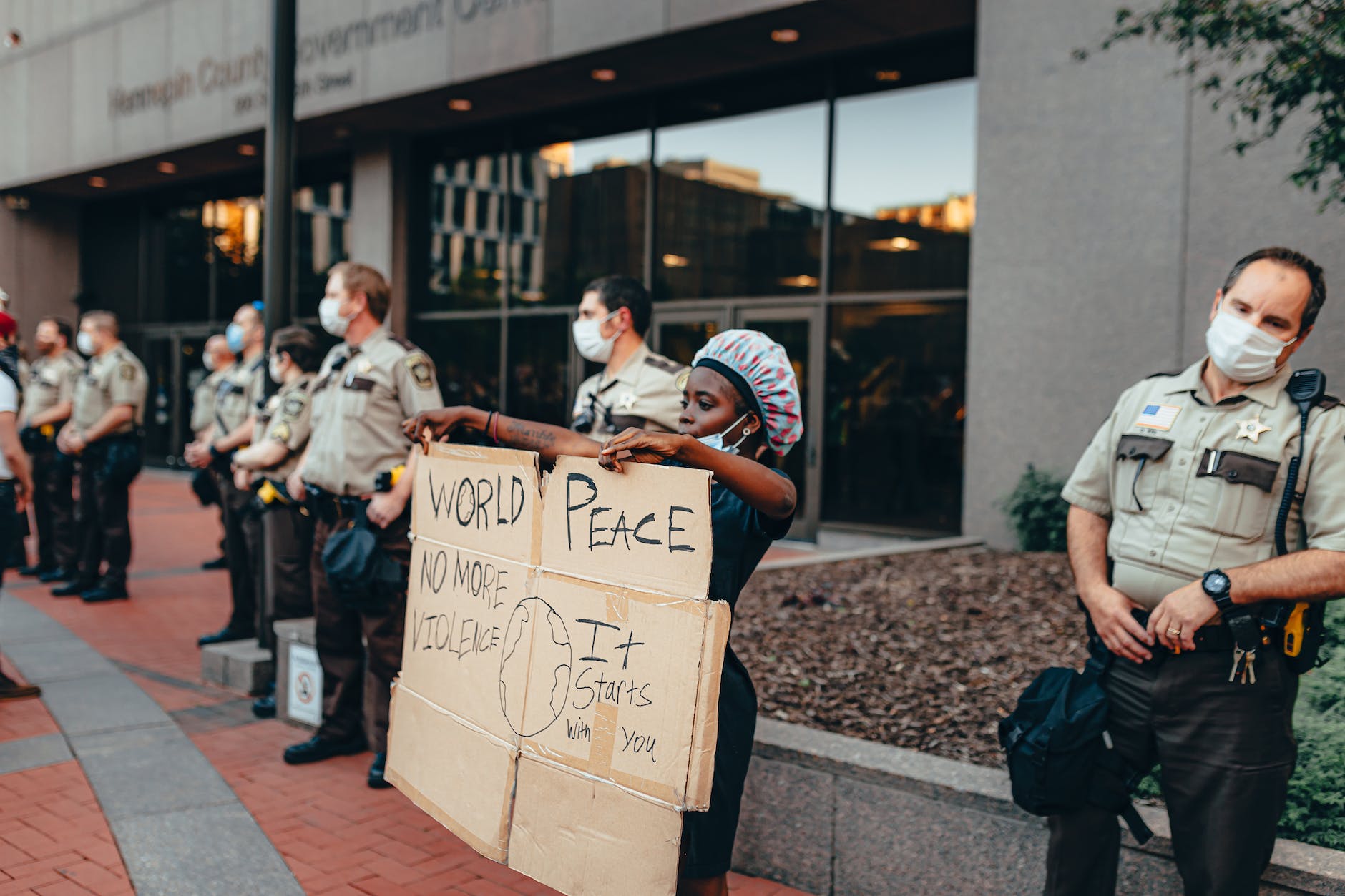
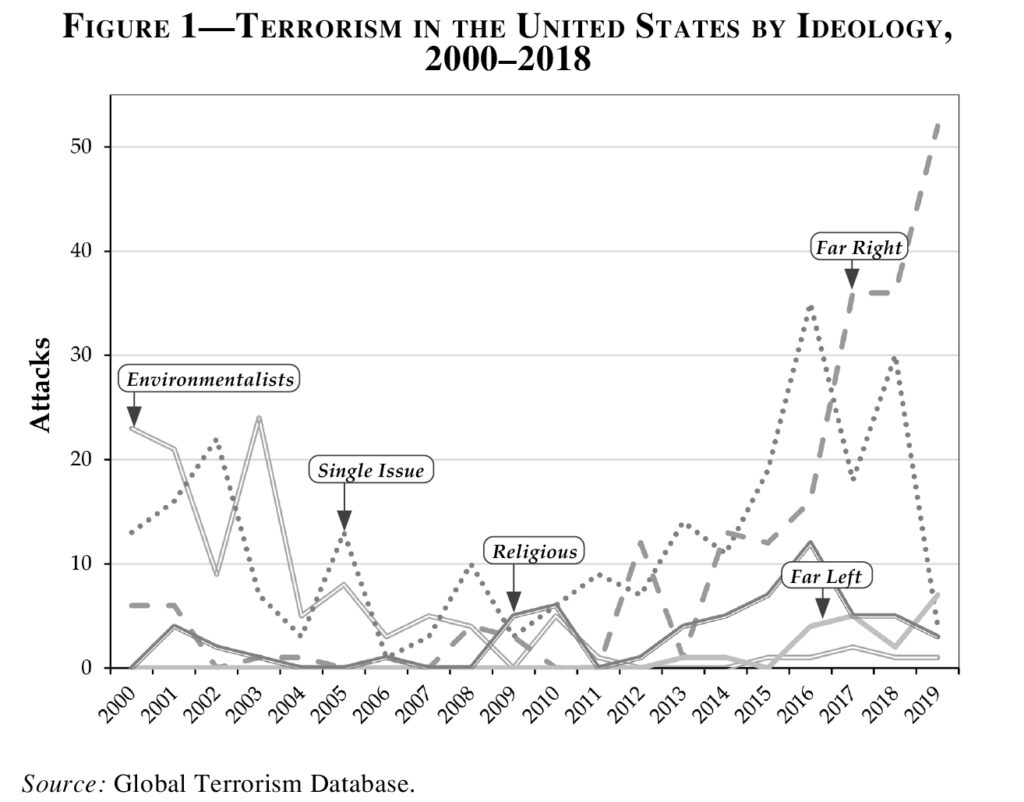
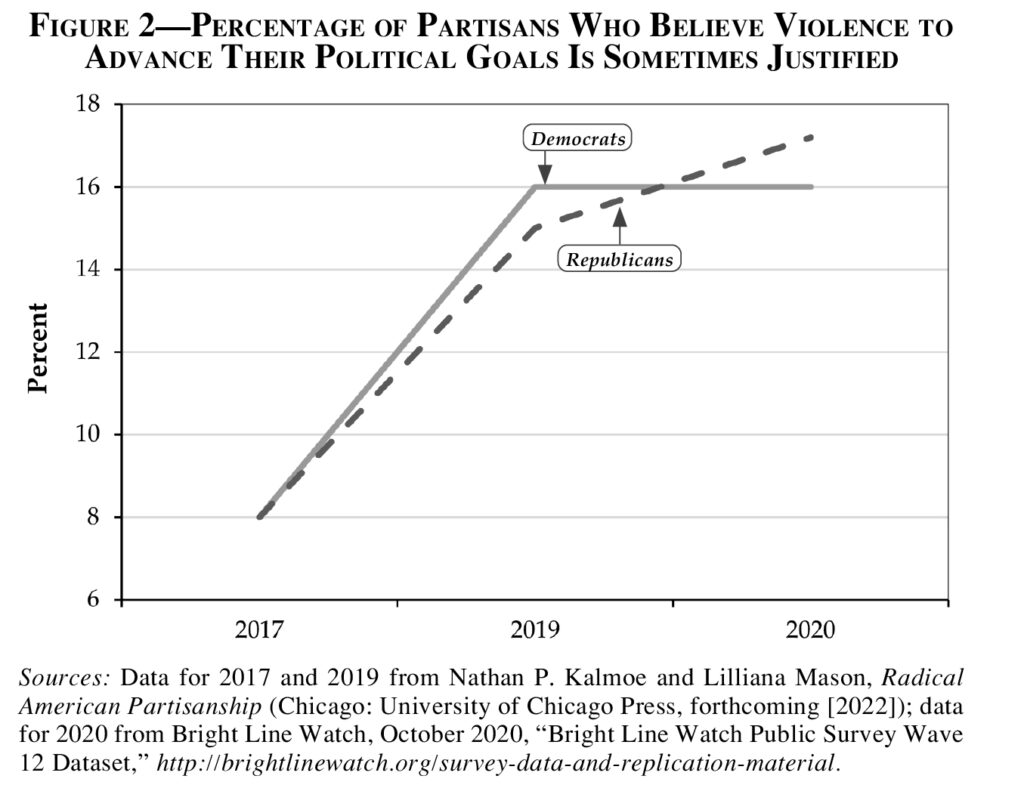

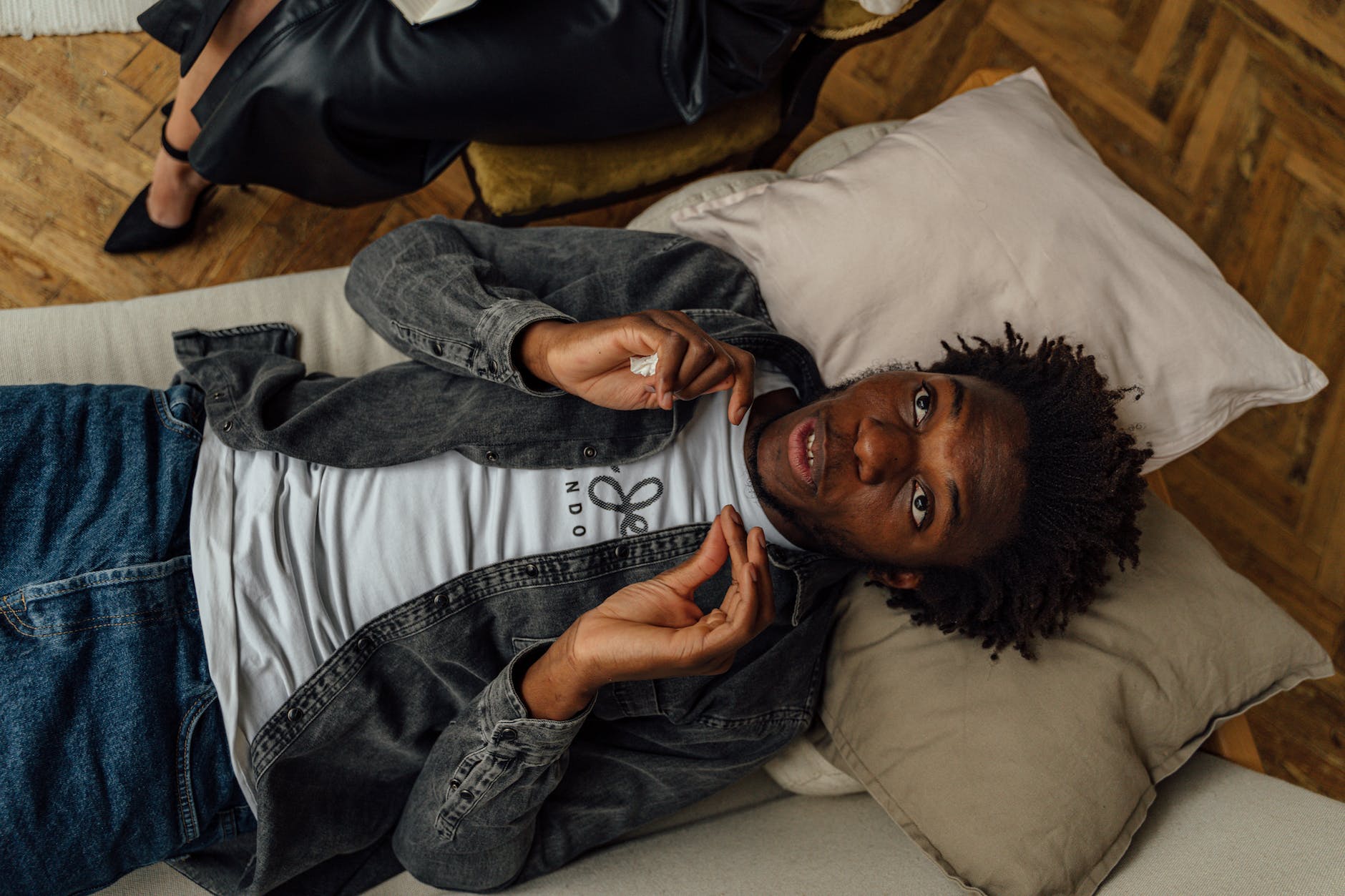

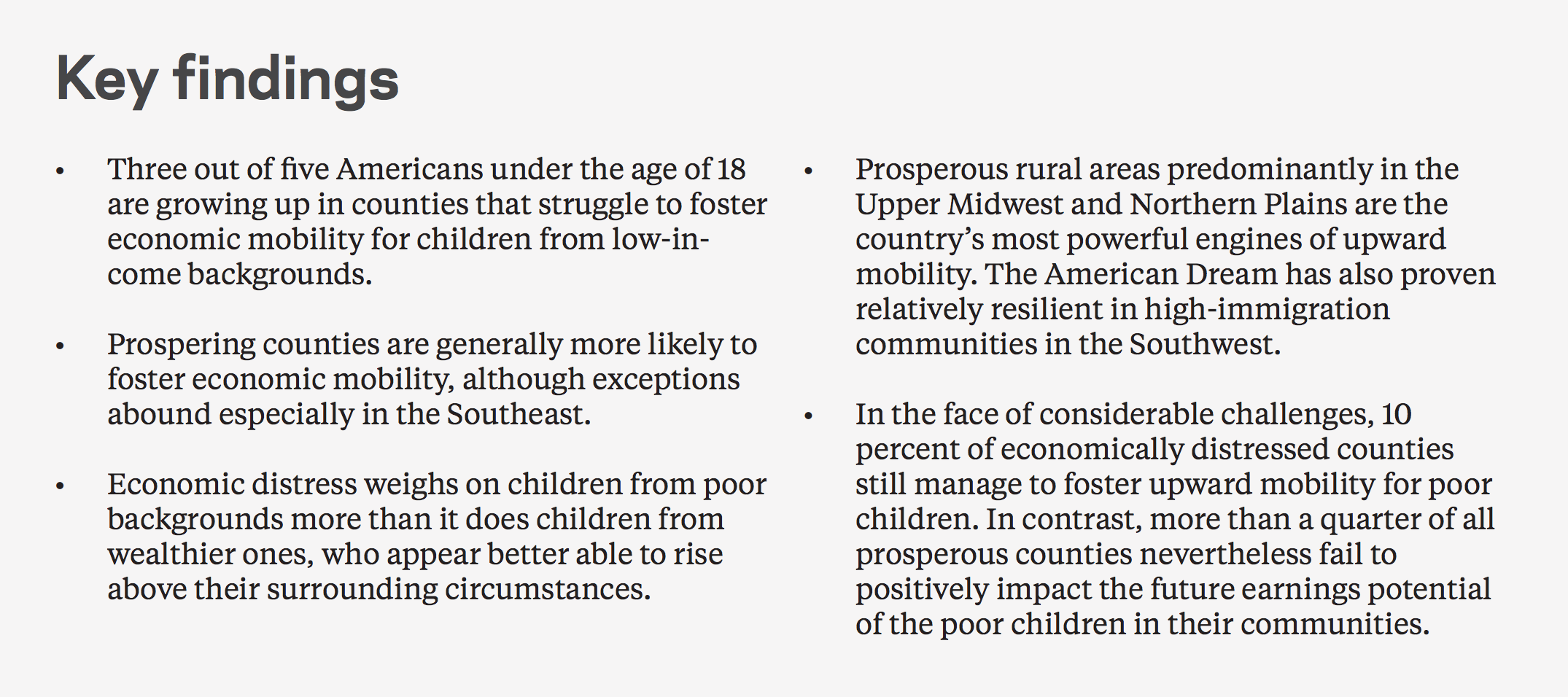
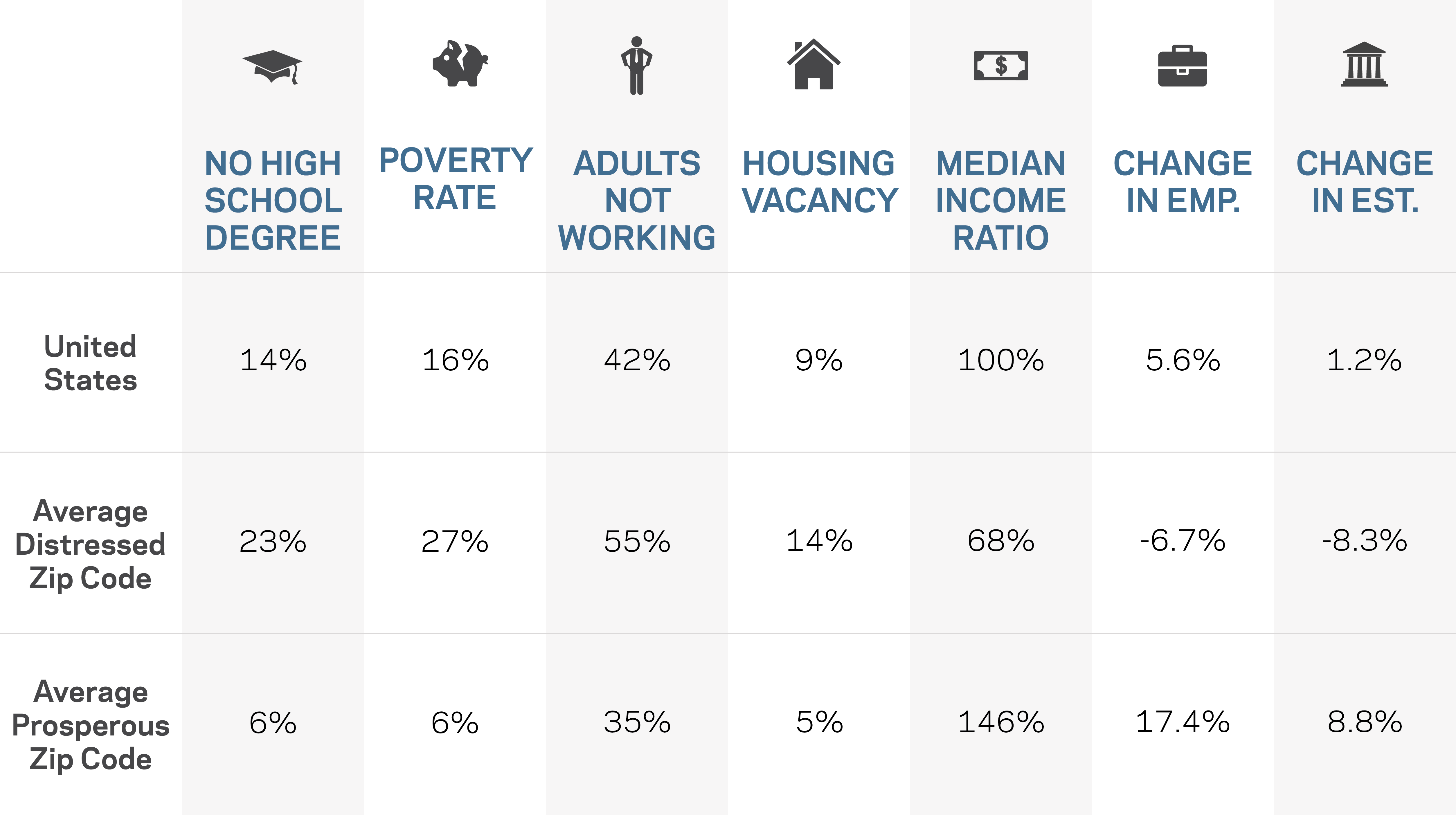
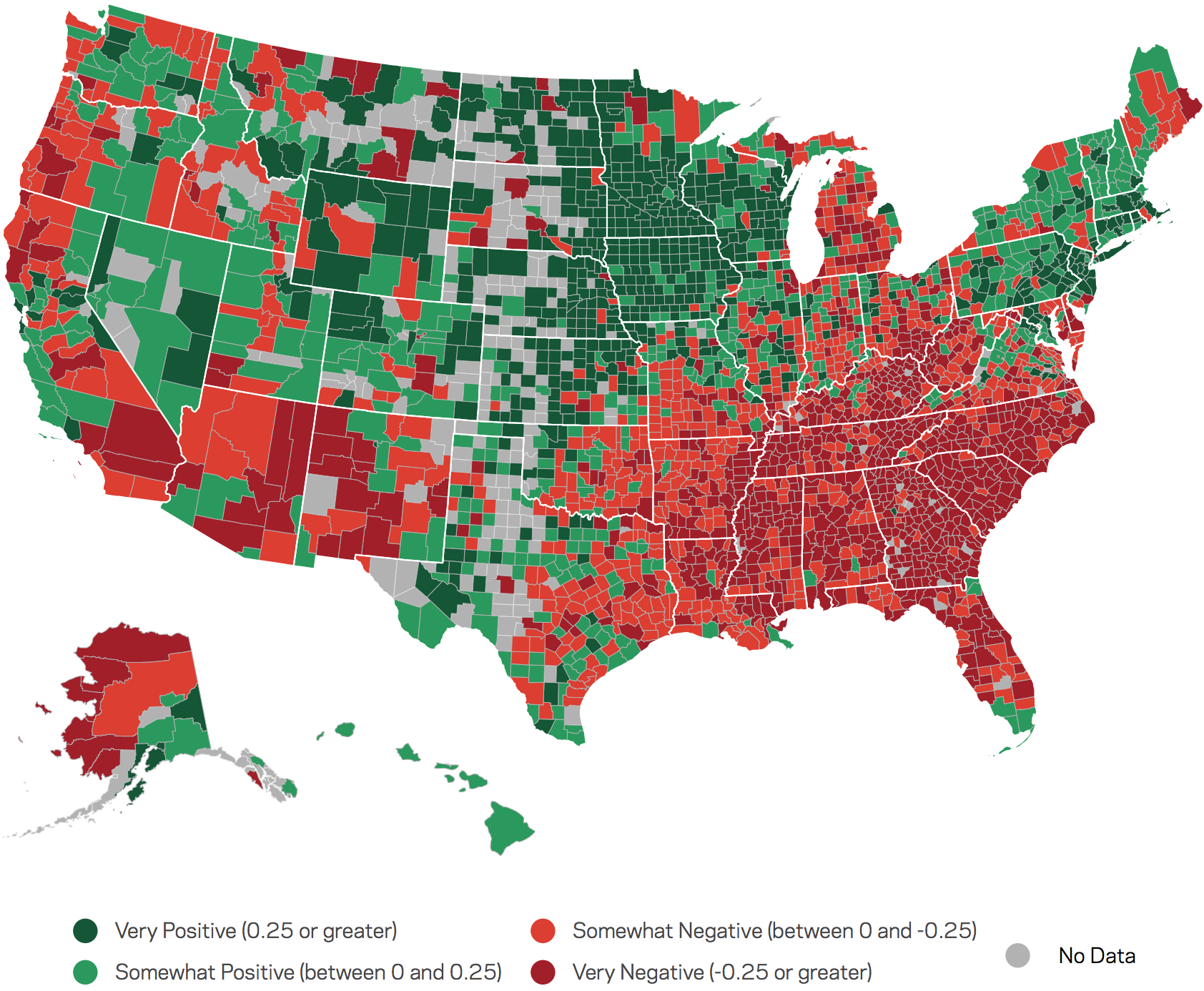
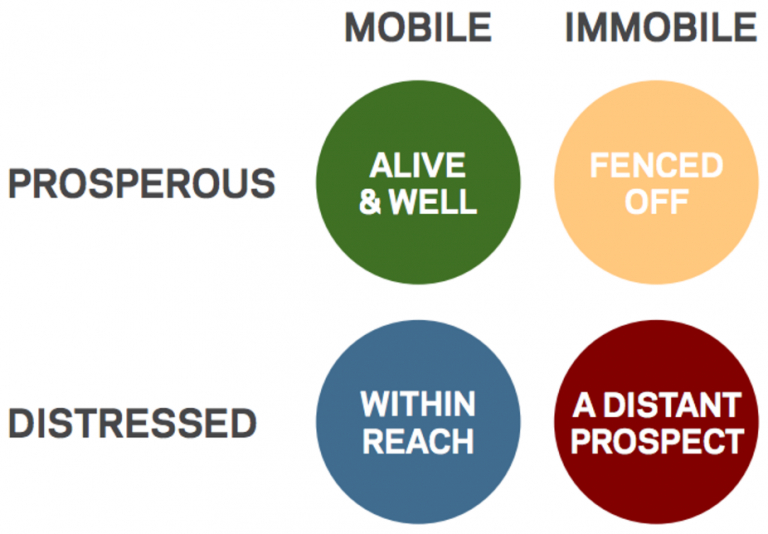
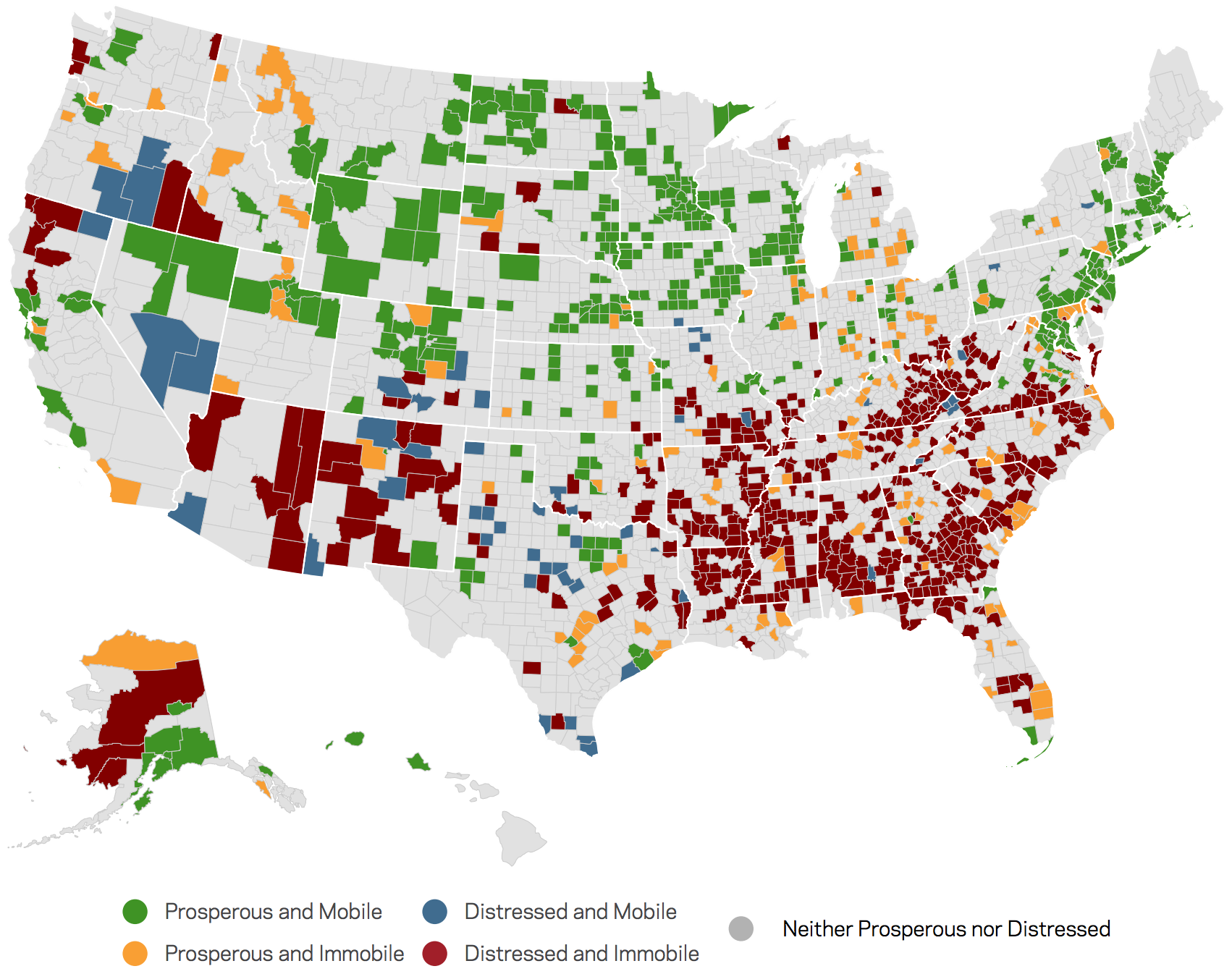
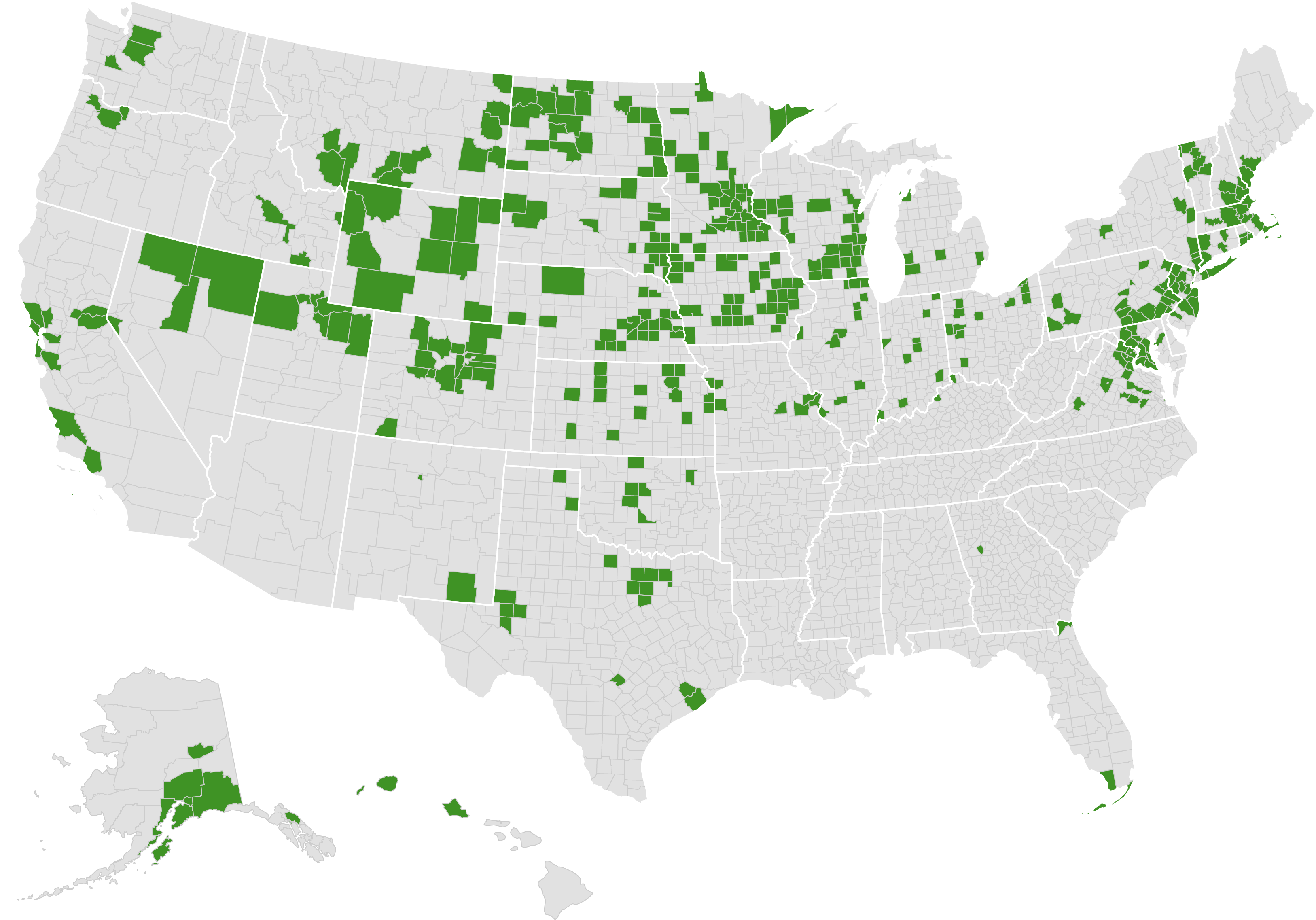
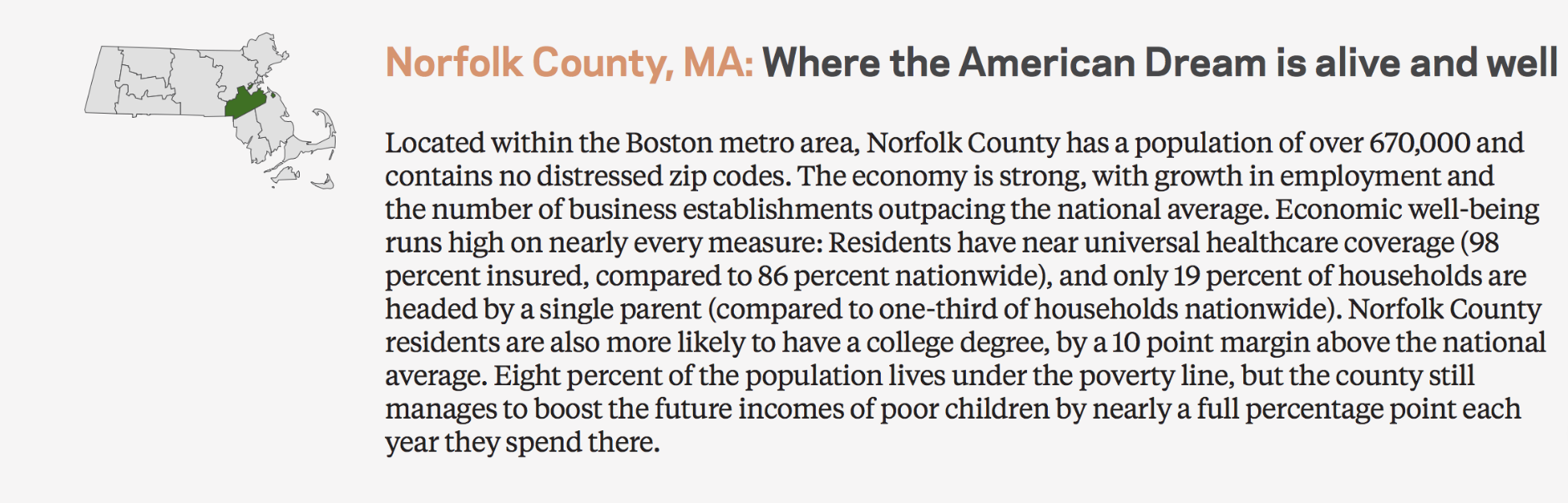
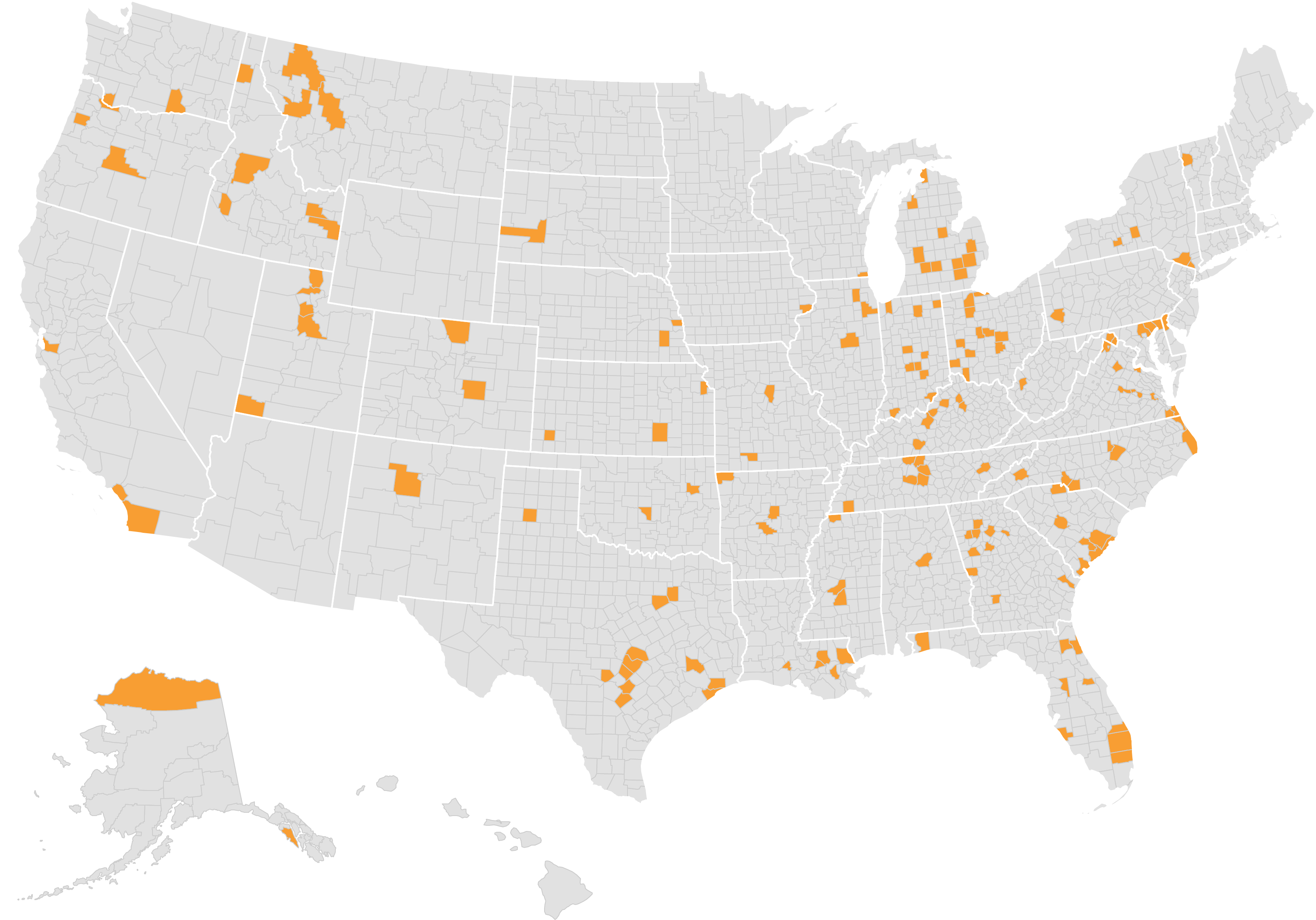
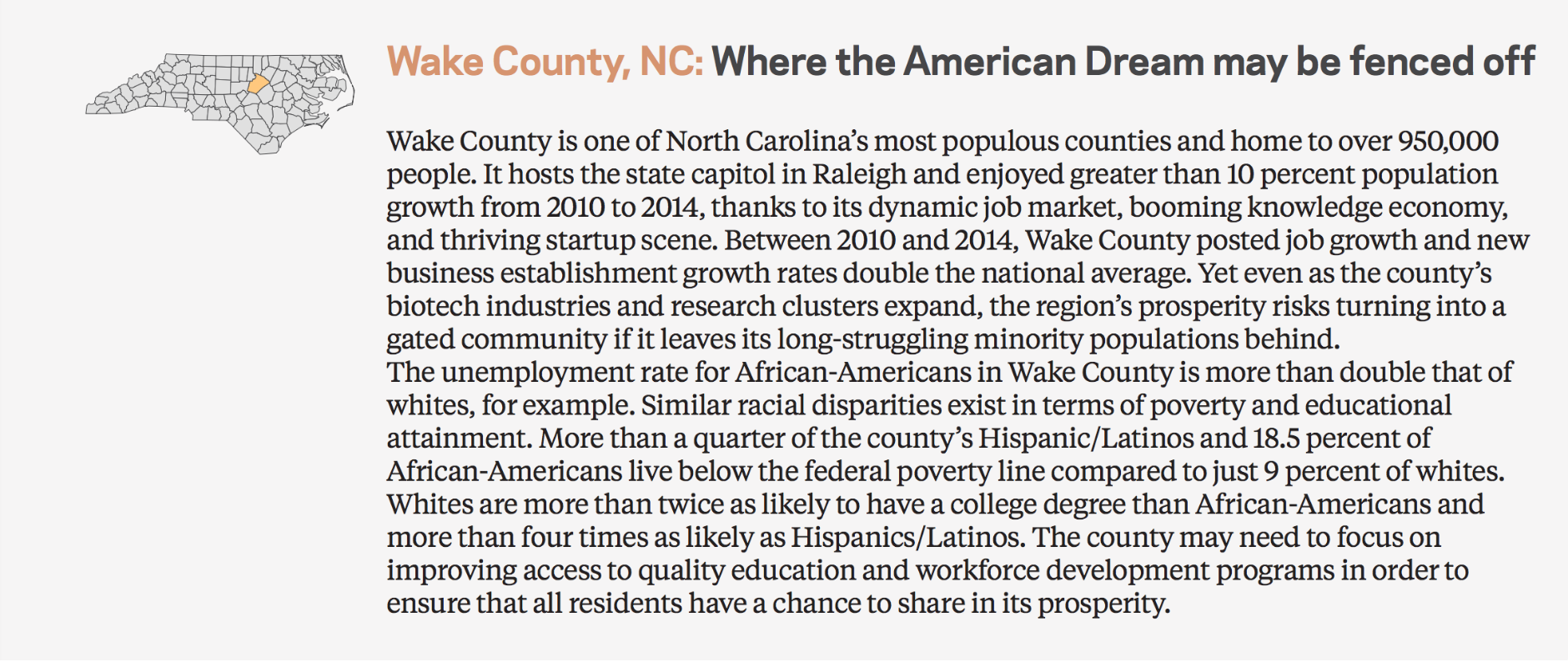
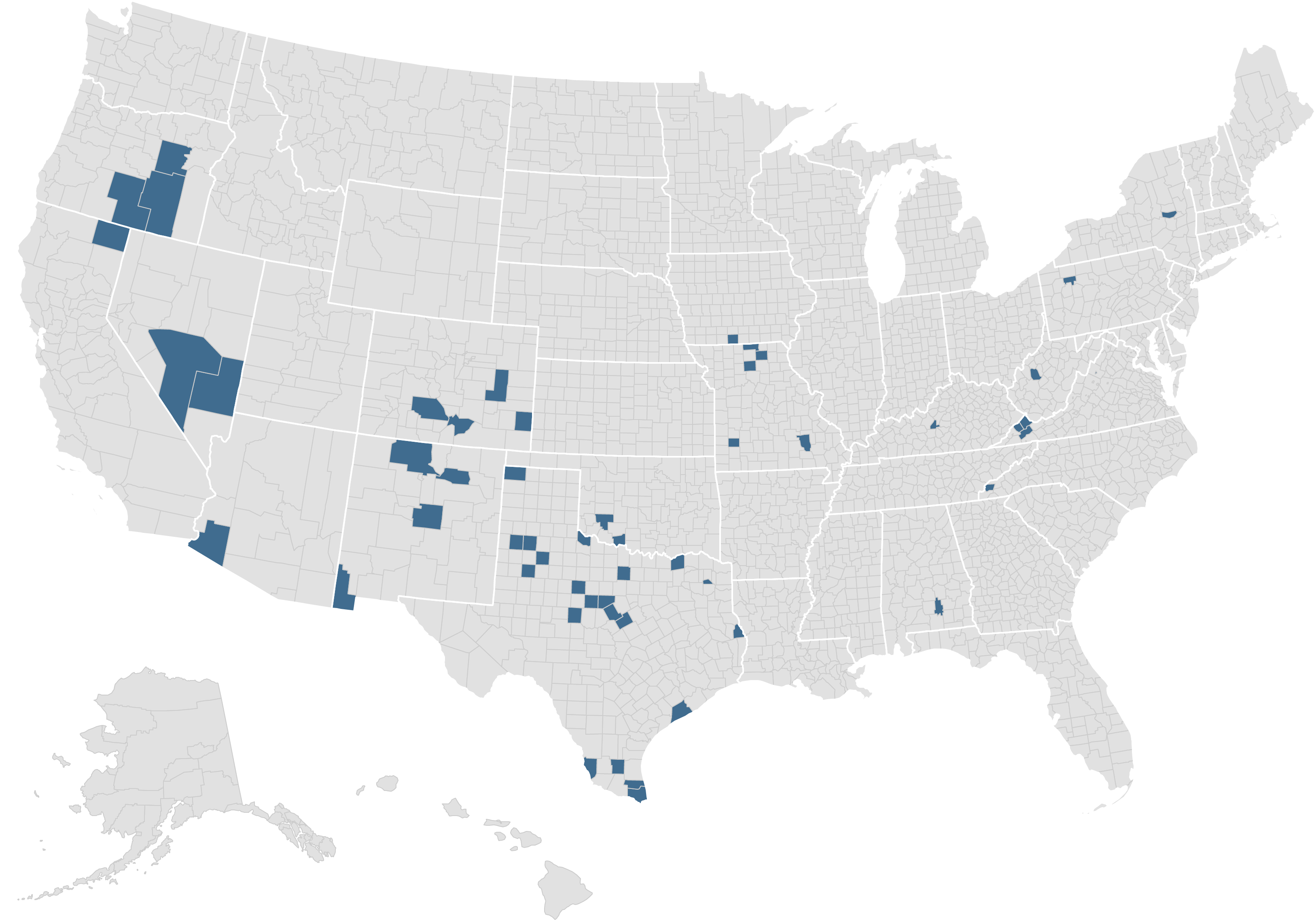
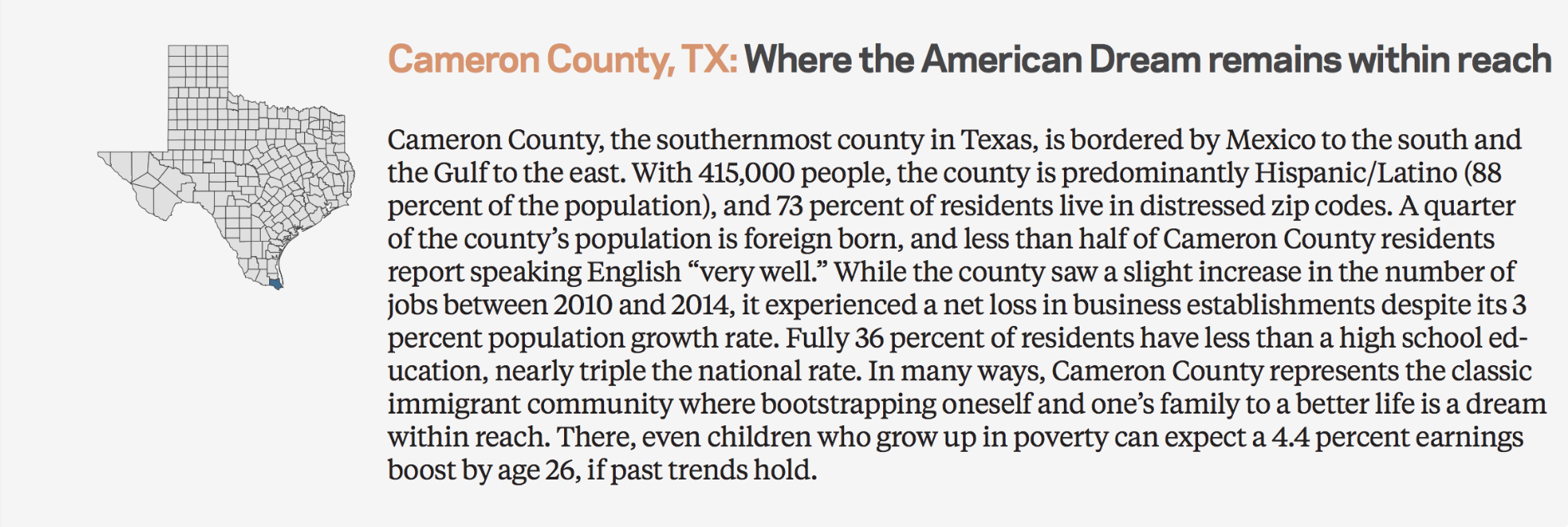
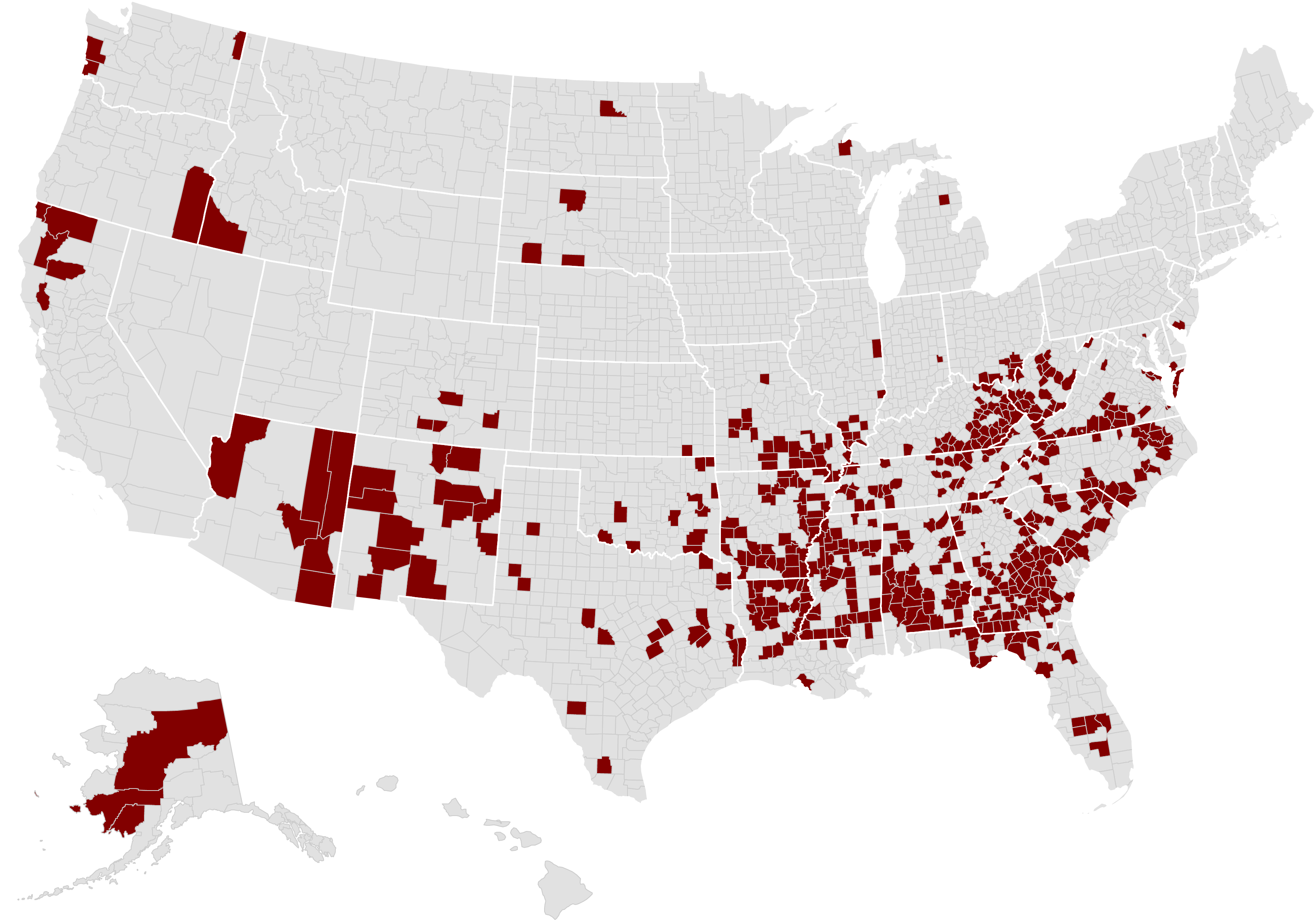
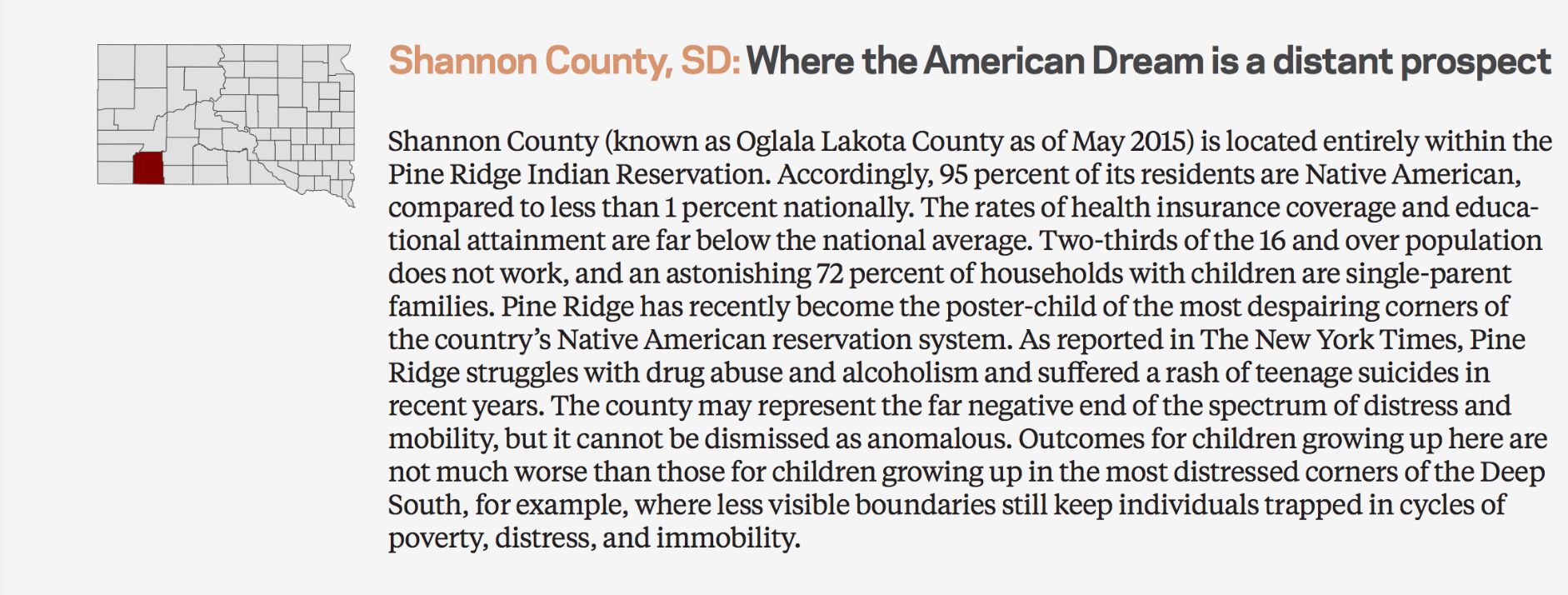





















 HPS Magazine