

Poetry, Arts, Cooking, Communication, Culture and More!

If you are feeling overwhelmed by stress, you are not alone; it’s practically a fact of life on college campuses. A poll conducted by mtvU and the Associated Press in the spring of 2009 reported that 85% of students say they experience stress on a daily basis.
Stress is good if it motivates you but it’s bad if it wears you down. Many factors can contribute to the stress you experience, and this stress can cause changes in your body that affect your overall physical, mental, and emotional health.
Depression is more serious and long-lasting than stress, and requires a different kind of help. In a 2010 survey by the American College Health Association, 28% of college students reported feeling so depressed at some point they had trouble functioning, and 8% sought treatment for depression.
The good news is that depression is a highly treatable condition. However, it’s not something you can snap out of by yourself, so it’s important to get help. How do you tell the difference between stress and depression? Both can affect you in similar ways, but there are key differences. Symptoms of depression can be much more intense. They last at least two weeks. Depression causes powerful mood changes, such as painful sadness and despair. You may feel exhausted and unable to act.
Here are common signs of stress and depression. Which fits you best?
| Common Signs of Stress | Common Signs of Depression |
| Trouble sleepingFeeling overwhelmedProblems with memoryProblems concentratingChange in eating habitsFeeling nervous or anxiousFeeling angry, irritable or easily frustratedFeeling burned out from studying or schoolworkFeeling that you can’t overcome difficulties in your lifeTrouble functioning in class or in your personal life | Withdrawing from other peopleFeeling sad and hopelessLack of energy, enthusiasm and motivationTrouble making decisionsBeing restless, agitated and irritableEating more or less than usualSleeping more or less than usualTrouble concentratingTrouble with memoryFeeling bad about yourself or feeling guiltyAnger and rageFeeling that you can’t overcome difficulties in your lifeTrouble functioning in your class or in your personal lifeThoughts of suicide |
If you are stressed out, there are many good ways to get relief. Drinking or taking drugs however, won’t solve anything and can lead to more problems. Here are some constructive choices:
Figure out what is really causing the stress. Think of as many possible causes as you can, and write them down. Now brainstorm for solutions that will reduce the stress, and commit them to paper. A trusted friend, family member or school counselor may be able to offer some good ideas as well. Now choose a few solutions to start tackling the issues. If they are complicated, break them down in to manageable chunks. Then give your plan a try. If one particular solution doesn’t help, try another one. Don’t be afraid to make mistakes. It’s all a part of the process.
Remember to take breaks when you feel worried or stuck. Do something relaxing every day. Sing, dance, and laugh–anything to burn off the energy.
A healthy body can help you manage stress. Get 7 to 9 hours of sleep, eat healthy food, stay hydrated and exercise regularly. Go easy on the caffeine. Shorting yourself on sleep, and especially pulling an all-nighter, robs you of energy and your ability to concentrate. A healthy diet improves your ability to learn. Don’t skip breakfast.
Get support, whether from family, friends, your academic advisor, campus counseling center, or a trusted online community. A heart-to-heart talk with someone you trust can help you get rid of toxic feelings and may even give you a fresh perspective.
If these steps don’t bring relief, or if you are still unable to cope and feel as if the stress is affecting how you function every day, it could be something more acute and chronic–like depression. Don’t let it go unchecked!
If you think you might be depressed, take a depression screening. Print out the results or e-mail them to yourself and then show them to a counselor or doctor.
To get help, start with your student health center or counseling service on campus. Most community colleges provide limited free mental health services and can refer you to local providers for longer-term treatment. You can also talk to your family doctor. Your local Mental Health America (MHA) affiliate can refer or in some cases provide services as well. To find the nearest MHA affiliate, call 800-969-6642 or go to Find An Affiliate.
Remember, depression and other mental health conditions are nothing to be ashamed of. Depression is not a sign of weakness, and seeking help is a sign of strength. Telling someone you are struggling is the first step toward feeling better. You will need the help of a mental health professional to beat depression. Talk therapy, antidepressant medication or a combination can be very effective.
If you or someone you know is struggling or in crisis, help is available. Call or text 988 or chat 988lifeline.org. You can also reach Crisis Text Line by texting MHA to 741741 or dial 911 for immediate assistance.
The American Institute of Stress
Phone: (682) 239-6823
http://www.stress.org/
Depression and Bipolar Support Alliance (DBSA)
Phone: (800) 826-3632
http://www.dbsalliance.org/site/PageServer?pagename=home
Active Minds
Phone: (202) 332-9595
http://www.activeminds.org/
Anxiety Disorders of America
Phone: (240) 485-1001
http://www.adaa.org/understanding-anxiety
Freedom From Fear
Phone: (718) 351-1717
http://www.freedomfromfear.org/
National Institutes of Mental Health (NIMH)
Phone: (866) 615-6464
http://www.nimh.nih.gov/index.shtml
Amen Clinics
Phone: (888) 564-2700
http://www.amenclinics.com

We ask experts for their thoughts on fasted cardio.
Has anyone ever suggested you work out on an empty stomach? Doing cardio before or without fueling with food, otherwise known as fasted cardio, is a hot topic in the fitness and nutrition world.
Like many health trends, there are fans and skeptics. Some people swear by it as a quick and effective way to lose fat, while others believe it’s a waste of time and energy.
Fasted cardio doesn’t necessarily mean you’re sticking to an intermittent fasting routine. It could be as simple as going for a run first thing in the morning, then eating breakfast after.
We talked with three fitness and nutrition experts about the pros and cons of fasted cardio. Here’s what they had to say.
Hitting the treadmill or upright bike for a cardio session before eating is popular in weight loss and fitness circles. The possibility of burning more fat is often the main motivator. But how does that work?
“Not having excess calories or fuel on hand from a recent meal or pre-workout snack forces your body to rely on stored fuel, which happens to be glycogen and stored fat,” explains Emmie Satrazemis, RD, CSSD, a board-certified sports nutritionist and nutrition director at Trifecta.
She points to a few small studiesTrusted Source that suggest working out in the morning after 8 to 12 hours of fasting during sleep may allow you to burn up to 20 percent more fat. However, there are also studiesTrusted Source showing that it makes no difference in overall fat loss.
But know that there’s a difference between adding muscle mass and preserving muscle mass.
“As long as you’re eating adequate protein and continuing to use your muscles, researchTrusted Source suggests that muscle mass is pretty well protected, even in an overall calorie deficit,” explains Satrazemis.
That’s because, when your body’s looking for fuel, amino acids aren’t as desirable as stored carbs and fat. However, Satrazemis says your supply of quick energy is limited, and training too hard for too long while fasting is going to cause you to run out of gas or potentially start breaking down more muscle.
In addition, she says that eating after a workout allows you to replenish these stores and repair any muscle breakdown that occurred during your workout.
This reason may seem like a no-brainer, but it’s not uncommon to question why we do something, even if it makes you feel good. That’s why Satrazemis says the decision to try fasted cardio comes down to personal preference. “Some people just prefer to work out on an empty stomach while others perform better with food,” she says.

If you plan on doing an activity that demands high levels of power or speed, you should consider eating before performing these workouts, according to David Chesworth, an ACSM-certified personal trainer.
He explains that glucose, which is the quickest form of energy, is the optimal fuel source for power and speed activities. “In a fasted state, the physiology doesn’t typically have the optimal resources for this type of exercise,” Chesworth says. Therefore, if your goal is to become fast and powerful, he says to make sure to train after you’ve eaten.
Sitting down to a meal or even a snack prior to doing cardio can make you feel sick during your workout. “This can especially be the case in the morning and with high fat and high fiber foods,” explains Satrazemis.
If you can’t handle a larger meal or you don’t have at least two hours to digest what you eat, you may be better off consuming something with a quick source of energy — or performing cardio in a fasted state.
To do cardio in a fasted state requires you to be in excellent health. Satrazemis says you also need to take into consideration health conditions that may cause dizziness from low blood pressure or low blood sugar, which could put you at a greater risk for injury.
If you decide to try out fasted cardio, follow a few rules to stay safe:
Listen to your body and do what feels best to you. If you have questions about whether or not you should do fasted cardio, consider consulting a registered dietician, personal trainer, or doctor for guidance.

Sara Lindberg, BS, MEd, is a freelance health and fitness writer. She holds a bachelor’s degree in exercise science and a master’s degree in counseling. She’s spent her life educating people on the importance of health, wellness, mindset, and mental health. She specializes in the mind-body connection, with a focus on how our mental and emotional well-being impact our physical fitness and health.



Ham Wrapped in Puff Pastry
There’s ham under that golden puff-pastry pineapple! A riff on the iconic glazed ham covered with pineapple rings and cherries, every slice of this show-stopping main course has flaky pastry and salty ham topped with sweet pineapple sauce.
Yield: 14 to 16 servings
Deselect All
One 6-pound boneless ham
Two 17.3-ounce packages puff pastry (4 sheets)
2 large eggs, lightly beaten
Two 8-ounce cans crushed pineapple
3/4 cup light brown sugar
2 tablespoons apple cider vinegar
5 cloves
2 tablespoons cornstarch
3 maraschino cherries
Drop six sizes in 90 days!” “Lose 7 pounds in 7 days!” “How to lose weight in 3 days!”
Although we may be drawn to the allure of rapid weight loss advertising, health expertsTrusted Source have traditionally recommended a slow-and-steady method.
“Half a pound to two pounds per week is what’s universally considered a safe and sustainable,” says Jessica Crandall Snyder, registered dietitian and spokeswoman for the Academy of Nutrition and Dietetics.
So, what happens if those programs really do follow through with their “overnight” promise?
“Losing weight too quickly, especially through starvation techniques, can result in a number of side effects, some more downright dangerous than others,” says registered dietitian and Trifecta Nutrition Director Emmie Satrazemis, CSSD.
“Perhaps most notably: When people lose weight too quickly, they’re often not able to successfully keep it off.”
In fact, research has found that after losing weight, about two-thirds of dieters gain more than they initially dropped.
That’s just one of the ways rapid weight loss can backfire, though. Below are six other ways that slimming down too quickly can do more harm to your health than good.
“Many [quick] diets and eating plans cut out whole food groups, which means you could be missing out on key nutrients, vitamins, and minerals that you need to stay healthy,” says Bonnie Taub-Dix, registered dietitian nutritionist, spokesperson for the California Avocado Commission, and author of “Read It Before You Eat It — Taking You from Label to Table.”
Snyder brings up how a dairy-free diet could result in a calcium deficiency while a diet that cuts carbs could mean you’re not getting enough fiber. Even on a lower-calorie diet, it’s important to get a range of nutrients including calcium, vitamin D, vitamin B-12, folate, and iron.
In more extreme cases, malnutrition can result in a host of symptoms like decreased energy, generalized fatigue, anemia, brittle hair, and constipation.
Diets are especially dangerous for children In 2012, CBS Seattle reported that the Keep It Real campaign found that 80 percent of 10-year-old girls have at least gone on one diet. Research also shows that more than half of girls and one-third of boys start to want “thinner bodies” by ages 6 to 8.
When in doubt, pick an eating plan that includes all of the key macronutrients — fat, carbohydrates, protein — or work with an expert to pick a plan tailored to your needs and food allergies or restrictions.
“The goal is to think about your plan as a lifestyle, not a diet. A diet is something you go on and something you go off. There is no start and end date,” reminds Keri Gans, registered dietitian nutritionist, certified yoga instructor, and owner of Keri Gans Nutrition.
If you’re a parent, figure out what your child’s goals are and if they’re rooted in culture or genuine concern for health. There’s always a more productive, healthier option than rapid weight loss.
Rapid weight loss usually occurs from extreme calorie deprivation, for example, people who go from eating 3,000 to 1,200 calories a day, says Gans.
Trouble is, our body recognizes this as a sign of limited food supply and goes into starvation mode. Kristina Alai, a personal trainer at The Bay Club Company, highlights the trouble with this: “When your body goes into starvation mode, your metabolism will slow down to help you conserve energy and your body will hang onto more fat.”
In fact, a recent studyTrusted Source tracked “The Biggest Loser” contestants and found that the more pounds they lost, the more their metabolisms slowed. Ultimately, this led to many of the participants to gain more weight than when they’d started the show.
You don’t have to cut your calories in an extreme way.
“Most people will lose at least a pound a week if they consume 500 calories less a day through a combination of diet and exercise,” says Gans. “This approach may not offer the same instant gratification, but you’ll actually transform your body in the long run.”
“When we lose weight, we want to get rid of true adipose tissue. Not muscle mass. I’ve never met someone who complained about having a higher percentage of body muscle,” says Snyder.
But if you cut calories too quickly, muscle tone will seriously suffer.
“Calorie restrictive diets may cause your body to break down the muscle for energy and fuel,” says Satrazemis.
In addition to waving goodbye to your shapely guns and rear, a loss in muscle mass can slow your metabolism.
“Muscle is more metabolically active than fat. That means one pound of muscle burns more calories a day than one pound of fat. So, a loss of muscle means you’ll burn less calories a day,” says Snyder.
“Eating a high-protein diet and participating in regular strength training while dieting can help preserve your lean mass and help you build more muscle to rev up your metabolism,” says Satrazemis.
Plus, the added strength can help you push yourself during the last bit of your HIIT or cycle class.
Thanks to water weight, it’s common to see slightly faster weight loss in the first two weeks. “Especially on low-carb or no-carb diets, folks will lose a lot of water weight,” says Taub-Dix. According to her, it’s one the reasons the ketogenic diet is often praised for quick weight loss.
Trouble is, rapid water loss can lead to dehydration and a host of unpleasant side effects like constipation, headache, muscle cramps, and low energy.
This generally isn’t a problem with diets like juices and cleanses — which are also unhealthy — however newer diets that put a focus on food may cause you to neglect your water intake. Keep track of your H2O intake and make sure you’re consuming enough electrolytes. Adding a sprinkle of Himalayan salt to your food can help.
Watch out for signs of dehydration, especially in the first two weeks.
If any of these symptoms persist, Dr. Eric Westman, director of the Duke University Lifestyle Medicine Clinic and HEALcare Chief Medical Officer, says you need to go to your healthcare provider.
“If an individual is taking medications for diabetes or high blood pressure, fast weight loss can lead to these medications becoming too strong, which may result in these unsavory symptoms.”
When you go on quick-fix, low-cal diets, your levels of leptin — the hormone that controls hunger and satiety — get wonky, says Taub-Dix.
When leptin levels are normal, it tells your brain when your body has enough fat, which signals the brain that you’re full. But researchTrusted Source has found that on very-low-calorie diets, unbalanced leptin levels can result in an obsession with food. You may be more ravenous, hangry, and likely to binge.
Research has proven quality is more important than calories consumed for weight loss and can influence how much you eat. The study linked starches or refined carbs with weight gain. However, quality and quantity go hand in hand.
As mentioned in our guide to resetting eating habits, restriction has more negative effects on the body and mind. Changing your diet should never just be about losing weight — it’s also about nourishment and honoring your body.
“If you lose weight very quickly, there can be psychological consequences,” says Taub-Dix. “If someone doesn’t have time to settle into their new body shape and weight, it can lead to things like body dysmorphia, anorexia, or bulimia.”
Taub-Dix also points out, “Many folks start a diet with an ‘if X, then Y’ mentality. As in, ‘if I lose weight, then I’ll be happy. Or then I’ll find love.”
So, after weight loss, when those things haven’t materialized, it can exaggerate preexisting mental health conditions or further promote body image issues.
If you see weight loss as a prerequisite to hitting a personal goal, such as finding a relationship, becoming healthy, being productive, or having self-control, take some time to write out your intentions and desires. Often, you’ll find that weight loss is a small factor and taking a shortcut won’t truly give the growth you’re looking for.
“There should a lot of thought that goes into your weight loss approach. It’s more than just picking up and jumping into the latest fad,” says Gans. You’ll be kinder to yourself if you choose a slower, more progressive route for weight loss.
Although slow and steady weight loss doesn’t sound as promising, it’s the best way to honor your body. It’s also way more effective in helping you keep off the weight and develop a healthy and intentional relationship with food.
“Weight maintenance depends on the person, but drastic weight loss measures are potentially harder to maintain,” reiterates Satrazemis.
“Healthy, sustainable weight loss includes many factors: better food choices, more sleep, increased physical activity, reduced stress, and focus on mental wellbeing,” says Gans.
Make sure to also create moments of joy in your journey. If you don’t like high-intensity workouts, try hiking where there are slight inclines. It’s fine to have a piece of chocolate or small bag of chips.
Keep these in mind like a mantra:
“Remember that weight loss needs to be a holistic lifestyle change that values the long run,” says Gans. While that means maintaining a balance, opting for moderation in your food choices, and exercising, it also means quitting diet culture and possibly resetting your relationship with yourself.
Before you start any weight loss journey, dig deep to find your real motivation behind your desires. You don’t want to fall into the trap of yo-yo dieting, which could hurt your heart.
If the reason is temporary, such as fitting into an old dress for an upcoming event, would getting a new outfit fit your budget instead? You might be surprised to find that your goal isn’t about weight at all.



In 2021, the Coronavirus pandemic interrupted homelessness data collection, specifically the Point-in-Time Count. Thus, the current version of the State of Homelessness reflects limited updates as compared to the previous year. Since 2020 was the last year for which full Point-in-Time data is available, the analysis and charts focused on that year continue to be highlighted here. Updated and new sections are flagged in the report’s subheadings.
In January 2020 , there were 580,466 people experiencing homelessness on our streets and in shelters in America.i Most were individuals (70 percent), and the rest were people in families with children. They lived in every state and territory, and they include people from every gender, racial, and ethnic group. However, some groups are far more likely than others to become homeless.
Special Populations. Historically, policymakers and practitioners at every level of government have focused special attention on specific populations and subpopulations.
For example, decision-makers are often concerned about children and young people due to their developmental needs and the potential life-long consequences of hardships in early in life. People in families with children make up 30 percent of the homeless population. Unaccompanied youth (under age 25) account for six percent of the larger group.
People experiencing “chronic homelessness” belong to another group that is often singled out for attention. These individuals have disabilities and have also: 1) been continuously homeless for at least a year; or 2) experienced homelessness at least four times in the last three years for a combined length of time of at least a year. Chronically homeless individuals are currently 19 percent of the homeless population.
Finally, due to their service to our country, veterans are often analyzed separately from the larger group. They represent only six percent of people experiencing homelessness.
Populations Most at Risk. Although the homeless population is diverse, inequalities are evident among subgroups. To identify meaningful differences among groups, it is necessary to look beyond overall population counts. Comparing rates of homelessness (or a group’s homeless counts within the context or its overall size) reveals which groups are more likely to experience homelessness (or which ones are more at-risk of being in these circumstances).
Risk is significantly tied to gender, race, and ethnicity.ii Males are far more likely to experience homelessness than their female counterparts. Out of every 10,000 males, 22 are homeless. For women and girls, that number is 13. Gender disparities are even more evident when the focus is solely on individual adults (the most significant subgroup within homelessness). The overwhelming majority (70 percent) are men.
Race is another significant predictor. As with so many other areas of American life, historically marginalized groups are more likely to be disadvantaged within housing and homelessness spheres. Higher unemployment rates, lower incomes, less access to healthcare, and higher incarceration rates are some of the factors likely contributing to higher rates of homelessness among people of color.
Numerically, white people are the largest racial group within homelessness, accounting for more than a quarter-million people. However, historically marginalized racial and ethnic groups are often far more likely to experience homelessness. The reasons for the disparities are many and varied but tend to fall under the umbrellas of racism and caste. Throughout American history, private actors have contributed to the status quo, but so has government via actions and inactions resulting in limited housing opportunities, suppressed wages, and other unhelpful outcomes.
Native Hawaiians and other Pacific Islanders have the highest rate of homelessness (109 out of every 10,000 people).iii Groups such as Native Americans (45 out of every 10,000) and Black or African Americans (52 out of every 10,000) also experience elevated rates. Importantly, these rates are much higher than the nation’s overall rate of homelessness (18 out of every 10,000).
Unsheltered Homelessness. The nation has a system of temporary shelters that reaches 354,000 people on a given night. However, some still sleep in locations not ordinarily designated for that purpose (for example, sidewalks, subway trains, vehicles, or parks). Unsheltered people are considered particularly vulnerable due to their exposure to the elements and lack of safety, among other things.
Homeless programs and systems provide shelter for most people experiencing homelessness (61 percent in 2020 ). However, significant variation exists among populations and subpopulations. For example, children are often a priority for homeless services systems. As a result, families with children are least likely to be unsheltered (only ten percent of unsheltered people were living in families with children). However, young people not living with their families do not enjoy the same access to services—50 percent of unaccompanied homeless youth in 2020 were unsheltered.
Individuals experiencing homelessness on their own are particularly at risk of being unsheltered. In 2020, for the first time since data collection began, the majority of those who were homeless as individual adults (51 percent) were unsheltered. These circumstances were most likely for those who are chronically homeless, with 66 percent living without any shelter at all.
Note on COVID-19 Impacts (*Updated for 2022). The most recently available nation-wide unsheltered data are from the 2020 Point-in-Time Count. Pandemic-related health concerns disrupted counts of unsheltered people in 2021. While some CoCs made such data available for that year, the nationwide count will not be fully updated until late 2022 or early 2023, leaving a significant hole in available knowledge on homelessness.
Between 2019 and 2020, homelessness nationwide increased by two percent. This change marked the fourth straight year of incremental population growth. Previously, homelessness had primarily been on the decline, decreasing in eight of the nine years before the current trend began.
Long-term progress has been modest. In 2020, the number of unhoused people was only 10 percent lower than in 2007 (the first year of nationwide data collection).
Uneven Progress. While overall progress on ending homelessness has been modest, there is significant variation among subgroups. Some have experienced striking reductions in their counts.
Veterans are a good example. Currently, 83 communities and 3 states have announced that they ended veteran homelessness (meaning that systems can ensure that homelessness is rare, brief, and one-time). Nationally, veteran homelessness decreased 47 percent since the point at which it peaked in 2009.
Homeless families with children are another group that decreased in size — 27 percent between 2007 and 2020. And, before homelessness began increasing again in 2016, chronic individual homelessness dropped by 35 percent since 2007.
Multiple causes could explain why these populations have experienced periods of greater reductions than the overall homeless population. Some subpopulations have benefitted from greater attention and/or resources after being prioritized by national-, state-, and local-level stakeholders. However, factors external to homeless services systems also contribute to outcomes. Regardless, these subgroups provide proof that significant reductions in homelessness are possible and have occurred.
Other populations have been left behind from this progress — primarily individual adults. The number of individuals experiencing homelessness has remained static over time, decreasing by a mere 1 percent between 2007 and 2020.
Although most veterans and chronically homeless people fall under the umbrella category of “individuals,” the majority of individuals do not belong to one of these subgroups. As a result, individual homeless adults who are not veterans or chronically homeless have typically not been the focus of special attention or resources.
Even more troubling, in recent years, previous and significant gains made to reduce the number of individuals experiencing chronically homelessness has been quickly eroding. As noted above, the size of this group had decreased significantly in the period before 2016. However, between 2016 and 2020, their numbers have surged by 43 percent.
Unsheltered Homelessness on the Rise. Since data on homelessness has been collected, unsheltered homelessness has largely trended downward. By 2015, it had dropped by nearly a third.
However, between 2015 and 2020, there was a reversal of that trend. The unsheltered population surged by 30 percent , almost wiping out nearly a decade of reductions. The number of people currently living unsheltered was virtually as high as it was in 2007.
The rising trend of unsheltered homelessness impacts nearly every major subgroup—including people of every race, ethnicity, gender, and most age groups. Only children (people under 18) have realized an overall decrease in unsheltered homelessness during the surge that was evident at least through 2020.
Sheltered Homelessness on the Decline (*New for 2022). While unsheltered homelessness was on the rise during the period leading up to the pandemic, fewer and fewer people were staying in shelters. The downward trend in shelter usage continued into 2021.
An easy assumption would be that systems are failing—that they’re providing fewer people with shelter, leaving more and more people to sleep outside. However, the reality is much more complicated.
Overall, homeless services systems have actually increased their capacity to serve people. As illustrated in the below visualization (Permanent vs Temporary Bed Inventory Trends, 2007-2021), systems have been steadily growing their available bed numbers. However, they have been increasingly focusing their resources on permanent housing rather than temporary shelter. Thus, more and more people may be benefitting from housing and services, but an increasing share is living in permanent housing as opposed to languishing in temporary shelters. Further, growth in overall bed numbers is likely failing to keep pace with the number of new people entering homelessness, and specifically unsheltered homelessness.
This overall trend predated the pandemic. However, HUD’s AHAR Part 1: Point-in-Time Estimates of the Sheltered Homelessness (February 2022) highlights some COVID-19-related factors that likely contributed to decreases the size of the sheltered population between 2020 and 2021. These include:
Ending homeless is an ongoing challenge throughout America. However, the severity of the challenge varies by state and community. Locating the areas experiencing the most significant challenges and directing additional attention – including new resources – towards them could result in meaningful reductions in homelessness. There are two ways to evaluate geographic variations—counts and rates.
Counts. Examining the jurisdictions with the largest homeless populations is informative. Many also have the highest populations, overall. For example, California is the most populous state in the union and also has the largest number of people experiencing homelessness. Similarly, the Continuums of Care (CoC) with the largest homeless populations include highly populous major cities (e.g., New York City, Los Angeles, and Seattle) and Balance of State CoCs encompassing numerous towns and cities.
Fifty-seven percent of people experiencing homelessness in 2020 were in five states (California, New York, Florida, Texas, and Washington ). Half were in the top twenty-five CoCs identified in the State & CoC Ranking 2020 chart. Thus, a significant share of this national challenge is in a small number of places with large homeless counts. Meanwhile, most communities have relatively small homeless populations to serve. This should impact how the problem is addressed.
Rates. Homeless counts are just one approach to understanding the nature of homelessness. Putting them into context adds nuance to the story. For example, suppose that 100,000 people were to experience homelessness in California (a state with more than 39 million people). Those would be far less challenging circumstances than 100,000 people being homeless in Wyoming (a state with roughly 575,000 people). Thus, it is helpful to consider the homeless population in relation to the general population.
Rates of homelessness vary widely across the country. For example, in 2020, the northeast Oklahoma CoC had the lowest rate in the country, reporting one person experiencing homelessness out of every 10,000 people. Meanwhile, the Humboldt County CoC in California had the highest rate of 126 people being homeless out of every 10,000.
Many of the states and CoCs with the highest rates of homelessness have the highest housing costs. For example, San Francisco had the fourth highest rate of homelessness in the country; and it has the nation’s highest housing wage (i.e., the hourly wage a full-time worker must earn to afford a modest home at HUD’s fair market rent ). Low-income people in such jurisdictions find it difficult to secure and keep housing they can afford, which directly.
Other jurisdictions with high rates of homelessness have high rates of poverty. For example, CoCs like Humboldt and Imperial City in California are listed above among the ten CoCs with the highest rates of homelessness in the country. They also have high poverty rates, exceeding 20 percent of their overall populations. Such jurisdictions have relatively low housing costs but have many people experiencing economic hardships, some resulting in homelessness.
The dashboard at the top of this page and the above rankings chart are helpful in making in-depth comparisons among states and CoCs. This allows jurisdictions to evaluate the severity of their challenges.
The nation’s homeless services systems do not have enough resources to fully meet the needs of everyone experiencing homelessness. Thus, it is helpful to examine the difficult decisions they must make, including how much of their limited funds should be spent on temporary versus permanent housing.
Temporary Housing. Following two years of decreases, there was an uptick of nearly 7,000 temporary shelter beds between 2019 and 2021 . Currently, the overall number of temporary beds is 8 percent lower than the all-time high count which occurred in 2011.
Historically, America has not had enough shelter beds for everyone experiencing homelessness. Individual community circumstances vary. However, in examining national-level bed and population counts for 2020, systems only had enough year-round beds for 50 percent of individuals on the night of the PiT Count. Availability for families is far different. Collectively, the nation’s communities had enough shelter beds for nearly 100 percent of families experiencing homelessness throughout America (with a surplus of nearly 18,000 beds).iv
During the winter months, some communities temporarily supplement these year-round beds with seasonal ones. Thus, they may be able to serve more people during that time of the year. But, unfortunately, many people are unsheltered, sleeping on sidewalks, in abandoned buildings, or in other locations not meant for human habitation. This typically impacts individual adults, but some families with children are also in these situations.
Permanent Housing. CoCs have had recent years in which temporary housing offerings were on the decline while investments in permanent housing beds (Permanent Supportive Housing, Rapid Re-Housing, and Other) have been consistently increasing. Over just the last five years, these types of beds grew by 25 percent . Forty-five states and the District of Columbia have contributed to this trend.
These numbers reflect a shift in policy and funding priorities. The current era reflects a renewed emphasis on Housing First, or connecting people with permanent housing as quickly as possible. Currently, 59 percent of all homeless system beds are designated for permanent housing.
Common Forms of Assistance. Nationally, the most common forms of homeless assistance are Permanent Supportive Housing (39 percent of system beds) and emergency shelter (32 percent of system beds).
Over the last five years, the fastest growing forms of assistance have been Rapid Re-Housing (which is still relatively new, emerging as an eligible use of CoC program funds in 2012) and “Other Permanent Housing” (permanent housing other than Rapid Re-Housing or Permanent Supportive Housing). During that time period, the former expanded by 81 percent and the latter by 43 percent.
Only one type of intervention has been on the decline—transitional housing. There are 59 percent fewer beds in this category than there were in 2007. This shift is responsible for decreases in the overall availability of temporary housing in recent years. It further reflects the policy goal of moving more people into permanent housing as quickly as possible.
In the lead up to the pandemic, the nationwide poverty rate had decreased for five consecutive years. In 2020, that streak ended and the number of people living in poverty spiked by approximately 3.3 million people. Overall, nearly 37.2 million people or 11.4 percent of the U.S. population were pushed into this group. Certain racial groups have even higher rates of poverty, including Black people (19.5 percent) and Hispanics/Latinos (17 percent). People living in poverty struggle to afford necessities such as housing.
In 2020, approximately 6 million Americans households experienced severe housing cost burden, which means they spent more than 50 percent of their income on housing. The overall size of this group had been gradually decreasing since 2014. However, the number of severely cost-burdened American households is still 6 percent higher than it was in 2007, the year the nation began monitoring homelessness data. And, more troublesome patterns may exist for notable subpopulations, including the lowest income people and female-headed households.
“Doubling up” (or sharing the housing of others for economic reasons) is another measure of housing hardship. An estimated 3.7 million people were in these situations. Some doubled-up individuals and families have fragile relationships with their hosts or face other challenges in the home, putting them at risk of homelessness. In 2020, the size of this group experienced an uptick after six years of decline. Currently, the doubled-up population size is 5 percent larger than it was in 2007.
Over a period lasting more than a decade, the nation has not made any real progress in reducing the number of Americans at risk of homelessness. In fact, these challenges are slightly worse. The trend lines in the above chart point to severe house cost and doubled-up numbers that are higher in 2020 than they were in 2007. Even more troubling, available data was generated amid the constantly evolving crises tied to the pandemic and other factors. For instance, the ultimate impacts of expiring eviction moratoria, fading Emergency Rental Assistance dollars, and 2022 rental cost inflation are unclear.
National-level data, which has been discouraging, can mask even more dire challenges in specific areas of the country. For example, since 2007, severe-housing-cost burdened households grew by 45 percent in Wyoming and 34 percent in Connecticut (numbers that are even higher than national-level population growth). Similarly, over that same time period, the number of people doubled up expanded by 136 percent in Nevada and 98 percent in Hawaii.
Data on homelessness are based on annual point-in-time (PIT) counts conducted by Continuums of Care (CoCs) to estimate the number of people experiencing homelessness on a given night. The latest full counts (sheltered and unsheltered) are from January 2020. National-level sheltered-only data is available for 2021 (along with unsheltered data for about 40 percent of CoCs). Point-in-time data from 2007 to 2021 are available on HUD Exchange.
Rates of homelessness compare point-in-time counts to state, county, and city population data from the Census Bureau’s Population Estimates Program (Population and Housing Unit Estimates data tables, 2020 version). Rates for racial, ethnic, and gender demographic groups are drawn from the Census Bureau’s American Community Survey 5-year Data (2020 version).
Data on homeless assistance, or bed capacity of homeless services programs on a given night, are reported annually by CoCs along with point-in-time counts. These data are compiled in the Housing Inventory Count (HIC), which is also available on HUD Exchange for 2007 through 2021.
Data on at-risk populations are from analyses by the National Alliance to End Homelessness of the Census Bureau’s 2020 American Community Survey 1-year Estimates. Poor renter households with a severe housing cost burden are households whose total income falls under the applicable poverty threshold and who are paying 50 percent or more of total household income to housing rent. For people living doubled up, poverty is based on the composition and income of the entire household as compared to the poverty thresholds. A person is considered living doubled up based on his or her relationship to the head of household and includes: an adult child (18 years old or older) who is not in school, is married, and/or has children; a sibling; a parent or parent-in-law; an adult grandchild who is not in school; a grandchild who is a member of a subfamily; a son- or daughter-in-law; another relative; or any non-relative.
i Much of the data in this report is derived from the Point-in-Time Count published by U.S. Department of Housing and Urban Development. The agency publishes data on people served in shelter and other forms of homeless assistance housing over the course of a year—that information is not reflected in this report.
ii This report includes data on various racial and gender groupings that are a part of the Point-in-Time data collection process. HUD does not require data on other marginalized groups such as people with disabilities, older adults, or members of the LGBTQ community (other than people who identify as transgender or gender non-conforming).
iii The Pacific Islander and Native American groups are relatively small when compared to populations such as whites and Hispanics/Latinxs. This is one of the factors that makes them more difficult for homeless services systems and the Census to count them. There is a need to ensure that data collection efforts focused on these groups becomes more precise. However, available data suggests significant disparities and causes of concern that are worthy of discussion. See USICH, Expert Panel on Homelessness among American Indians, Alaska Natives, and Native Hawaiians (2012) and Oversight Hearing on Reaching Hard-to-Count Communities in the 2020 Census, 116th Congress (2020)(testimony of Kevin J. Allis).
iv Surpluses in family beds are partially tied to family housing being organized in units. For instance, each family may be assigned to a unit with four beds. If only two people are in the family, two beds will go unused. Some underutilization can’t be avoided but some systems may need to revisit how they organize family units and plan for the amount of space families will need.
Your body is constantly communicating with you. Come learn the language of your gut.
Behind the curtain, our gut is responsible for putting our body into working order. As it breaks down the foods we eat, our gut absorbs nutrients that support our body’s functions — from energy production to hormone balance, skin health to mental health, and even toxin and waste elimination.
In fact, about 70 percent of the immune systemTrusted Source is housed in the gut, so making sure our digestive system is in tip-top shape can be key to addressing many of our bodily woes. But how do we translate our gut feelings into health solutions?
Your gut may not be a literal voice, but it’s functions communicate in a form of code. From complete silence to hunger grumbles and bathroom habits, get insight into what’s going on inside.
Normal poops can occur anywhere from three times a week to three times a day. While each gut is different, a healthy gut often has a pattern. To put the timing in perspective, it generally takes 24 to 72 hours for your food to move through your digestive tract. Food doesn’t arrive in your large intestine (colon) until after six to eight hours, so hitting up the toilet happens after that. So don’t scare yourself into sitting on the toilet waiting for the drop (that can lead to hemorrhoids).
If your schedule is off, it could be constipation. Constipation has many causes, from dehydration or low fiber to thyroid issues, but your best bet is to check your diet first. Make sure you’re drinking enough water and include a variety of fruits and vegetables in your diet.
Psst. If you’re not pooping regularly, you could be holding onto food you ate days — even weeks ago. Waste hanging around longer than it should also means it putrefies in your body longer, a potential cause of smelly gas and other health problems.

Processed foods can cause inflammation in the lining of our GI tract, the exact place where food is absorbed. Your gut may not recognize what you’ve eaten as digestible food and instead interprets the presence of foods like high-fructose corn syrup or artificial ingredients as an “attacker.”
This sets off an inflammatory response in which our bodies are literally fighting these foods as if they were an infection. Sticking to more whole foods, such as whole fruits, veggies, and unprocessed meats, can lower the stress this creates on your body.
There’s evidenceTrusted Source that gluten increases intestinal permeability (also referred to as “leaky gut”), even if you don’t have celiac disease. This means that particles like undigested food and waste, and pathogens like bacteria, can pass through the compromised lining of your intestines, get into the bloodstream, and cause overall inflammation and illness.
The best way to see if gluten is a no-go is to eliminate gluten completely for at least 4 weeks and see what your gut says when you try it again.
Be sure to read labels and ingredient lists! Wheat can be found in a lot of unsuspecting foods (as a binder, filler, etc.), such as chewing gum, salad dressing, potato chips, spices, and more.
Why do you
feel worse when re-introducing gluten? An extended period of
eliminating gluten can reduce the body’s enzymes that break down gluten and
other grains. This can contribute to more symptoms when reintroducing it later.
Supplementing with the enzyme AN-PEPTrusted Source may be helpful for people with gluten sensitivity who need to follow a long-term gluten-free diet, but want to minimize symptoms from accidental exposure.]
If you’ve recently taken antibiotics, you’ll need to help your gut make new friends again. Antibiotics wipe out all bacteria, including the good ones known as probiotics, such as lactobacillus and bifidobacterium.
Prebiotics, like onions, garlic, asparagus, bananas, and legumes, play a different role from probiotics. They’re dietary fibers that feed the good bacteria in your gut, help reinoculate your microbiome, and offset the effects of your altered gut flora. (Birth control pills may also alter your gut environment as well.)
Along with your pals prebiotics, your gut needs a healthy dose of probiotics to keep your body systems strong. Fermented foods like kimchi, sauerkraut, miso, and tempeh, and beverages like kefir and kombucha, have live cultures that help your gut break down foods and improve your immune system.
If you don’t already consume fermented foods, start off with 1/4 cup at a time and work your way up to larger amounts. Diving right in with a bigger serving may cause digestive upset.
When your digestion is compromised, our bodies can under-produce neurotransmitters, like serotonin. (95 percent of serotonin is produced in the small intestine.) Low serotonin is attributed to anxiety, depression, and other mental health issues.
It may not be the case for every person with these issues, but cleaning up your diet may relieve brain fog, sadness, and low energy.
Don’t feel guilty for skipping brunch to get an extra hour under the covers, especially if you haven’t been sleeping right during the week. Researchers are still looking into the gut-sleep relationship to verify if improving your gut health will affect sleep, but there’s definitely a connection between poor sleep and the bacterial environment of your gut.
Getting enough sleep helps lower cortisol levels and allows time for the gut to repair itself. So slide your sleep mask back down over your eyes and embrace your next late morning.
If you’re a slow eater, pat yourself on the back! Taking time to chew your food actually helps jump-start the digestive process. As you break down your food into smaller pieces with your teeth and stimulate saliva production, you also signal to the rest of your body that it’s time for the digestive system to get to work.

The more relaxed you are, the better you’ll be able to nourish your body — and we’re not just talking about digestion.
Stress can change your gut, turning it into a butterfly cage of discomfort. Research showsTrusted Source that taking the time to meditate can help ease symptoms of gut disorders. For an extra mindful boost, learn which specific probiotic strain is right for your mood.
If you haven’t heard from your gut in a while, you’re eliminating regularly, and haven’t been dealing with any bloating or abdominal pain, you’re doing just fine. If it could talk, it would thank you for keeping it nourished and healthy, and for creating a stress-free environment for your body to thrive!

Kristen Ciccolini is a Boston-based holistic nutritionist and founder ofGood Witch Kitchen. As a certified Culinary Nutrition Expert, she’s focused on nutrition education and teaching busy women how to incorporate healthier habits into their everyday lives through coaching, meal plans, and cooking classes. When she’s not nerding out over food, you can find her upside down in a yoga class, or right-side up at a rock show. Follow her onInstagram.
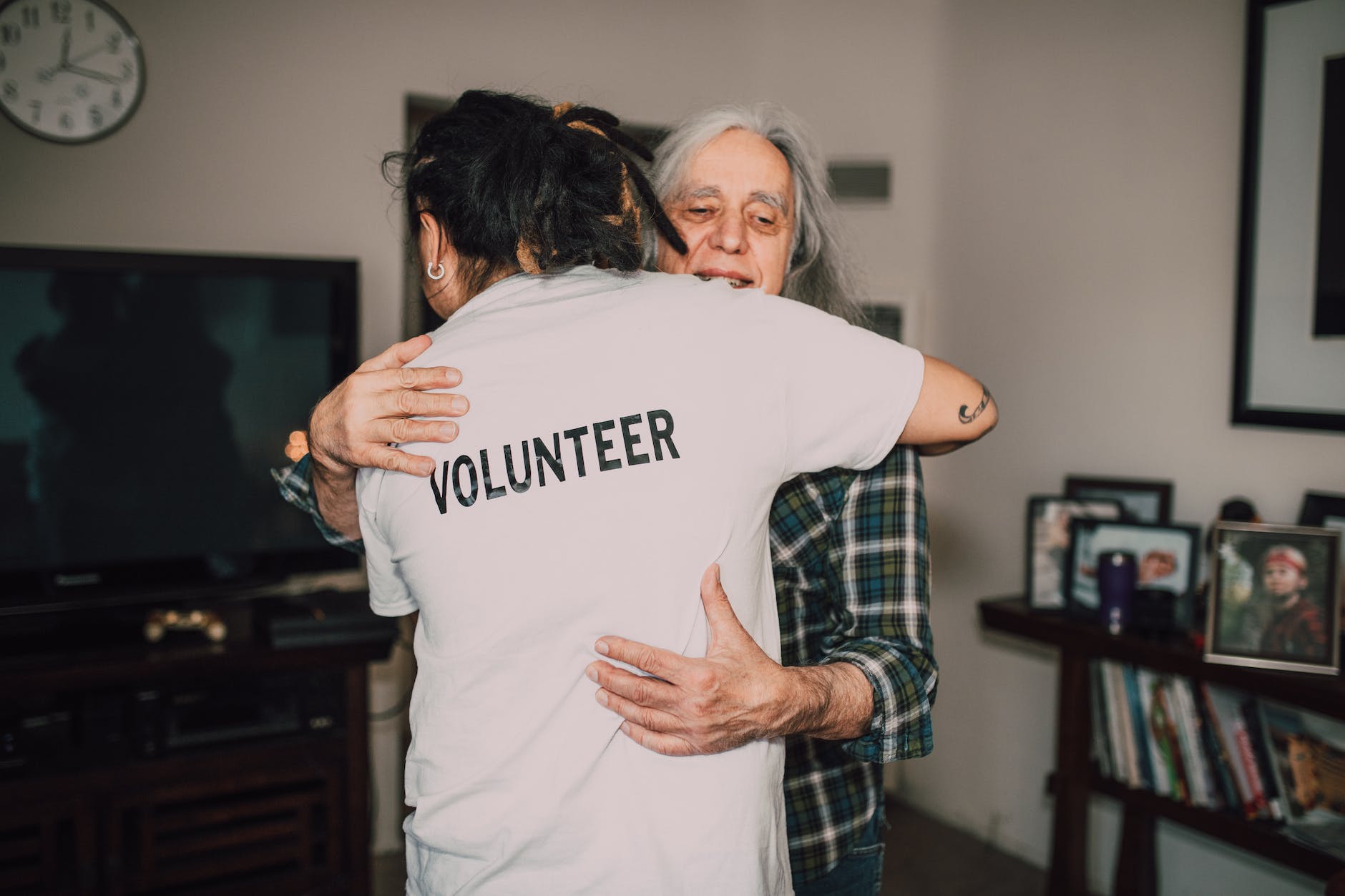
For many of us, accepting help can be uncomfortable. For those with low self-esteem, it can be even more so. But there is no shame in asking for help and accepting it. Giving and receiving help is part of life and is not based on worthiness.
Here are some tips to help you be more accepting of help from others.
To accept help, you have to let go of control and be vulnerable. For some, that may be the hardest hurdle to overcome but it is important in order to let others step in and help.
If you’re having difficulty others take control, examine some of the reasons this may be. Being vulnerable is not a weakness and neither is asking for help.
Receiving is not only about you. It’s also about the giver. Imagine a well-intention, loving person giving you something and you reject their gifts. How would that make them feel? Unappreciated? Awkward? Embarrassed? Open yourself up and let others help and give you this most precious gift.
Sometimes when people aren’t comfortable with receiving, they would return the love, the compliment, or the gifts in another form immediately. For example, when someone gives them a gift, they feel obliged to find something to give back.
When it’s your time to receive, it’s important for you to embrace the moment. Don’t be in a hurry to give back to the other person. You are just deflecting their love back to them. It’s like: “I can’t receive your love. Here have it back.” Then what you give them, would not be authentic.
To receive is such a beautiful experience. Start a journal of gratitude to write down how thankful you are to have someone in your life that cares for you and gives you support when you most need it. Unfortunately many in this world aren’t as fortunate.
You don’t have to wait for someone to give you help to practice receiving. Whenever you need help, just ask for it. Don’t worry about being rejected. Give others an opportunity to help you. If they aren’t the one, move on to the next.
 HPS Magazine