If you’re counting calories, it’s important to watch what’s in your glass as well as what’s on your plate. Choosing the right beverage — and keeping an eye on how much you pour — can help curb your appetite and cut calories.
Best: Water
2/16
Replacing sweetened soft drinks with water will cut hundreds of calories from your diet each day. Drinking two glasses of water before a meal may also help you feel full faster, so you won’t eat as much. It can help speed your metabolism, too.
Best: Skim or Soy Milk
3/16
Beverages that are low in calories but high in nutrition are good options when you’re trying to lose weight. Skim and soy milk both fit that bill. Plant-based milk substitutes, like almond milk, typically have fewer calories than cow’s milk but less protein, so they’re not necessarily better for weight loss.
Best: Green Tea
4/16
It’s an excellent choice when you’re looking for a little boost. Not only is it calorie-free, but some research suggests green tea extract may help with weight loss. It’s not clear exactly how, but caffeine and micronutrients called catechins may each play a role. The benefit appears to last only a few hours, so it may help to enjoy some green tea at least twice a day.
Best: Vegetable Juice
5/16
Vegetable juice is as nutritious as fruit juice, with fewer calories. One cup of tomato juice has 41 calories, compared to 122 for orange juice. Choosing juice with pulp gives you some fiber, too. That may help control your hunger.
Vegetable juice does have a lot of sodium. If you buy your vegetable juice from a store, go with a low-sodium variety if you can.
Best: Black Coffee
6/16
When you need a shot of caffeine, coffee is a better choice than soda or energy drinks. Black coffee is calorie-free and rich in antioxidants.
Studies show that drinking moderate amounts of coffee (about 3 to 4 cups a day) may improve your mood and help your concentration. It could also lower your chances of type 2 diabetes and some cancers.
Worst: Specialty Coffees
7/16
A 12-ounce caffe mocha can be almost 300 calories, and a vanilla latte can come close to 200. But if mochas or lattes are your thing, you can make a few changes to keep the calories in check. Most coffee places offer sugar-free syrups, or you can special-order your drink with skim milk. And be sure to skip the whipped cream
Worst: Soda
8/16
Every time you chug a bottle of this, you get hundreds of empty calories. Switching to diet soft drinks can cut calories. But research is mixed on whether this switch helps you lose weight. If you eat or drink more calories than you burn, just sticking to diet soda may not do the trick.
Worst: Specialty Cocktails
9/16
Party drinks like margaritas or mai tais can be heavy on the calories, especially when you don’t make them yourself. The key with cocktails is to skip mixers like soda, juice, or premade cocktail blends. Instead, sip on something simple, like vodka and club soda. A 1-ounce serving of vodka ranges from 70 to 100 calories, and club soda doesn’t add any calories. If you need more flavor, try a spice-infused vodka.
Worst: Mocktails
10/16
Alcohol-free doesn’t mean calorie-free. Mocktails can be high in sugar and calories, depending on the fruit juices used to make them. If you want a fancy drink without the alcohol, look for ones made with sparkling water and flavored with herbs and spices instead of sugar-sweetened beverages.
Be Careful: Kombucha
11/16
This is fermented tea blended with sugar and a culture of bacteria and yeast. An 8-ounce glass typically has about 30 calories. It’s said to have several health benefits, including a hand in weight loss. But scientists are still studying it to find out for sure.
Be Careful: Beer
12/16
This isn’t really the ideal beverage if you’re watching your weight, but a 12-ounce bottle or can of light beer won’t typically give you more than 100 calories. A regular 12-ounce beer is usually about 150. When it’s poured from a tap into a 16- or 20-ounce glass, though, that number can climb up to 250. Craft beers can also have more calories.
Be Careful: Wine
13/16
A typically 4-ounce glass of wine usually has around 100 calories, though types can vary in calories and alcohol content. Also know that glasses and pours are often much larger than 4 ounces. If wine is your adult beverage of choice, watch the pour or slim it down by mixing it with a no-calorie beverage. For example, you can cut the calories in half with a wine spritzer that’s half wine and half club soda.
Be Careful: Energy Drinks
14/16
While the active ingredient here is caffeine, these usually have other things in them like vitamins, herbal supplements, creatine — and sugar.
If you’re watching calories, you’ll want to check the label carefully and look for ones without added sugar. The ones that show the amount of caffeine can let you know exactly what you’re getting.
Be Careful: Fruit Juice
15/16
Juice can have as many calories as soda, but it has more nutrients. This presents a dilemma: You want the vitamins and antioxidants without all the extra sugar. Look for 100% fruit juice. Steer clear of juice drinks that have added sweeteners. Check the nutrition label for the percentage of real juice. You can also slash calories by drinking water with a tiny bit of juice added.
Be Careful: Smoothies
16/16
Blend a banana, strawberries, and blueberries into a frothy smoothie, and you’ve got a delicious drink. Make your own, so you can control the ingredients: skim milk (or an alternative, like almond milk) and fresh or frozen fruit are all you need. Restaurant smoothies may include ice cream, honey, or other sweeteners that boost the calorie count sky-high.
For the last two years, murders and shootings increased in the U.S., while many other types of crime remained flat or fell. So far in 2022, the trends have reversed.
It’s a confusing combination. The worst forms of crime have been moving in a different direction from other forms of crime. Both developments have big implications for everyday life: The decline in murder is saving lives, but the rise of street crime has created widespread anxiety and problems in many parts of the U.S.
On the New York City subway, the transit authority announced this week that it was installing two security cameras on every car to reassure riders who have avoided the trains because of rising crime rates. “You think Big Brother is watching you on the subway?” Gov. Kathy Hochul said on Tuesday. “You’re absolutely right. That is our intent.”
What explains the dueling crime trends? Today’s newsletter tries to offer some answers.
A drop in murders
First, the good news: Murders in major cities have fallen by 4 percent so far in 2022, compared with the same period in 2021. Shootings nationwide have fallen 2 percent. The decreases are not enough to undo the large increases in 2020 and 2021; the murder rate is still 30 percent above its 2019 level. But the spike appears to have peaked last year.
Annual murder rates in the U.S.
10 murders per 100,000 people
2022
(estimate)
6.6
8
6
4
2
1990
2000
2010
2020
Note: 2021 and 2022 rates are estimates.
Source: AH Datalytics, F.B.I.
By The New York Times
That’s not entirely surprising. Some of the forces that seemed to have pushed murders and shootings up are now easing (as I explained in a newsletter last month).
Covid disrupted services that helped keep people safe, like policing and addiction treatment programs. The pandemic also closed down schools, which left teenagers idle and stressed. This year, however, the virus’s impact on daily rhythms has waned; the slow return of normalcy has probably helped reduce violent crime.
Another factor is the fallout from George Floyd’s murder in 2020. The horror of his killing damaged police-community relations and made more people skeptical of working with law enforcement. Floyd’s murder probably also contributed to what scholars call “legal cynicism”: When people lose confidence in law enforcement, they are more likely to resolve conflicts through their own means, including violence, instead of the criminal justice system. With more time since Floyd’s death, those effects have also receded.
In that sense, the 2020-21 murder spike looks somewhat like a previous jump in murders in 2015 and 2016. That increase also occurred after protests over police violence, including the killings of Michael Brown in Ferguson, Mo., and of Freddie Gray in Baltimore. And the trend started to reverse within three years.
Crime and inflation
But there’s also bad news in the recent trends: Many other types of crime, particularly property offenses, are rising. Thefts and robberies in major cities increased by around 20 percent in the first half of 2022, after falling or plateauing the previous two years, the Council on Criminal Justice found.
Several factors explain the increases, experts said. A big one is inflation.
America’s last major crime wave, from the 1960s through the early ’90s, happened alongside a rise in inflation for much of the same time period. That likely was not a coincidence, said Richard Rosenfeld, whose research has linked crime and inflation.
How can inflation lead to more crime? For one, there is a direct link: People might try to get around higher prices by stealing. But a bigger dynamic is also at play, Rosenfeld said: Higher prices can push people to seek cheaper — and potentially stolen — goods at gray markets, such as pawn shops. These purchases effectively boost demand for stolen goods, enticing more thieves and robbers.
Another potential link between crime and inflation is that rising prices can cause broader social distress and discord. When people feel they can no longer afford what they could before, they can lose faith in institutions, particularly the government, and in the direction of their lives. Those people can then lash out, sometimes through crime. (That dynamic helped explain the crime surge that began in the 1960s, some experts believe.)
All of this can eventually lead to more serious crimes, too. Robberies sometimes escalate into murders. Disputes at markets for stolen goods can turn violent. Social discord likely fueled the recent spike in shootings (as my colleague David Leonhardt has explained).
In 2022, inflation does not seem to be leading to more shootings and murders — a sign that the other forces, like the receding of Covid, may be even stronger.
Inflation is obviously not the only cause of the increase in property crimes. As Covid has eased, people are spending more time outside their homes and in more situations where they can be stolen from or robbed, said Anna Harvey, a public safety researcher at New York University. And in response to the spikes in murders and shootings, the police may have shifted resources away from nonviolent crimes, allowing more of those offenses to happen unchecked.
The bottom line
Crime is complicated and multifaceted. A lot of the public discussion and reporting around crime focuses on what the police and the criminal justice system can do. But while law enforcement can play an important role in reducing crime, there are also often deeper problems that the police can’t address — like Covid, social discord and inflation.
From policing to prisons, the Biden administration and Congress must act to make our systems of public safety less punitive and more equitable.
The United States’ criminal justice system is broken. We have less than 5 percent of the world’s population but nearly 25 percent of its prisoners. Mass incarceration has crushing consequences: racial, social, and economic. It reinforces systemic patterns of racial inequity across our society, with vastly unequal treatment at every step. And it is not necessary to keep our communities safe.
Plainly, criminal justice reform must be a core response to the demand for racial justice given voice in the wake of the killings of George Floyd and Breonna Taylor. If we are to make clear as a society that Black lives matter, there must be a new relationship between police and the communities they are charged with serving and protecting. But reform must go far deeper than policing to address the broad reach and overreach of the criminal justice system, its harshly punitive approach, and the need to invest in communities. We must reimagine the justice system. We must finally and fully commit to the vision that safety and equality go together.
For the past decade, in fits and starts, government at all levels has finally begun to grapple with the need for reform. Amid partisan division, it has been a rare area where Republicans and Democrats have worked together. Though most criminal justice policy is set at the state level, the federal government plays an outsize role. In 2018 Congress enacted the First Step Act, meaningful but limited sentencing reform. Far more remains to be done. And the federal government, through its funding of state systems and through the actions of the Justice Department, can help to shift paradigms and move the country away from mass incarceration. Policymakers should aim high.
President-Elect Biden, Vice President Elect Harris, and lawmakers of both parties have a chance to make significant progress. This agenda offers an array of steps that would help transform the criminal justice system. Some of these steps require legislation. Others can be done by the executive branch. This can be a moment of creativity and ferment. This agenda offers a path toward a more perfect union.
Michael Waldman President Brennan Center for Justice
Introduction
President-Elect Joe Biden will take office at a critical moment in the country’s history. There is a tangible opportunity to reconsider and reimagine how, and for whom, the criminal justice system operates. The protests for racial justice that emerged in the summer of 2020 after the killings of George Floyd, Breonna Taylor, and so many others have intensified the demands for system and culture change, opening up political space for reform. footnote1_hx8l8y61
The crisis of overcriminalization and an excessive reliance on punitive enforcement feed the problem of mass incarceration. Although local jails and state prisons account for 91 percent of the nation’s incarcerated population, the federal government can lead the way. footnote2_xfojxkc2 The facts are well known: 2.2 million people are behind bars; more than 9 million people cycle in and out of the nation’s colossal network of local jails; more than 4.5 million people are on probation or parole; and more than 70 million people have conviction histories that subject them to lifelong consequences to their lives and livelihoods. footnote3_lpy03q43 In addition, about 40 percent of people in prison are incarcerated with little public safety justification. footnote4_lpkhgq84 In fact, over the last decade, 34 states have reduced both imprisonment and crime rates, proving that less incarceration does not necessarily lead to unsafe communities. footnote5_lts91qe5
The vast racial disparities of America’s justice system compound the unnecessary harms of incarceration. For example, Black people are arrested at a rate more than three times that of white people. footnote6_ibwfo5u6 They endure interventionist police practices such as pedestrian and traffic stops, excessive enforcement of minor offenses, and targeted policing. footnote7_ha6s7p17 One out of every three Black men is incarcerated at some point during his lifetime — with all the devastating impacts that result both from a criminal conviction and from time in custody — compared with 1 in 17 white men. footnote8_t9jwos98 Discrimination on the basis of race and a criminal record can all but disqualify these Black men from housing, education, or employment and in some places can permanently bar them from voting. footnote9_lq13xs09
What is to be done?
Congress and the president should commit to significant criminal justice reform as a key early priority. Elements of these reforms can be enacted as part of reconciliation or other budgetary measures. Some can be accomplished by executive action, through a renewed Justice Department, or directly by the president through executive orders. Quick action will show the public that the demands for accountability have been heard. Criminal justice reform will show that those in power understand the urgency of stating, with actions as well as words, that Black lives matter.
By championing national use-of-force standards, strengthening police accountability mechanisms, and supporting community-led public safety strategies, we can begin to redefine how communities interact with the police. And although states have traditionally led on sentencing reform, Congress should learn from their successes and support expansive federal drug law reform to significantly reduce the federal prison population. It can also play a greater role, reimagining incarceration itself by significantly limiting the use of solitary confinement, improving access to education, and enacting comprehensive oversight of federal prisons to ensure that incarcerated people are treated with humanity and dignity.
It is time for the federal government to lead on criminal justice reform. This document provides a blueprint for both Congress and the administration to initiate that transformative change. It outlines an affirmative agenda that would help slash America’s high incarceration rate, shrink the wide reach of the justice system, help ensure that people in the system are treated humanely, assist people in rehabilitation and reentry, and reduce racial disparities in the process, all the while keeping the country safe. These solutions are ones for which, in many cases, there is already wide bipartisan consensus. Ending mass incarceration and reforming the American criminal justice system should be a defining legacy of the Biden administration. This report presents one pathway of achieving this goal.
Incentivize States to Reduce Their Prison Populations
Enact the Reverse Mass Incarceration Act. Federal grants help shape criminal justice policy at the state and local levels. For decades these grants have subsidized the growth of incarceration. To reverse that flow, Congress can pass the Reverse Mass Incarceration Act, a bill that has been introduced in two separate congressional sessions. This bill would dedicate $20 billion over 10 years to states that reduce both crime and incarceration, reshaping state and local policy.
Advance Policing Reform
Champion National Use-of-Force Standards
Place strict limits on permissible police use of deadly and nondeadly force. Congress should pass legislation that would rein in police use of force. For example, holds that restrict airways should be banned, and less-lethal weapons and techniques of control should be reserved for extraordinary circumstances.
Require all law enforcement agencies to adopt a duty-to-intervene policy. Congress should promulgate standards requiring officers to intervene when their fellow officers misuse force or engage in misconduct — and to report it to their superiors.
Mandate use-of-force reporting to the federal government. The Justice Department should build a comprehensive database that is accessible to the public by mandating use-of-force reporting by all law enforcement agencies and making federal support to those agencies conditioned on their compliance.
Strengthen Police Accountability Mechanisms
Amend 18 U.S.C. § 242. Congress should amend 18 U.S.C. § 242 to lower the burden of proof in cases where civil rights may have been violated, to better equip federal prosecutors to hold law enforcement officers accountable for wrongful acts. The willfulness standard in § 242 should be explicitly lowered to include knowing and reckless civil rights violations, at the same time that the law is amended to more clearly enumerate the types of force that will trigger criminal liability — including, for example, the use of choke holds.
Reinvigorate DOJ pattern-or-practice investigations. The Justice Department should resume pattern-or-practice investigations that focus on systemic problematic behavior by a police department and should support legislation that would provide subpoena power for such investigations.
Create a national database of police misconduct records and promote a national standard for decertification. The Justice Department should create a national database of police records and promote national decertification standards. Currently there is no national standard for police training or certification, nor is there a standard process by which someone can lose the privilege of holding the public trust required to enforce laws.
Support Culture Change in Policing
Support community-led public safety strategies and systems to identify and remedy racial inequities in policing practices. The executive branch should support community-led strategies to identify and remedy inequities in law enforcement. The Department of Justice Bureau of Justice Assistance should provide grants and technical assistance to support the implementation of new police success metrics — ones that go beyond merely tallying arrests and summonses — in order to reflect policies and practices that better align with community-led values and public safety priorities. These metrics may include community engagement, the number of lives kept safe in dangerous police encounters, participation in youth outreach programs, and the successful diversion of people to community-based services.
Promote the creation of co-responder and diversion models. The next president and Congress should incentivize the creation and scaling of diversion strategies that focus on dealing with the root causes of crime and social disorder, such as mental illness, homelessness, substance use, and poverty. This would ensure that more Americans are diverted from the justice system entirely.
Reinvigorate comprehensive police reform supported by the COPS Office. The Justice Department should resume previous efforts undertaken by the Collaborative Reform Initiative to encourage and support police reform at the local level — whether to address racial bias, reform use-of-force policies, or improve police departments’ relationships with their communities.
Encourage the demilitarization of the police by eliminating the 1033 Program. To encourage the demilitarization of police, the next administration should eliminate the 1033 Program and prohibit the transfer of all military-grade weapons to state and local law enforcement agencies.
Encourage Best Practices in Prosecution
Support federal, state, and local prosecutors to make transformative change. Prosecutors are among the most powerful officials in the criminal justice system, and they are well positioned to reverse America’s overreliance on incarceration. The new administration should examine how the Justice Department can undo regressive policies that have taken hold in recent years and reinstate former Attorney General Eric Holder’s Smart on Crime Initiative, which directed federal prosecutors to prioritize serious and violent crime over lower-level drug cases. It should also seek to elevate and replicate the efforts of local, state, and national leaders implementing more justice-oriented prosecutorial practices and appoint a diverse slate of U.S. attorneys who are committed to reform.
Advance Sentencing Reform to Reduce the Federal Prison Population
Support More Expansive Drug Law Reform
Repeal mandatory minimum sentences for drug offenses. The new administration should encourage Congress to repeal mandatory minimum sentences for drug offenses, returning discretion to judges who are best placed to determine an appropriate sentence based on the circumstances of a particular case.
Repeal the 18:1 disparity between crack and powder cocaine. Congress should eliminate sentencing disparities for crack and powder cocaine. These disparities are based on outdated and incorrect understandings of the connection between drug use and other offenses and have had racially disparate impacts that undermine community trust in police.
No longer use quantity as the primary yardstick in drug sentencing. Congress should eliminate the weight-driven sentencing scheme for drug offenses and focus instead on the circumstances of the crime and culpability of the accused person.
Expand alternative sentences, including the existing statutory safety valve. If Congress maintains mandatory minimum sentencing schemes, it should be encouraged to expand judicial and prosecutorial options to avoid those schemes where appropriate.
Reduce the number of people currently held in federal prison by making changes retroactive. Recent reforms that reduce the length of custodial sentences — whether congressional or executive — should be retroactive, to directly and immediately impact the incarcerated population. Those sentenced under old laws should also reap the benefit of a more equitable and reasonable sentencing scheme.
Improve First Step Act Implementation
Issue clear guidance for federal prosecutors to encourage full implementation of resentencing provisions. Prosecutors should not needlessly obstruct applications for sentence reductions under the First Step Act. Any opposition from federal prosecutors should be based on a case-by-case evaluation of the person applying for reductions.
Expand and fund rehabilitative programming. The First Step Act requires evidence-based recidivism reduction programs, but the Federal Bureau of Prisons has failed to ensure that enough programming is available in federal prisons. The next administration must fully fund these programs so that everyone who wants to participate in vocational training, education, and other programs can do so.
Fully utilize or expand compassionate release to better respond to the coronavirus pandemic. The next administration must fully utilize First Step Act compassionate release mechanisms, including by proactively identifying and releasing those who are particularly vulnerable to Covid-19, acknowledging that Covid-19 outbreaks and medical vulnerability are sufficient bases on which to request compassionate release, directing federal prosecutors to stop obstructing meritorious claims, and ensuring release opportunities are provided in a racially equitable manner.
Make the amendments that limit § 924(c) stacking retroactive. The First Step Act amended § 924(c) so that the 25-year additional penalty, applicable to those convicted of crimes of violence or drug trafficking who also used, carried, or possessed a firearm, applied only to those who had a prior, final § 924(c) conviction. Congress should pass legislation making this change retroactive. Alternatively, the next president should categorically commute the sentences of those sentenced before the provision was amended.
Improve Prison Conditions
Significantly limit the use of solitary confinement. Limiting the time and improving the conditions of solitary confinement can reduce harm to individuals and the communities to which they eventually return. Additionally, Congress should incentivize states to minimize harms by tying grant funding to the conditions and extent of solitary confinement.
Lift the ban on Pell Grants for incarcerated people. Ninety-five percent of incarcerated people will return to their communities. With access to educational opportunities, they will be better prepared to secure and sustain employment after release. Lifting the ban on Pell Grants will allow individuals to seek the education they need to break the cycle of incarceration and poverty.
Improve oversight of Bureau of Prisons facilities. Congress should create an independent oversight body with the broad capacity to monitor and inspect Board of Prisons facilities. This oversight body should have unfettered and confidential access to incarcerated people, staff, and documents and should not be required to give notice before inspection. Findings should be publicly reported.
Restructure and Streamline Executive Clemency Power
Establish a permanent and independent clemency review board. The next president should establish an independent clemency review board to identify both individual cases and categories of people who qualify for clemency. An independent review process will help avoid giving the impression that clemency is meted out as a personal or political favor.
Establish clear standards and explain clemency decisions. Clemency decisions should be guided by clear standards and be publicly transparent. To avoid the perception of arbitrariness, the review board should provide robust written reasoning and explanations for its recommendations and publish an annual report of decisions and other activities.
Help Formerly Incarcerated People Rejoin the Workforce and Community with Clean-Slate Legislation
Expand the reach of federal expungement law. “Clean slate” legislation removes barriers for formerly incarcerated people who want to rejoin the workforce and be contributing members of their communities. Currently the federal system has few ways to protect criminal records, which are then used to deny individuals’ access to employment, education, and housing. Expanding expungement options for people with low-level or victimless crimes will give them more opportunities to thrive in their communities and stay out of prison.
Eliminate the Death Penalty
Declare a moratorium on federal executions and enact the Federal Death Penalty Abolition Act. There is substantial evidence that the death penalty is applied inequitably in the United States and that people sentenced to death suffer in ways that may well violate the constitutional prohibition on cruel and unusual punishment. The next president should immediately declare a moratorium on federal executions and should encourage Congress to enact legislation abolishing the federal and military death penalties and commuting existing death sentences.
Aesthetics, believe it or not, have been around since 1735. Back in the 1990s-2000s, jocks, emos, the horse girls, and the prepsters were among the popular aesthetics. Fast-forward to 2021, Instagram and TikTok are exploding in popularity and because of them there are so many more aesthetics that have become a dominant part of pop culture and fashion. Cottagecore is a term that has recently gained popularity during quarantine, and there are millions of soft girl hashtags on TikTok.
With the advent of social media, new styles for a new generation have emerged. Especially with apps like TikTok, teens now really value dressing in a way that makes them feel comfortable and confident.
Many Gen Z teens often find themselves stuck between aesthetics or confused about which aesthetic they like most. I also used to be so indecisive that I would take more ‘Find my Aesthetic quizzes’ than was considered healthy. I turned to YouTube and Instagram, but they weren’t much help to me either. There weren’t many articles that could help me, so I decided to write one to help others find their aesthetics.
Different Aesthetics
An aesthetic is how you express yourself visually. A person who identifies with a particular aesthetic would have a dress style, a taste for interior design, a preferred medium, or a blog that carries certain visual similarities with the aesthetic.
There are already a plethora of aesthetics available, ranging from color-specific to food-centered. Anything under the sun can become an aesthetic. It’s easy to imitate the multitude of pre-existing aesthetics because it’s simpler to copy than create. That’s why you hardly ever find new aesthetics. Let’s take a look at a few pre-existing aesthetics.
1. Grunge
Grunge is all about downplaying the body’s silhouette and appearing “untidy” in an attempt to emulate the cool look of pop musicians in punk and heavy metal rock bands. This, like other popular trends, dates back to the 1980s and has remained a core aesthetic ever since. The overall look rejects traditional societal expectations and protests against the prevalent materialistic trends and preppy fashion. Oversized jackets and hoodies, wide-leg jeans, platform sneakers or combat boots, and band t-shirts are all part of the look. Because this is a dark aesthetic, keep the colors neutral, black, or gray. Since the entire aesthetic revolves around the rejection of current traditional and flashy trends, it will make you feel comfortable while also feeling a little edgy.
2. Soft girl
The soft girl aesthetic is a subculture that grew in popularity because of TikTok. Crop tops, mom jeans, chunky sneakers, and tennis skirts dominate the trend. This subculture was inspired by Y2K and 90s clothing. Among the most popular brands for this aesthetic are cute, nostalgic brands like Fiorucci. The soft girl aesthetic mainly consists of pastel colors, and there are a variety of different cute outfits that fit the soft girl aesthetic.
3. Emo
Emo is a slang term used to describe a subculture influenced by the hardcore punk scene. The term’s meaning has shifted dramatically over time as the definition of “emo” can vary, depending on the subject and decade. Many members of the emo subculture wear their hair with choppy layers and side bangs. They use black eyeliner and eyeshadow for makeup and may have piercings in the lips or nose. Black or dark clothing, skinny jeans, band tees, converse sneakers, and hoodies are examples of emo clothing. Layered studded/white belts, rubber bracelets, and striped arm warmers are popular accessories.
4. Vintage
Every decade has a resurgence in modern trends at some point, and the vintage aesthetic is no exception. Various elements from previous decades inspire this aesthetic’s look, such as band T-shirts from the 60s, bellbottom jeans from the 70s, an 80s color palette, and styling from the 90s. You can effortlessly achieve a vintage aesthetic outfit by mixing some of your modern pieces with pieces from previous decades. It can be as simple as incorporating a pair of retro sunglasses, a bandana, a patterned shirt, or high-waisted bottoms into your outfit.
5. Baddie
This aesthetic emerged in the 2000s and grew to peak popularity on TikTok and Instagram, with many popular content creators and influencers adopting the baddie aesthetic. This look is associated and heavily influenced by Instagram models and beauty gurus such as the Kardashians or the Jenners. This aesthetic evolves with the trending mainstream media and culture of the time. Currently, it’s all about camo tops, form-fitting dresses, bodysuits, sneakers, oversized tees, sweatpants, hoodies, long acrylics, and wigs. The baddie look is about confidence and empowering females to feel their best. They always look like a million bucks. Brands usually associated with this aesthetic are Nike, Adidas, and Forever 21.
Dark academia is a social media aesthetic and subculture that focuses on higher education, writing and poetry, the arts, and classical Greek and Gothic architecture. It was prominently featured in the clothes worn by Ivy League and prep school students in the 1930s-1940s and is a continuation of varied pre-existing aesthetics based in the artistic periods of previous decades. European cultures have had the most significant influence on dark academia. With a color palette of neutral, subtle colors, such as black, dark greens, navy blue, and browns, dark academia’s visuals stem primarily from the upper-class European culture of the 19th century.
You can achieve this look by wearing turtlenecks, cardigans, plaid skirts, checked trousers, brogues, and varying shades of brown. Layer coats with blazers, mix monochromatic ensembles and immerse yourself in a world of Byronic heroes and literary excellence. Dr. Martens or Chelsea boots are the usual shoe choice. The subculture is confined to social media such as Tumblr and Tiktok.
7. Artsy aesthetic
This aesthetic is about feeling a passion for art, nature, painting, and flowers. The Art Hoe scene was developed around 2015 for POC (people of color) by a Tumblr user known as sensitiveblackperson. It celebrates diversity, nature and appreciates high culture. The use of the word hoe signifies the reclaiming of an offensive term used against people, particularly black women. Yellow, amongst other primary colors, is a key color in this aesthetic. Colorful art socks, mom jeans, graphic tees, and colorful hair ties are staples worn by members of this aesthetic. Famous art hoes include celebrity actress Amandla Stenberg and stylist Rian Phin.
8. Cottagecore
The cottagecore aesthetic is a design trend that emphasizes a comfortable, cozy country home and embraces the idea of a simple, sustainable lifestyle where one is in sync with nature. It reached global recognition in 2019 after being promoted by influencers on Tiktok, Tumblr, and Instagram. However, this aesthetic is actually much older than you may think. Cottagecore seeks to remove traditional stigma and stereotypes from the aesthetic’s cultural past. It includes clothes with a naturalistic vibe, such as long flowing dresses with ruffles and floral prints.
9. Kawaii
Innocent, childlike, and playful: three words that describe this aesthetic. Kawaii is a Japanese term and aesthetic which originated in the 1970s. It refers to the distinct concept of affirming childlike and pretty things that are sure to make your heart skip a beat. It is a blend of one’s individuality, pastel colors, and a bucket load of cuteness. Childlike clothing with cute animals and Kawaii characters, such as Hello Kitty, are part of the look. To achieve a Kawaii look, you can wear a bright-colored shirt with bold prints and jeans or a long sleeveless white dress with a colorful long sleeve underneath and cute hair accessories. Layering your outfits well is a vital part of the Kawaii aesthetic.
This subculture was hyped up by Gen Z, and as we know, anything touched by Gen Z turns to gold. It quickly rose to fame through Tiktok in 2019. Being a subculture based on individuality and independence, it gives main character energy. It is similar to the original Indie aesthetic of the 2000s as the color scheme isn’t that different, but it has paler, less intense colors. It consists mainly of thrifted clothes and monochrome ensembles. An Indie Kid would usually match their accessories with core colors in their outfit. A few central staples of this aesthetic include jean/leather jackets, beanies, oversized tees, baggy jeans, and bucket hats. If you are looking to shop for some Indie items, some great places to shop include Vans, Thrift Stores, and Francesca’s.
11. Y2K
This aesthetic initially rose to fame in the 1990s and was defined by icons such as Missy Elliot, Christina Aguilera, and the famous girl group Destiny’s Child. Y2K stands for Year Two Thousand. As all good trends do, it resurfaced recently and became prominent on Instagram and Tiktok. It is a distinct aesthetic that incorporates fashion, hardware design, and music that shines with optimism. This aesthetic relies on vivid colors and futuristic looks. Baby tees, baguette bags, tied front tops, velour tracksuits, and double denim items are a key fashion items of this aesthetic. You can shop for this look on Etsy, Vestiarre Collective, or Grailed.
12. Skater girl
Skater (also known as skatecore) is an aesthetic centered on skater culture that surfaced in the 1940s. It wasn’t until the 1960s that women, such as Patti McGee, began popularizing the sport. The Golden Era of the skate scene was the 1970s. Which was transformed again in the late 1980s and early 1990s by influences such as Cara-Beth Burnside and Elissa Streamer. Skater Girl fashion varies, but there are some fundamental staples. Skaters typically wear comfortable and loose-fitting clothes – this allows more motion while you’re on the board. Some key clothing items may include:
Shorts and tank tops
Cargo/baggy pants or slouchy jeans (straight-leg, mom, etc.)
Shoes with flat soles
Sloppy shirts
Long-sleeved shirts and over-sized tees
13. 90s aesthetic
The 90s look evolved from the current replication of 1970s-90s fashion. The retro-style can be seen in a variety of genres, including fashion, photography, and even furniture. It displays originality and distinctiveness.
In the past, thrifting or wearing second-hand clothing had a bad stigma attached to it and led to one being seen as poor. But within the last decade, thrifting has become more and more popular. As people began pushing the idea of sustainability and recycling, thrifting suddenly blew up. People began loving the idea of re-wearing or re-purposing old clothes to save the environment. As thrifting started gaining momentum, the 90s aesthetic became more defined. When you think of thrifted clothing, most people automatically think of old, oversized t-shirts with some rock band on them and baggy jeans. That’s what defines retro fashion. Other accessories that could be retro could be oval or circular sunglasses with red or yellow lenses or leather belts.
14. Light academia
Meet the gentler, softer side of the academia aesthetic. Light and dark academia are subcultures of the “academia” style that draw inspiration from major educational institutions, such as Oxford and Yale. Interests include museums, art galleries, boarding schools, and old novels. The social parts of light academia, such as hanging out at bakeries, bookshops, libraries, and cafés, emphasize positivity and self-care. It is akin to the cottagecore aesthetic, but with a greater emphasis on education. Everything revolves around the warm and joyful aspects of existence. Below is a list of a few items worn by light academia enthusiasts:
Tweed blazers
Headbands
Turtlenecks
Corduroy jackets
Knee-high or ruffle socks
Cardigans
Mary Janes or Oxford shoes
Cable knit sweaters or jumpers
Button-up shirts/dress shirts
Sweater vests
15. Vsco
A VSCO girl is a person whose style is influenced by the VSCO photo-editing program. The software allows you to create and apply filters to your photographs, making your Instagram look more cohesive.
The VSCO female aesthetic is essentially the beachy-cool, laid-back vibe of a carefree California girl. The #VSCOgirl Instagram hashtag is full of photographs of girls who have embraced the style. This style comprises white sneakers or Birkenstocks, high-waisted trousers or shorts, oversized T-shirts, and scrunchies. Messy buns are also a component of this style. VSCO-inspired clothes can come from brands like Brandy Melville and Urban Outfitters, Crocs or Vans. Beachy accessories like cowrie shell necklaces, Fjällräven’s Kånken backpacks, and scrunchies are staples of this aesthetic.
Things to consider when choosing an aesthetic
Different Approaches You Can Take
There are two main perspectives that one can take when looking for an aesthetic. There is the top-down approach and the bottom-up approach.
Top-down approach: This is when a person is initially made aware of an aesthetic before participating. They do thorough research. To use a popular aesthetic as an example, someone who discovered a blog about Dark Academia and then decided to read “The Secret History”, enroll in a philosophy course, and buy new clothes is following the top-down strategy.
Bottom-up approach: A person who uses the bottom-up approach is interested in the numerous facets of an existing aesthetic and discovers the community for that aesthetic through their interests. To give another example, a person with a light-colored, vintage fashion style, a flower garden, and a knack for baking would strive to think of a name for their aesthetic.
Personality
Personality carries a significant deal of weight; it represents an individual’s character and establishes their mood. Clothes facilitate the expression of one’s innermost ideas, goodwill, and feelings. The choice of clothing for an occasion, time, or mood reveals a person’s taste.
If you are an over-the-top person with a bubbly personality, you wouldn’t mind wearing unique clothing that draws attention because you aren’t afraid to stand out. You wouldn’t choose an aesthetic such as the emo aesthetic, but rather something like Kawaii.
Financial Stability
Financial stability is an important topic many people don’t discuss. Having an aesthetic is great and all, but you shouldn’t break your bank account trying to maintain an aesthetic. If you can’t afford your desired aesthetic right now, that is okay! Save for a few years, and then get the wardrobe and room of your dreams.
This is better than spending your last cent on an aesthetic you settled for (and don’t really like). If you are impatient and can’t wait a few years to save enough money, then start slowly. Buy a bag for $10, then a pair of shoes, then a top, and so on. Before you realize it, you will have accomplished the aesthetic you wanted without going broke.
How to find your aesthetic
Please remember that having an aesthetic is not necessary! There are billions of people who are unconcerned about mood boards, playlists, or clothing. Most people follow their society’s beliefs about what is and is not acceptable. This is a non-essential Internet subculture rather than a required ability. If you do, however, want to find your aesthetic, read the following instructions:
1. Look at your closet
Consider the clothes you own. What are your favorite pieces in your wardrobe? Take these items out and consider why they make you happy. Notice their similarities. You might find that you own a lot of colorful sunglasses, leather jackets, baby tees, and shoulder bags. This indicates that you enjoy Y2K or Indie Fashion. If you prefer dark colors and own a lot of non-bright clothing, then you might consider the emo or e-girl aesthetic. Remember, your wardrobe is the foundation of your style.
2. Find inspiration
Begin with family and friends whose fashion sense you admire. Spend time on social media observing how friends and celebrities dress, from casual clothing like crop tops and leggings to work-appropriate jackets and turtlenecks. Blogs are full of fashion advice and inspiration, so select a few fashion bloggers whose style you admire and browse their archives for your favorite looks. If you enjoy the fashion sense of a celebrity or an influencer, attempt to find out who that person’s stylist is and look to them for inspiration. Another excellent source is fashion magazines. Learn about different styles and find the ones with which you most identify.
Your actual style inspiration will not come from a single person. It will most likely be a mash-up of different people’s stylistic influences. So go to Pinterest or Instagram and start stalking celebs, models, style icons, and anyone else you want to grab some style inspiration from.
It is critical that you distinguish between what style you like/admire and what style you genuinely wish to emulate.
3. Make a Mood Board
Once you’ve found your inspiration, compile pictures of the different clothes, styles, and aesthetics to create a mood board. A mood board is a visual presentation or collage consisting of images, text, and samples of something in a composition.
After creating your mood board, look at everything on it. At first, it might look all over the place, but that’s okay. If you look closer, there should be a central theme connecting most of the images. The purpose of having a mood board is to help you visualize your aesthetic. Being able to go back and look at your mood board would help clarify what “your” aesthetic is.
Many people enjoy eating between meals. Snacks can be part of a healthy eating pattern. They can help you get important nutrients, keep you energized and satisfy your hunger between meals.
Tips for Healthy Snacking
Plan for snacks in advance. Add healthy snack foods to your grocery list
Stock your fridge, freezer and pantry with healthy foods that you can grab quickly. Some examples include:
Fresh fruits and vegetables
Frozen fruit
Fruits canned in water or their own juice
Whole grain bread, crackers and cereals
Lower fat yogurt
Lower fat cheese
Unsalted nuts and seeds and their butters
Hummus
Hard boiled eggs
Single serving canned fish
Include a vegetable or fruit with each snack. Wash vegetables and fruit ahead of time so they are quick and easy to grab when you are hungry. Cut up vegetables and store them in smaller containers in the fridge
Pack snacks in your bag for when you are on the go. Travel friendly ideas include roasted chickpeas, nuts and seeds, and fruit such as apples, oranges and bananas
Pack small portions of leftovers and use them as snacks. After meals, package leftovers into smaller “snack” sized containers, date and label the containers, and store them in the fridge or freezer
Be mindful when you snack. Take time to eat and notice when you are hungry and when you are full
Eat without distractions, put electronics away and focus on enjoying eating
Try not to eat straight from large packages or containers. Portion out a smaller amount instead
Stay hydrated throughout the day. You can sometimes mistake hunger for thirst. Make water your drink of choice
Healthy Snack Ideas
Snacks can be both healthy and satisfying. Snacking can be as simple as grabbing an apple, a handful of nuts or a bowl of popcorn. Here are some snack ideas that are more filling. All of these snacks include a fruit or a vegetable.
Fresh or frozen berries with cottage cheese
Banana slices with peanut butter
Fresh fruit skewers with Greek yogurt
Canned fruit such as peaches or pears with yogurt
Apple slices topped with almond butter or cheese
Peaches with soft tofu
Unsweetened applesauce sprinkled with cinnamon and toasted nuts or seeds
Yogurt and chopped fresh fruit sprinkled with nuts or granola
Homemade wholegrain blueberry muffin
Apple berry crisp with a dollop of Greek yogurt
Whole grain English muffin with almond butter and fruit slices
Homemade smoothie or lassi
Blend together fruit and/or vegetables with yogurt, milk or unsweetened fortified soy beverage
Homemade trail mix
Mix together dried whole grain cereal, unsweetened dried fruit, nuts or seeds
Chia pudding with unsweetened shredded coconut and pineapple
Frozen yogurt popsicle
Blend together fruit and yogurt, then pour into popsicle mold tray and freeze
Energy bites made with dates and nuts
High fibre cereal topped with chopped fruit and milk or fortified soy beverage
Cut up vegetables with hummus or a yogurt-based dip such as tzatziki
Green leafy salad with sliced strawberries and toasted almonds
Celery sticks or cucumber rounds topped with tuna salad
Veggie sticks with cashew dip
Bean and corn dip with pita chips
Carrot sticks, whole grain crackers and cheese
Cherry or sliced tomatoes and a hardboiled egg
Edamame and cucumber chunks with a splash of olive oil and vinegar, topped with sesame seeds
Salsa or guacamole with homemade chips from whole grain pita or tortilla
Whole grain pita with baked falafel and red pepper strips
Whole grain toast topped with apple slices and melted cheese
Mini baked spinach and egg frittata
HealthLink BC www.healthlinkbc.ca – Get medically approved non-emergency health information.
The United States recently celebrated Thanksgiving Day. I’ve spent quite a bit of time in the US and I’ve always been fascinated by this American holiday – a day to be grateful of all your blessings. We don’t have such a day in Australia. I think a lot of us often concentrate on what is lacking rather than what we have. We complain that there are not enough doctors and nurses in our hospitals, not enough teachers in our schools and we need more highways because our roads are congested. Sure, these are legitimate comments, but our focus is always on what we don’t have rather than what we do. Australia will have a deficit of $29.3 billion this financial year, but our prime minister hinted recently that he is about to cut income tax for middle Australians. Probably because Australians also believe that they lack money in their pockets!!! Have we become a cup half empty kind of country? Once we were the ‘lucky country’ – a cup-half-full kind of place! There seems to have been a change of mindset and it now appears that many Aussies feel the world owes them a living.
Being grateful means being conscious of gifts
But what does it mean to be truly thankful for what we do have? I read an essay recently by the American social worker, Jan Kwiatkowski, who works with families in crisis. Jan said that being grateful means being conscious of the gifts, benefits and pleasures we have received in life. What benefits have you experienced because you live where you do? Jan also wrote that genuine thankfulness requires pause and reflection. She says that to feel truly grateful you don’t just run through a checklist of all the good stuff in your life, but you need to examine the actual meaning of being thankful. How does being thankful make you feel? It’s definitely a better feeling than whining about what we don’t have. It’s a kind of positive re-enforcement. Being thankful for family and friends also means examining your relationships – what you get and what you receive. How do these emotional exchanges enrich your life? Jan’s advice – “When you are pausing to give thanks, whether at a church service, with family and friends over dinner or in a quiet moment, go a little deeper … if you can, pause in the meaning and stay with it.”
We don’t know what we’ve got till it’s gone
The truth about us is we usually don’t know what we’ve got till it’s gone! Didn’t Joni Mitchell sing that? Have you ever had a health scare and then been given the all-clear? In that period of waiting for the test results you suddenly realise how precious life is, how wonderful your friends and family are, and all the great things you have going on for yourself. You don’t want to leave these behind. Suddenly your focus is shifted from what is lacking in your life to what you have. And when you get that all-clear you are so grateful. The outside world even looks more beautiful – the sky is bluer and the grass is greener. Why can’t we feel like thankful every day, instead many people only discover gratitude after a health scare or near-death experience. The Bible is clear about the importance of being grateful. Thessalonians 5: 16-18 says, “Be joyful always, pray continually and give thanks in all circumstance, for this is God’s will”.
Don’t have a blame mindset
In early November there was a terrible accident at a Sydney school. A car crashed into a classroom in the city’s south west. Two little boys were injured and 21 children were hurt. After the accident the Sydney media demanded to know why the mother behind the wheel of the car was in the school’s parking lot – a strong insinuation that she had done something wrong. There was a mindset that someone had to “pay” for the tragedy.
Two days later the Islamic father of one of the little boys killed delivered a remarkable message of forgiveness to the driver. He said he did not want the woman to be abused or persecuted, he said it was not the way a proper Muslim acts in a time of calamity and tribulation. The father said, “No retaliation is coming from the family of the boy, they have forgiven. If anything, they want to sit with this lady and talk with her and tell her, we forgive you.”
The message from the family of this little boy was so humbling and powerful that no one in Australia knew how to respond – least of all the media. Again, too often in modern life people have a mindset of always wanting more, grumbling that life is not perfect and lashing out when things go wrong. This is the behaviour of a spoilt child. The words of the father of the little boy who died were totally unexpected. Display of gratitude, forgiveness, humility and grace are so rare today that they shock us!
The Pilgrims were tough, resilient and self-reliant
The First Thanksgiving was held by Pilgrims or new pioneers in Virginia in October 1621 to celebrate their harvest. These were people who migrated to a new country and built a new life. They did not spend a lot of time complaining about what they didn’t have and they did not have a government to ‘look after’ them. The Pilgrims had to make their own way, and they did not lash out at others and apportion blame when things went wrong. They did not spend a great deal of time feeling sorry for themselves. They had to be tough, resilient, self-reliant and hard-working to survive. Toughness, resilience and self-reliance will still stand you in good stead when making your way in the world today – four hundred years later. But I also urge you to try a little gratitude and be thankful for all you do have! You may not believe it, but scientific studies have even found that focusing on what you do have, instead of what is lacking, improves your health.
Mary-Liz Lichtenfels got burned in last year’s pandemic Christmas tree shortage. And instead of hosting 19 people for the holiday, it was just her, her husband and their three millennial children. It was a quieter celebration, but Lichtenfels, who runs the McLean, Va., staging business Redesign by ML, says all of that uncertainty gave her the courage to mix things up in 2021.
Last year’s stark December, before coronavirus vaccines were widely available, disrupted many holiday rituals. Many had lost loved ones to covid-19. In-person celebrations were canceled and hastily moved to Zoom. Cookie parties were mothballed, and Grandma couldn’t come make the pizzelles. Sacred prime-rib feasts were dumped in favor of having takeout tacos outdoors under a patio heater — if you could find one. Even church services went virtual. There was sadness as Americans had to let go of many of their cherished annual customs. But wait. Are they all so cherished?
“The pandemic liberated us from certain traditions,” Lichtenfels says. This year, she and her husband raced out the day after Thanksgiving and cut down an eight-foot Fraser fir to ensure they had a tree, but it’s smaller than what they had in pre-pandemic times, and she only hung half as many items on it, skipping her traditional “ornament neighborhoods.” (She also confesses to ditching some ornaments from the “island of misfits” — the tacky pieces that were always hidden in the back.) Instead of installing the tree in the formal living room, where they rarely spend time, she stuck it in the kitchen, “where we can see it from three rooms.” Excited about her tree’s new look, she shared it on a story on social media. “Within one minute of posting the tree on Instagram, I got a text from my youngest son that said, ‘What are you doing?’ and a big sad emoji,” she says. “If the pandemic has taught us anything, it’s that we need to simplify our lives.”
Pauline Wallin, a clinical psychologist in Camp Hill, Pa., who specializes in holiday issues, says people are definitely reevaluating their decorations and celebrations this year. “It could be more of the same — or time to make changes. Because it was disrupted, here is the opportunity to start new traditions or carry on and really appreciate the old ones,” she says.
This year, every family will have or has already had the chance to redefine the way they do Christmas and Hanukkah. Some people are decorating with more inflatables and doubling their number of outdoor lights. Others are donating ornaments to charity and having their children choose and wrap gifts for those in need. Hybrid celebrations that include family members living far away are making Zoom a new holiday tradition. (Now, if only Aunt Betty could remember to hit the mute button.)
Change has come, but it’s not always easy. “We have this feeling that the way we celebrate Thanksgiving or Christmas is the way it has always been. So any change to that feels very upsetting,” says Michael Norton, a business administration professor at Harvard Business School. “Our traditions are actually changing all the time, but when change is forced on us, it feels like we are losing something important to us, and it feels violating.” Instead of defaulting to old rituals, Norton’s advice is to reassess and to keep the traditions you value the most.
The omicron variant of the coronavirus arrived just in time to add more stress and uncertainty to seasonal gatherings, even for those who are vaccinated and boostered. The Centers for Disease Control and Prevention recommends that those who are eligible get vaccinated, and it says gatherings held outside are safer. If you are with people from multiple households and from different parts of the country, you should avoid crowded spaces before travel and take tests to further reduce risk. Masks were part of last year’s holiday celebrations, and they will be around this year, too.
Kristen Carpenter, chief psychologist with Ohio State University’s Wexner Medical Center, says last year’s holiday season taught us to have a contingency plan — although you can’t be ready for every possibility. And so much is out of our control. “This is not a time to lay blame or be angry,” Carpenter says. “This is the time to give each other some grace. So much is uncertain. Being kind to one another is the most important thing.”
Safety has become a top priority, says Mélanie Berliet, general manager of the Spruce, a home and lifestyle website. Many of us have become more caring and more accepting of different risk tolerances and boundaries. “Checking in with people is now just part of the process,” Berliet says. “We are feeling each other out and discussing our different degrees of comfort, acknowledging every person’s situation is unique.”
Coronavirus tests were part of the scaled-back 2020 celebration at the Bowie, Md., home of Nathalie Alexandre, her husband and her two children. Only one of her three sisters could join them. “We had a lot of friends and family that died during the pandemic,” says Alexandre, who runs Brooks & Bridges, a custom tableware company. “It was really tough. Last year, the pandemic showed that someone could have dinner with their family one night, and the next day have to be dropped off at the hospital, and their family could not come in.”
Alexandre says her priority this Christmas is spending time with loved ones and creating good memories. Her siblings and cousins are coming, and everyone — including the dog — will be wearing matching pajamas for a group photo.
Cooking together is a new Hanukkah tradition for Candace Ourisman, co-founder of Secretly Gifting, a gift concierge service in D.C. She spent much of December 2020 in the kitchen with her children, Scarlett, now 5, and Van, now 7. “We had a lot of time to cook since we were home for so many days. It was a great activity, and my son loved making my mother’s brisket and matzo ball soup,” she says. For this year’s Hanukkah latke party, Ourisman talked to her kids as they cracked eggs and mixed them with matzo meal and potatoes, discussing how the special recipes are part of their family’s tradition.
Last year’s bleak holidays made some people realize that it was time to chase their dreams. Regina Acheampong, senior director of business strategy for Palo Alto Networks, missed her family gatherings, and she missed travel, too. Acheampong, who in single and lives in Charlotte, is planning a small family dinner for Christmas Eve. Then, on Christmas, she and a friend have tickets to fly to France and Monaco, destinations on her bucket list. “What the pandemic has shown me is that life is short. I want to start the new year somewhere different, with new energy, and take a break for a bit,” she says. “It’s my first time ever leaving the country for Christmas.”
Putting up holiday lights the day after Halloween last year and getting a tree the day after Thanksgiving made Ashley Bronczek, the other co-founder of Secretly Gifting, feel as if she was bringing some excitement to her three children as they stayed home. “We still have young kids, and you still want the magic of Christmas,” Bronczek says. More importantly, she engaged her kids, all under 8, in giving back to the community by making PB&Js for Martha’s Table and shopping for gifts through D.C. Prep for those in need.
“I asked for each of my children to be given a child around their same age to shop for. My kids loved picking out the present for them and wrapping it,” she says. “We did things last year that, in the past, we have not been able to do, because we didn’t have time.” They are doing the sandwiches and gifts again this year.
Children will happily add more holiday rituals. When Berliet and her husband realized last December that they would be celebrating Christmas morning in their Brooklyn apartment with just their 3-year-old, Stella, they decided to take the whole Santa Claus thing to the next level. They left a plate of homemade sugar cookies and a glass of milk for Santa, as well as carrots for the reindeer. The next morning, there was a line of cookie crumbles leading to the tree and some half-nibbled carrots left behind. “We did lots of black footprints and soot going up the chimney and on our balcony,” Berliet says. “It looked great.” And alongside a pile of gifts, there was a letter from Santa saying he was proud of Stella, of how well she had done at school and of how kind she was. “We never would have had the time to do this if it wasn’t the pandemic,” Berliet says.
But now, they are on the hook for an even more fantastic Santa welcome this year. “Once you go big on the Santa footprints route, there is no going back,” Berliet says. “I guess we accidentally created a new tradition for our family.”
So every year people will inevitably ask me if i made Christmas presents instead of buying them. It’s something i think about a lot, as there is often this unfortunate mismatch between the way a handmade present is perceived, and the reality of a handmade present.
But sometimes I worry about taking this outside of my family.
My time is precious, and I have little free time – so making someone a gift by hand is a big deal. It’s a big freaking deal. I really care about it. I put a lot of thought, planning, resources and heart into. If i make you something it’s because i really REALLY care.
Unfortunately, I know from experience, that this is not always the way other people see your handmade gifts. Sometimes when you give someone a handmade gift they think you are cheap. Sometimes they may think you couldn’t be bothered spending money on them, couldn’t be bothered buying a “real present” from a “real store”. EWW HOMEMADE. It’s sad but in my experience, its true. It’s a perception mismatch.
And this is why i don’t often make handmade gifts for anyone other than my family, and a few very close friends. I just can’t see the point in putting so much effort and expense into things that will be perceived as junk. To be honest, it just breaks my heart.
So tell me – have you experienced the handmade present perception mismatch? Am i wrong? What are your thoughts on handmade presents? Are you giving handmade presents this year? Do you like receiving handmade presents? Tell me!
Meg is the Founder and Creative Director of Megan Nielsen Patterns, and is constantly dreaming up ideas for new sewing patterns and ways to make your sewing journey more enjoyable! She gets really excited about design details and is always trying to add way too many variations to our patterns.
Whether your main goal is to build as much muscle as possible or get as strong as possible, you’ll find that bodybuilding and strength training share many training principles and exercises.
However, that does not mean that a bodybuilder and a strength athlete should train the same way. If you’re wondering about the differences between bodybuilding and strength training, this article is for you.
What Is Strength Training?
This one is easy. Strength training is any activity that makes your muscles stronger.1
That can mean many things. Most people associate strength training with lifting weights, but you can also use bodyweight exercises or resistance bands to gain strength. Weight training is the most popular and likely the most effective way to improve strength, though.
Strength training comes down to working your muscles against a weight or a force. Over time, you gradually increase resistance to force your muscles to adapt through progressive overload.
What Is Bodybuilding?
Bodybuilding is the development of the body’s muscles through exercise and diet for aesthetic purposes. Competitive bodybuilding entails displaying your muscular development, symmetry, and definition to judges who compare your physique to other bodybuilders.
Bodybuilding and strength training share many similarities but also many differences.
Not everyone who engages in strength training wants to be a bodybuilder.
However, all bodybuilders engage in strength training.
The best way to train for maximal muscle growth is not necessarily the best way to train for maximal strength gains. The training practices of a bodybuilder are not the same as those of, for example, a powerlifter. In addition, factors like diet and exercise selection also vary between bodybuilders and strength athletes.
Here are the ten main differences between bodybuilding and strength training.
#1: Bodybuilding Makes Your Muscles Bigger; Strength Training Makes Your Muscles Stronger
Of course, there is a considerable overlap here. Bodybuilding will make you stronger, but that is not the primary goal of bodybuilding. And when you train for strength, your muscles not only get stronger but also grow in size.
In general, a bigger muscle is a stronger muscle. However, the relationship between muscle strength and muscle size is complex. It is possible to gain muscle strength without significant hypertrophy. In several strength-training studies, the lifters get bigger muscles without becoming stronger simultaneously.2 Compared to bodybuilding, strength training improves the quality of your muscle fibers, ultimately leading to greater peak muscular power.3
Over time you will get stronger and build muscle both through bodybuilding training and strength training.
However, if your goal is to look like a bodybuilder, you should train like a bodybuilder most of the time. And, to get as strong as possible, the majority of your workouts should be focused on strength training.
If you want to get strong, you need to lift heavy weights. Research shows that heavier loads in a lower rep range are superior for muscle strength.45
On the other hand, hypertrophy training is not dependent on how heavy weights you use or the number of reps you do. You can achieve comparable muscle hypertrophy using low, moderate, or high loads.6
That being said, there is probably a practical benefit to using moderate loads and between 6–15 reps for most of your bodybuilding training. Training to failure using light weights is painful and mentally challenging, whereas always going heavy increases the risk of injury without any apparent benefits.
#3: Training Volume Is More Important For Bodybuilding
Research shows that muscle growth follows a dose-dependent relationship. The more sets you perform and the higher your training volume, the better results you can expect.7 Up to the point where you can’t recover from even more training, of course.
When it comes to training for strength, things get more complicated.
There is still likely a dose-response relationship between high volume and strength, but it is not linear and relevant only to intermediate and advanced lifters. How heavy you lift is a more important aspect of your training routine to build stronger muscles than how many sets you do.28
#4: Bodybuilding Training Is Less Specific Than Strength Training
The specificity principle states that you become good at what you do. Your body’s adaptation is generally specific to the type of training. In strength training, that means the movement pattern of your muscles and the nature of the muscle action.9
According to the specificity principle, the training of strength athletes like powerlifters and Olympic weightlifters should focus on the competitive lifts. Your training program will provide the best results when centered around those lifts. Powerlifting training is centered around the squat, the bench press, and the deadlift. Weightlifters focus on the snatch and the clean and jerk. Those exercises, and variations of them, will give you the best bang for the buck and the greatest improvements in strength.
Bodybuilding, on the other hand, is far less specific. The primary goal of every bodybuilder might be to build lean muscle mass, but individual bodybuilders have specific goals that require very different types of training to attain. Also, you don’t perform any lifts during bodybuilding competitions. Instead, it’s all about appearance, allowing a bodybuilder to shape their training routine according to personal preferences and fitness goals.
#5: Nutrition Is More Important For Bodybuilding
Eating enough of the right foods is a big part of bodybuilding and strength training. However, bodybuilders place far more importance on the details of nutrition than strength athletes like powerlifters and strongmen.
To get strong, you need to eat enough: enough calories, protein, fat, and carbohydrates to recover from your heavy training and allow your muscles to adapt by becoming stronger over time. If you get the calories you need from a reasonably balanced diet, you likely get enough nutrients, too.
Bodybuilding is about physical appearance and showing off the visual results of your efforts in the gym. Strength athletes don’t care about muscle definition, but a bodybuilder trying to lose body fat and get shredded for a bodybuilding competition needs to plan their diet down to the gram.
Don’t get me wrong; without paying attention to what you eat, you’ll be hard-pressed to reach your potential for strength. But diet and nutrition make or break bodybuilding success on another level. Especially when dieting to reach peak conditioning for a competition, an on-point nutrition plan might be even more crucial than the training aspect of the sport.
#6: Bodybuilding Benefits From Internal Focus, Strength Training Benefits From External Focus
What is an external and internal focus, you might wonder?
External focus means directing your attention to the outcome of whatever you’re doing.
Internal focus involves focusing on bodily movements.
Let’s say you’re attempting a heavy barbell bench press. When you concentrate on moving the bar, that’s an external focus. Focusing on your chest muscles working during the lift is an internal focus.
Research shows that external focus improves strength and allows you to lift heavier loads. It also improves motor learning, which is helpful for weightlifting and the Olympic lifts.1011
An internal focus is likely beneficial for building muscle, though.12 By concentrating on the muscles doing the work, you might limit the amount of weight you can use, but you establish a so-called “mind-muscle connection” which could enhance muscle hypertrophy.
In other words, if you’re mainly into strength training, focus on lifting the bar and moving the weight. If bodybuilding is your game, focus on individual muscles and feeling them working, even if it means less weight on the bar.
Athletes training primarily for maximal strength often avoid aerobic exercise, as excessive cardio is thought to hinder maximal strength gains.13 Over the years, with more research, current scientific evidence suggests that cardio does not interfere with maximal strength development, only increases in explosive strength.14 That can be important enough for strength athletes, particularly weightlifters.
In bodybuilding, regular aerobic exercise is more common. According to a 2013 survey of 127 competitive bodybuilders, 44% performed 1–2 cardio sessions per week during the off-season.15 During pre-contest, however, almost all bodybuilders regularly engaged in aerobic training, with close to 60% performing five or more sessions per week.
Every strength athlete, including powerlifters and strongmen, benefit from aerobic and anaerobic fitness.16 However, only bodybuilders regularly incorporate cardio into their training routine to any significant degree.
#8: Bodybuilding Is About Appearance, Strength Training Is About Performance
Bodybuilding is about physical appearance, building bigger muscles, and sculpting a symmetrical physique, not how much you can lift. For competitive purposes, a bodybuilder is judged on muscle size, conditioning, and the absence of body fat (muscle definition). Whether you’re a professional bodybuilder or a first-time amateur physique competitor, both overall symmetry and the development of individual muscles determine the outcome of a bodybuilding competition.
Strength training, on the other hand, is about performance. Competitive exhibitions in strength sports like powerlifting, strongman, or weightlifting entail lifting the heaviest weight possible. How you look doing it is irrelevant. Whether we’re talking about the three main lifts in powerlifting, the Olympic lifts, or a strongman pushing a car, overall strength determines the winner.
#9: Bodybuilding vs. Strength Training: The Exercises
Strength training generally centers on compound exercises that involve several muscle groups, so-called multi-joint exercises. Doing so allows you to use heavier weights, develop functional strength, and train your central nervous system to coordinate your body to perform more complicated lifts using maximal amounts of force—all crucial factors in powerlifting and weightlifting.
Common functional training exercises to improve strength performance include:
Bodybuilding, on the other hand, places greater emphasis on individual muscles. The primary goal of a bodybuilder is to build muscle but also to achieve a balanced physique and eliminate weak points. Bodybuilders use compound lifts like the ones above but also perform isolation exercises as a part of their resistance training plan to a greater degree, including:
Strength athletes typically spend the most time on compound exercises using heavy weights and low reps, then add some isolation work to the workout routine if time and their ability to recover allow it.
Bodybuilders combine compound and isolation exercises to achieve muscle hypertrophy in the whole body and to hit all different muscle groups using lighter loads and high reps.
Whenever you push your body, you always risk injury. At the highest level, most physically demanding sports have a relatively high risk of injury.
Strength sports, including weightlifting, powerlifting, bodybuilding, strongman, and Cross-Fit, generally have low rates of injury compared to most team sports. Out of those, bodybuilding is the safest, with less than one injury per lifter per year.17
Training for strength requires you to use heavier weights and greater force, sometimes too much weight for your muscles and connective tissues to handle, which increases your risk of hurting yourself. On the other hand, bodybuilding often means training with lighter weights and controlling the movement, leading to a very slight risk of injury.
Summary
While both bodybuilding and strength training might look similar on paper, there are many differences.
The main difference is that strength training aims to make your muscles stronger, while bodybuilding aims to make them bigger.
Bodybuilding is about physical appearance, while strength training is about improving physical performance.
If you train for bodybuilding, you will undoubtedly become stronger in the process. However, strength is not the primary goal of bodybuilding. Don’t make the mistake of thinking that a bodybuilder can’t use their muscles for anything practical. Many bodybuilders are tremendously strong, although not as strong as the best powerlifters.
If you train for strength, you’ll get bigger muscles as well. Strength training is not optimal for building muscle, though, so you likely won’t end up with the muscle mass of a bodybuilder. Of course, powerlifters and strongmen, especially heavyweights, carry a tremendous amount of muscle. However, it is not as symmetrically developed as a bodybuilder’s physique and is often covered by more body fat.
Strength sports in general have low rates of injury, but bodybuilding stands out compared to strength training as the safest type of weight-training.
As you can see, bodybuilding and strength training share both similarities and differences. Neither is inherently “better” than the other. It all depends on your goals. Training like a bodybuilder is obviously the better choice if you want to build muscle and compete in bodybuilding. However, if you’re looking to gain as much strength as possible, maybe competing in powerlifting or another strength-based sport, focusing on strength training is the best way to reach your goals.
The StrengthLog App Helps You Track Your Bodybuilding and Strength Training Progress
Whether you’re a bodybuilder or a strength athlete, the key to fast and consistent gains in strength and muscle is to increase the weight you use in your training or to do more reps.
It’s almost impossible to keep track of your progress without a workout log. Our app StrengthLog is 100% free to download and use as a workout tracker and general strength training app. All the basic functionality is free – forever.
You’ll also find a bunch of training programs and workouts in the app, including our premier bodybuilding program Bodybuilding Ballet and our popular Powerlifting Polka program. Many are free, but our more advanced programs, like these two, are for premium users only.







 Emo is a slang term used to describe a subculture influenced by the hardcore punk scene. The term’s meaning has shifted dramatically over time as the definition of “emo” can vary, depending on the subject and decade. Many members of the emo subculture wear their hair with choppy layers and side bangs. They use black eyeliner and eyeshadow for makeup and may have piercings in the lips or nose. Black or dark clothing, skinny jeans, band tees, converse sneakers, and hoodies are examples of emo clothing. Layered studded/white belts, rubber bracelets, and striped arm warmers are popular accessories.




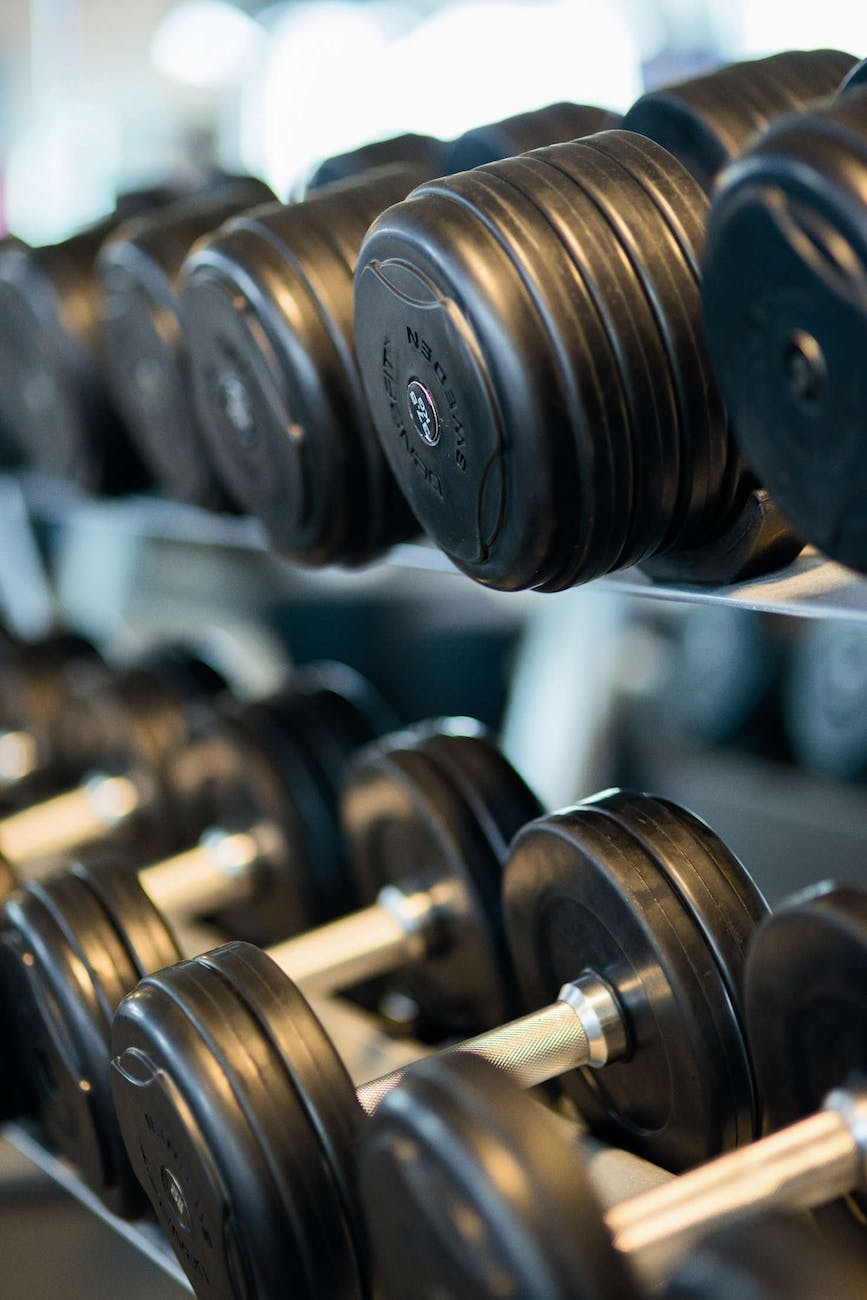
 HPS Magazine