Poetry
Poetry
Thar’s Funny
Researching Your Art

Want to learn more about the painting you found while clearing out the attic? What about the drawing that has been hanging in grandma’s hallway since you were a kid? Maybe the sculpture you found at the flea market last summer really is a Remington. How can you find out?
For answers, be prepared for a little detective work. We hope these tips and resources will help you begin, but remember that these lists are not exhaustive. Whether you research a family heirloom or a yard-sale find, the process can be rewarding.
Like any good detective, begin with what you know. Gather the following information. What is the title or subject of the work? Where and when was it made? If you do not know the exact year, perhaps you can guess an approximate date. How long has the work belonged to you or your family? Check family records and interview relatives who might know something about the artwork. If you recently acquired your treasure, try to obtain as many details as possible from the seller, dealer, or previous owner.
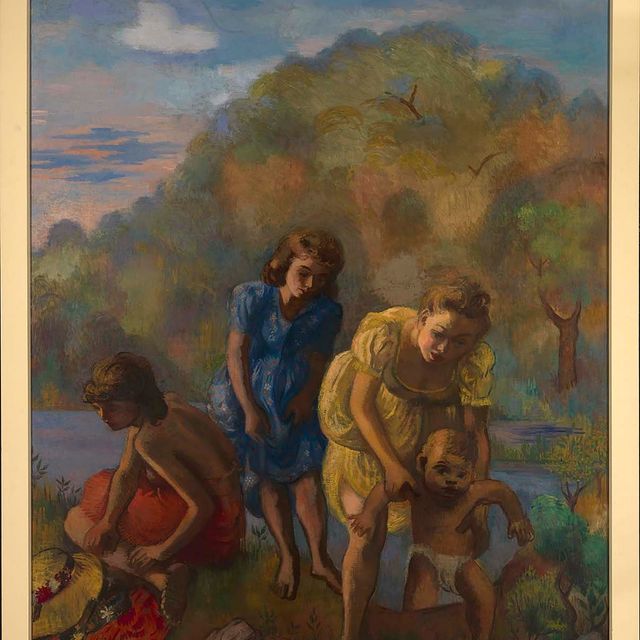
Learn how to consult biographical resources when researching your art.
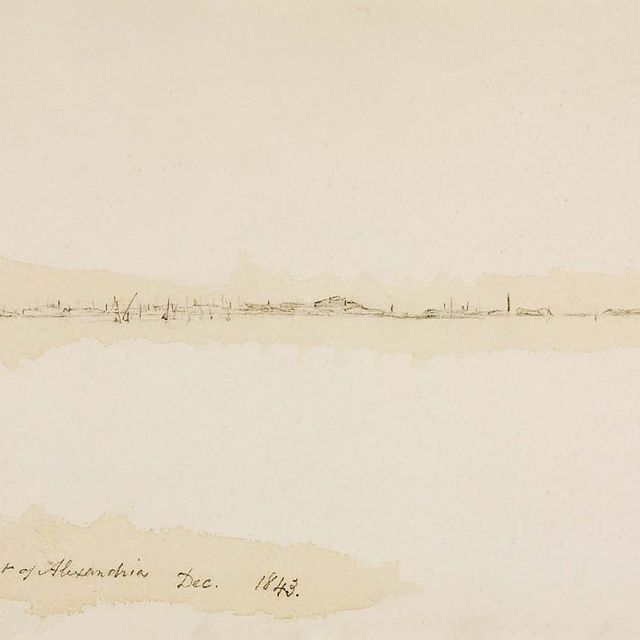
Signatures, Monograms, and Markings
See a mark or signature you cannot identify? Learn how to identify marks, artist signatures, or monograms with these resources.
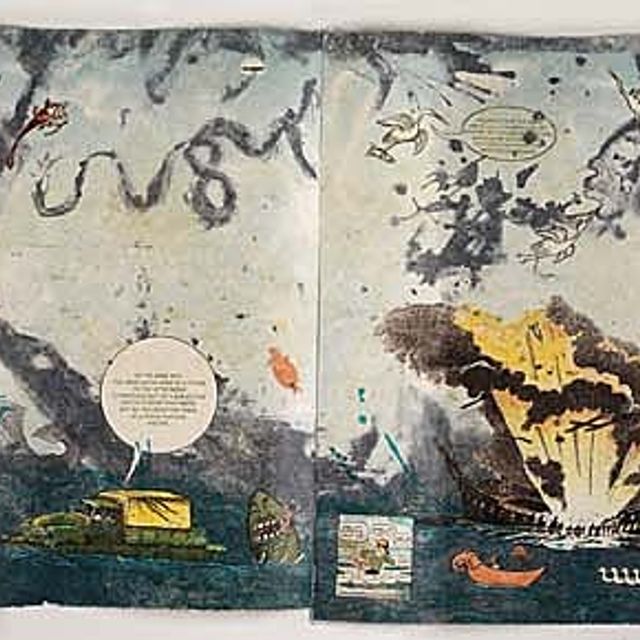
Exhibition Guides and Provenance
Learn how to find out about an artwork’s history by tracking it’s provenance (the location of an artwork prior to its current ownership) and exhibition guides.
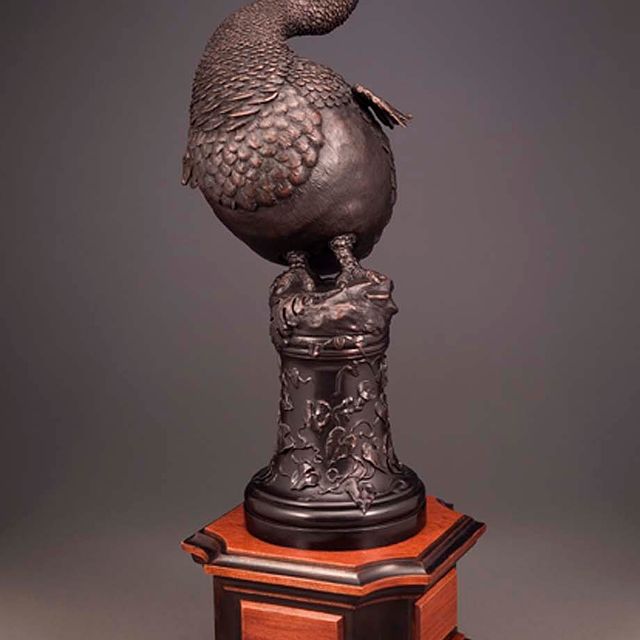
Learn how to research your art by consulting relevant encyclopedias and surveys.
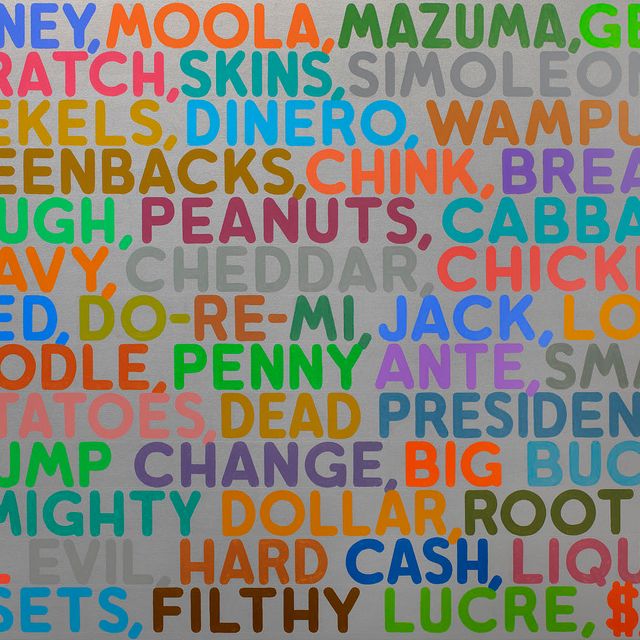
How Much Is Your Object Worth?
Learn how to figure out how much your antiques, artworks, and other collectible items are worth.
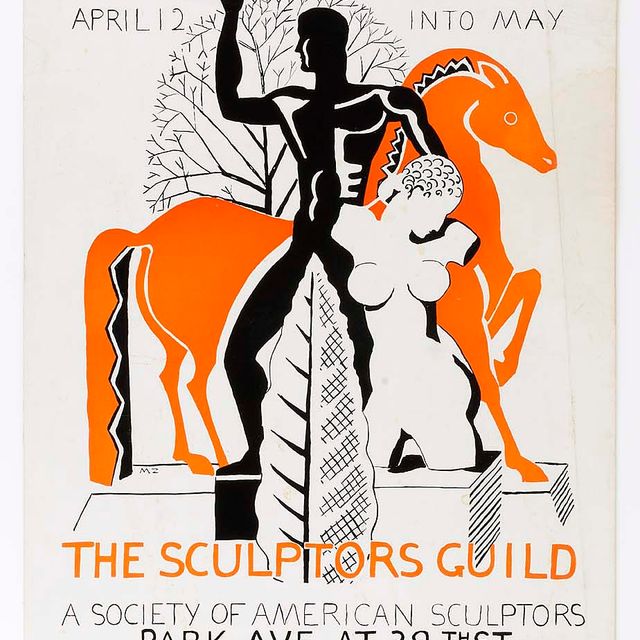
Want to Research Prints or Find Posters?
Do you have a print that you want to learn more about? Since artists often use printmaking media to create “multiples,” how can you tell whether what you own is an original print or a reproduction copy?
How to Care for Your Collections
Regardless of the monetary value of your artwork, if it is personally meaningful, you should consider having the object conserved. It is very important to have trained professionals do the job. Your local art museum, gallery, or historical society can recommend reputable conservators in your area. For guidelines on selecting a conservator and a list of professional conservators in your area, contact the following organizations:
Learn more about how to find information on materials, terms, and techniques.

Comic Strips
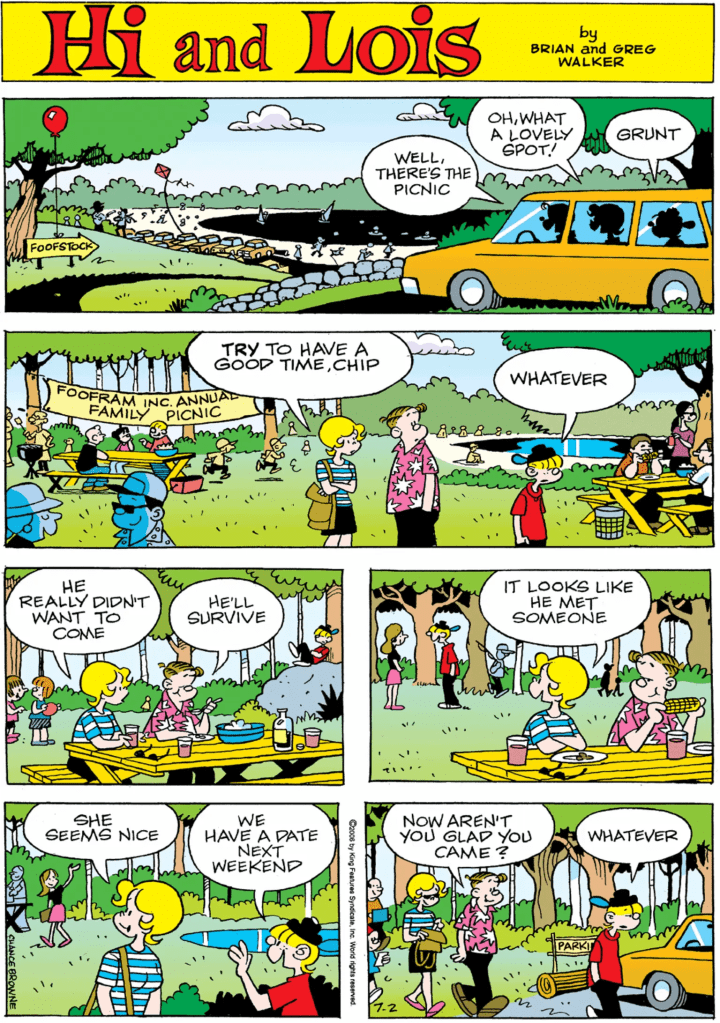
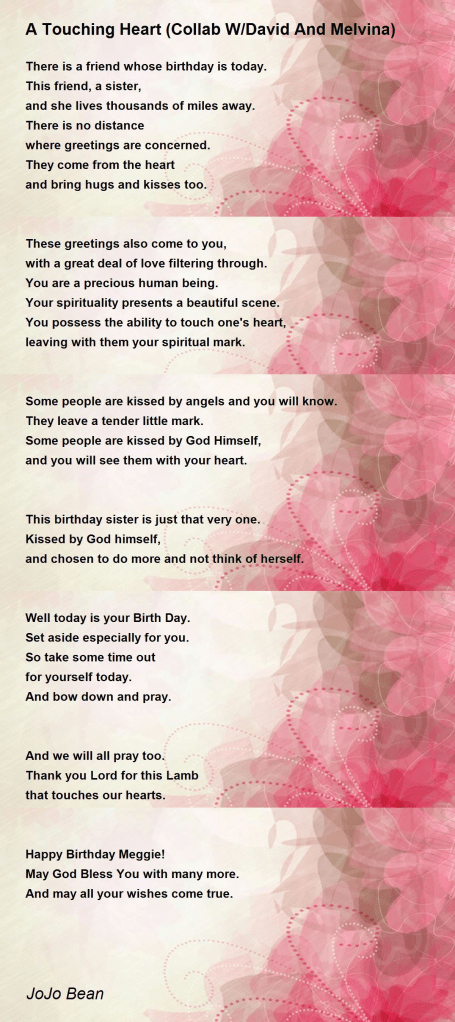
Poetry
Musicians as Art

John LennonCooper Hewitt, Smithsonian Design Museum
Miles DavisNational Portrait Gallery
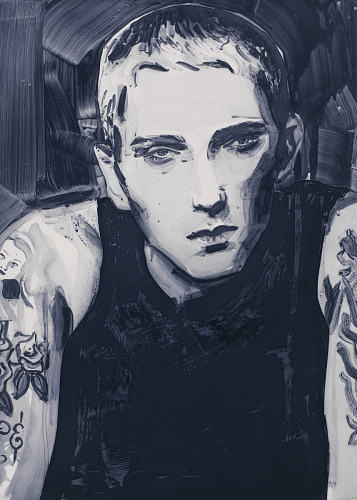
EminemNational Portrait Gallery
Chubby CheckerHirshhorn Museum and Sculpture Garden
Lydia Mendoza, Ciudad Juarez, 1937National Portrait Gallery
David Byrne Self-PortraitNational Portrait Gallery
Willie NelsonNational Portrait Gallery
Arturo ToscaniniNational Portrait Gallery
Elvis Presley Face Jug #4Smithsonian American Art Museum
Seymour Haden Playing the CelloFreer Gallery of Art and Arthur M. Sackler Gallery
Phil OchsNational Portrait Gallery
Jean Grae, Indio, CANational Portrait Gallery
Willie NelsonNational Portrait Gallery
Cupcake KatyNational Portrait Gallery
 Fritz KreislerNational Portrait Gallery
SelenaNational Portrait Gallery
Jimi HendrixNational Portrait Gallery
Bruce SpringsteenNational Portrait Gallery
Fritz KreislerNational Portrait Gallery
Chet BakerNational Portrait Gallery
ElvisHirshhorn Museum and Sculpture Garden
Ray BrownNational Portrait Gallery
Thelonious MonkNational Portrait Gallery
Dizzy GillespieNational Portrait Gallery
Laurie Anderson, Strange AngelsCooper Hewitt, Smithsonian Design Museum
Buddy RichNational Portrait Gallery
Clifford BrownNational Portrait Gallery
Ain’t That a ShameNational Museum of African American History and Culture
Ornette ColemanNational Portrait Gallery
John CageNational Portrait Gallery
Joan BaezNational Portrait Gallery
Willie Nelson National Portrait Gallery

Comic Strips
We Do Declare: Women’s Voices on Independence

In commemoration of the 250th anniversary of the signing of the Declaration of Independence, we’re exploring how generations of diverse women have experienced a key concept in American history: independence. Through a multi-faceted oral history project focused on the last 50 years, We Do Declare: Women’s Voices on Independence will explore when, how, and why women have sought independence in their own lives, through the lens of economic power.
The notion of independence and the meaning of economic power has resonated differently across varied groups and time periods—for instance, interdependence and connectivity are key values in many communities, and therefore supporting family or communal goals is more important than individual wishes. Oral histories allow us to hear directly from women about their varied experiences with independence and the ways in which finances and economic issues are connected to this influential concept. By listening to diverse women’s voices and contextualizing their experiences, we can begin to understand the multiple meanings of a word so familiar to Americans. We Do Declare: Women’s Voices on Independence will unfold over the next year and a half, featuring several dozen oral histories and community stories of women from across the country, accompanied by public programming and educational resources, and culminating in an online interactive experience during the country’s semiquincentennial in the summer of 2026.
Our exploration of the meaning of economic independence kicks off with four oral history interviews conducted by curator Rachel Seidman. These interviews focus on a singular moment in time in the 1970s when women were pushing for and expanding their economic opportunities. October 28, 2024, marks the 50th anniversary of the passage of the 1974 Equal Credit Opportunity Act (ECOA), which made it illegal for banks to discriminate against women applying for loans based on their sex or marital status. Amended in 1976 to extend its protections to include race, color, religion, national origin, age, and receipt of public assistance, ECOA and the phenomenon of women’s banks that flourished in the decade after its passage. fundamentally changed women’s ability to access credit and capital and shifted their relationship to the banking industry.
Each woman interviewed discusses the messages they received about women and money growing up, how they came to understand the notion of financial independence, and what steps they took to advance their own and other women’s economic power. Together, they offer us a glimpse into how social change happens, especially the little-known, yet pivotal history of ECOA and the phenomenon of women’s banks that flourished in t
 HPS Magazine