Harlem Renaissance: Photos From the African American Cultural Explosion
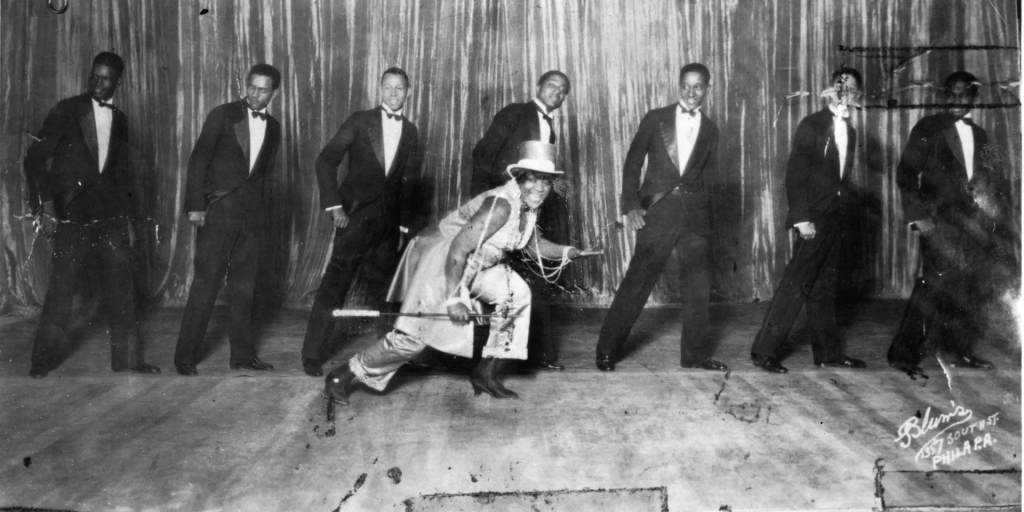
From jazz and blues to poetry and prose to dance and theater, the Harlem Renaissance of the early 20th century was electric with creative expression by African American artists.
By: Madison Horne
The New York City neighborhood of Harlem was the center of a cultural explosion from late 1910s through the mid-1930s. During the Great Migration, Harlem became a destination neighborhood, particularly for African Americans who had left the south in search of new opportunities. At this time, the Harlem section of Manhattan drew nearly 175,000 African Americans to its neighborhood of just three square miles.
The influx of people to the area led to a period of groundbreaking contributions in what became known as a the Harlem Renaissance. Some of the history’s greatest artists and scholars, including W.E.B. Du Bois, Langston Hughes and Louis Armstrong, among many others, generated a wide array of art, including music, theater, visual art, poetry and literature.
Uniting the explosion in artistic expression was a renewed pride in African American culture. As Hughes wrote in his manifesto, “The Negro Artist and the Racial Mountain,” “We younger Negro artists who create now intend to express our individual, dark-skinned selves without fear or shame. If white people are pleased we are glad. If they are not, it doesn’t matter. We know we are beautiful.”
Take a look at photos from one of the most significant eras of cultural expression in the nation’s history.
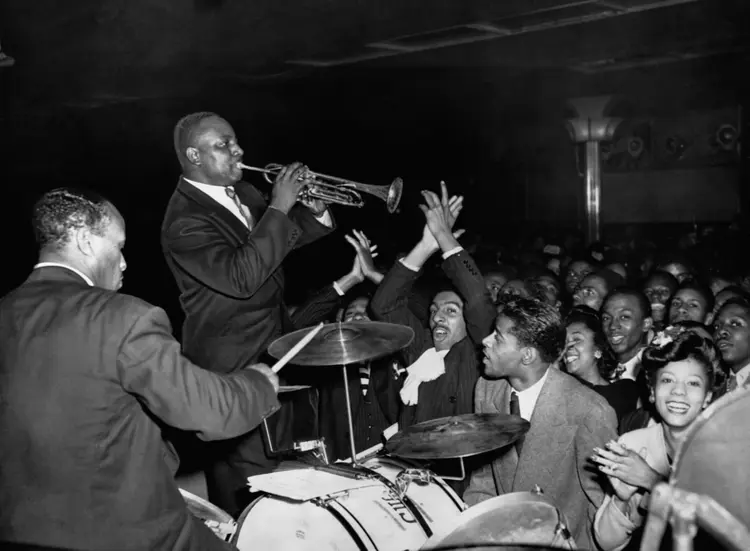
Cootie Williams plays his trumpet at a crowded at Harlem ballroom with Duke Ellington’s band in the 1930’s.
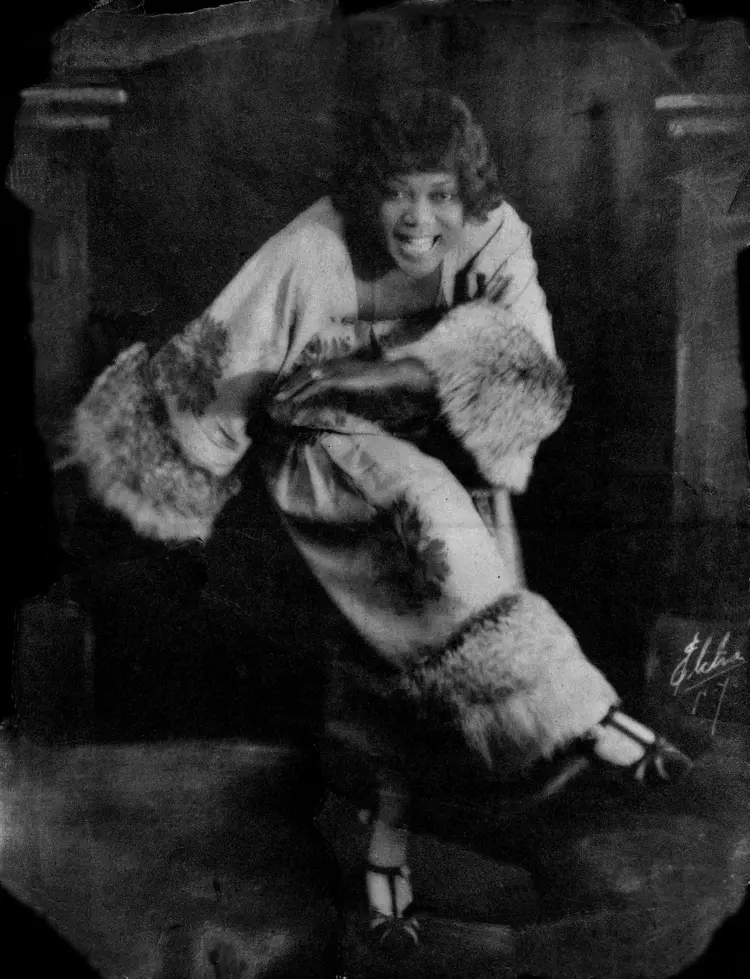
American Vocalist Bessie Smith became known as “Empress of the blues”
 HPS Magazine