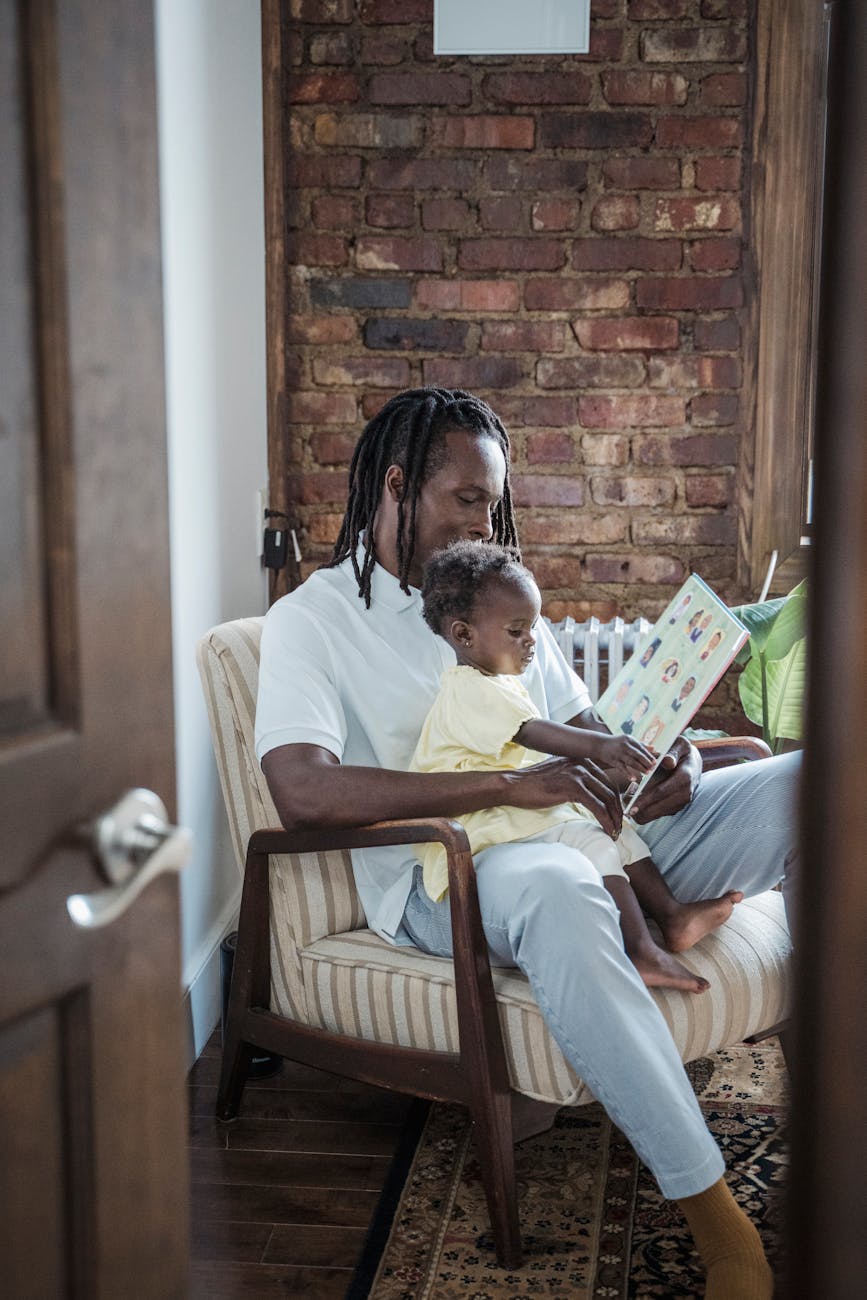
Young children are all “pre-readers” who pick up clues about reading from their environment. This is great news for parents — you already have everything you need to help your child succeed. Three-year-olds have an exploding vocabulary and are eager to explore their world with you. Every time you read to and talk with your three-year-old, you build key early reading skills. As children’s author Emilie Buchwald wrote, “Children are made readers on the laps of their parents.”
Finish That Rhyme
Nursery rhymes aren’t just catchy — they are amazing tools for helping kids recognize rhyme and “end sounds.” Here are a few rhymes to teach your child:
- The Itsy Bitsy Spider
- Hickory, Dickory Dock
- Mary Had a Little Lamb
- Baa, Baa Black Sheep
- Humpty Dumpty
- Hey Diddle Diddle
- Jack and Jill
After your child is familiar with a few rhymes, pause when you get to the final word in a line and let your child finish it. For example: “Hickory, dickory _____; The mouse ran up the _______.” Point out that “dock” sounds like “clock” and see if your child can come up with other words that rhyme.

Grover’s Rhyme Time
Grover is driving a train of rhyming words. Your child can help Grover drive the train and collect the items he needs to fill the rhyming train cars.
Find Funny Books
Kids like to read funny books! A whopping 70 percent of kids say they want books that make them laugh, according to Scholastic’s Kids and Family Reading Report. Check out this list of fifteen books to get the whole family giggling.

Super Why! Saves the Day
Super Why needs the help of your super reader to fix silly stories with new words that your child reads and spells.
Read to Your Child
Reading aloud to kids is “the single most important activity for building knowledge for their eventual success in reading,” according to a landmark study. When kids sit next to a caring adult and hear engaging stories, they develop positive associations with books and build their vocabulary and comprehension skills. For helpful hints about how to make the most out of read-aloud time, click here.

Storybook Creator
Super Why is reading his favorite stories, but he’s zapping and switching out words to change them! Your child can follow along as a story is read, or read the story on his or her own.
Be a Role Model
Finally, don’t forget to be a reader and writer yourself. One of the most effective ways to help children become readers and writers is to show them through your own example that you value literacy — and that reading and writing have useful purposes. Keep books and writing materials in the home, and talk to your child about what you are doing when you read and write.
Fill Your Home with Letters
To help young children become comfortable with letters, keep a few alphabet sets around the house that your child can touch and manipulate, such as alphabet blocks, foam letters for the bathtub, ABC puzzles, magnetic refrigerator letters, alphabet board books or letter stamps.
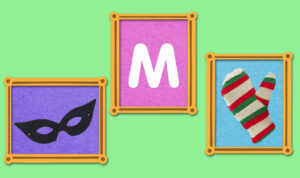
Create Your Own Letter Museum at Home
Collect everyday objects to make exhibits!
Keep Books in Easy Reach
Make it easy for your child to explore books. Keep a basket of books at kid level or in a “book bag” in the car for kids to flip through on rides. Place a couple of books at the foot of the bed for your child to look at first thing in the morning. Make a small reading corner or nook for your child — something as simple as a few pillows, soft blanket and a stack of library books. In other words, make books an ordinary and essential fixture in your home.

Daniel’s Babysitter
Your child can read and play with Daniel Tiger in this interactive story about a time when Prince Tuesday babysits and Daniel keeps in mind that ‘grown ups come back.’

 HPS Magazine