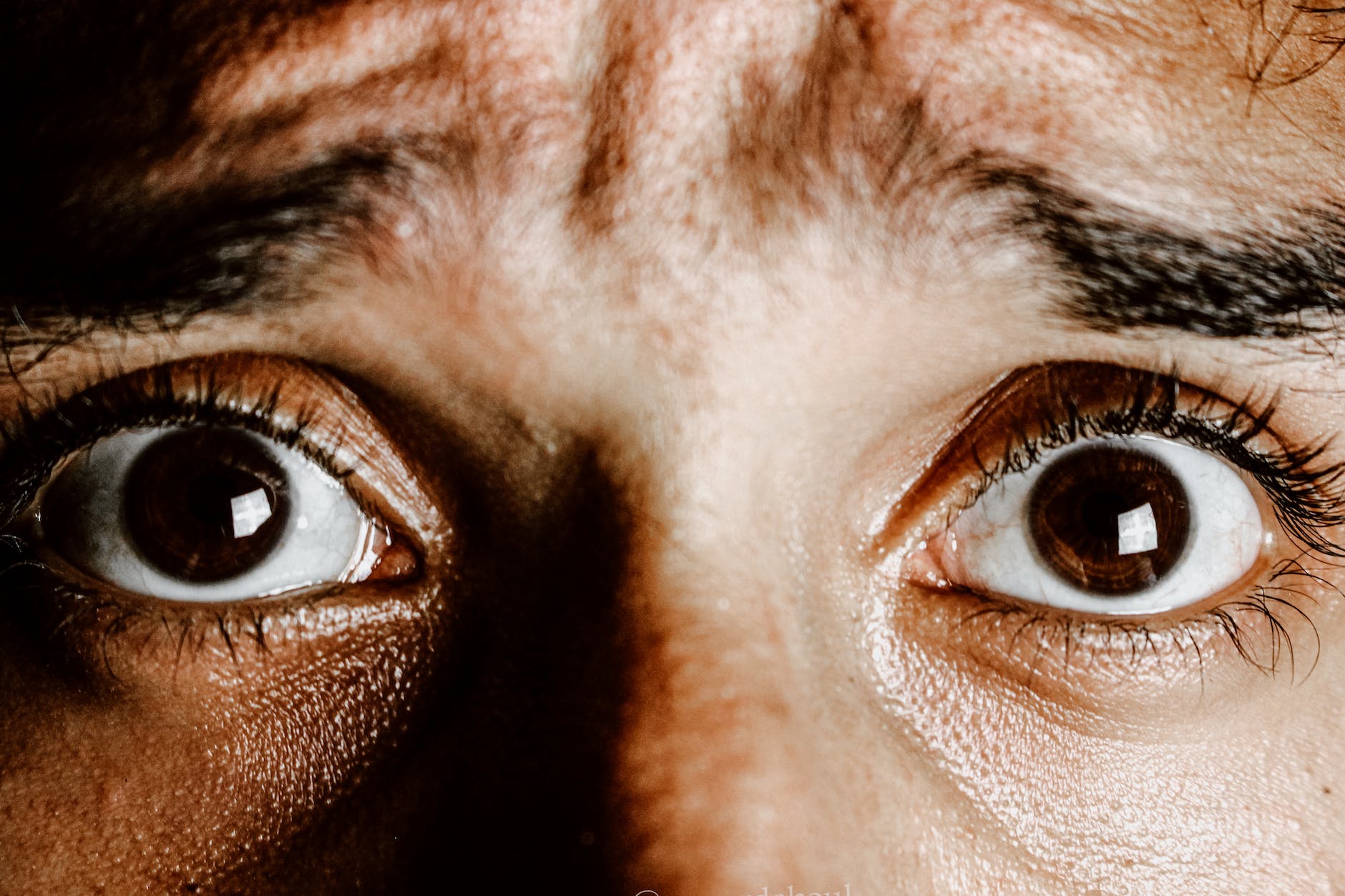
What is anxiety?
Anxiety is what we feel when we are worried, tense or afraid – particularly about things that are about to happen, or which we think could happen in the future.
Anxiety is a natural human response when we feel that we are under threat. It can be experienced through our thoughts, feelings and physical sensations.
For me, anxiety feels as if everyone in the world is waiting for me to trip up, so that they can laugh at me. It makes me feel nervous and unsure whether the next step I take is the best way forward.
Most people feel anxious at times. It’s particularly common to experience some anxiety while coping with stressful events or changes, especially if they could have a big impact on your life. See our pages on how to manage stress for more information about stress.
If you are feeling anxious or experiencing a panic attack right now, see our page on how to manage panic attacks.
What is the ‘fight, flight or freeze’ response?
Like all animals, human beings have evolved ways to help us protect ourselves from danger. When we feel under threat our bodies react by releasing certain hormones, such as adrenaline and cortisol, which can be helpful. These hormones:
- make us feel more alert, so we can act faster
- make our hearts beat faster, quickly sending blood to where it’s needed most.
After we feel the threat has passed, our bodies release other hormones to help our muscles relax. This can sometimes cause us to shake.
This is commonly called the ‘fight, flight or freeze’ response – it’s something that happens automatically in our bodies, and we have no control over it.
Going out of the house is a challenge because I have a fear of panicking and feel that I’m being watched or judged. It’s just horrible. I want to get help but I’m afraid of being judged.
When is anxiety a mental health problem?
Anxiety can become a mental health problem if it impacts your ability to live your life as fully as you want to. For example, it may be a problem if:
- your feelings of anxiety are very strong or last for a long time
- your fears or worries are out of proportion to the situation
- you avoid situations that might cause you to feel anxious
- your worries feel very distressing or are hard to control
- you regularly experience symptoms of anxiety, which could include panic attacks
- you find it hard to go about your everyday life or do things you enjoy.
If your symptoms fit a particular set of medical criteria then you might be diagnosed with a particular anxiety disorder. But it’s also possible to experience problems with anxiety without having a specific diagnosis. Our pages on self-care and treatment for anxiety offer suggestions for help and support.
What do anxiety problems feel like?
You know that feeling when you’re rocking on the back legs of your chair and suddenly for a split second you think you’re about to fall; that feeling in your chest? Imagine that split second feeling being frozen in time and lodged in your chest for hours/days, and imagine with it that sense of dread sticking around too, but sometimes you don’t even know why.
What is a panic attack?
Panic attacks are a type of fear response. They’re an exaggeration of your body’s normal response to danger, stress or excitement. This page covers:
- What do panic attacks feel like?
- When might I have panic attacks?
- What helps to manage panic attacks?
- What is panic disorder?
What do panic attacks feel like?
During a panic attack, physical symptoms can build up very quickly. These can include:
- a pounding or racing heartbeat
- feeling faint, dizzy or light-headed
- feeling very hot or very cold
- sweating, trembling or shaking
- nausea (feeling sick)
- pain in your chest or abdomen
- struggling to breathe or feeling like you’re choking
- feeling like your legs are shaky or are turning to jelly
- feeling disconnected from your mind, body or surroundings, which are types of dissociation.
During a panic attack you might feel very afraid that you’re:
- losing control
- going to faint
- having a heart attack
- going to die.
My teeth would chatter uncontrollably and my whole body would tremble, I’d hyperventilate and cry with panic as the feeling that I was going to fall unconscious was so convincing.
When might I have panic attacks?
Panic attacks happen at different times for everyone. Some people have one panic attack then don’t ever experience another, or you might find that you have them regularly, or several in a short space of time. You might notice that particular places, situations or activities seem to trigger panic attacks. For example, they might happen before a stressful appointment.
Most panic attacks last between 5 to 20 minutes. They can come on very quickly. Your symptoms will usually be at their worst within 10 minutes. You might also experience symptoms of a panic attack over a longer period of time. This could be because you’re having a second panic attack, or you’re experiencing other symptoms of anxiety.
My panic attacks seem to come out of the blue now. But in fact, they seem to be triggered mainly at night when I want to go to sleep but cannot stop my mind racing, experiencing worry and panic about anything that may be on my mind.
What helps to manage panic attacks?
Panic attacks can be frightening, but there are things you can do to help yourself cope. It could help to print off these tips, or write them down, and keep them somewhere easy to find.
During a panic attack:
- Focus on your breathing. It can help to concentrate on breathing slowly in and out while counting to five.
- Stamp on the spot. Some people find this helps control their breathing.
- Focus on your senses. For example, taste mint-flavoured sweets or gum, or touch or cuddle something soft.
- Try grounding techniques. Grounding techniques can help you feel more in control. They’re especially useful if you experience dissociation during panic attacks. See our page on self-care for dissociation for more information on grounding techniques.
After a panic attack:
- Think about self-care. It’s important to pay attention to what your body needs after you’ve had a panic attack. For example, you might need to rest somewhere quietly, or eat or drink something.
- Tell someone you trust. If you feel able to, it could help to let someone know you’ve had a panic attack. It could be particularly helpful to mention how they might notice if you’re having another one, and how you’d like them to help you.
What is panic disorder?
If you’re having lots of panic attacks at unpredictable times and there doesn’t seem to be a particular trigger or cause, you might be given a diagnosis of panic disorder. It’s common to experience panic disorder and certain types of phobia together. People who experience panic disorder may have some periods with few or no panic attacks, but have lots at other times.
Panic disorder and high sensitivity
Some research suggests that people who have panic disorder might be very sensitive to sensory experiences (such as sunlight, smells and changes in the weather), but there’s not enough evidence yet to say for sure.
Also it’s not clear whether having a high level of sensitivity to these sorts of things is something that might cause you to develop panic disorder, or whether it may be an effect of having it.
Never knowing when I was going to have a panic attack was the worst feeling in the world.
What causes anxiety?
Everyone’s experience of anxiety is different, so it’s hard to know exactly what causes anxiety problems. There are probably lots of factors involved.
This page covers some things which make anxiety problems more likely to happen:
- past or childhood experiences
- your current life situation
- physical and mental health problems
- drugs and medication
Can anxiety problems be inherited genetically?
Research shows that having a close relative with anxiety problems might increase your chances of experiencing anxiety problems yourself. This is sometimes called ‘anxiety sensitivity’.
At the moment there is not enough evidence to show whether this is because we share some genes that make us more vulnerable to developing anxiety, or because we learn particular ways of thinking and behaving from our parents and other family members as we grow up.
Past or childhood experiences
Difficult experiences in childhood, adolescence or adulthood are a common trigger for anxiety problems. Going through stress and trauma when you’re very young is likely to have a particularly big impact. Experiences which can trigger anxiety problems include things like:
- physical or emotional abuse
- neglect
- losing a parent
- being bullied or being socially excluded
- experiencing racism.
Having parents who don’t treat you warmly or are overprotective can also be a factor.
I was sent to boarding school and suffered acute separation anxiety, being away from home, and my brother nearly died when I was 12. My mum had an acute breakdown for a period of about a year and had to be home-nursed.
Your current life situation
Current problems in your life can also trigger anxiety. For example:
- exhaustion or a build-up of stress
- lots of change or uncertainty
- feeling under pressure while studying or in work
- long working hours
- being out of work
- money problems
- housing problems and homelessness
- worrying about the environment or natural disasters (sometimes called climate anxiety or eco-anxiety)
- losing someone close to you (sometimes called bereavement)
- feeling lonely or isolated
- being abused, bullied or harassed, including experiencing racism.
Big changes to your day-to-day life can be a particular trigger for anxiety, so you may find that you’ve experienced anxiety problems during the coronavirus pandemic. For information on how coronavirus may have affected your mental health and what could help see our coronavirus and mental health pages.
Physical or mental health problems
Other health problems can sometimes cause anxiety, or might make it worse. For example:
- Physical health problems – living with a serious, ongoing or life-threatening physical health condition can sometimes trigger anxiety.
- Other mental health problems – it’s also common to develop anxiety while living with other mental health problems, such as depression.
Drugs and medication
Anxiety can sometimes be a side effect of taking:
- some psychiatric medications
- some medications for physical health problems
- recreational drugs and alcohol.
To report medication side effects see the government’s Yellow Card website.
Could diet be a factor?
Some types of food or drink can trigger symptoms of anxiety or panic, or make them worse. These include sugar and caffeine. See our pages on food and mood for more information about the relationship between what you eat and how you feel.
I had cut out alcohol. Many think drinking alcohol helps with anxiety, but it actually makes it worse in the long run.
How can I help myself?
Living with anxiety can be very difficult, but there are steps you can take that might help. This page has some suggestions for you to consider.
For tips on coping with panic attacks, see our section on what helps to manage panic attacks.
What treatments are available?
There are various evidence-based treatments that have been found to help with anxiety and panic disorder. This page covers:
- Self-help resources
- Talking therapies
- Medication
- How do I access treatment?
- What if I don’t feel better?
Self-help resources
A self-help resource might be the first treatment option your GP offers you. This is because it’s available quite quickly, and there’s a chance it could help you to feel better without needing to try other options.
Self-help could be delivered through:
- Workbooks. For example, your GP might recommend particular titles from a scheme called Reading Well, which offers Books on Prescription. This scheme is supported by most local libraries, so you can go and check the books out for free – you don’t actually need a prescription from a doctor.
- Online cognitive behavioural therapy (CBT) programmes. There are several online CBT courses to treat anxiety and panic attacks. See our page on CBT to find out more.
I was diagnosed with generalised anxiety disorder, depression and OCD traits. I had CBT for almost a year, which was very helpful.
Talking therapies
If self-help resources aren’t likely to help with the anxiety problems you’re experiencing, or you’ve already tried them and they haven’t helped, your doctor should offer you a talking treatment. There are two types of talking treatment recommended for anxiety and panic:
- Cognitive behavioural therapy (CBT) – this focuses on how your thoughts, beliefs and attitudes affect your feelings and behaviour, and teaches you coping skills for dealing with different problems.
- Applied relaxation therapy – this involves learning how to relax your muscles in situations where you normally experience anxiety.
Medication
Your doctor might offer to prescribe you medication to help manage your symptoms. Some people find it helpful to try talking therapies and medication at the same time, but medication shouldn’t be the only thing you’re offered.
Here are some medications you might be offered:
Antidepressants
Usually this will be a type called a selective serotonin reuptake inhibitor (SSRI). For some people SSRIs can cause side effects, such as sleep problems or feeling more anxious than you did before. If they don’t work, or aren’t right for you, you may be offered a different kind.
See our pages on antidepressants for more information.
Pregabalin
In some cases, such as if you have a diagnosis of generalised anxiety disorder (GAD), your doctor may decide to prescribe you a drug called pregabalin. This is an antiseizure drug which is normally used to treat epilepsy, a neurological disorder that can cause seizures, but is also licensed to treat anxiety.
See our pages on anti-anxiety medication and pregabalin for more information.
Beta-blockers
Beta-blockers are sometimes used to treat the physical symptoms of anxiety, such as a rapid heartbeat, palpitations and tremors (shaking). But they are not psychiatric drugs so they don’t reduce any of the psychological symptoms. They may be helpful in certain situations that trigger your phobia.
See our page on treatment for phobias for more information.
Benzodiazepine tranquillisers
If you experience very severe anxiety that is having a significant impact on your day-to-day life, you may be offered a benzodiazepine tranquilliser. But these drugs can cause unpleasant side effects and can become addictive, so your doctor should only prescribe them at a low dose for a short time, to help you through a crisis period.
See our page on benzodiazepines for more information.
Before deciding to take any drug, it’s important to make sure you have all the facts you need to make an informed choice.
See our pages on things to consider before taking medication and your right to refuse medication for more information.
Our pages on coming off medication give guidance on how to come off medication safely.
I take medication and this helps, but I have also had online therapy which was invaluable, and cognitive analytic therapy as an outpatient at a psychiatric hospital. Talking cures are fantastic.
How do I access treatment?
To get treatment on the NHS, the first step is normally to visit your GP. They will do an assessment, which might include asking you to fill in a questionnaire about how often you feel worried, anxious and nervous.
They should then explain your treatment options to you, and you can decide together what might suit you best.
See our pages on seeking help for a mental health problem for more information on how to prepare for an appointment and have your say in treatment.
Unfortunately NHS waiting lists for talking treatments can be very long. If you’re finding it hard to access talking therapies you could consider:
- Charities and specialist organisations. See useful contacts for a list of organisations that may offer therapy or be able to put you in touch with local services. Mind’s Infoline could also help you find services near you.
- Private therapy. Finding a private therapist is another option some people choose to explore, but it’s not suitable for everyone because it can be expensive. See our page on private therapy for more information.
What if my anxiety stops me from seeking help?
It can be especially hard to get treatment if making or attending an appointment with your doctor involves doing something that causes lots of anxiety for you. For example, you might not feel able to talk on the phone or leave the house.
Here are some things you could try:
- Ask your doctor if they offer home visits or telephone assessments. If not, they might be able to book you an appointment at a time when the surgery tends to be quiet.
- Some GP practices will allow someone else to ring up and book appointments for you (with your consent). It could also help to have someone come with you to the appointment for support.
- Depending on what’s available in your area, you may be able to refer yourself for talking therapy at a local Improving Access to Psychological Therapies (IAPT) service. Some IAPT services are delivered online or over the phone. You can search for IAPT services on the NHS website.
See the National Institute for Health and Care Excellence (NICE)’s guidelines for treating anxiety disorders for more detailed information.
If you don’t know what’s wrong with you, how do you know how to fix it? For me, being diagnosed with anxiety and panic disorder came as a relief! It meant I wasn’t imagining the awful symptoms I’d been experiencing.
What if I don’t feel better?
Your doctor should offer you regular appointments to check how you’re doing, and see how well any treatment is working for you.
Different things work for different people, so if a particular medication, type of talking therapy or particular therapist doesn’t work for you, your doctor should offer an alternative.
If you’ve tried a range of treatments and none of them have helped, your doctor might refer you to a community mental health team (CMHT). This is made up of a number of different healthcare professionals, such as psychiatrists and clinical psychologists. Your CMHT can assess you separately and offer you a personalised treatment plan.
This is particularly recommended if:
- your symptoms are making it very difficult to carry out everyday activities
- you have a serious physical health problem or another mental health problem
- you’re having thoughts of self-harm or suicide.
It’s important to remember that recovery is a journey, and it won’t always be straightforward. For example, you might find it more helpful to focus on learning more about yourself and developing ways to cope, rather than trying to get rid of all your symptoms.
How can other people help?
This page is for friends and family wanting to support someone who experiences anxiety or panic attacks.
It can be really difficult when someone you care about is experiencing anxiety or panic attacks, but there are things you can do to help. Here are some tips:
Don’t pressure them
Try not to put pressure on your friend or family member to do more than they feel comfortable with. It’s really important to be patient, listen to their wishes and take things at a pace that feels okay for them.
It’s understandable to want to help them face their fears or find practical solutions, but it can be very distressing for someone to feel they’re being forced into situations before they feel ready. This could even make their anxiety worse.
Try to remember that being unable to control their worries is part of having anxiety, and they aren’t choosing how they feel.
What helps me is calmness, acceptance – not trying to dispel it with ‘rational’ or ‘logical’ argument.
Helping someone who is having a panic attack
It’s understandable to feel frightened if someone you care about experiences a panic attack – especially if it seems to happen without warning. But it can help if you:
- try to stay calm
- gently let them know that you think they might be having a panic attack and that you are there for them
- encourage them to breathe slowly and deeply – it can help to do something structured or repetitive they can focus on, such as counting out loud, or asking them to watch while you gently raise your arm up and down
- encourage them to stamp their feet on the spot
- encourage them to sit somewhere quietly where they can focus on their breath until they feel better.
You should never encourage someone to breathe into a paper bag during a panic attack. This isn’t recommended and it might not be safe.
See our page on panic attacks for more information and tips on how to cope.
Try to understand
- Find out as much as you can about anxiety. This will help you understand what they are going through. Reading personal stories of anxiety can help too.
- Ask about their experience. You could ask them how anxiety affects their day-to-day life, and what makes it better or worse. Listening to how they experience things could help you to empathise with how they feel.
Be kind, be non-judgemental. Let us know it will pass, let us know you are there.
Ask how you can help
Your friend or family member may already know how you can support them – for example, helping them with difficult situations, talking to them calmly or doing breathing exercises with them.
By asking them what they need or how you can help, you can support them to feel more in control themselves.
Knowing that there is someone around who knows what to do if they start to feel frightened or panicked could help them feel safer and calmer.
Reminding me to breathe, asking me what I need.
Support them to seek help
If you think your friend or family member’s anxiety is becoming a problem for them, you could encourage them to seek treatment by talking to a GP or therapist. You could:
- Offer to help them arrange a doctor’s appointment. If they are scared of leaving the house, you could suggest they ring their GP to find out if they will do home visits and telephone appointments.
- Offer support when they attend appointments. You could offer to go with them to their appointments and wait in the waiting room. You can also help them plan what they’d like to talk about with the doctor. See our page on talking to your GP for more information.
- Help them seek help from a therapist. See our page on how to find a therapist for more information.
- Help them research different options for support, such as community services or peer support groups such as those run by Anxiety UK and No Panic. See our useful contacts page for more information. You could also call Mind’s Infoline to find out more about local services.
See our page on helping someone else seek help for more information.
Look after yourself
It can sometimes be really challenging to support someone with a mental health problem – you are not alone if you feel overwhelmed at times. It is important to remember to look after your own mental health too, so you have the energy, time and space you need to be able to help.
For example:
- Set boundaries and don’t take on too much. If you become unwell yourself you won’t be able to support them or yourself in the same way. It is also important to decide what your limits are and how much you feel able to help.
- Share your caring role with others, if you can. It’s often easier to support someone if you’re not doing it alone.
- Talk to others about how you’re feeling. You may want to be careful about how much information you share about the person you’re supporting, but talking about your own feelings with someone you trust can help you feel supported too.
- Find support for yourself. The organisations in useful contacts are there to support you as well. You may find peer support or therapies are a good outlet for your feelings.

 HPS Magazine